
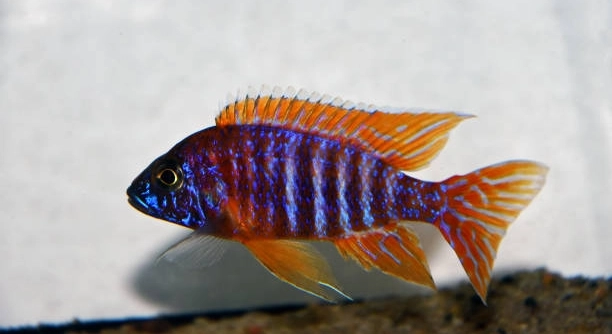
Creating a safe environment for fry in a tank is essential for their growth and survival. Small fish are delicate, and even minor changes in their surroundings can cause stress and affect their well-being.
Providing a tank that feels safe for fry involves careful attention to water quality, hiding spots, gentle filtration, and proper spacing. Consistent monitoring and structured environments reduce stress, promote healthy development, and increase the chances of fry survival.
Understanding these simple steps will help ensure your fry thrive and grow in a stable, secure aquatic environment.
Gentle Water Flow
Fry are sensitive to strong currents. A tank with gentle water movement allows them to swim without struggle. Using sponge filters or adjustable flow filters helps maintain a calm environment. Strong currents can tire young fish quickly and may even trap them in corners or against decorations, causing injury or stress. Observing how fry respond to your filter’s flow is essential. Adjusting the flow ensures they can explore the tank freely while staying safe. Even minor adjustments can make a noticeable difference in their activity levels. Providing areas with minimal movement gives fry spaces to rest. Plants, rocks, or mesh can break the current and create small safe zones. Avoid over-filtering or using high-speed pumps that can sweep fry around. Consistency in water flow contributes to a sense of stability. When fry feel secure, they are more likely to feed properly and grow at a healthy rate, supporting long-term development in the tank.
Gentle water flow prevents stress and protects fry from being swept around. It also encourages natural swimming behavior.
Placing moss, floating plants, or soft decorations in areas where currents are strongest gives fry temporary shelters. These shelters allow them to rest and recover, especially after feeding. Observing fry behavior daily helps identify spots where water flow may need reduction. A well-planned tank layout reduces collision risks and ensures fry can move freely without panic. Additionally, gentle flow supports oxygen circulation without overwhelming the fry. This balance creates a stable environment that promotes growth and reduces mortality. By adjusting filter speed and providing resting zones, you support both safety and activity levels for young fish, creating a nurturing space that encourages healthy development and stronger fry survival rates.
Hiding Spaces
Providing hiding spaces is critical for fry to feel secure. Small plants, rocks, and decorations give them places to retreat.
Hiding spots reduce stress and protect fry from being harassed by older fish.
Dense vegetation, floating plants, and small caves act as natural shelters for fry. These areas allow them to explore and rest without fear, promoting regular feeding and growth. Fry often hide when adjusting to new environments or after disturbances, so multiple shelters in various tank zones are ideal. Plants like java moss or fine-leaved species offer both cover and grazing opportunities, helping fry find food naturally. Rocks or PVC tubes provide additional retreats, mimicking safe spaces they would seek in natural habitats. Positioning hiding spots near feeding areas ensures fry can eat confidently while remaining protected. Regular observation allows you to see which spots are most used, helping you maintain and adjust the layout. Proper hiding spaces directly reduce stress, encourage exploration, and support healthy growth, creating a balanced environment where fry can thrive.
Stable Water Temperature
Fry are highly sensitive to temperature fluctuations. Maintaining a consistent water temperature helps them stay healthy and reduces stress. Sudden changes can weaken their immune system and stunt growth, making them more vulnerable to disease and poor development.
Using a reliable heater with a thermostat ensures the tank stays within the ideal range. Regularly checking the temperature prevents unexpected drops or spikes, which can be harmful. Small tanks are especially prone to rapid temperature changes, so frequent monitoring is important. Adjusting the heater gradually if changes are needed keeps fry safe and avoids shock. Stable water temperature supports proper digestion, feeding behavior, and activity levels, giving fry the best chance for steady growth and survival.
Consistency in water temperature allows fry to develop normally, feed regularly, and avoid stress-related illnesses. Keeping the environment predictable is essential for their well-being.
Clean Water
Regular water changes are essential to keep fry safe from toxins and waste buildup. Contaminated water can harm their growth and health.
Removing excess waste and uneaten food reduces ammonia and nitrate levels. Using a siphon or gentle water change technique prevents disturbing fry. Consistent partial water changes maintain water clarity and balance, minimizing the risk of illness.
A weekly schedule for water changes is effective for most tanks. Replacing 20-30% of the water gradually prevents shock. Conditioning new water before adding it to the tank removes chlorine and stabilizes pH. Monitoring water parameters, such as ammonia, nitrite, and nitrate, ensures conditions remain safe. Avoid overfeeding, as leftover food decomposes quickly, affecting water quality. Gentle filtration works alongside water changes to maintain a clean environment. Keeping the water clean supports fry immunity, encourages regular feeding, and promotes overall healthy development. Clean water directly contributes to a safe, stable habitat where fry can grow confidently.
Proper Feeding
Fry need small, frequent meals to grow properly. Overfeeding can pollute the water, while underfeeding slows development. Measuring portions carefully and feeding multiple times a day ensures they get enough nutrients without compromising water quality.
Using finely crushed flakes, baby brine shrimp, or specialized fry food provides easy-to-digest nutrition. Variety helps support growth and overall health.
Low Lighting
Bright lights can stress fry and make them hide excessively. Soft, diffused lighting helps them feel secure while still allowing plants to grow. Adjusting the light schedule to mimic natural day-night cycles supports normal activity patterns.
Safe Tank Mates
Choosing tank mates carefully prevents fry from being harassed or eaten. Avoid larger or aggressive fish, as they can harm young fry. Smaller, peaceful species or a fry-only setup keeps the environment calm and safe.
Consistent Routine
Fry thrive on routine. Feeding, water changes, and lighting schedules should remain consistent. Predictability reduces stress and helps fry establish healthy habits, encouraging steady growth and stronger survival rates in the tank.
FAQ
How often should I feed fry?
Fry need small, frequent meals throughout the day. Feeding three to five times daily helps support their fast growth and ensures they get enough nutrients. Overfeeding should be avoided, as leftover food can quickly pollute the tank and harm water quality.
What types of food are best for fry?
Finely crushed flakes, baby brine shrimp, and specialized fry food work well. These options are easy to digest and provide essential nutrients. Occasionally varying the diet can improve growth and immune health. Avoid large or hard foods that fry cannot eat.
How do I maintain safe water conditions?
Regular partial water changes, about 20-30% weekly, keep ammonia and nitrate levels low. Using a gentle filter and removing uneaten food prevents toxic buildup. Always condition new water to remove chlorine and stabilize pH before adding it to the tank.
What is the ideal water temperature for fry?
A stable temperature is crucial, generally between 24-28°C (75-82°F) depending on species. Sudden changes can cause stress and weaken the fry’s immune system. Using a heater with a thermostat and monitoring daily ensures a stable, safe environment.
How important are hiding spaces?
Hiding spaces reduce stress and protect fry from harassment or accidental injury. Dense plants, small caves, and floating vegetation allow fry to retreat and rest. Proper shelters also make feeding more successful, as fry feel secure while exploring and searching for food.
Can fry tolerate other fish in the tank?
Tank mates should be chosen carefully. Avoid larger or aggressive species that might eat or stress fry. Peaceful, small fish or a fry-only setup creates a calm environment, promoting healthy growth and reducing unnecessary stress in young fish.
How long do fry need gentle water flow?
Gentle water flow should be maintained as long as fry are small and fragile. Strong currents can exhaust them or push them into unsafe areas. Adjustable filters or sponge filters provide circulation without overwhelming fry, allowing them to swim comfortably and feed properly.
How can I tell if fry are stressed?
Signs of stress include hiding excessively, erratic swimming, refusal to eat, or pale coloring. Stress can result from poor water quality, aggressive tank mates, or sudden changes in temperature. Observing fry behavior daily helps identify issues early so adjustments can be made quickly.
How often should I check water parameters?
Testing for ammonia, nitrite, nitrate, and pH should be done at least twice a week, or more often in small or heavily stocked tanks. Monitoring ensures conditions remain safe, allowing fry to thrive and reducing the risk of illness or mortality.
Do fry need special lighting?
Soft, diffused lighting is best for fry. Bright lights can stress them and reduce activity. A consistent day-night schedule helps regulate natural behaviors, supports plant growth, and prevents fry from becoming overly stressed or hiding too often.
Is tank cleaning necessary while fry are present?
Yes, but it should be done carefully. Partial water changes and gentle cleaning prevent ammonia buildup without disturbing fry. Avoid large-scale cleaning that disrupts the tank environment, as fry are sensitive to sudden changes in their surroundings.
How quickly do fry grow?
Growth depends on species, diet, and water conditions. With proper care, fry typically show noticeable growth within a few weeks. Consistent feeding, clean water, and a stress-free environment are the main factors supporting healthy development and strong survival rates.
Can fry survive in a bare tank?
They can, but it is not ideal. Bare tanks lack hiding spots and shelter, which increases stress and vulnerability. Providing plants, decorations, or floating objects improves security, encourages feeding, and helps fry develop normally without unnecessary risk.
What should I avoid when caring for fry?
Avoid sudden temperature changes, overfeeding, aggressive tank mates, and neglecting water quality. Even small mistakes can lead to stress, poor growth, or mortality. Careful monitoring, consistent routines, and protective tank setups are essential for fry to thrive safely.
How do I know when fry are ready to join the main tank?
Fry should be large enough to avoid predation from other fish and be strong swimmers. Gradually introducing them and monitoring for compatibility ensures a smooth transition without risking stress or injury. Growth, activity, and overall health are the best indicators.
Providing a safe and stable environment for fry is essential for their growth and survival. Each element of the tank, from water quality to hiding spots, plays an important role in reducing stress and encouraging healthy development. Fry are delicate and sensitive, so even small changes in their surroundings can have a noticeable impact. Consistency is key. Maintaining a steady water temperature, gentle water flow, and regular feeding schedules ensures that fry feel secure and can focus on eating, swimming, and growing. Proper care also includes avoiding overcrowding, monitoring water parameters, and creating spaces where fry can rest or hide. When these factors are managed well, fry are more likely to thrive, grow at a healthy rate, and eventually reach maturity without complications.
Water quality is one of the most critical aspects of fry care. Even minor imbalances in ammonia, nitrite, or nitrate can affect their health, making regular partial water changes and careful filtration necessary. Clean water supports proper digestion, reduces the risk of illness, and allows fry to explore their environment confidently. Providing plants, decorations, or other hiding places creates zones where fry can feel safe and retreat if stressed. Gentle lighting and a calm environment reduce anxiety and encourage natural behavior. Fry are also more likely to feed well when they feel secure, which contributes to steady growth and stronger immune systems. Over time, these consistent care practices build a stable environment that minimizes stress and supports overall health, helping fry reach developmental milestones without unnecessary setbacks.
Routine and attention to detail are equally important. Fry respond well to predictable schedules for feeding, water changes, and lighting, as sudden changes can lead to stress or decreased activity. Choosing appropriate tank mates, monitoring growth, and adjusting the environment as fry develop ensures that they are always in a safe and supportive space. While fry may seem small and fragile, the right care allows them to grow confidently and develop strong, healthy habits. Every small action, from maintaining clean water to providing gentle currents, contributes to their survival and well-being. By focusing on these practical steps and observing fry behavior regularly, you can create a nurturing habitat that supports both short-term health and long-term development, giving your fry the best chance to thrive.

Hello,
If you enjoy the content that we create, please consider saying a "Thank You!" by leaving a tip.
Every little bit helps us continue crafting quality advice that supports the health, happiness, and well-being of pets around the world, for pets of all shapes, sizes, and species.
We really appreciate the kindness and support that you show us!