
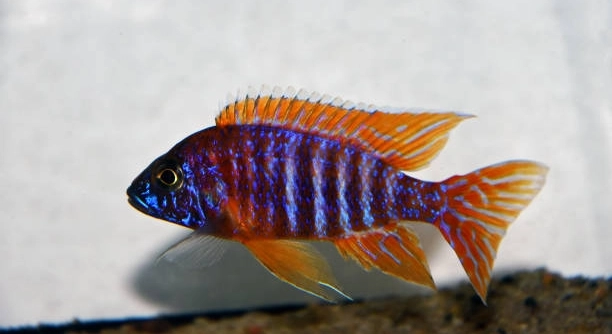
Convict cichlids are small freshwater fish known for their strong family bonds and bold behavior. Many aquarists notice these fish guarding their eggs and fry closely, showing a level of protectiveness uncommon in other small fish.
Convict cichlids exhibit protective behavior due to instinctive parental care. Both male and female fish guard their territory and offspring to increase survival chances, responding aggressively to perceived threats in their environment and maintaining close proximity to eggs and fry.
Learning about their natural instincts helps you understand why these fish act so defensively. Their behaviors reveal patterns that are important for keeping them healthy and safe in a home aquarium.
Understanding Convict Cichlid Parenting
Convict cichlids are naturally attentive parents, often staying near their eggs and fry for hours. They clean the area, move the young to safe spots, and chase away any fish that come too close. Both males and females share these duties, though their roles can differ slightly. Females usually guard the eggs directly, while males patrol the territory, watching for intruders. Their behavior is driven by instinct, but it can appear almost human in its devotion. Observing them can be fascinating because they seem to plan their actions carefully, adjusting based on the situation. They can recognize threats and act quickly to protect their young. Even minor disturbances in the tank can trigger defensive actions, showing just how seriously they take their parenting. Over time, these behaviors help ensure that more fry survive, which is vital for the species’ continuation. Watching them interact can give valuable insight into natural fish behavior in a controlled environment.
Parental instincts in convict cichlids are strong and precise, making them highly attentive to any changes in their tank surroundings.
The protective behaviors of convict cichlids also affect tank setup and care. Tankmates must be chosen carefully, as aggressive or overly curious fish can trigger defensive actions. Providing hiding spots, flat rocks, and gentle water flow can reduce stress and allow the cichlids to focus on raising their fry. Feeding schedules also matter because well-fed parents are calmer and less likely to react aggressively. Many keepers notice that as fry grow, parents gradually relax, though they remain watchful. Understanding these patterns helps create a stable environment, preventing accidents and ensuring healthy growth for both adults and young. Adjusting conditions based on natural behaviors improves success in keeping these fish and makes observing them more enjoyable.
Signs of Overprotectiveness
Overprotectiveness is common and usually visible through constant chasing or cornering of other fish.
Convict cichlids may become extremely territorial, especially when fry are small. They guard every inch of their chosen area, often patrolling repeatedly and responding to any movement. This behavior can stress tankmates and requires careful monitoring to prevent injuries. Recognizing signs like constant chasing, flared fins, and persistent hovering near eggs helps determine when intervention is needed. Adjusting decorations, adding hiding spaces, or separating particularly vulnerable fish can reduce tension. Over time, as fry grow and become more independent, the intensity usually decreases. Learning to read these signals ensures a safer tank for all inhabitants and supports the cichlids’ natural instincts without causing harm. Observing without interfering too much lets them display normal behavior while keeping the tank balanced and harmonious.
Tank Environment and Safety
Proper tank setup reduces stress and aggression in convict cichlids. Rocks, caves, and plants give them hiding spots. Open swimming space is important for fry and adults.
Providing multiple hiding areas allows cichlids to feel secure while reducing conflicts. They prefer a combination of flat surfaces for eggs and secluded spots for fry. Hardscape materials like slate or smooth stones work well, as they can clean them easily. Avoid overcrowding the tank, as tight spaces increase aggression. Gentle water flow is preferred because strong currents can disturb both parents and fry, causing unnecessary stress. A stable environment helps maintain natural behavior without excessive hostility toward other fish. Monitoring water quality and temperature also supports their health and encourages calm, protective parenting, making the tank easier to manage.
Proper water parameters are critical for convict cichlids’ health and behavior. Temperatures between 75–80°F and slightly hard, neutral water mimic their natural habitat. Consistent filtration keeps ammonia and nitrite levels low, which prevents stress-induced aggression. When water conditions fluctuate, parents may overreact to minor disturbances, increasing defensive actions. Feeding should be regular and balanced; a well-fed pair is less likely to chase tankmates aggressively. Observing how they interact with the environment allows adjustments that improve both fry survival and adult health. Simple measures, like stable lighting and minimal sudden movements near the tank, can reduce unnecessary conflicts and maintain harmony in the aquarium.
Fry survival also depends on safe zones within the tank. By placing hiding spots near open areas, parents can guard young while keeping the environment calm. Fry learn to swim and feed safely with less risk.
Feeding and Nutrition
Balanced nutrition keeps convict cichlids healthy and focused on parenting duties. A mix of protein-rich pellets, frozen foods, and occasional vegetables meets their needs.
Feeding both parents and fry properly influences behavior. Parents with adequate nutrition are calmer, while well-fed fry grow faster and are less vulnerable. Overfeeding can cause water quality issues, so portions must be measured carefully. Live foods, like brine shrimp, encourage natural hunting instincts and support growth. Fry benefit from finely crushed pellets or micro-foods to match their tiny mouths. Observing feeding habits helps identify if adults are stressed or fry are not eating enough. Proper nutrition reduces aggressive tendencies, supports development, and enhances overall health, making protective behavior less extreme and easier to manage. Balanced diets also ensure cichlids maintain energy to guard eggs and fry efficiently.
Recognizing Stress Signals
Convict cichlids show stress through flared fins, rapid swimming, or hiding constantly. Stress can affect parenting and overall health.
Unstable water conditions, aggressive tankmates, or lack of hiding spots often cause these behaviors. Watching closely helps catch problems early and keep the fish safe.
Fry Development and Independence
As fry grow, parents gradually allow them more freedom. Initially, fry stay close to their parents for protection. Over several weeks, fry begin exploring and learning to feed on their own. Parents continue monitoring from a distance, ready to intervene if danger arises. This period is crucial for fry to develop swimming skills, social behaviors, and feeding habits. Observing this stage helps aquarists adjust tank conditions, such as adding small food portions or extra hiding areas. Supporting fry development while maintaining calm parents ensures higher survival rates and less aggressive behavior in the tank, making care easier and more predictable.
Handling Aggressive Behavior
Separating overly aggressive fish temporarily reduces risk of injury and stress.
FAQ
Why are convict cichlids so protective of their fry?
Convict cichlids are naturally attentive parents. Their protectiveness comes from instinct. Both males and females guard the eggs and fry to improve survival chances. They respond to anything they see as a threat, even small movements near the tank. This behavior is normal and helps maintain healthy fry populations.
Do both parents participate in protection?
Yes. Female cichlids usually stay closer to the eggs and fry, cleaning the area and moving the young when necessary. Males patrol the territory, chasing away intruders. Both parents coordinate without verbal communication, using visual cues and body language to ensure the fry remain safe.
How can I reduce aggression toward other tankmates?
Providing hiding spots and open swimming areas can lower stress. Avoid overcrowding and choose calm tankmates. Keeping water parameters stable and feeding consistently also helps. Over time, parents become less aggressive as fry grow, but creating a safe environment is essential from the start.
When should I intervene if parents are too aggressive?
If parents constantly attack other fish or fry appear injured, intervention may be needed. Temporary separation or rearranging tank decorations can reduce stress. Monitoring interactions closely ensures adults maintain natural behaviors while preventing harm to vulnerable fish.
How long do parents remain protective?
Protection is strongest in the first few weeks after hatching. As fry grow and become more independent, parents gradually relax. By the fourth or fifth week, they often allow fry to explore while still watching closely. Behavior varies depending on tank conditions and stress levels.
What is the best diet for protecting parents and fry?
Balanced nutrition keeps parents calm and fry growing properly. Protein-rich pellets, frozen foods, and occasional vegetables work well. Fry benefit from finely crushed pellets or micro-foods. Overfeeding can hurt water quality, so measure portions carefully. Live foods like brine shrimp encourage natural instincts and growth.
How do I set up a safe tank environment?
Rocks, caves, and plants give hiding spots for fry and adults. Flat surfaces help females lay eggs safely. Avoid tight spaces or strong currents that stress the fish. Stable water temperature, gentle filtration, and regular maintenance reduce stress and encourage natural protective behavior.
Can protective behavior cause health issues?
Excessive stress from constant threat perception can weaken immune systems. Overly aggressive adults may injure themselves or other fish. Providing space, hiding spots, and a calm environment reduces risk while allowing parents to guard naturally without compromising health.
Do fry learn from observing their parents?
Yes. Fry watch parents to learn feeding and swimming skills. Protective behavior encourages fry to stay close and practice safe movement. As they grow, they gradually explore more, developing independence while retaining the security of nearby parents.
How do I know when it’s safe to remove fry?
Fry are generally ready to be separated when they are strong swimmers and feed reliably on their own. At this stage, parents may still watch but are less defensive. Gradual removal helps fry adapt without causing stress for adults or young fish.
Are all convict cichlids equally protective?
Individual behavior can vary. Some pairs are more aggressive, while others are calmer. Factors include genetics, tank conditions, stress levels, and previous breeding experience. Observing each pair carefully helps tailor care for both adults and fry.
Can tank decorations influence protective behavior?
Yes. Proper hiding spots reduce stress, while crowded or exposed areas increase aggression. Providing caves, plants, and flat rocks allows parents to guard effectively and fry to hide safely, supporting natural instincts while maintaining a calmer environment.
How often should I monitor protective behavior?
Daily observation is best, especially during fry development. Watch for aggression, stress signs, and feeding habits. Regular checks allow early adjustments to tank conditions, feeding, or separation to maintain health and reduce unnecessary conflicts.
What signs show fry are safe and thriving?
Healthy fry swim actively, feed regularly, and avoid excessive hiding. Parents remain watchful but less aggressive. Water quality and nutrition also affect their growth. Consistent care ensures fry develop properly and protective behavior gradually decreases.
Can protective behavior be stressful for the parents?
Yes, if conditions are poor. Crowded tanks, unstable water, or aggressive neighbors increase stress. Providing adequate space, hiding spots, and proper nutrition helps parents guard effectively without becoming overly anxious or aggressive.
How can I encourage natural behavior without risking fry?
Maintain stable water conditions, provide hiding spots, and choose compatible tankmates. Feed adults and fry appropriately. Allow parents to patrol and guard naturally but intervene if aggression risks injury. Observing patterns helps balance safety and natural instincts.
Does tank size affect protection?
Smaller tanks often increase aggression because space is limited. Larger tanks allow territory division, giving fry safe zones. Providing areas for adults to patrol without constant confrontation supports calmer, more effective protective behavior.
What’s the typical lifespan of convict cichlids?
Convict cichlids generally live 7–10 years with proper care. Protective behavior is strongest in early adulthood when they breed. As they age, they may remain territorial but usually show less intensity toward fry and other tankmates.
Are there signs that protective instincts are unusually strong?
Extreme aggression toward any movement near the fry or constant chasing of tankmates indicates heightened defensiveness. Stress, overcrowding, or inexperienced parents can worsen this. Adjusting the environment and providing safe hiding spaces helps moderate behavior without disrupting natural instincts.
How do water changes affect protective behavior?
Sudden water changes can stress parents, triggering aggression. Gradual, regular changes are better. Maintaining stable temperature and water chemistry keeps parents calm and focused on fry, reducing unnecessary conflict and improving overall tank harmony.
Is it normal for parents to fight each other?
Mild disagreements can happen, usually over territory. Strong fights are uncommon unless stressed or overcrowded. Providing enough space and hiding spots reduces conflicts and ensures parents continue cooperative protection of the fry.
Can protective behavior affect feeding routines?
Yes. Aggressive parents may chase fry away from food or block other fish. Feeding small amounts in multiple locations helps fry eat safely while adults remain focused on guarding, preventing nutritional issues and reducing tension in the tank.
How can I tell if protective behavior is improving?
Parents become less aggressive, fry explore more confidently, and attacks on tankmates decrease. Monitoring behavior over weeks shows gradual relaxation. Supporting this with proper tank setup, nutrition, and care ensures both adults and fry remain healthy while natural instincts continue.
Are there seasonal differences in protective behavior?
In home aquariums, seasonal changes are less relevant. Breeding cycles influence intensity more than actual seasons. Protective behavior peaks during egg and early fry stages, then gradually decreases as fry mature and adults adjust to tank conditions.
Does the number of fry affect parental behavior?
Yes. Larger broods can increase vigilance, as parents spread attention to protect all fry. Smaller broods may result in calmer behavior, though parents still monitor closely. Tank space and hiding areas help manage larger groups without excessive stress.
Can introducing new tankmates disrupt protection?
New fish often trigger defensive behavior. Parents perceive intruders as threats, especially near eggs or fry. Introducing tankmates gradually and providing hiding spots minimizes stress, allowing parents to continue guarding naturally without risking injury to themselves or the fry.
Is it normal for parents to dig or move objects?
Yes. Digging and rearranging substrate are part of territory and nest management. Parents move objects to create safe spots for eggs and fry. This behavior is instinctive and shows they are actively caring for their young, ensuring survival in their environment.
How do I know if protective behavior is harming other fish?
Signs include injuries, constant chasing, or stressed tankmates hiding excessively. Adjust tank layout, separate vulnerable fish, and monitor interactions. Proper care reduces harm while letting parents maintain natural guarding behavior.
What equipment helps manage protective behavior?
Caves, rocks, and plants create safe zones. Gentle filtration, heaters, and stable lighting reduce stress. Thermometers and test kits ensure water quality. Observation tools like clear tanks or small viewing areas help track behavior without disturbing the fish.
Can stress from overprotectiveness be temporary?
Yes. Adjusting tank conditions, feeding, and space often reduces stress. Once fry grow and parents relax, aggression usually decreases. Supporting natural behavior while managing stress ensures healthy adults and fry.
Are there signs parents are too relaxed?
If fry are exposed to constant attacks from tankmates or wandering without supervision, parents may be under-engaged. Providing appropriate cues, hiding spots, and observing interactions helps maintain balance between protection and independence.
Do convict cichlids protect eggs differently than fry?
Eggs require more constant guarding, as they are immobile and vulnerable. Fry are more mobile but still need supervision. Parents adjust behavior to each stage, balancing vigilance with allowing exploration as fry develop.
Can protective behavior vary by individual fish?
Yes. Genetics, experience, and environment influence intensity. Some pairs are naturally calm, while others are more defensive. Observing individual patterns helps customize care to reduce stress and improve survival rates.
How long does it take for protective behavior to normalize?
Typically a few weeks after fry become independent. Behavior gradually returns to standard territorial instincts rather than constant defense. Tank conditions, space, and feeding all influence the timeline. Regular observation ensures smooth transition.
Is it normal for parents to chase fry occasionally?
Yes, occasional herding or nudging keeps fry safe. Consistent aggression is different and may indicate stress or overcrowding. Monitoring interactions ensures normal guidance without harm to young fish.
How can I balance natural behavior with tank safety?
Provide hiding spots, proper feeding, compatible tankmates, and stable conditions. Observe daily, intervene only when necessary, and allow parents to express protective instincts without risking injuries. Small adjustments create a safe and balanced environment.
Do parents ever stop protecting fry completely?
Once fry are strong swimmers and feeding independently, parents usually relax. Monitoring behavior ensures fry remain safe, but natural instincts taper off, allowing both adults and young to coexist calmly.
Can protective behavior affect breeding cycles?
High stress from tank conditions or aggressive neighbors may delay or disrupt future breeding. Maintaining calm, stable environments supports both protection and successful reproduction.
Are there tools to monitor fry health during protection?
Yes. Observing feeding habits, growth, and swimming patterns is key. Clear tanks, careful feeding, and gentle observation allow tracking without disturbing natural parental behavior.
How often should water testing be done?
Regularly, ideally weekly for ammonia, nitrite, and pH. Stable water reduces stress and prevents overreaction from parents. Proper testing ensures a safe environment for fry and adults alike.
Do protective instincts fade with age?
Yes, adults may remain territorial but are less intense in guarding fry as they age. Experience and repeated breeding also influence how parents manage offspring over time.
What’s the most common mistake aquarists make with protective parents?
Overcrowding, sudden changes, or aggressive tankmates often cause unnecessary stress. Providing space, hiding spots, and stable conditions supports natural behavior while reducing risk to fry and other fish.
How do I encourage cooperation between parents?
Adequate space, balanced feeding, and calm tankmates help both parents focus on protection. Observing interactions and providing multiple hiding spots supports teamwork without conflict.
Can protective behavior vary by breeding cycle?
Yes. The first breeding may see heightened aggression, while experienced parents often show calmer, more coordinated behavior. Adjusting care for each cycle supports survival and reduces stress.
Are there signs parents are overprotective due to stress?
Constant attacks on tankmates, excessive digging, and flared fins indicate stress-driven overprotectiveness. Environmental adjustments often resolve the issue, restoring balanced guarding behavior.
Can protective instincts be influenced by tank lighting?
Bright or sudden lighting changes can trigger defensive actions. Consistent, gentle lighting reduces stress and allows parents to guard naturally without overreacting.
Do both parents eat while guarding fry?
Yes, but feeding may be interrupted by perceived threats. Small, frequent meals and easy-to-access food help maintain nutrition without compromising protection.
How do I transition fry to independence safely?
Gradually reduce parental access by adding barriers or increasing space. Ensure fry have hiding spots and sufficient food. Monitor closely until they feed and swim confidently on their own.
Can protective behavior affect social hierarchy in the tank?
Yes. Territorial adults can dominate space and food, influencing other fish’s behavior. Proper tank layout, hiding spots, and careful monitoring maintain balance and reduce conflict.
Are some tankmates safer than others with protective cichlids?
Yes. Calm, non-territorial species that stay in different tank areas reduce stress. Aggressive or fast-moving fish increase defensive responses and should be avoided.
How do I know if protective behavior is natural or stress-induced?
Natural behavior includes guarding eggs and fry without harming adults. Excessive aggression, constant chasing, or frantic movements usually signal stress. Adjusting environment, feeding, and tankmates restores balance.
Can protective instincts carry over to other tanks?
Parents may remain territorial in new tanks if breeding continues. Observing behavior and providing space helps maintain natural guarding without unnecessary aggression.
Is it normal for parents to rearrange fry during protection?
Yes. Moving fry to safer spots is instinctive. This behavior ensures fry avoid danger, stay within protective zones, and have access to food, supporting survival in early stages.
Do protective behaviors differ between first-time and experienced breeders?
Experienced parents often coordinate better and may be less aggressive. First-time breeders may overreact to minor disturbances, requiring closer observation and careful tank setup.
How can I tell if fry are stressed despite parental protection?
Signs include hiding excessively, refusing food, or sluggish swimming. Even with protective parents, environmental factors can cause stress. Adjusting hiding spots, feeding, and tank conditions improves fry comfort.
Can water temperature changes trigger overprotectiveness?
Yes. Sudden drops or rises stress adults, leading to excessive chasing or guarding. Maintaining consistent temperature supports natural behavior and reduces unnecessary aggression.
Are protective behaviors instinctive or learned?
Primarily instinctive. Parents react to threats and guard offspring without prior experience. However, repeated breeding can refine coordination and efficiency in protecting fry.
How do I manage multiple pairs in the same tank?
Separate territories with decorations and hiding spots. Overcrowding increases aggression. Monitor interactions closely to prevent conflicts and ensure all fry remain safe while parents express natural protective instincts.
Can protective instincts interfere with daily tank maintenance?
Sometimes. Parents may react aggressively during cleaning or water changes. Minimizing disturbance and performing gradual maintenance reduces stress while maintaining a safe environment for fry.
Do protective instincts fade after fry are removed?
Yes, adults usually return to normal territorial behavior. Temporary overprotectiveness resolves once fry are independent, but some territorial guarding remains part of their nature.
Are there differences in protection between male and female cichlids?
Females focus on direct guarding of eggs and fry, while males patrol territory. Both roles are important, and coordination ensures fry survival without unnecessary aggression.
Can protective behavior be modified through tank design?
Yes. Hiding spots, flat surfaces for eggs, and clear swimming space help regulate intensity. Proper layout allows natural guarding while minimizing stress for adults and fry.
How do I know when parents are ready to breed again?
Adults appear healthy, well-fed, and exhibit territorial behavior. Proper tank conditions and recovery time after fry independence support readiness for another breeding cycle.
What is the safest way to observe protective behavior?
Use clear tank areas and minimal movement near the tank. Watch interactions without disturbing the fish, allowing natural behavior to continue while monitoring health and fry safety.
How long should fry remain with parents?
Usually 4–6 weeks, depending on growth and swimming ability. Gradual separation ensures fry develop independence without risking stress or injury.
Does protective behavior ever disappear completely?
No, adults remain territorial, but intensity decreases once fry are independent. Proper tank management ensures balanced behavior without excessive aggression.
Are there signs of abnormal protective behavior?
Extreme aggression toward all tankmates, constant chasing, or ignoring fry signals stress or poor conditions. Adjusting the environment and feeding often restores normal instincts.
How can I prevent conflicts between protective parents and other fish?
Provide space, compatible tankmates, hiding spots, and calm conditions. Observing behavior and intervening only when necessary reduces injuries while maintaining natural guarding instincts.
Do protective behaviors differ by water hardness or pH?
Yes. Convict cichlids prefer slightly hard, neutral water. Unstable parameters increase stress, leading to heightened aggression. Maintaining consistent conditions supports natural protective behavior.
Can protective behavior affect breeding success?
High stress from aggressive parents or poor conditions may reduce egg laying or fry survival. Stable environment, proper nutrition, and minimal disturbance improve reproductive success.
Is it normal for parents to “hover” over fry constantly?
Yes. Hovering ensures fry stay safe and within the protected area. As fry grow, parents reduce this behavior while still monitoring them from a distance.
How do I reduce parental stress without removing fry?
Provide hiding spots, stable water, proper nutrition, and calm tankmates. Gradual adjustments maintain natural guarding while reducing overprotectiveness and improving overall tank harmony.
Are there signs fry are thriving under protection?
Active swimming, regular feeding, healthy growth, and reduced hiding indicate successful parental care. Consistent observation ensures both fry and adults remain healthy.
Can protective instincts cause conflicts among multiple fry groups?
Yes. Territorial adults may defend space aggressively. Adequate hiding spots, tank size, and careful observation prevent fights while maintaining safe areas for all fry.
How often should I observe feeding to check protection?
Daily observation is ideal. Ensure fry eat safely and parents are not overly aggressive. Small, frequent feedings help maintain nutrition and calm behavior.
Do protective behaviors change after multiple breeding cycles?
Yes. Experienced adults often coordinate better and show calmer behavior, though territorial instincts remain. Observation and tank management support balanced protection for new fry.
Are there any long-term effects of constant protection on adults?
Chronic stress may weaken immune systems. Providing space, hiding spots, and proper nutrition reduces risk, allowing adults to maintain natural behavior without health issues.
How do I know when protective behavior is appropriate?
Parents guard eggs and fry without causing harm to themselves or other fish. Excessive chasing, stress, or injury signals overprotectiveness requiring intervention.
Can protective instincts influence tank layout choices?
Yes. Parents need flat surfaces for eggs, caves for fry, and open space for patrolling. Proper layout allows natural guarding while reducing conflicts with tankmates.
Do protective instincts ever interfere with tank cleaning?
Yes, adults may become defensive during maintenance. Gradual, gentle cleaning minimizes stress while allowing fry to remain safe and adults to maintain natural behavior.
Are there differences in protection between first-time breeders and experienced pairs?
Yes. First-time parents may overreact, while experienced pairs coordinate better
Convict cichlids are fascinating fish because of their strong parental instincts. Watching them care for eggs and fry shows a level of attention and protectiveness that is uncommon in many other aquarium fish. Both males and females play important roles, with the female usually staying close to the eggs and the male patrolling the surrounding area. This teamwork helps ensure that the fry have a better chance of survival. Their behavior is guided by instinct, but it can feel very deliberate, almost as if they are carefully planning how to keep their young safe. Understanding these natural behaviors allows aquarists to provide better care and a suitable environment for both adults and fry.
Creating the right tank environment is essential to support protective behavior without causing stress. Convict cichlids feel more secure when they have hiding spots, flat surfaces for eggs, and open areas to swim. Plants, rocks, and caves provide shelter for fry and give adults a sense of territory. Maintaining stable water conditions, gentle filtration, and proper temperature also contributes to a calmer environment. Feeding plays a key role as well. Well-fed parents are less likely to react aggressively, and fry grow faster when they have access to appropriate food. By observing their daily habits, aquarists can notice signs of stress or overprotectiveness and make small adjustments to the tank setup, feeding schedule, or tankmates to reduce tension.
Protective behavior is a natural part of convict cichlid parenting, and it usually decreases as fry grow and become more independent. Adults gradually allow fry to explore, swim, and feed on their own while still keeping a watchful eye. Even as their protective instincts relax, territorial behavior remains part of their nature. Understanding the balance between natural defense and environmental stress is important for keeping a healthy aquarium. Providing adequate space, hiding spots, stable water conditions, and a balanced diet allows parents to guard effectively while avoiding unnecessary aggression. Observing their behavior over time helps aquarists learn how to support both the adults and fry, ensuring a safer, calmer, and more predictable environment in the tank. This knowledge makes caring for convict cichlids more manageable and allows the fish to display their natural protective instincts without compromising health or safety.

Hello,
If you enjoy the content that we create, please consider saying a "Thank You!" by leaving a tip.
Every little bit helps us continue crafting quality advice that supports the health, happiness, and well-being of pets around the world, for pets of all shapes, sizes, and species.
We really appreciate the kindness and support that you show us!