
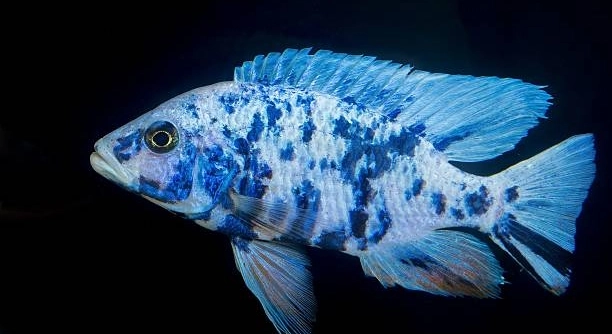
Convict cichlids are small, lively fish often kept in home aquariums. Their bright patterns and active behavior make them interesting to watch, as they swim around, interact with each other, and establish their territories.
Convict cichlids exhibit both playful and aggressive behaviors, depending on social hierarchy and environmental conditions. Their interactions can include chasing, nipping, and displays of dominance, which serve both social and survival purposes within their habitat.
Observing their movements can reveal a mix of curiosity and territorial instincts, giving insight into their unique behaviors and interactions in the tank.
Understanding Convict Cichlid Behavior
Convict cichlids are fascinating because they show a wide range of behaviors. In a tank, they can appear playful, swimming quickly, exploring corners, and sometimes nudging objects or each other gently. These actions often look like games, especially when juveniles interact, chasing and circling one another. However, adult convict cichlids often establish strong territories, which leads to aggressive displays. Chasing, biting, and flaring fins are common signs of dominance. Their behavior is influenced by space, tank mates, and breeding instincts. Providing hiding spots and enough room can reduce tension and prevent constant fights. Observing carefully helps distinguish between playful curiosity and territorial aggression. Feeding routines can also trigger interactions, as competition over food may lead to short bursts of chasing. Overall, their behavior is a mix of instinct and social dynamics, reflecting their survival strategies and natural tendencies in both small and large tanks.
Their actions can be playful, but aggression usually dominates when space is limited or breeding occurs.
Watching these fish can be both entertaining and informative. It helps recognize patterns, anticipate aggression, and create a balanced environment that meets their needs while reducing stress.
Play vs. Aggression
Juvenile convict cichlids tend to interact more gently, exploring their environment and following each other without causing harm. They may chase one another lightly, touch fins, or mimic movements, which appears playful but often helps them learn boundaries.
Adult convict cichlids show more structured aggression. When preparing to breed, they fiercely guard territories and eggs. Males and females patrol their area, chase intruders, and use body displays to intimidate rivals. Tank setup greatly affects this behavior. Insufficient space, lack of hiding places, or overcrowding amplifies aggressive encounters. Providing rocks, plants, and separate zones can reduce stress and encourage more neutral interactions. Feeding schedules also play a role; consistent feeding reduces fights over resources. Despite occasional fights, these fish are intelligent and adaptive, displaying problem-solving when navigating their environment or competing for food. Observing these patterns allows caretakers to support healthy behavior, ensuring the fish remain active, alert, and less stressed, while also maintaining harmony in the tank.
Signs of Playful Behavior
Juvenile convict cichlids often swim together in short bursts, chase lightly, and circle one another without causing harm. They may nibble softly or push objects around, exploring their environment while testing coordination and reflexes. These interactions are brief and rarely escalate into aggression.
Playful behavior helps young cichlids develop motor skills and social awareness. When they interact gently, they learn boundaries and establish familiarity with tank mates. Swimming in synchronized patterns, following each other, or nudging objects are common signs. Light chasing and gentle fin contact indicate curiosity rather than territorial disputes. Observing these behaviors allows careful monitoring, ensuring juveniles have space to grow and interact safely.
Even during play, convict cichlids remain alert. They pause, assess surroundings, and adjust movements quickly. This attentiveness helps them avoid potential threats and strengthens instincts that will be used in adult interactions and territorial defense. Play serves as a foundation for future social dynamics in the tank.
Indicators of Aggression
Adult convict cichlids flare their fins, chase aggressively, and bite when defending territory. They patrol borders continuously, often targeting intruders and showing dominance through posture.
Aggressive interactions increase when space is limited or hiding spots are scarce. Males and females defend breeding sites, constantly monitoring the area and reacting quickly to movement. Food can trigger short bursts of aggression, particularly if multiple fish compete simultaneously. Observing aggression patterns helps manage tank layout, ensuring rocks, plants, and separate zones reduce stress. Aggression may appear sudden, but it follows predictable triggers, allowing owners to intervene effectively. Maintaining balance between tank mates and territory size minimizes prolonged conflict and protects the well-being of all fish.
In tanks with multiple adults, aggression can be constant but manageable. Monitoring interactions, providing structured environments, and separating overly dominant individuals prevents serious injury. Understanding triggers and subtle body language helps maintain harmony, while ensuring each fish retains enough space to display natural behaviors without excessive stress.
Tank Environment and Its Impact
The layout of a tank greatly affects convict cichlid behavior. Rocks, plants, and hiding spots allow fish to explore safely and reduce stress. Open areas encourage swimming, while dense spots provide refuge during conflicts. Proper design balances play and aggression naturally.
Water conditions also play a role. Clean, well-oxygenated water keeps fish healthy and less irritable. Temperature and pH within ideal ranges support active, calm behavior. Stable conditions reduce sudden aggression and encourage natural interactions, allowing both playful and territorial behaviors to occur safely.
Social Hierarchy
Convict cichlids establish clear hierarchies. Dominant individuals claim prime territories, while subordinates adjust their movements to avoid conflict. This order reduces continuous fighting and helps maintain stability.
Feeding and Behavior
Food availability can trigger interactions. Timed feeding prevents competition, while spreading food evenly reduces chasing. Monitoring behavior during meals helps distinguish between aggression and normal resource management.
FAQ
How can I tell if my convict cichlids are playing or fighting?
Playful behavior is usually brief and gentle. Juveniles may chase each other lightly, circle around, or nudge objects without causing harm. Fighting involves flared fins, biting, and persistent chasing. Observing the frequency and intensity of interactions helps distinguish between harmless play and territorial aggression.
Do adult convict cichlids ever play?
Adults rarely show true play. Most of their interactions are driven by territory, hierarchy, or breeding instincts. Light chasing may appear playful, but it often relates to assessing dominance or defending a space rather than social enjoyment. Juveniles are the ones most likely to engage in genuine play behaviors.
What triggers aggression in convict cichlids?
Aggression is often caused by limited space, lack of hiding spots, or the presence of intruders near their territory. Breeding pairs are especially protective and can become aggressive even in a well-set-up tank. Competition over food or mates also contributes to aggressive displays.
Can aggression be reduced without separating fish?
Yes, modifying the tank layout can help. Adding rocks, plants, and shelters gives fish room to escape or hide. Creating distinct zones reduces constant chasing and allows both dominant and subordinate fish to coexist with less stress. Regular feeding and maintaining clean water also reduce tension.
How do juveniles interact compared to adults?
Juveniles tend to explore and chase lightly, establishing social awareness and motor skills. They rarely cause harm during interactions. Adults are more territorial, focusing on defending resources or breeding areas. Observing juvenile behavior helps predict how adults will eventually assert dominance in the tank.
Is chasing always a sign of aggression?
Not always. Short bursts of chasing can indicate play or curiosity in younger fish. In adults, persistent chasing, biting, or cornering usually signals aggression and territory defense. Careful observation of context and frequency helps determine intent.
Do convict cichlids recognize tank mates?
Yes, they remember other fish and their social positions. This recognition helps maintain hierarchy, as subordinates learn to avoid dominant individuals. Familiarity reduces constant aggression over time, though occasional disputes can still occur when conditions change or new fish are introduced.
How does tank size affect behavior?
Smaller tanks increase conflict because fish cannot establish distinct territories. Larger tanks provide space for multiple zones, reducing confrontations and allowing more natural social interactions. Overcrowding can escalate aggression, while appropriate space encourages a balance between play and defensive behaviors.
Are there signs of stress from aggression?
Stressed fish may hide excessively, lose appetite, show torn fins, or have dull coloration. Long-term stress can affect growth, immunity, and reproductive behavior. Monitoring these signs allows for timely adjustments to tank conditions or social arrangements.
Can feeding routines influence interactions?
Yes, predictable feeding reduces competition, while uneven distribution can trigger chasing. Spreading food across the tank minimizes conflict and allows both dominant and subordinate fish to feed safely. Observing how fish respond during feeding helps identify potential tension points and maintain harmony.
Do all convict cichlids behave the same way?
Individual personalities vary. Some fish are naturally more aggressive, while others remain passive. Genetics, early socialization, and environment influence behavior. Recognizing these differences helps manage interactions effectively and prevents unnecessary stress in the tank.
How long does aggression last during breeding?
Aggression is most intense during egg laying and fry protection. It can last several days to weeks, depending on tank setup and intrusion levels. Providing hiding spots for fry and monitoring interactions helps reduce stress for both parents and other tank inhabitants.
Are there signs that a fish enjoys interacting with others?
In juveniles, following, light nudging, or synchronized swimming can indicate curiosity and engagement. Adults rarely display enjoyment in the same way; most interaction is purposeful, either for territory or breeding. Observing body language and context is key to understanding intent.
Should aggressive fish be separated permanently?
Separation is sometimes necessary if repeated attacks cause injury or stress. Short-term separation during breeding or conflict resolution may be sufficient. Permanent separation is only needed when tank modifications or monitoring cannot maintain a safe environment for all fish.
How important is observation for managing behavior?
Regular observation is essential. Understanding patterns of chasing, feeding, and territory defense allows timely adjustments to tank design, feeding schedules, and social arrangements. Consistent monitoring ensures convict cichlids remain healthy, active, and less stressed while balancing playful and aggressive behaviors.
Can aggression affect other species in a community tank?
Yes, aggressive convict cichlids can stress or injure smaller or less assertive species. Proper tank planning, hiding spaces, and monitoring interactions are critical to prevent bullying and maintain harmony in mixed-species environments.
Final Thoughts
Convict cichlids are fascinating fish with a mix of behaviors that can seem confusing at first. They are active, alert, and highly responsive to their environment. Watching them interact can reveal a lot about their instincts and social structure. Young cichlids often display what looks like playful behavior, chasing each other lightly or nudging objects in the tank. These actions help them develop coordination, explore their surroundings, and learn social boundaries. As they grow, their behavior changes, and interactions become more focused on territory, hierarchy, and reproduction. Understanding this shift is important for anyone keeping these fish. Recognizing when they are playing versus when they are being aggressive allows you to manage the tank environment effectively, creating a space where all fish can thrive without unnecessary stress.
Adult convict cichlids are much more territorial, especially when breeding. Aggression in these fish is natural and often unavoidable, but it can be managed. Providing enough space, creating hiding spots, and dividing the tank into zones can help reduce conflicts. Dominant fish establish territories while subordinates learn to respect these boundaries, which keeps constant fighting to a minimum. Even during feeding, aggression can appear if food is limited or poorly distributed, so spreading food evenly throughout the tank and maintaining a regular feeding schedule can make a significant difference. Observation is key. Paying close attention to their interactions helps you distinguish between normal, instinct-driven behavior and signs of stress or injury. Over time, you will notice patterns that make it easier to predict when aggression might occur and intervene before serious conflicts arise.
Overall, keeping convict cichlids requires attention and understanding of their natural tendencies. They are not just aggressive fish, but creatures with a range of behaviors that include curiosity, play, and social interaction. A well-planned tank environment that accounts for space, hiding spots, and feeding habits can support healthy interactions and reduce stress. Observing their behavior regularly allows you to maintain balance in the tank and ensure both juveniles and adults have opportunities to express natural instincts safely. By learning to read their movements and responses, you gain insight into how they interact with each other and their environment. Convict cichlids are rewarding to watch when given proper care, and understanding their mix of play and aggression makes managing them more predictable and enjoyable.

Hello,
If you enjoy the content that we create, please consider saying a "Thank You!" by leaving a tip.
Every little bit helps us continue crafting quality advice that supports the health, happiness, and well-being of pets around the world, for pets of all shapes, sizes, and species.
We really appreciate the kindness and support that you show us!