
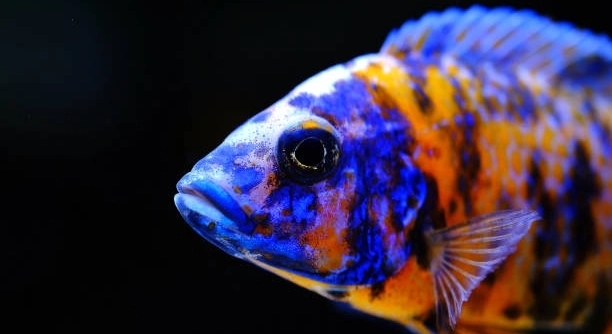
Cichlids are colorful, lively fish that thrive in well-structured environments. Many aquarists focus on water quality and feeding, but often overlook the importance of decorations, plants, and hiding spots for a healthy, balanced tank.
A cichlid tank that is too bare can lead to stress, aggression, and health issues. Providing adequate shelters, visual barriers, and substrate complexity supports natural behaviors and reduces conflict among territorial fish. Proper tank structure is essential for their well-being.
Identifying signs of an under-decorated tank will help improve both fish health and the overall aesthetic of your aquarium. The following insights will guide you in creating a more suitable habitat.
Signs of Increased Aggression
Cichlids are naturally territorial, but a bare tank can make aggression worse. Without adequate hiding spots or visual barriers, fish feel exposed and may attack tank mates more frequently. Even a small addition of rocks, plants, or driftwood can create separate zones, reducing stress and conflict. I’ve noticed that my fish become calmer after introducing simple structures. They often claim different corners or caves, and chasing decreases significantly. Observation is key, as aggression can be subtle at first, like chasing or fin-nipping. Over time, a lack of structure may lead to injuries or persistent stress, which can impact feeding behavior and immune response. Including substrate variations or tall plants gives them a sense of ownership, which encourages natural behaviors like digging and territorial displays in safe ways. Maintaining this environment improves overall tank harmony and reduces the likelihood of long-term injuries. Small adjustments can have noticeable effects on both behavior and appearance.
Properly structured spaces keep dominant fish from constantly intimidating others. Even a few decorations can create safe zones.
Stress and aggression can be prevented by arranging the tank thoughtfully. Rocks, caves, and plants create boundaries that satisfy territorial instincts. Fish feel more secure, and aggression is naturally reduced. Overcrowding or empty areas should be avoided.
Lack of Exploration and Activity
A bare tank limits stimulation for cichlids. Fish may appear sluggish, spending more time hiding in corners or remaining inactive. They benefit from environments that encourage exploration, foraging, and natural behaviors. Even simple additions like small rocks, driftwood, or leaf litter promote activity. I’ve found that my fish become more vibrant and playful when they have places to investigate. When left with nothing to explore, cichlids may show repetitive behaviors, swimming back and forth in the same paths, which can indicate boredom or stress. Substrate changes, plants, or tunnels give them opportunities to dig, explore, and interact safely with their environment. Providing enrichment helps maintain physical health, muscle tone, and mental stimulation. This not only improves their overall appearance but also creates a more dynamic aquarium. Regularly rotating decorations or adding small features can renew interest and keep them engaged over time, enhancing both behavior and tank aesthetics.
Enrichment encourages healthy activity and prevents boredom. Even small environmental changes can make fish more lively.
A stimulating tank is essential for cichlids’ health. Providing varied decorations and plants encourages natural behaviors, promotes exploration, and reduces boredom. Bored or inactive fish may develop stress-related issues. Regular updates to the environment can keep them engaged and active.
Visible Stress Signs
Cichlids in bare tanks often show stress through color fading, clamped fins, or erratic swimming. They may hide constantly or avoid interaction, signaling discomfort. Stress impacts health and behavior, making tank enrichment essential to maintain their well-being and natural appearance.
Stress from a lack of structure can affect cichlids physically and mentally. Prolonged exposure to an empty environment may weaken their immune systems, making them more prone to disease. Fish may refuse food or display nervous behaviors like rapid darting or persistent hovering near the surface. Adding caves, plants, and varied substrate provides hiding spots and breaks sightlines, helping fish feel safe. Over time, they regain vibrant colors, show normal activity, and interact with other tank mates. Simple environmental adjustments significantly reduce chronic stress.
Even subtle stress signs can indicate an unsuitable tank. Continuous monitoring and prompt changes, like adding rocks or plants, improve comfort. Fish respond quickly, returning to healthier, calmer routines and displaying natural behaviors, which benefits both their physical health and overall tank harmony.
Limited Breeding and Territory
A bare tank restricts territories necessary for breeding. Cichlids require defined spaces for courtship and spawning. Without adequate hiding places or substrate, reproduction rates drop and fish may abandon eggs or fry due to stress or exposure.
Territory establishment is vital for cichlid social structure. In a sparsely decorated tank, dominant fish may overrun others, preventing subordinate fish from accessing safe zones. This imbalance reduces mating opportunities and can lead to aggression that jeopardizes eggs or fry. Proper decorations, such as rocks, plants, or caves, create separate territories and visual boundaries, supporting both breeding and natural interactions. Even minimal adjustments can encourage territorial behaviors, helping fish feel secure enough to spawn. Observing fish during these changes often shows increased nesting activity and calmer interactions, indicating an environment conducive to reproduction.
Providing adequate territory ensures healthier reproduction and reduces conflicts. Thoughtful placement of shelters and substrate supports natural breeding behaviors while minimizing stress and aggression among tank mates.
Lack of Hiding Spots
Without adequate hiding spots, cichlids feel exposed and vulnerable. They may spend more time in corners or near the tank bottom, avoiding interactions with other fish. Simple additions like rocks, caves, or tall plants provide essential shelter and reduce stress.
Hiding spots also help subordinate fish escape aggression from dominant tank mates. Even small caves or dense plant clusters allow fish to rest and establish personal space. I noticed that after adding just a few decorations, my shy fish began exploring more freely and spent less time constantly hiding. Adequate shelter improves overall tank harmony and supports natural behavior.
Increased Boredom
A bare tank limits stimulation, causing cichlids to appear lethargic or uninterested in their surroundings. Adding decorations and varied substrate encourages exploration and activity, keeping them physically and mentally engaged.
Poor Physical Health
Fish in empty tanks often show slower growth or weaker musculature due to lack of exercise. They rely on environmental interaction to maintain strength. A varied setup encourages movement and natural foraging behaviors, improving overall physical condition.
Reduced Color Vibrancy
Cichlids in bare environments may lose brightness and appear dull. Color fading is often linked to stress and insufficient stimulation, which can be reversed by adding proper tank structure.
How do I know if my cichlid tank is too bare?
A tank is often too bare if your fish are showing stress behaviors such as hiding constantly, chasing each other aggressively, or swimming erratically. Other signs include faded colors, clamped fins, or lack of activity. Observing these behaviors regularly helps identify when the environment needs improvement. Adding rocks, plants, or caves can quickly change the tank’s dynamic.
What types of decorations are best for cichlids?
Cichlids benefit from rocks, caves, driftwood, and dense plants. Rocks and caves provide hiding spots and break up sightlines, reducing aggression. Driftwood offers natural texture and surfaces for exploration. Live plants give cover and improve water quality, while artificial plants can also be used if maintenance is a concern. Variety is key; combining different elements encourages natural behaviors like digging, exploring, and establishing territories. Even simple decorations placed thoughtfully can make a noticeable difference in fish activity and stress levels.
How many hiding spots should I provide?
Each fish should have access to at least one hiding spot, but more is better in community or crowded tanks. Subordinate fish need safe spaces to retreat from dominant individuals. Caves, rock stacks, and dense plants distributed around the tank create multiple zones. I often notice that after adding just a few extra shelters, my shy fish become more active and confident, reducing constant hiding and aggression. Providing enough options prevents territorial disputes and supports natural behavior.
Can bare tanks affect breeding?
Yes. Cichlids require defined territories and secure spaces for courtship and spawning. A lack of hiding spots or substrate can prevent them from laying eggs or protecting fry. Even minimal additions like rocks or a cave can create safe breeding areas. Over time, a properly structured tank increases the chances of successful reproduction, reduces stress, and allows fish to display natural parental care behaviors.
Will adding decorations reduce aggression?
Decorations reduce aggression by breaking sightlines and creating separate territories. Dominant fish cannot see the entire tank, which limits bullying behavior. Subordinate fish can escape easily, and the overall environment feels less threatening. Even simple rearrangements of rocks or plants can calm overly aggressive fish and improve interactions between tank mates. I’ve seen dramatic improvements in behavior after just a few adjustments.
How should I arrange decorations for cichlids?
Place rocks, caves, and plants to create zones and visual barriers. Leave open swimming areas in the center but provide hiding spots along the edges. Vary the height and type of decorations to encourage exploration. Avoid overcrowding, which can increase stress, but ensure enough structure for each fish to claim a personal space. Rearranging decorations occasionally can stimulate activity and prevent boredom. Observing fish movement helps identify where additional cover or adjustments are needed.
Can substrate help with tank activity?
Yes, substrate encourages digging and natural foraging. Sand or fine gravel allows cichlids to dig and sift, which is essential for mental stimulation. Varying the substrate depth and type creates interest and supports natural behaviors. I often notice my fish are more active and engaged after substrate adjustments, spending time exploring and rearranging their environment. Proper substrate also enhances breeding potential and gives fry a safer space to hide.
Are live plants necessary in a cichlid tank?
Live plants are not strictly necessary but are highly beneficial. They provide cover, reduce stress, and improve water quality by absorbing nutrients. Certain hardy plants can withstand digging and nibbling. If live plants are difficult to maintain, artificial plants can provide similar hiding spots and enrichment. Variety in plant placement encourages exploration, creates shade, and gives fish opportunities to establish territories. A mix of plants and hardscape works best for both aesthetics and fish behavior.
How often should I update my tank’s decorations?
Regularly updating or rearranging decorations every few months keeps the environment stimulating. Even small changes, like moving a rock stack or adding a plant cluster, encourage exploration and reduce boredom. Frequent observation allows adjustments based on fish behavior, ensuring each individual feels secure and active. I’ve found that minor tweaks often improve activity and reduce stress without causing confusion or conflict.
Can too many decorations be a problem?
Yes, overcrowding limits swimming space and can increase stress. Decorations should provide hiding spots and visual barriers but still leave open areas for movement. Too many items can lead to territorial disputes and make maintenance difficult. Balancing structure with open space ensures both activity and comfort for all fish. Observing how fish interact with the layout helps determine the right amount.
What’s the quickest way to improve a bare tank?
Start by adding a few rocks, caves, or plant clusters along the tank edges. Rearrange these items to create visual barriers and territories. Introduce substrate if it’s missing to encourage natural digging. Even small adjustments can immediately reduce stress and aggression. Observing how fish respond allows further tweaks to optimize comfort and behavior.
Cichlids thrive in environments that provide both security and stimulation. A bare tank may seem easier to maintain, but it can lead to stress, aggression, and unhealthy behaviors. Observing your fish closely is essential, as subtle changes in activity, color, or interactions often indicate discomfort. By adding rocks, caves, plants, or varied substrate, you can create a more balanced habitat that supports natural behaviors. Even small adjustments, such as a single cave or a cluster of plants, can make a noticeable difference in fish well-being. Proper tank structure not only reduces stress but also encourages exploration, foraging, and normal social interactions among cichlids. I have seen firsthand how shy or stressed fish become more confident and active once they have adequate hiding spots and visual boundaries. Their colors return to vibrant shades, and aggressive chasing is significantly reduced. These improvements demonstrate how environmental enrichment directly impacts fish health, behavior, and overall harmony in the tank.
Maintaining a well-structured tank requires planning and observation. Cichlids are territorial, and giving each fish access to safe zones helps prevent fights and injuries. Decorations and plants should be arranged to break sightlines, creating multiple territories and hiding spaces. Substrate encourages digging and exploration, which is important for physical activity and mental stimulation. Regularly checking fish behavior can help identify areas of the tank that may need adjustment. Sometimes, simple rearrangements of rocks or adding a few new plants is enough to make the environment more comfortable. Over time, a structured tank will allow breeding behaviors to emerge naturally, as fish feel secure enough to spawn and protect their fry. The right balance of open swimming areas and hidden zones ensures that dominant and subordinate fish can coexist without constant stress. Providing these environmental cues aligns with natural cichlid instincts, which improves health, coloration, and overall vitality.
A tank that is thoughtfully decorated is more than just aesthetically pleasing; it supports long-term well-being for your cichlids. Stress and boredom can be minimized by creating an environment that encourages activity, exploration, and natural behaviors. Even minor additions, such as a small rock stack or a few plant clusters, can transform a bare tank into a dynamic and stimulating habitat. Observing how your fish interact with their surroundings helps guide further improvements and ensures that each individual has access to shelter and space. By prioritizing structure and enrichment, you create a more harmonious environment where cichlids display their natural behaviors, vibrant colors, and confident movements. Ultimately, the effort invested in designing a well-structured tank results in healthier, more active, and happier fish, while also making the aquarium more engaging and visually appealing. A few simple changes can make a lasting difference in both fish welfare and overall tank enjoyment.

Hello,
If you enjoy the content that we create, please consider saying a "Thank You!" by leaving a tip.
Every little bit helps us continue crafting quality advice that supports the health, happiness, and well-being of pets around the world, for pets of all shapes, sizes, and species.
We really appreciate the kindness and support that you show us!