
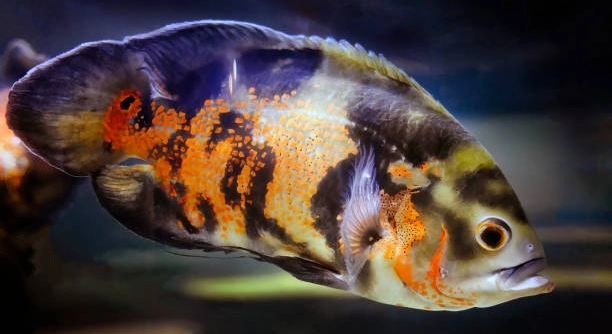
Keeping convict fry as pets can be a fun and rewarding experience. Their small size and striking patterns make them popular, but caring for them requires attention to their diet and feeding habits to ensure healthy growth.
Overfeeding convict fry can lead to slowed growth, increased waste, poor water quality, and a higher risk of disease. Excess food disrupts their digestive system and the tank environment, creating stressful conditions that can affect survival rates.
Proper feeding techniques are essential to maintain a healthy aquarium. Understanding the effects of overfeeding will help you support your fry’s growth and overall well-being.
The Effects of Overfeeding on Convict Fry
Overfeeding convict fry can quickly cause problems in a small tank. Uneaten food decomposes, releasing ammonia and other harmful chemicals that can stress the fry and stunt their growth. Their small bodies cannot process large amounts of food, which can lead to bloating, digestive issues, and even deformities. The tank’s filtration system may become overwhelmed, making water maintenance more difficult and increasing the need for frequent water changes. Overfed fry often compete less efficiently for food because dominant fry may eat more, leaving weaker ones malnourished. This imbalance can slow overall development and increase vulnerability to disease. It’s also important to monitor the fry closely, as signs of overfeeding like lethargy, faded coloration, or swollen abdomens appear quickly. Maintaining a measured feeding schedule with small, frequent portions helps prevent these issues. By understanding the effects of excess food, caretakers can maintain a healthier environment and stronger, more resilient fry.
Even a small extra portion of food can disrupt the balance of the tank and harm the fry’s health.
Monitoring feeding carefully is key. Consistent observation allows you to notice subtle changes in behavior or appearance, helping prevent long-term problems. Adjusting portions gradually ensures each fry gets the nutrients needed for steady growth. Avoid adding more food than they can consume in a few minutes, and remove leftovers promptly. Overfeeding is often accidental, but with attention, it can be avoided. Feeding strategies can also vary depending on age and tank size. Younger fry need more frequent small meals, while older fry can handle slightly larger portions. Keeping water clean through partial changes reduces the impact of any accidental overfeeding. A balanced approach helps fry develop properly while keeping the aquarium safe and stable. Learning to recognize signs of overfeeding early allows you to intervene before serious health problems occur, supporting a strong, thriving population.
Managing Feeding for Healthy Growth
Overfeeding leads to poor water conditions, so careful portion control is essential.
Controlling feeding begins with understanding how much the fry can eat at once. Providing only what they can finish in a few minutes prevents leftover food from polluting the water. A regular schedule with small, frequent meals is ideal, especially for newly hatched fry. Observing how fast they eat and adjusting accordingly ensures each fry receives adequate nutrition. Cleaning the tank and monitoring water quality are just as important as controlling portions. Using high-quality fry food supports proper development, while avoiding excess treats or adult fish food prevents digestive stress. Careful planning of feeding routines, combined with regular water maintenance, can reduce disease risk and improve survival rates. Over time, you will notice more consistent growth, active fry, and fewer water issues. Maintaining this balance makes the tank easier to manage and ensures your convict fry have the best chance to thrive in a safe, healthy environment.
Signs of Overfeeding
Swollen abdomens, faded colors, and lethargy are common signs of overfed convict fry. Uneaten food in the tank can also indicate overfeeding. Monitoring these signals helps prevent long-term health problems and keeps the tank environment stable.
Digestive issues are another consequence of overfeeding. Fry that eat too much may have difficulty processing all the food, leading to bloating and constipation. This can make them less active and reduce their ability to compete for nutrients. Overfed fry may also develop weaker immune systems, increasing susceptibility to infections. It’s important to watch their behavior and adjust feeding portions before serious issues arise. Small, frequent feedings are better than large amounts at once, especially for young fry. Regularly checking the water for leftover food helps maintain a healthy environment and supports proper growth.
Behavioral changes can also indicate overfeeding. Fry may become more aggressive during feeding or less active overall. Some fry may stop schooling and linger near the surface. These changes often correlate with bloating or discomfort caused by excess food. Observing interactions and activity levels provides early warnings before water quality or health problems escalate. Addressing overfeeding promptly allows the fry to return to normal patterns, promoting healthy development. Tracking feeding habits and adjusting quantities gradually ensures fry stay active, evenly growing, and less prone to stress-related issues.
Maintaining Water Quality
Uneaten food can quickly contaminate the water, making quality management essential. Frequent monitoring and cleaning prevent dangerous chemical buildup that harms fry.
Maintaining water quality starts with removing any excess food immediately after feeding. Overfeeding can increase ammonia and nitrite levels, which are toxic to fry. Regular partial water changes help keep these levels low and support stable tank conditions. Using a reliable filtration system ensures waste is removed efficiently, but filters alone cannot compensate for constant overfeeding. Testing water parameters regularly allows for timely adjustments and helps detect potential issues before they affect the fry. Proper water management reduces stress, improves growth rates, and minimizes the risk of disease. Maintaining this balance creates a healthier, safer environment that supports long-term fry survival and consistent development.
Adjusting Feeding Schedules
Fry do best with small, frequent feedings throughout the day. Overfeeding in a single session can overwhelm their digestive system and pollute the tank.
Watching how much they eat in a few minutes helps set proper portions. Adjusting the schedule based on activity ensures balanced nutrition and healthier growth.
Choosing Appropriate Food
Using food designed for fry is essential. Crushed flakes, micro-pellets, and specialized fry diets provide the right nutrients without overloading their digestive system. High-protein foods support growth, while avoiding adult fish food prevents digestive stress and water contamination. Feeding small amounts consistently maintains both health and water quality.
Monitoring Fry Health
Regularly checking behavior, color, and activity is important. Fry showing lethargy or bloating may need smaller portions or more frequent water changes. Consistent observation ensures issues are caught early, supporting proper development and preventing long-term health problems in the tank.
FAQ
How often should I feed convict fry?
Fry need small, frequent feedings rather than one large meal. Typically, feeding 2–4 times a day works well for young fry. The goal is to give just enough food that is eaten within a few minutes. Overfeeding even once can affect water quality and fry health, so monitoring how much they consume each time is essential. Adjust the number of feedings as they grow, gradually reducing the frequency while slightly increasing portion size to match their developing digestive systems. Consistency helps the fry grow steadily and stay healthy.
What type of food is best for convict fry?
Specialized fry food is the safest choice. Crushed flakes, micro-pellets, or high-protein powdered diets ensure they receive proper nutrients without overloading their digestive system. Avoid adult fish food or large pellets, as these can be too dense and difficult for fry to digest. Live foods like baby brine shrimp or microworms are also excellent for growth, though they should be given in controlled amounts to prevent overfeeding. A balanced diet supports strong development, proper coloration, and overall vitality. Small, easily digestible portions reduce the risk of bloating and water contamination.
What are the signs of overfeeding I should watch for?
Common signs include swollen or bloated abdomens, faded coloration, and sluggish movement. Fry may linger near the surface or bottom, appear less active, or show irregular schooling behavior. Uneaten food accumulating in the tank also indicates overfeeding. Early recognition of these signs is crucial. Promptly adjusting feeding amounts or frequency helps prevent digestive issues, disease, and poor water conditions. Tracking changes in behavior and physical appearance allows you to maintain a healthy, stable environment for all fry.
How does overfeeding affect water quality?
Uneaten food quickly decomposes, releasing ammonia and other harmful chemicals into the water. These toxins can stress fry, reduce growth rates, and increase susceptibility to disease. Overfeeding also places extra strain on filtration systems, making it harder to maintain clean, stable water. Regular water testing, partial water changes, and careful portion control are key to preventing these issues. Maintaining water quality not only protects the fry’s health but also reduces the risk of long-term tank problems.
Can overfeeding stunt growth in convict fry?
Yes, excessive feeding can actually slow growth. Digestive stress from too much food prevents fry from properly absorbing nutrients. It can also lead to weaker immune systems and higher disease susceptibility. Additionally, poor water conditions caused by leftover food create a stressful environment, which further limits healthy development. Controlled feeding schedules, consistent monitoring, and water maintenance are essential to ensure fry reach their growth potential. Proper nutrition and a clean environment work together to support steady, healthy development.
How can I prevent overfeeding my fry?
Start by offering only what the fry can eat in a few minutes. Observe their eating patterns and remove any leftovers immediately. Divide daily food into multiple small portions rather than giving one large meal. Regularly check water quality, as poor water is often a sign of overfeeding. Adjust portion sizes as fry grow, and avoid supplementing with adult fish food or high-fat treats. Consistency in feeding habits and careful observation are the best ways to prevent overfeeding while supporting healthy growth and behavior.
What should I do if I accidentally overfeed?
Remove any uneaten food as quickly as possible. Perform a partial water change to reduce ammonia buildup and maintain clean water. Monitor the fry closely for signs of bloating, lethargy, or unusual behavior. Temporarily reduce the next feeding amounts to give their digestive systems time to recover. Continue observing water parameters and fry activity over the following days to ensure stability. Prompt action minimizes the impact of overfeeding and helps maintain a healthy tank environment for the fry.
Are there differences in feeding needs as fry grow?
Yes, younger fry require more frequent small feedings, while older fry can handle slightly larger portions fewer times per day. Their digestive systems mature over time, so feeding schedules and portion sizes should be adjusted gradually. Observing their behavior and growth patterns helps determine the right approach. Water quality management remains equally important throughout all stages, as leftover food can quickly pollute the tank regardless of fry age. Gradual adjustments in feeding routines ensure steady development and reduce the risk of health issues.
How does overfeeding affect fry behavior?
Overfed fry may become less active, show irregular schooling, or act sluggish. Some may remain near the surface or bottom instead of moving freely. Others may show increased aggression during feeding, as larger fry dominate food consumption. These behavioral changes indicate digestive stress and environmental imbalance. Correcting portion sizes and maintaining clean water helps restore normal activity, ensuring fry grow evenly and remain healthy in their tank environment.
Can live foods contribute to overfeeding?
Yes, live foods like baby brine shrimp or microworms are nutritious but easy to overfeed. Their small size and high palatability can lead to leftovers if not closely monitored. Offering measured portions and removing uneaten food promptly prevents water contamination and digestive stress. Combining live foods with controlled commercial fry diets provides balanced nutrition without overwhelming the fry’s digestive system. Regular observation ensures each fry receives enough to grow without harming the tank environment.
What role does tank size play in feeding?
Smaller tanks are more sensitive to overfeeding because waste accumulates faster and water chemistry can change quickly. Portion control is especially important in limited space. Larger tanks tolerate minor overfeeding better, but careful monitoring is still necessary. Regardless of tank size, observing fry behavior, adjusting feeding amounts, and maintaining clean water are essential to support healthy growth and prevent stress or disease.
Is it safe to feed treats or adult fish food to fry?
Treats or adult fish food should be avoided for young fry. They are often too dense or high in fat, leading to digestive issues and bloating. Stick to foods designed for fry or finely crushed portions of appropriate high-protein diets. This ensures proper growth, minimizes stress, and keeps the water environment stable. Small, frequent meals of suitable food remain the safest approach for healthy fry development.
How long does it take for fry to recover from overfeeding?
Recovery depends on the severity of overfeeding and the tank conditions. Minor overfeeding can show improvement within a few days with water changes and adjusted feeding. Severe cases with bloating or digestive issues may take a week or more. Monitoring behavior, appetite, and water quality is crucial during recovery. Maintaining proper feeding habits afterward prevents repeated stress and supports steady growth. Recovery is faster when overfeeding is addressed immediately and water conditions are carefully managed.
Can overfeeding cause long-term health problems?
Yes, repeated overfeeding can weaken immune systems, reduce growth rates, and increase susceptibility to disease. Chronic water quality issues from uneaten food can also lead to long-term stress and mortality. Preventing overfeeding through careful observation, portion control, and regular maintenance is the best way to avoid lasting effects and support a healthy, thriving population of convict fry.
How can I measure the correct portion size for fry?
Offer only what the fry can consume in a few minutes. Start with very small amounts and watch closely. Adjust the quantity based on how quickly they finish the food. Using a timer or counting small pinches of powdered or crushed food helps prevent accidental overfeeding. Consistency in measurement ensures each feeding provides adequate nutrition without polluting the water or stressing the fry. Over time, observation helps refine portion size for optimal growth.
Are there any tools to help prevent overfeeding?
Measuring spoons, timers, and portion-controlled feeders can help regulate the amount of food given. Some aquarists use feeding tongs or small cups to limit portions precisely. Observing consumption rates and adjusting with these tools ensures each fry receives enough food without excess. Combining tools with careful monitoring of water quality and fry behavior creates a structured feeding routine that prevents overfeeding and supports steady, healthy development.
Can overfeeding affect fry survival rates?
Yes, overfeeding increases stress, reduces water quality, and can cause digestive issues, all of which lower survival rates. Fry in overfed tanks are more likely to develop disease, experience stunted growth, or die prematurely. Controlling feeding, observing behavior, and maintaining clean water are key strategies to maximize survival and ensure a healthy, thriving population.
How do I balance nutrition and water quality?
Feed small, frequent portions that fry can consume quickly. Remove uneaten food immediately and perform regular water changes. Use high-quality fry food that provides necessary nutrients without excess fat. Testing water regularly and adjusting feeding based on fry behavior maintains both health and tank stability. This balance supports growth while preventing stress or disease.
What mistakes should beginners avoid when feeding fry?
Common mistakes include giving too much food, feeding irregularly, using inappropriate diets, and neglecting water quality. Overlooking these factors can harm fry health and stunt growth. Beginners should focus on measured portions, consistent schedules, proper fry food, and regular monitoring. Observing fry behavior and water parameters ensures mistakes are corrected early. Learning gradually through observation helps maintain a healthy environment and promotes proper development without overfeeding issues.
How do I know if my fry are getting enough food?
Active fry with steady growth, vibrant colors, and consistent behavior are indicators of adequate feeding. They should eat all food offered within a few minutes without leftover portions. If fry are constantly searching for food or appear lethargic, portions may need adjustment. Observing eating patterns and monitoring water quality ensures they receive proper nutrition while preventing overfeeding. Regular checks and gradual changes help maintain balanced, healthy growth over time.
What long-term strategies prevent overfeeding?
Establish consistent feeding schedules, measure portions carefully, and monitor fry closely. Maintain water quality through regular cleaning and testing. Adjust feeding as fry grow and avoid adult fish food or treats. Observing behavior, activity, and tank conditions regularly ensures problems are caught early. Using appropriate food and small portions consistently prevents overfeeding and supports healthy growth and survival rates for all fry.
Can overfeeding affect fry coloration?
Yes, overfeeding can lead to faded or dull colors. Stress from poor water conditions and digestive problems reduces natural vibrancy. Proper portion control, high-quality fry food, and clean water help maintain bright, healthy coloration while supporting growth and overall well-being. Consistent observation allows for adjustments to keep fry looking their best.
Does temperature interact with feeding needs?
Yes, warmer water increases metabolism, meaning fry may require slightly more frequent feedings. Colder water slows digestion, so smaller portions at longer intervals are safer. Monitoring fry behavior, appetite, and growth ensures feeding matches tank conditions and prevents overfeeding or underfeeding problems. Balanced feeding adapted to temperature promotes steady development.
Are there differences in feeding strategies for different fry species?
Yes, while convict fry have specific needs, other species may require different portion sizes, frequencies, or food types. Researching species-specific requirements ensures proper nutrition without overfeeding. Using observation and careful adjustments helps maintain healthy growth and water quality regardless of species, supporting fry survival and development.
Can stress from overfeeding affect breeding?
Yes, overfed fry or adults in overfed tanks may experience stress that reduces breeding success. Poor water quality, bloating, or weakened immune systems can interfere with reproductive behavior. Maintaining clean water and proper feeding supports healthy breeding and fry development. Consistent routines minimize stress and promote reproductive success.
How do I gradually adjust feeding amounts?
Start with very small portions and observe consumption. Slowly increase or decrease based on fry growth, appetite, and water conditions. Avoid sudden changes that can cause digestive issues or water contamination. Gradual adjustments ensure fry receive adequate nutrition without the risks associated with overfeeding.
Can tank mates influence feeding needs?
Yes, more active or larger tank mates may consume extra food, leaving fry at risk of overeating or malnutrition. Monitor interactions during feeding and adjust portions or feeding methods to ensure fry get adequate nutrition while avoiding excess. Proper observation and portion control help maintain balance in mixed tanks.
Does overfeeding impact fry social behavior?
Overfeeding can cause aggression during feeding, uneven growth, and disruption of schooling behavior. Dominant fry may take more food, leaving weaker fry stressed or undernourished. Correct portioning and monitoring interactions help maintain social balance, reduce stress, and support uniform growth and healthy behavior patterns.
Are there indicators that feeding adjustments are working?
Yes, fry should remain active, display vibrant colors, grow steadily, and leave little to no leftover food. Water quality should stabilize, and bloating or lethargy should decrease. Observing these positive changes confirms that feeding adjustments are effective and the tank environment is balanced.
How do I combine live and prepared foods safely?
Offer live foods in measured portions alongside commercial fry diets. Remove leftovers immediately to prevent water contamination. Gradually alternate between the two, ensuring the fry receive balanced nutrients without overfeeding. Observation of consumption rates and water quality ensures a safe combination that supports growth and overall health.
Can overfeeding affect fry lifespan?
Chronic overfeeding can reduce lifespan by increasing stress, disease risk, and digestive problems. Maintaining proper feeding routines, water quality, and nutrition ensures healthier, longer-living fry with steady growth and stronger immunity. Prevention is key to supporting a full, healthy life.
What are the main takeaways for preventing overfeeding?
Observe fry closely, feed small portions multiple times a day, and remove uneaten food promptly. Use appropriate fry diets, maintain water quality, and adjust feeding as they grow. Consistency and monitoring are essential for healthy growth, balanced behavior, and overall survival.
How often should I check water after feeding?
Check water parameters at least daily, especially after feedings. Watch for leftover food, ammonia spikes, or discoloration. Prompt action prevents stress, disease, and stunted growth, maintaining a healthy environment for fry. Regular observation allows adjustments to feeding routines as needed.
Can overfeeding affect fry metabolism?
Yes, too much food stresses the digestive system, slowing nutrient absorption and affecting overall metabolism. Controlled feeding ensures efficient growth and energy use, supporting healthy development and active behavior. Proper monitoring prevents long-term metabolic issues from excessive feeding.
Is there a simple way to prevent overfeeding consistently?
Divide daily rations into small portions, feed only what fry can consume quickly, and remove leftovers. Track feeding times, monitor water, and adjust gradually. Consistency and observation are the simplest, most effective ways to prevent overfeeding and maintain a healthy tank environment.
How does overfeeding interact with disease risk?
Overfeeding weakens the immune system and creates poor water conditions, increasing susceptibility to bacterial, fungal, or parasitic infections. Controlled feeding and proper tank maintenance reduce stress and disease risk, promoting healthy, resilient fry. Prevention is more effective than treatment in maintaining fry health.
Can overfeeding affect fry reproduction long-term?
Repeated overfeeding during fry development can lead to stunted growth and weaker adults, potentially reducing future reproductive success. Maintaining controlled portions and good water quality ensures healthier adults capable of reproducing successfully when mature. Proper care during fry stages supports long-term breeding potential.
How can I create a feeding checklist?
Note portion sizes, feeding times, and fry consumption for each session. Track leftover food and water conditions. Adjust portions based on observations. A simple checklist ensures consistency, prevents overfeeding, and supports steady growth while maintaining a healthy tank environment.
What is the safest maximum portion per feeding?
Offer only what fry can finish in 2–3 minutes. This portion varies with fry age and tank size. Observing how quickly food is consumed ensures that portions remain safe, preventing digestive issues and water contamination while promoting steady growth and development.
Can overfeeding affect fry digestion permanently?
Chronic overfeeding can cause long-term digestive stress, bloating, and nutrient absorption issues. Correct portioning, appropriate diet, and consistent monitoring help prevent lasting damage and support healthy growth throughout fry development. Early intervention reduces risk of permanent digestive problems.
Does overfeeding influence fry activity levels?
Yes, fry may become lethargic or less responsive after overfeeding. Digestive discomfort and poor water quality reduce energy levels. Controlled feeding and monitoring behavior help maintain activity and promote healthy growth and social behavior in the tank.
How do I know if feeding adjustments are too drastic?
If fry show sudden lethargy, refusal to eat, or rapid changes in behavior, feeding adjustments may be too large. Gradually modify portion sizes and frequency, observing fry response to maintain balance and healthy growth. Slow changes reduce stress and allow adaptation.
Are there seasonal considerations for feeding?
Temperature changes affect metabolism. Warmer months may require slightly more frequent feedings, while cooler months require smaller, less frequent portions. Adjust feeding gradually and observe fry behavior to match seasonal conditions, ensuring proper nutrition and preventing overfeeding.
How important is observation in preventing overfeeding?
Observation is crucial. Watching consumption, behavior, and water quality helps determine proper portion sizes and schedules. Careful monitoring prevents excess food, supports digestion, and maintains a healthy tank environment. Regular attention is more effective than relying solely on schedules or measurements.
Can overfeeding affect fry coloration long-term?
Yes, chronic overfeeding and resulting stress can dull colors over time. Maintaining appropriate feeding routines, water quality, and nutrition supports vibrant, healthy coloration as fry grow and mature. Consistent care is key to long-term visual health.
Does tank filtration help manage overfeeding effects?
Filters remove some waste but cannot fully compensate for excessive food. Overfeeding overwhelms filtration, leading to poor water quality and stressed fry. Portion control and immediate removal of leftovers remain essential, even with strong filtration systems, to maintain a healthy environment.
Can overfeeding interact with tank stocking density?
Yes, higher density increases competition and waste, making overfeeding more harmful. Adjust portion sizes carefully, monitor behavior, and maintain water quality to prevent stress, disease, and uneven growth in crowded tanks. Proper management ensures fry thrive even at higher densities.
How can I tell if my fry are growing properly?
Steady growth, consistent behavior, vibrant coloration, and healthy activity levels indicate proper feeding and care. Uneven growth or bloating suggests overfeeding or poor water conditions. Observation and portion adjustments support balanced development and overall health.
Are there visual cues during feeding to prevent overfeeding?
Yes, watch how quickly fry consume food. If all food is gone in a few minutes, the portion is appropriate. Leftovers indicate excess. Observing behavior and removing uneaten food ensures proper nutrition while maintaining water quality and preventing stress.
Does water chemistry affect feeding needs?
Yes, poor water quality slows digestion and stresses fry. Maintaining stable parameters allows efficient nutrient absorption. Regular monitoring, water changes, and portion control ensure fry remain healthy and prevent overfeeding-related complications. Clean water supports growth, activity, and survival.
Can overfeeding affect fry skeletal development?
Excess food and poor water conditions can impair skeletal growth, causing deformities or stunted size. Controlled feeding and proper nutrition ensure fry develop strong, healthy bodies. Regular observation and adjustment of diet prevent long-term developmental issues.
How do I gradually transition fry to adult food?
Introduce crushed adult food slowly, mixing with fry-specific diets. Observe consumption and digestion. Gradually increase adult food portions while reducing fry food. Transitioning slowly prevents digestive stress, ensures continued growth, and maintains water quality.
Can overfeeding increase algae growth?
Yes,
Overfeeding convict fry can easily happen, even with careful intentions, but it has significant effects on their health and the tank environment. Excess food leads to water contamination, which increases stress and the risk of disease. Fry are very sensitive, and their small bodies cannot handle large amounts of food at once. Overfeeding can slow growth, cause bloating, and create digestive problems, all of which reduce survival rates. Monitoring feeding amounts, observing fry behavior, and maintaining water quality are essential practices that help prevent these issues. A few minutes of careful observation each day can prevent problems that might otherwise take much longer to correct.
Maintaining a proper feeding schedule is critical for healthy development. Small, frequent portions are much better than one large meal, as they match the fry’s digestive capabilities. Using high-quality fry food and occasionally offering live foods in controlled amounts supports growth without overwhelming the system. Removing leftover food promptly keeps the water clean and reduces the chance of ammonia spikes. Regular water changes and checking water parameters like ammonia, nitrites, and pH ensure a safe environment for the fry. Over time, consistency in feeding and water care becomes second nature, and fry develop steadily, displaying bright coloration, active behavior, and uniform growth.
Creating a healthy environment for convict fry is about balance. Proper feeding, attentive observation, and regular water maintenance all work together to support growth and survival. Avoiding overfeeding is as much about habit as it is about technique. Watching the fry, understanding their needs, and adjusting portions as they grow ensures they remain healthy and active. By following these practices, fry are more likely to reach adulthood with strong immune systems and proper development. Consistency, patience, and careful observation provide the best results, creating a stable and thriving aquarium where fry can grow safely and efficiently.

Hello,
If you enjoy the content that we create, please consider saying a "Thank You!" by leaving a tip.
Every little bit helps us continue crafting quality advice that supports the health, happiness, and well-being of pets around the world, for pets of all shapes, sizes, and species.
We really appreciate the kindness and support that you show us!