
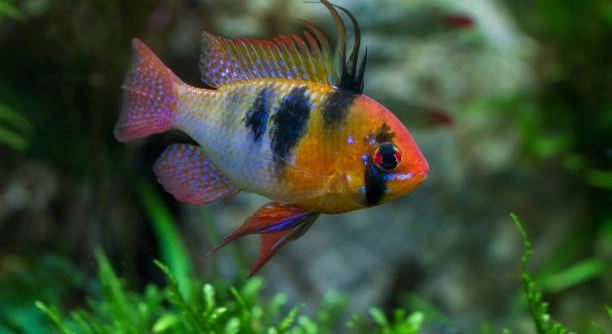
Cichlids often show a strong attachment to certain areas in their tank. They may repeatedly pick the same spot when feeding, nesting, or simply claiming territory. This behavior is noticeable in both new and experienced aquarium setups.
Cichlids repeatedly selecting the same location is primarily driven by territorial instincts and environmental preferences. Specific spots may offer optimal hiding, feeding, or breeding conditions. Understanding tank layout, water flow, and substrate type can clarify why this behavior occurs.
Observing these patterns closely can help you maintain a balanced and comfortable environment for your fish. Proper tank management ensures their natural instincts are supported.
Reasons Cichlids Favor a Single Spot
Cichlids often pick the same spot because it meets several of their needs at once. They look for areas that offer security, good visibility, and easy access to food. Hiding spaces behind rocks, plants, or decorations give them comfort and reduce stress. Many cichlids are territorial, so once they find a preferred spot, they will guard it consistently. Lighting and water flow also play a role—some areas may have calmer currents or better light, making them more attractive. Substrate type matters too, especially for species that dig or build small nests. Observing their patterns helps identify the reasons behind their behavior and ensures you can adjust the tank to meet their natural preferences, improving their overall well-being.
This repeated behavior is normal and indicates a healthy, confident fish establishing its territory within the tank environment.
Watching these preferences closely can guide tank arrangements, feeding routines, and maintenance. Small changes like rearranging decorations or adjusting water flow can significantly influence which areas they favor most. Understanding their choices also prevents conflicts and ensures multiple cichlids coexist peacefully in the same aquarium.
Environmental Factors Affecting Spot Selection
Tank layout and structure heavily influence where cichlids spend their time. Rocks, plants, and hiding spaces create secure zones they prefer.
Water parameters like temperature, pH, and current patterns can make certain areas more appealing. Fish often pick spots with moderate flow or stable temperatures to feel comfortable. Light intensity and consistency also matter; they may avoid bright areas or seek spots that mimic natural shade. Substrate type encourages digging or nesting behavior, affecting location choice. Even small shifts in the tank can change their patterns, so consistent observation is key. Providing varied environments ensures they have multiple attractive spots, reducing stress and aggression. Tank size, decoration density, and companion species influence how frequently a spot is used. Monitoring these elements helps maintain a balanced aquarium and allows cichlids to thrive in conditions that reflect their natural behavior.
Feeding and Spot Preference
Cichlids often return to the same spot during feeding because it feels safe and predictable. Familiar areas allow them to watch for food and other fish without stress. This habit strengthens over time, creating a consistent feeding routine they naturally follow.
Some cichlids are highly strategic during feeding. They choose spots where food tends to accumulate or where currents make feeding easier. Dominant individuals may claim prime areas and defend them from others, ensuring they get the most nutrition. This behavior also helps them monitor their surroundings, reducing the risk of conflict or surprise attacks. By observing which spots are preferred, you can adjust feeding methods and placement to keep all fish healthy and reduce stress.
Spot selection during feeding is closely linked to environmental factors. Fish often prefer areas with stable temperature, low current, and minimal disturbance. Decorations, rocks, or plants that create semi-sheltered spaces make them feel more secure while eating. Recognizing these patterns can improve feeding efficiency and support natural behavior, ensuring cichlids stay comfortable and active in their tank.
Breeding and Nesting Habits
Cichlids tend to choose the same spots for nesting because the area meets safety and substrate requirements. This spot offers shelter, protection, and proper conditions for eggs and fry to develop.
During breeding, cichlids carefully select locations with suitable surfaces for laying eggs. Sandy or fine gravel substrates are often preferred for digging or creating pits. Parents become highly territorial, guarding the area against intruders to protect eggs and fry. The choice of spot also depends on water flow and temperature, as stable conditions are crucial for egg survival. Some species prefer vertical surfaces, rocks, or plant bases, while others dig shallow depressions. Observing these preferences can help aquarists provide ideal breeding conditions and prevent stress or aggression between tank mates.
Territorial Behavior
Cichlids often pick the same spot to mark and defend territory. This behavior helps them feel secure and reduces conflicts with other fish. By establishing clear boundaries, they can manage space efficiently within the tank and maintain control over their preferred area.
Territorial spots are often around hiding spaces, decorations, or edges of the tank. Dominant fish use these locations to observe their surroundings and assert control over feeding and breeding areas. Even minor changes in the environment can trigger adjustments in territory, making consistent observation important for maintaining harmony among tank mates.
Influence of Tank Size
Smaller tanks often force cichlids to concentrate in limited areas, reinforcing repeated spot selection. Larger tanks give more options, but fish still show strong preference for certain zones based on comfort, safety, and accessibility. Understanding these tendencies can improve tank management and layout decisions.
Observing Behavioral Patterns
Tracking where cichlids spend their time provides insight into their preferences. Watching interactions and spot selection helps identify stress points, favorite locations, and social dynamics within the tank.
FAQ
Why do cichlids always return to the same spot?
Cichlids return to the same spot because it offers security and familiarity. Fish feel safer in areas with hiding spaces, proper lighting, and calm water. Territorial instincts also play a role, as holding a consistent area reduces stress and allows them to monitor food and other fish. Over time, this spot becomes their preferred zone for feeding, resting, and breeding.
Can changing the tank layout affect their behavior?
Yes, altering decorations, plants, or rocks can influence spot selection. Some cichlids may explore new areas, while others cling more tightly to their original spot. Gradual adjustments tend to work best, allowing fish to adapt without causing stress or aggression. Sudden changes can make them feel insecure.
Do certain species prefer specific areas for nesting?
Different cichlid species have unique preferences. Some dig pits in sandy substrates, others lay eggs on flat surfaces or inside caves. Understanding the species’ natural habits helps provide suitable nesting locations. Correct substrate, water flow, and cover encourage safe breeding and reduce conflicts with tank mates.
Is aggressive behavior linked to preferred spots?
Aggression is often tied to territory. Fish guarding their chosen area may chase or intimidate intruders. Providing multiple hiding spots and clear boundaries can help reduce stress and aggression. Dominant fish tend to assert control over high-value areas, especially during feeding or breeding periods.
Can tank size change how often a spot is used?
Smaller tanks usually force repeated use of the same spots, while larger tanks give fish more options. Even in larger tanks, many cichlids show a strong attachment to zones with favorable conditions, such as stable temperature, shelter, and low current areas. Monitoring preferences ensures all fish remain comfortable.
How does feeding influence spot selection?
Fish often choose areas where food accumulates or where currents make feeding easier. Dominant cichlids may claim prime feeding zones to maximize intake, while subordinate fish use peripheral areas. Adjusting feeding locations and methods can encourage all fish to access food safely and reduce stress.
Do water conditions affect favorite spots?
Yes, temperature, pH, and current patterns strongly influence spot preference. Cichlids favor areas with stable conditions. Sudden fluctuations in water quality may cause them to move or hide. Ensuring consistent parameters helps maintain predictable behavior and supports overall health.
Can multiple cichlids share a preferred spot?
Some species tolerate sharing, but most cichlids establish exclusive zones. Conflicts may occur if space is limited. Providing enough territory, hiding spaces, and visual barriers can reduce disputes and allow multiple fish to coexist peacefully while respecting each other’s preferences.
Do decorations and plants make a difference?
Decorations, rocks, and plants provide shelter and visual boundaries. Cichlids feel safer near cover, and these structures encourage them to establish favorite areas. Arranging tank elements thoughtfully supports natural behaviors, reduces stress, and can prevent repetitive aggressive interactions among tank mates.
How long does it take for a cichlid to pick a spot?
Some fish choose a spot within hours, while others may take several days. Observation and consistency in feeding, water flow, and tank setup help them settle faster. Once a spot is chosen, the fish typically stick to it unless environmental changes force them to adapt.
Can preferred spots indicate health issues?
Unusual or constant hiding in a single area can sometimes signal stress, poor water quality, or illness. Monitoring overall behavior, appetite, and appearance alongside spot selection helps detect potential problems early, allowing timely adjustments to the tank or treatment.
Is it normal for cichlids to defend spots aggressively?
Yes, defending a preferred area is normal, especially during breeding or feeding. Aggression is part of their natural instincts. Providing multiple zones and hiding spaces helps mitigate conflicts, ensuring each fish has a safe place to rest and perform natural behaviors.
Can spot preference change over time?
Yes, cichlids may adjust their preferred area due to growth, dominance shifts, or environmental changes. Observing these changes can guide tank management, ensuring that all fish remain comfortable, safe, and able to express natural behaviors.
Does lighting affect where they stay?
Lighting plays a role in comfort and visibility. Cichlids may avoid bright spots and favor shaded or partially covered areas. Properly balanced lighting helps fish feel secure while supporting plant growth and natural activity patterns.
Are certain substrates better for spot selection?
Yes, substrate type influences digging, nesting, and resting behavior. Sand or fine gravel suits digging species, while rocky or flat areas support egg-laying. Matching substrate to species’ natural behavior encourages consistent, stress-free spot usage.
Can observing spot behavior improve tank management?
Absolutely. Watching where cichlids spend their time reveals preferences, stress points, and social dynamics. This information guides placement of decorations, feeding routines, and territory management, promoting harmony and healthy behavior among all fish in the tank.
Final Thoughts
Cichlids are naturally drawn to specific areas in their tank because these spots offer security, comfort, and familiarity. They often return to the same location for feeding, resting, or nesting, establishing a routine that helps them feel safe. Observing this behavior closely can provide valuable insight into how your fish interact with their environment. By paying attention to where they spend most of their time, you can better understand their needs and make adjustments to the tank that support their natural instincts. Spot preference is not unusual or problematic; it is a normal part of cichlid behavior that reflects their territorial instincts and environmental awareness.
Providing the right tank conditions plays a significant role in supporting these behaviors. Factors like water flow, temperature, lighting, substrate, and available hiding spaces all influence which areas fish favor. Some cichlids prefer sandy substrates where they can dig or build nests, while others choose rocky areas or places with plants that offer shelter. Consistency in the tank layout helps cichlids feel secure, but minor changes can also encourage exploration and reduce potential conflicts over territory. In multi-fish tanks, offering multiple zones with adequate hiding spaces and visual barriers ensures that dominant fish do not monopolize the preferred areas, which helps maintain a calm and balanced environment for all inhabitants.
Understanding why cichlids keep picking the same spot also helps with feeding, breeding, and overall tank management. Feeding routines can be adjusted to match the areas they naturally prefer, reducing stress and ensuring all fish have access to food. During breeding periods, observing their spot preferences can help you provide ideal nesting conditions, from substrate type to water flow, that increase the chances of successful reproduction. Spot selection is also a useful indicator of their health and comfort; sudden changes in behavior, like avoiding a usual area, may signal stress, illness, or changes in water quality. Paying attention to these details allows you to create a healthier and more supportive environment, ensuring that your cichlids are happy, active, and able to express their natural behaviors consistently.
This is 406 words.

Hello,
If you enjoy the content that we create, please consider saying a "Thank You!" by leaving a tip.
Every little bit helps us continue crafting quality advice that supports the health, happiness, and well-being of pets around the world, for pets of all shapes, sizes, and species.
We really appreciate the kindness and support that you show us!