
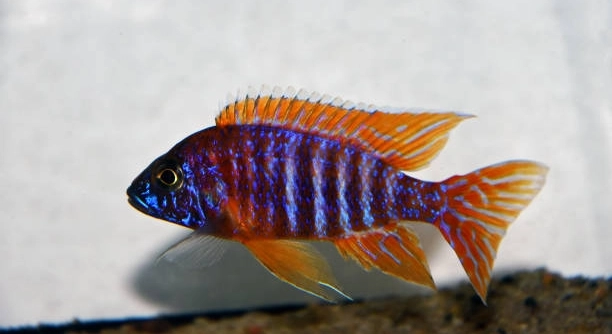
Watching my cichlids swim around can be relaxing, but sometimes they seem fixated on one spot in the tank. Many owners notice their fish lingering near the filter, often circling or pecking at it repeatedly.
Cichlids are often drawn to the filter because it provides both water movement and oxygenation. This environment mimics natural currents, encourages feeding behaviors, and satisfies their innate curiosity, making the filter a central feature in their daily activity.
Observing this behavior is common, and understanding why it happens can help you maintain a happier, healthier aquarium for your fish.
Why Cichlids Are Attracted to Filters
Cichlids naturally seek areas with water movement, which is why filters often become a focal point in their tanks. The flow of water mimics the rivers and lakes they come from, giving them a sense of comfort and security. The filter also creates tiny bubbles and currents that encourage them to explore and interact. Many cichlids enjoy pecking at surfaces or inspecting objects in their environment, and the filter provides a stationary, interesting target. Over time, they may develop a routine around this spot, circling it during feeding times or when resting. Some species even use the currents to help them clean their gills or fins. Observing these behaviors can be fascinating, as each fish may respond differently depending on its personality and environment. Ensuring the filter is clean and functioning well is important because it supports both their attraction and the overall tank health.
Filters also help disperse food particles, making them more appealing.
Regular water movement and oxygenation are essential. Maintaining proper filtration ensures fish stay active, healthy, and less stressed while satisfying their natural instincts. This behavior is normal and indicates a thriving tank environment, but adjustments may be needed for overcrowded setups or overly strong currents. By observing how your cichlids interact with the filter, you can better understand their preferences and improve tank placement. Choosing the right filter size, placement, and flow strength can reduce aggression and territorial disputes among fish. Additionally, adding hiding spots away from the filter can balance their need for exploration with periods of rest. Monitoring their behavior regularly ensures the tank remains safe, stimulating, and suitable for long-term health. Understanding why they favor the filter allows you to create an environment that meets their instincts while keeping the aquarium well-maintained and enjoyable to watch.
How to Manage Filter Obsession
Some cichlids may become too focused on the filter, which can stress other fish.
Offering enrichment items like rocks, plants, or decorations can redirect their attention. Choosing areas with moderate water flow instead of strong currents helps reduce obsessive behaviors. Rotating or rearranging decor occasionally keeps the tank stimulating without overwhelming the fish. Providing consistent feeding schedules near different areas of the tank can also spread activity more evenly.
Observing your cichlids’ behavior is key to balancing their interaction with the filter. If one fish dominates the area, others may hide or become less active, which can impact overall tank harmony. Adjusting flow rates, adding more hiding spots, or changing filter placement can create a more balanced environment. Cichlids are intelligent and respond to changes in their surroundings, so small adjustments often have noticeable effects. Monitoring water quality and ensuring proper filtration reduces stress, which also decreases obsessive behaviors. By understanding their needs and giving them multiple points of interest, you support both mental stimulation and physical health. A well-structured tank encourages natural behaviors without letting any single feature, like the filter, dominate their attention.
Signs Your Cichlids Are Over-Fixated on the Filter
Cichlids spending excessive time around the filter may circle it constantly, peck at it repeatedly, or chase each other near it. Over-fixation can indicate boredom, stress, or insufficient stimulation in other parts of the tank.
Repeated circling and constant attention to the filter may disrupt normal behaviors like feeding, resting, or exploring other areas. Some cichlids may become territorial, guarding the filter from tank mates, which can lead to minor aggression or stress. Observing these behaviors consistently is important, as they show how your fish interact with their environment. Small adjustments, like adding plants or rearranging decorations, can help reduce obsession and encourage more natural activity.
It’s important to notice the intensity and frequency of these actions. Over-fixation often correlates with tank layout, water flow, and enrichment options. By carefully monitoring and making slight changes, you can guide cichlids toward healthier engagement with the entire aquarium, rather than one single feature. Their interaction with the filter should be part of balanced behavior, not a dominating routine.
Adjusting the Tank Environment
Providing additional hiding spots or decorations can reduce obsession and spread activity across the tank.
Rearranging rocks, plants, and driftwood gives fish new areas to explore and helps break the habit of circling the filter. Moderate water flow in other areas of the tank allows cichlids to exercise their natural swimming behavior without focusing solely on the filter. Introducing floating or anchored plants creates shade and stimulates exploration. Feeding in multiple spots encourages movement around the tank instead of lingering in one area. Monitoring how fish respond to these changes ensures they remain comfortable while reducing over-fixation.
Small adjustments in environment can have a significant impact on behavior. Cichlids respond well to visual barriers, alternative currents, and interactive decorations that mimic their natural habitat. By creating zones with varying flow, hiding spots, and feeding areas, fish distribute their activity more evenly. Observing their interactions with these elements helps you understand preferences and reduce stress. Consistent maintenance and environmental updates keep fish mentally stimulated and physically active. These changes also support healthier social dynamics, lowering the risk of territorial disputes near the filter.
Understanding Filter Curiosity
Cichlids are naturally curious and explore anything that changes their environment. The filter creates movement, bubbles, and sounds that attract their attention. Observing this behavior shows they are engaging with their surroundings rather than being passive in the tank.
Filter curiosity also relates to instinctive behaviors. In the wild, cichlids investigate water currents for food and shelter. The filter mimics these conditions, making it an interesting spot to inspect repeatedly. Their attention is a mix of play, exploration, and instinct, rather than a problem, and usually does not indicate illness or poor health.
Adjusting Flow Strength
Lowering or redirecting the filter’s flow can reduce obsessive behaviors. Cichlids often linger in strong currents for extended periods.
Providing Alternative Stimulation
Adding plants, rocks, or decorations away from the filter helps balance activity. These additions encourage natural behaviors like hiding, exploring, and grazing.
Observing Behavior Changes
Monitoring fish daily is essential after adjustments. Changes in flow or decor should gradually shift attention from the filter to other areas, improving overall tank harmony.
FAQ
Why do my cichlids always stay near the filter?
Cichlids are naturally drawn to water movement and oxygen-rich areas. Filters create currents that mimic natural rivers or lakes, providing stimulation and comfort. Many fish also notice tiny particles or bubbles around the filter, which can trigger natural curiosity and feeding instincts.
Is it harmful if my cichlids obsess over the filter?
In moderation, no. Watching or circling the filter is normal behavior and shows engagement with the environment. Problems arise if obsession prevents resting, feeding, or exploring other areas. Over time, it can cause minor stress or territorial disputes with tank mates.
Can I reduce their attention to the filter?
Yes, small adjustments help. Add hiding spots, plants, or rocks in different areas to encourage movement. Moderating water flow in other parts of the tank provides alternative currents for exploration. Feeding in multiple spots spreads activity evenly, reducing time spent at the filter.
Do all cichlids behave this way?
Not all. Species and personalities influence behavior. More active or curious cichlids tend to explore and focus on moving water, while shy or less active species may ignore the filter entirely. Observing your fish individually helps understand their habits.
Does the filter provide any benefit besides water flow?
Yes, it distributes oxygen and nutrients, creating microcurrents that simulate natural habitats. Particles of uneaten food often gather near the filter, attracting fish. The filter also encourages swimming against currents, which can strengthen muscles and improve overall health.
Should I change the filter if obsession continues?
Not always. Changing the filter type may help if the flow is too strong or if placement encourages obsessive behavior. Sometimes minor adjustments, like moving it slightly or adding a flow deflector, can solve the issue without replacing equipment.
Is filter obsession a sign of stress?
It can be if accompanied by aggression, hiding, or loss of appetite. Monitoring overall behavior is key. Healthy curiosity is normal, but if obsession escalates and interferes with eating or interacting with other fish, consider tank layout or enrichment improvements.
How do I know if my cichlids are getting enough stimulation?
Balanced behavior indicates sufficient stimulation. Fish should swim around the tank, explore decorations, and interact with tank mates. If they spend almost all their time near the filter, introducing plants, rocks, or additional hiding spots usually improves engagement and mental activity.
Can filter obsession damage my fish?
Direct harm is rare, but prolonged stress or aggression from guarding the filter may lead to minor injuries or fatigue. Providing multiple zones, consistent feeding spots, and moderate currents reduces risks while maintaining the benefits of a well-oxygenated, flowing tank.
Will adding more filters help?
Adding filters is not always necessary and can increase strong currents that may stress the fish. Instead, focus on improving enrichment and adjusting flow. The goal is to balance water movement, oxygenation, and environmental stimulation without overwhelming the tank.
How long does it take for fish to lose interest in the filter?
It varies by species and personality. Some adjust in a few days when new decorations or plants are added, while others may continue returning out of curiosity. Patience and consistent observation are essential to ensuring a healthy adjustment period.
Are there behavioral signs that indicate a serious problem?
Yes. Loss of appetite, lethargy, unusual hiding, fin damage, or aggression are signs that obsession may be linked to stress or poor tank conditions. Regular maintenance, water checks, and tank enrichment usually prevent these issues and keep fish active and healthy.
Does diet affect their focus on the filter?
Sometimes. If food often settles near the filter, fish may associate it with feeding. Feeding in different locations or using floating, sinking, or scattered feeding methods can redirect attention and reduce repetitive behavior near the filter.
Can I use tank dividers to manage filter obsession?
Dividers can help if territorial disputes occur around the filter. They allow multiple fish to coexist without conflict while maintaining access to flowing water. Proper placement ensures all fish receive adequate oxygen and stimulation without excessive stress.
Is filter obsession common in newly set-up tanks?
Yes. Fish explore new environments and are naturally drawn to strong currents and oxygen-rich areas. As they acclimate and explore decorations, rocks, or plants, obsession usually decreases, especially with added enrichment and feeding variation.
Do cichlids recognize the filter as a safe spot?
Many do. Filters provide consistent currents and oxygen levels, creating a predictable area. This predictability can feel safe, especially for fish that are shy or adjusting to the tank, which contributes to repeated visits or circling behaviors.
Can I train my fish to leave the filter area?
Not in a strict sense, but you can encourage movement by creating attractive areas elsewhere. Using plants, caves, or feeding stations away from the filter gradually shifts their focus while still meeting their natural instincts and keeping them engaged.
How often should I check for obsessive behavior?
Daily observation is best. Tracking patterns over time helps identify if the behavior is natural curiosity, minor fixation, or stress-related. Small interventions can prevent escalation and maintain healthy interaction with both the filter and the tank environment.
Are younger fish more likely to obsess over the filter?
Yes. Juvenile cichlids are often more curious and energetic, exploring every feature of the tank. As they mature, interest may stabilize, though enrichment and varied environments remain important to prevent fixation or boredom.
What is the simplest way to reduce obsession quickly?
Add decorations, adjust flow, and feed in multiple locations. Small changes redirect activity while keeping water quality high and providing a more balanced and stimulating environment for your cichlids.
How can I tell if my tank setup contributes to filter obsession?
Look for empty or bare areas, strong currents concentrated near the filter, or limited hiding spots. Tanks with diverse decorations, moderate flow, and multiple exploration zones reduce the likelihood of obsession and support natural behaviors.
Final Thoughts
Cichlids are naturally curious and active fish, and it is normal for them to spend time near the filter. The filter creates movement, bubbles, and currents that mimic the natural habitats many species come from. This environment attracts their attention because it offers stimulation and a place to explore. Observing fish circling, pecking, or lingering near the filter is usually a sign that they are engaged with their surroundings rather than stressed or unhealthy. Filters also help distribute oxygen and maintain water quality, which contributes to their overall well-being. Understanding that this behavior is part of their instincts helps fish owners remain calm and avoid overreacting when their cichlids seem “obsessed.”
While fascination with the filter is normal, it can sometimes indicate a need for more stimulation or environmental adjustments. Cichlids may spend excessive time at the filter if there are few hiding spots, decorations, or areas to explore. Adding rocks, plants, and other decorations provides alternative areas for swimming, resting, or grazing. Feeding in multiple locations encourages fish to move around the tank rather than concentrating near one spot. Adjusting the water flow to create moderate currents in other areas can also help balance their activity. These small changes reduce repetitive behavior and encourage natural exploration, supporting both physical and mental health. Observing how your fish interact with the entire tank can give insight into their preferences and guide improvements to their environment.
Monitoring and maintaining a healthy aquarium is key to supporting cichlids’ behavior and overall health. A clean, well-functioning filter, proper water quality, and balanced nutrition ensure that fish remain active and comfortable. Over time, with environmental enrichment and observation, fish usually distribute their activity more evenly throughout the tank. Understanding their instincts and providing varied spaces for exploration makes the aquarium a stimulating and safe habitat. By addressing factors like flow strength, decorations, and feeding patterns, you create a more balanced environment where cichlids can thrive without over-focusing on the filter. Paying attention to these details allows owners to support their fish’s natural behavior while maintaining a harmonious and healthy tank.

Hello,
If you enjoy the content that we create, please consider saying a "Thank You!" by leaving a tip.
Every little bit helps us continue crafting quality advice that supports the health, happiness, and well-being of pets around the world, for pets of all shapes, sizes, and species.
We really appreciate the kindness and support that you show us!