
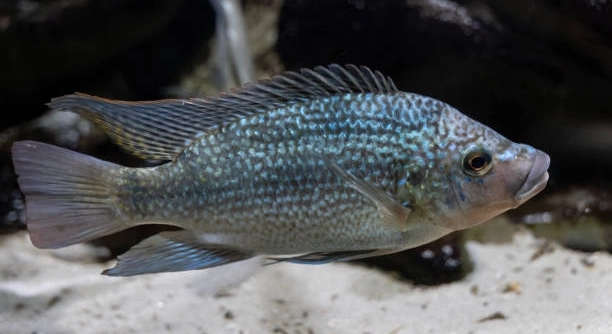
Do your cichlids seem to spend all their time near a single rock in the tank? Many fish owners notice this unusual behavior and find themselves wondering why one rock becomes their favorite spot to explore and guard.
Cichlids often focus on one rock due to territorial instincts, breeding preferences, and environmental comfort. Rocks provide secure hiding places, landmarks for establishing territory, and surfaces for egg-laying, making certain formations more attractive than others.
Observing this behavior can reveal insights into their natural instincts, social interactions, and overall tank environment. Understanding these factors can improve your cichlids’ well-being and habitat design.
Why Cichlids Pick One Rock
Many cichlids will choose a single rock in their tank and stick to it. This behavior is often linked to territory. They see certain areas as their safe space and will patrol it regularly. Rocks offer shelter and security, giving them a sense of control over their environment. Some species prefer rocks with flat surfaces for resting, while others like crevices to hide in. The texture, shape, and position of the rock can also influence their choice. Breeding plays a role too. During spawning, cichlids often select specific rocks to lay eggs because the surfaces are suitable and protected. This behavior is instinctive and tied to survival. The more comfortable they feel around the rock, the more they return to it. By observing which rocks they favor, owners can better understand their cichlids’ needs and adjust the tank setup to keep them calm and secure.
Focusing on one rock is normal and indicates a healthy territorial instinct in cichlids.
Watching these preferences carefully allows you to notice patterns in behavior, comfort, and interaction with other tank mates. Consistency in rock selection often reflects a well-adjusted fish. Adjusting tank decorations to accommodate these choices can reduce stress and aggression, promoting a calmer environment.
How Tank Setup Affects Rock Behavior
The arrangement of rocks, plants, and hiding spots directly influences cichlid activity.
Tank size, rock placement, and water flow can determine which rock becomes a favorite. Cichlids prefer areas where they feel safe yet can observe the entire tank. Rocks positioned near filtration or in central locations often attract more attention. Overcrowding reduces the number of usable territories, causing fish to fixate on a single spot. Additionally, natural light and substrate color can make certain rocks stand out. Temperature and water quality also impact their behavior; fish are more likely to interact with rocks in comfortable conditions. Rotating decorations or adding new hiding spots can change their focus, but some cichlids remain loyal to their chosen rock due to instinct. Understanding how the environment shapes their interactions helps create a more harmonious tank. Observing these factors carefully can improve both fish health and owner satisfaction, making the tank more enjoyable to maintain.
Territorial Instincts and Aggression
Cichlids often guard a single rock to mark territory. This behavior is natural and helps them feel secure. Aggression toward other fish may increase if they feel their chosen spot is threatened.
Territorial behavior is deeply rooted in cichlid instincts. Rocks provide defined boundaries, which reduce uncertainty and stress. A favored rock becomes a visual marker, signaling ownership to other fish. This helps prevent constant conflict by establishing clear zones within the tank. Aggression may appear as chasing, nipping, or posturing, especially during feeding or mating periods. By observing interactions around the rock, owners can better manage aggression and ensure a balanced social environment. Creating multiple hiding spots can help reduce disputes and allow less dominant fish to coexist without constant stress.
Even subtle changes in rock placement or adding extra structures can shift territorial patterns. Some cichlids adjust quickly, exploring new spaces, while others remain loyal to their original spot. Monitoring these behaviors provides insight into hierarchy, comfort levels, and the overall balance of the tank. Adjustments can prevent long-term stress and encourage healthier interactions.
Breeding and Spawning Behavior
Many cichlids use rocks as prime egg-laying sites because surfaces offer safety and stability.
Rocks are ideal for breeding because they mimic natural spawning sites. Flat or slightly sloped surfaces allow eggs to adhere securely. Crevices protect eggs from being washed away or eaten, giving fry a better chance of survival. During breeding, males often guard the rock while females prepare the site. This behavior reinforces territorial instincts and can lead to more aggressive interactions around the chosen rock. Observing rock selection can provide clues about readiness to spawn, as well as the health of the fish. Adjusting tank layout to include multiple suitable rocks can support breeding efforts and reduce competition.
Comfort and Hiding Spots
Cichlids prefer rocks that offer safety and shelter. They often return to the same rock because it feels secure.
Shadows and crevices around the rock give them places to rest and hide from stressors. Familiar rocks reduce anxiety and help them explore the tank confidently.
Rock Texture and Shape
The texture and shape of a rock influence cichlid preference. Rough surfaces provide grip for fins and teeth, while smooth areas are ideal for resting. Some species favor larger rocks that offer multiple angles to explore or hide behind, creating both comfort and entertainment in their environment.
Observing Behavioral Patterns
Noting which rock your cichlids favor reveals their instincts, comfort, and social habits.
FAQ
Why do my cichlids always stay on one rock?
Cichlids often pick a single rock because it provides security and familiarity. Rocks give them a place to hide, rest, and monitor their surroundings. Some rocks may also mark territory or act as breeding sites, which makes them especially attractive to certain species. Observing their choice can reveal their preferences and stress levels.
Is it normal for one fish to dominate a rock?
Yes, it is normal. Territorial behavior is common among cichlids. The dominant fish claims the rock as its personal space and may chase others away. Providing multiple hiding spots and rocks in different areas can reduce conflict and allow less dominant fish to have safe spaces.
Can I move the rock they favor?
Moving a favored rock should be done carefully. Sudden changes can stress fish and provoke aggression. Gradual adjustments are better if you need to rearrange the tank. Adding new rocks nearby rather than replacing the existing one can encourage exploration without upsetting established territories.
Do cichlids fight over rocks?
Yes, fights can occur if multiple cichlids want the same rock. Aggression often appears as chasing, nipping, or posturing. This is especially common during feeding or breeding. Reducing crowding, providing multiple hiding spots, and creating clear territories can minimize conflicts.
How can I tell if a rock is suitable for breeding?
Flat surfaces or shallow crevices are ideal for egg-laying. The rock should be stable, smooth enough for eggs to adhere, and positioned in a calm area of the tank. Watching where females spend most of their time can indicate their preferred breeding spots.
Will cichlids ever lose interest in a rock?
Some fish may shift focus if conditions change. New decorations, water flow adjustments, or altered lighting can encourage them to explore other areas. However, many remain loyal to their chosen rock due to comfort and territorial instincts.
Does the rock’s material matter?
Yes, certain materials are better. Rocks that do not alter water chemistry are safest. Avoid soft or reactive stones that may release minerals affecting pH levels. Natural, aquarium-safe rocks with stable surfaces are preferred.
Can adding more rocks reduce aggression?
Adding more rocks can help spread territorial claims and provide alternative hiding spots. This reduces the likelihood of repeated fights over one favorite rock. Positioning rocks to create clear boundaries helps cichlids feel secure and decreases stress.
How often should I clean the favorite rock?
Cleaning should be done carefully to avoid removing beneficial bacteria or disturbing eggs. Rinse with aquarium water rather than tap water and avoid harsh chemicals. Cleaning frequency depends on algae buildup, uneaten food, or debris accumulation, usually every few weeks.
Do different species have different rock preferences?
Yes, rock preference varies by species. Some favor flat surfaces, others need crevices for hiding. Understanding the natural habitat of your cichlid helps replicate their preferred environment and ensures they feel secure in the tank.
Will providing multiple rocks prevent stress?
Yes, multiple rocks give fish options and reduce competition. They allow fish to establish separate territories, hide when threatened, and explore safely. Observing their choices can help optimize tank layout and maintain calmer behavior.
Can lighting affect rock selection?
Lighting influences rock preference. Bright areas may discourage timid fish, while shaded or dimly lit spots attract them. Positioning rocks in varied lighting conditions can encourage natural behavior and comfort.
How do I encourage shy cichlids to use other rocks?
Introduce additional rocks gradually and place them near the original favorite. Avoid sudden changes. Over time, shy fish may explore new areas once they feel safe and secure, reducing stress and improving social balance.
Do all cichlids show rock obsession?
Not all cichlids focus on a single rock, but most exhibit territorial behavior. Some species are more active explorers or prefer sandy areas. Observing individual tendencies helps tailor the tank environment to meet each fish’s needs.
Can stress cause cichlids to cling to one rock?
Yes, stressed fish often retreat to safe spots, like a preferred rock. Overcrowding, poor water conditions, or aggressive tank mates can increase stress. Providing multiple shelters and monitoring water quality helps reduce anxiety.
How do I know if the rock is causing problems?
Signs include constant aggression, hiding, or refusal to explore other areas. If one rock dominates social interactions negatively, consider rearranging or adding structures to balance territorial claims.
Is it okay if cichlids ignore other rocks completely?
Yes, fish may remain loyal to a single rock due to comfort and habit. As long as they have safe alternatives and water quality is good, it is not usually a problem. Observing behavior ensures their needs are met.
Should I try to change their favorite rock?
Changing it is not necessary unless it causes conflict or stress. Fish naturally pick what feels secure. If adjustments are needed, do so slowly and add alternatives rather than removing the rock outright.
Can rock obsession indicate health issues?
Not usually, but excessive hiding or aggression may signal stress or poor health. Monitor appetite, activity, and interaction. Ensuring water quality, diet, and tank layout are optimal supports overall well-being.
Do cichlids rearrange rocks themselves?
Some species, especially African cichlids, will move small rocks or substrate to create preferred spaces. This is natural behavior reflecting territory preparation, comfort, or breeding instincts. Allowing this activity is normal and can be part of their enrichment.
Can I use rock behavior to assess social hierarchy?
Yes, which fish claims a favored rock often reflects dominance. Observing interactions around rocks helps identify leaders, submissive fish, and potential conflicts. Proper tank setup can reduce tension and ensure all fish have safe spaces.
Does temperature influence rock preference?
Yes, cichlids may prefer rocks in areas with stable temperatures. Rocks near filtration or heaters can become favored spots, especially if they offer warmth or consistent water flow. Temperature stability encourages natural behavior and comfort.
Can rock obsession be harmful?
It is usually harmless if multiple rocks and hiding spots exist. Problems arise if aggression becomes constant or subordinate fish have no safe areas. Proper tank design and monitoring behavior prevent stress-related issues.
How can I enhance their environment using rocks?
Arrange rocks to create zones, hiding spots, and resting areas. Vary textures and sizes to match species preferences. Strategic placement reduces aggression, encourages exploration, and supports natural instincts, keeping cichlids active and comfortable in the tank.
Will they eventually share their favorite rock?
Sharing can occur in peaceful species or pairs, especially during breeding. Dominant individuals usually maintain control, but a well-planned tank encourages coexistence and reduces disputes while allowing all fish to feel secure.
How do I balance multiple fish with one favorite rock?
Provide additional rocks, caves, and hiding spots. Monitor interactions and consider separating highly aggressive individuals. A balanced tank layout ensures each fish has territory, reducing constant competition and stress while allowing natural behavior to continue.
Can I replicate their favorite rock naturally?
Yes, using rocks with similar size, shape, and texture encourages use. Observing preferred features and adding comparable structures helps maintain comfort and territory while enhancing the tank’s layout for multiple fish.
Is rock obsession more common in certain tank sizes?
Smaller tanks often intensify territorial behavior since space is limited. Larger tanks allow more options and can reduce fights over a single rock. Tank size should match the species’ activity level and social tendencies for optimal behavior.
How long does rock obsession last?
It varies. Some cichlids remain loyal for months or years, while others explore new areas over time. Loyalty often depends on comfort, territorial instincts, breeding cycles, and tank conditions, with some fish occasionally changing favorites without stress.
Can other decorations compete with rocks?
Yes, plants, driftwood, or artificial structures may attract attention. Fish may divide time between preferred rock and other items. Observing interactions helps determine which elements are essential for comfort, hiding, and territory.
Are some rocks better for shy cichlids?
Rocks with deep crevices, shaded areas, or secluded corners are ideal for timid fish. These spots provide safety and confidence, helping shy cichlids gradually explore other parts of the tank while feeling protected.
Can water current affect rock choice?
Yes, cichlids often prefer rocks in calmer areas. Strong currents may discourage resting or egg-laying, while moderate flow ensures oxygenation. Placement should consider water movement to maintain comfort and natural behavior.
How do I encourage breeding near a rock?
Provide flat, stable surfaces with protection from currents and other fish. Ensure water conditions, temperature, and diet support reproductive behavior. Observing female activity helps identify the ideal site and reduces stress during spawning.
Is rock obsession more common in certain species?
Yes, African cichlids, mbunas, and some South American species show stronger preferences due to territorial and breeding instincts. Knowing species-specific behaviors helps tailor tank layout and reduce conflicts.
Can rock obsession indicate tank issues?
Sometimes, if fish cling excessively due to stress or aggression. Check water quality, tank mates, and space. Addressing these factors improves behavior and overall fish health.
How often should I observe their rock behavior?
Daily observation helps identify stress, aggression, or breeding activity. Noting patterns allows timely adjustments to the tank environment and ensures fish remain healthy and secure.
Do cichlids interact differently around rocks versus open space?
Yes, they feel more confident and exhibit natural behaviors near familiar rocks. Open areas are often patrolled cautiously or avoided, especially by less dominant individuals, highlighting the importance of safe zones.
Can rock obsession affect feeding behavior?
Yes, fish may feed near their chosen rock or show reluctance to leave it. Ensuring food is distributed evenly and accessible near multiple areas reduces competition and encourages healthy eating habits.
Should I replicate their favorite rock exactly if I rearrange the tank?
Matching size, shape, and position helps fish feel secure after changes. Gradual rearrangement and adding familiar textures make transitions smoother, reducing stress and aggression while maintaining established territories.
Does age affect rock preference?
Younger fish may explore more before settling on a favorite rock. Older or more established fish often remain loyal to one spot due to comfort, experience, and territorial habits.
Can rock obsession be enriched for mental stimulation?
Yes, adding varied textures, crevices, and angles encourages exploration. Rotating or introducing new rocks gradually provides activity, reduces boredom, and mimics natural environments, supporting both mental and physical health.
Is it normal for pairs to share a rock?
Yes, breeding pairs often share a chosen rock. It becomes a nesting site and reinforces pair bonding while still maintaining territorial instincts toward other tank mates.
Can multiple favorite rocks exist in the same tank?
Yes, offering several options reduces conflict and stress. Fish can choose based on comfort, hierarchy, and activity level, creating a balanced environment that supports natural behaviors.
Does water chemistry influence rock selection?
Some cichlids prefer stable conditions around their rock. Abrupt pH or hardness changes may cause avoidance or stress. Maintaining consistent water quality encourages consistent use of favorite areas.
How do I prevent aggression around a favorite rock?
Provide additional rocks, hideaways, and clear zones. Observe interactions and separate aggressive individuals if needed. A well-planned tank reduces conflicts while allowing natural territorial behavior to continue.
Can rock obsession change over time?
Yes, fish may shift preferences due to breeding cycles, environmental changes, or social dynamics. Monitoring behavior helps adapt tank setup and maintain a healthy environment.
Does rock size matter?
Yes, larger rocks can accommodate multiple fish or provide better hiding spots. Smaller rocks may only suit one fish, increasing competition. Size should match species and tank dynamics for comfort and security.
Can I use rock behavior to plan tank layout?
Yes, observing preferred rocks helps position additional structures strategically. This creates territories, reduces aggression, and encourages natural behaviors throughout the tank.
Is it normal for fish to groom or clean their rock?
Yes, some cichlids will scrape algae or debris from favored rocks. This behavior is natural, supporting hygiene and territorial marking while also keeping surfaces suitable for egg-laying.
Do rocks affect social interactions?
Yes, rocks shape hierarchy and movement. Dominant fish guard favorites, while others use alternative hiding spots. Proper layout promotes coexistence and reduces conflict.
Can changing one rock influence all fish behavior?
Yes, removing or relocating a favored rock can trigger stress or aggression. Gradual adjustments and alternative hiding spots help maintain stability and reduce tension in the tank.
Should I match natural habitat rocks?
Yes, replicating textures, shapes, and crevices found in their natural habitat supports instinctive behavior, comfort, and breeding success, enhancing overall tank health and fish well-being.
Can rock obsession indicate readiness to spawn?
Yes, females often spend time cleaning and preparing specific rocks. Males guard these areas, signaling breeding readiness. Observing this can help predict and support reproductive activity.
Do cichlids mark rocks in any way?
Yes, they may scrape surfaces, remove debris, or display near the rock. These actions mark territory, prepare breeding sites, and signal dominance to other fish.
Is rock obsession influenced by tank lighting?
Yes, dimmer areas or shaded rocks are often preferred by shy species. Bright spots may deter fish from leaving cover. Varied lighting supports natural behavior and comfort.
How can I reduce stress if one fish monopolizes a rock?
Add multiple rocks and hiding spots, monitor aggression, and provide enough space. Ensuring all fish have access to safe areas reduces stress and supports healthy interactions.
Do cichlids show affection or bonding around rocks?
Yes, breeding pairs or social groups may spend time together near a rock. It becomes a secure location for interaction, rest, and nurturing behavior.
Can I predict which rock a cichlid will choose?
Observing their activity, preferred textures, and positions helps anticipate choices. Offering multiple options with similar features increases comfort and reduces conflict.
Does rock position relative to tank flow matter?
Yes, calmer areas are preferred for resting or breeding. Strong currents can discourage use, while moderate flow ensures oxygenation without disrupting preferred spots.
Should I replicate favorite rocks in new tanks?
Yes, copying size, texture, and placement helps fish feel secure. Gradual addition rather than sudden replacement reduces stress and maintains territorial comfort.
Can rock obsession be part of enrichment?
Yes, providing varied rocks encourages exploration, natural behaviors, and mental stimulation. Rotating or adding new structures maintains engagement and reduces boredom.
Do cichlids fight less when multiple rocks exist?
Yes, distributing rocks allows territory division and hiding spaces. Conflicts decrease, and fish can establish zones suited to their behavior and comfort.
How do I identify the most important rock in a tank?
Observe time spent, aggressive behavior around it, and breeding activity. The rock that attracts consistent attention often holds the highest value for the fish.
Can rock obsession affect tank maintenance?
Yes, favorite rocks may accumulate algae, debris, or uneaten food. Careful cleaning and monitoring without disturbing fish supports health and preserves territory preferences.
Does age or maturity affect rock behavior?
Older or more experienced fish are usually more loyal to a rock. Younger fish may explore more before settling on a preferred spot.
Is it normal for cichlids to rearrange rocks themselves?
Yes, some species move smaller rocks or substrate to create territory or breeding sites. This is instinctive and supports natural behavior.
Can rock obsession indicate aggression issues?
It can, if one fish dominates all rocks and other fish cannot access hiding spots. Additional structures and monitoring reduce tension and improve social balance.
Are some rocks better for aggressive species?
Yes, rocks with multiple hiding spaces and clear boundaries help manage aggression. Providing alternatives prevents constant fighting and allows all fish to feel secure.
Do cichlids ever abandon a favorite rock permanently?
Occasionally, changes in environment, tankmates, or breeding cycles may lead fish to select a new rock. Most remain loyal unless conditions change significantly.
Can I use rock obsession to plan feeding spots?
Yes, placing food near or around multiple rocks ensures fair access and reduces competition, allowing dominant and submissive fish to feed safely.
Does rock placement affect social hierarchy?
Yes, dominant fish often occupy prime spots, while subordinate fish use peripheral areas. Strategic placement supports coexistence and reduces conflict.
How do I know if rock obsession is excessive?
Excessive fixation is indicated by constant hiding, refusal to explore, or repeated aggression. Addressing space, hiding spots, and social dynamics can reduce stress.
Can rock obsession influence tank decoration choices?
Yes, observing favored features helps select additional rocks and structures that suit fish preferences, maintain comfort, and support natural behavior.
Is it normal for fish to clean a rock obsessively?
Yes, scraping or cleaning behavior is part of territory preparation and egg-laying instincts. It also maintains surface hygiene naturally.
Can water quality changes disrupt rock preference?
Yes, sudden changes in pH, hardness, or temperature can make fish avoid their favorite rock. Maintaining stable water conditions ensures consistent use and comfort.
How do I encourage shy fish to explore new rocks?
Introduce rocks gradually near familiar spots. Providing safe paths and calm conditions encourages exploration without stress, allowing timid fish to adjust.
Can rock obsession help monitor fish health?
Yes, changes in time spent, aggression, or interaction with the rock may indicate stress, illness, or environmental issues. Observing behavior provides insight into well-being.
Do all cichlids exhibit rock obsession to the same degree?
No, species and individual personality influence intensity. Territorial and breeding-prone species show stronger preferences, while more exploratory fish may divide attention among multiple structures.
Can adding plants affect rock preference?
Yes, plants create shade and hiding spots that may complement or compete with rocks. Placement should balance cover and visibility for social interactions.
Will changing rock size influence behavior?
Yes, larger rocks can accommodate more fish and reduce competition, while smaller rocks may increase aggression if too few exist. Size should match species and tank dynamics.
How do I maintain a favored rock without disturbing fish?
Clean carefully using tank water and gentle scrubbing. Avoid chemicals and sudden movement to prevent stress. Minimal interference preserves territory and natural behavior.
Can rock obsession indicate readiness for social interaction?
Yes, observing how fish use rocks for display, guarding, or pair bonding can signal social and reproductive readiness.
Does tank location of rocks matter?
Yes, rocks near edges, corners, or filtration may be more attractive due to shelter, stability, or water flow. Placement affects behavior, comfort, and interactions.
Can rock obsession affect breeding success?
Yes, proper rocks provide safe
Final Thoughts
Cichlids’ attachment to a single rock is a natural part of their behavior. This preference is tied to instincts like territoriality, comfort, and breeding. Rocks give them a secure place to hide, rest, and observe their surroundings. For many fish, a favorite rock acts as a personal space where they can feel safe from stressors or aggressive tank mates. Observing which rock they favor and how they interact with it can give valuable insight into their comfort level, social hierarchy, and overall health. This behavior is not unusual, and it usually indicates that the fish are adjusting to their environment and expressing natural instincts. Rather than trying to force them to change, it is often better to understand why they are drawn to this spot and to make small adjustments in the tank to support their needs.
Maintaining the tank environment to support this behavior is important. Providing multiple rocks and hiding spots can reduce conflict and make all fish feel secure. Water quality, temperature, and tank size also play a significant role in ensuring that fish are comfortable and confident in their favorite spaces. When rocks are positioned carefully, they create natural zones that allow each cichlid to claim its own territory without constant disputes. This helps reduce stress and aggression, which are common if fish feel threatened or overcrowded. Adding variety in rock size, shape, and texture can also encourage exploration and activity while still allowing fish to maintain loyalty to their preferred spot. Watching how fish respond to changes in the tank, such as new rocks or rearranged decorations, is a good way to monitor stress and adjust the environment for better harmony.
Understanding why cichlids focus on one rock can improve tank management and the well-being of the fish. It is not just about decoration—it reflects how fish interact with their surroundings, protect territory, and prepare for breeding. Paying attention to rock preference can reveal patterns in social behavior, activity levels, and even signs of stress or illness. Making small, thoughtful adjustments to accommodate their instincts benefits both the fish and the tank’s overall balance. By providing a supportive environment, observing interactions, and planning carefully, owners can ensure that their cichlids remain healthy, calm, and engaged in their habitat. Rock obsession is a window into their behavior, and using this understanding helps create a peaceful and natural space for them to thrive.

Hello,
If you enjoy the content that we create, please consider saying a "Thank You!" by leaving a tip.
Every little bit helps us continue crafting quality advice that supports the health, happiness, and well-being of pets around the world, for pets of all shapes, sizes, and species.
We really appreciate the kindness and support that you show us!