
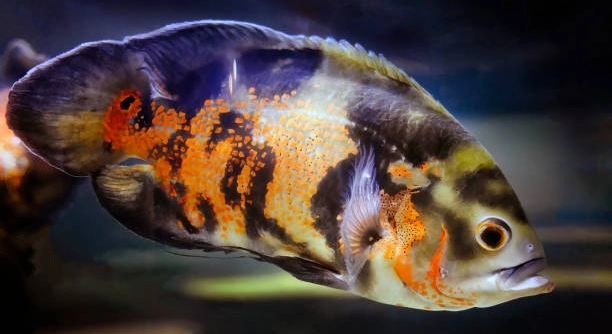
Do you ever notice your cichlids caring for their young and wonder how they manage it alone? Watching a single parent guard fry can be fascinating, especially when it seems like a full-time responsibility.
When only one cichlid guards the fry, the parent assumes full responsibility for protection, feeding guidance, and territory defense. This solitary role can increase stress and vulnerability but is often sufficient for fry survival under stable environmental conditions.
Observing how one parent manages the young reveals both the challenges and adaptations that ensure their growth and safety in the aquarium.
How One Parent Manages Fry
When a single cichlid guards its fry, it takes on multiple roles at once. The parent ensures the young are safe from predators, guides them to food, and keeps them within a protected area. Watching this behavior up close can feel almost personal, as the parent constantly monitors the fry’s movements. The guarding cichlid may fan the eggs or lead the fry to safer spots when danger approaches. Stress levels in the parent can rise, but instinct drives it to remain attentive. Some species show impressive adaptability, adjusting their guarding behavior based on the environment. They may become more aggressive toward intruders or shift locations if the area becomes unsafe. Over time, the fry learn to respond to the parent’s cues, increasing their survival chances. This dynamic shows how vital one parent can be, even without assistance from a mate, for the fry’s early development and safety.
A single parent cichlid can manage most of the essential care tasks alone, though survival rates may vary by species and environment.
As the fry grow, they start exploring further from the parent but still follow guidance closely. The parent gradually reduces direct guarding, allowing the fry to develop independence while remaining under watchful eyes. This gradual shift balances protection with learning, ensuring that young cichlids gain confidence and the ability to find food while still avoiding threats. The parent’s presence reassures the fry and reduces unnecessary losses, demonstrating the effectiveness of solitary care in certain conditions. Over time, fry that successfully navigate this early stage exhibit stronger instincts, better awareness, and a higher chance of reaching maturity, even without two parents involved.
Challenges of Solo Fry Care
Single parents face increased stress, which can affect energy levels and behavior.
Solo guarding requires constant vigilance. The parent must fend off intruders, guide fry to food, and protect eggs or young from environmental hazards. Without a partner, the workload is continuous, leaving little time for resting or foraging. Stress can lead to occasional lapses in care, making the fry temporarily more vulnerable. Environmental factors like water quality, space, and hiding spots become even more critical. Observing a single guardian at work reveals how instinct and resilience drive their protective efforts. Even small disturbances can trigger heightened defensive behavior, as the parent compensates for the absence of a mate. Over weeks, the fry adapt to these patterns, learning when it is safe to venture and when to retreat. The balance between parental effort and fry development is delicate, but many cichlids succeed in raising healthy young with only one guardian.
Feeding and Nutrition of Fry
Proper feeding is critical when only one parent is present. The parent guides the fry toward small, easily digestible food, ensuring they receive enough nutrition without exposing them to danger. Observing this behavior shows how attentive the guardian remains during early development.
The parent often directs fry to micro-organisms or specially prepared fry food, nudging them toward edible items while keeping them within safe boundaries. This guidance helps the young learn what is safe to eat and where to find it. Solo parents must balance feeding with constant vigilance, making their efforts essential for fry survival. Lack of proper guidance can slow growth or increase vulnerability to disease, highlighting the parent’s role in early nutrition. Some species even produce secretions or mucus that fry can feed on temporarily, demonstrating adaptability. The process is repetitive but effective, and it allows the fry to gradually become more independent while still relying on the parent for support and safety during feeding periods.
As the fry grow, the parent’s role in feeding gradually decreases. Fry start recognizing food sources themselves but often follow the guardian’s movements, learning where and how to eat safely. This transition is critical, as it teaches independence while still offering protection. The parent monitors interactions closely, ready to intervene if threats appear, ensuring that growth continues without unnecessary risks. Timing, location, and type of food are subtly communicated through the parent’s behavior, which the fry quickly learn to interpret. This balance between guidance and independence is key for healthy development.
Environmental Considerations
The environment greatly impacts a single parent’s success in raising fry. Safe hiding spots, clean water, and stable conditions reduce stress and help the guardian focus on care.
A solo parent cichlid relies heavily on environmental stability. Proper water temperature, adequate filtration, and limited disturbances are essential to reduce stress and prevent fry loss. Overcrowding or frequent movement in the tank can force the parent to divide attention, increasing vulnerability. Vegetation, rocks, or other hiding areas allow fry to retreat while still under the parent’s watchful eye, improving survival rates. Environmental enrichment supports natural behaviors, letting the parent manage territory and fry more efficiently. Solo care requires consistent observation of water parameters, feeding schedules, and tank layout, as small changes can impact both the guardian’s health and fry development. A carefully maintained environment allows the parent to focus on nurturing the fry rather than coping with additional stressors, which is crucial for successful rearing.
Signs of Stress in a Solo Parent
A single guarding cichlid may show restlessness, aggressive behavior, or reduced feeding when stressed. These signs indicate the parent is overextended, and extra care or environmental adjustments may be necessary to support both parent and fry.
Stress can also appear as frequent pacing, hiding, or constant chasing of fry. Observing these behaviors early allows timely intervention, improving the chances of successful fry rearing.
Fry Growth and Independence
As fry grow, they become more active and begin exploring beyond the parent’s immediate protection. The guardian gradually reduces direct supervision, allowing the young to practice feeding and navigation while still monitoring them. This transition teaches independence while maintaining safety.
Balancing Aggression and Protection
The parent often shows aggression toward intruders while protecting fry. This behavior ensures the young remain safe from potential threats in the tank.
FAQ
How long does a single cichlid guard the fry?
A solo parent typically guards the fry for several weeks, depending on the species and environmental conditions. During this period, the parent constantly monitors the young, guiding them to food and keeping them safe. Guarding gradually decreases as the fry grow more independent.
Can one parent successfully raise all the fry alone?
Yes, in many cases, a single cichlid can successfully raise fry alone. The parent provides protection, feeding guidance, and territory defense. Success depends on species behavior, tank size, water quality, and available hiding spots. Some species may struggle more than others, but many manage well.
What are the main signs of stress in a solo guardian?
Stress in a single parent cichlid appears as restlessness, constant pacing, hiding, reduced feeding, or over-aggression. Stress can be caused by environmental changes, overcrowding, or lack of hiding places. Observing these signs early allows for adjustments that improve both parent and fry well-being.
How can I support a solo parent in raising fry?
Providing a stable environment with clean water, proper temperature, and ample hiding spots is key. Avoid sudden changes or overcrowding. Feed the parent and fry regularly with appropriate food. Maintaining these conditions reduces stress and helps the parent focus on guarding the young effectively.
When should fry start exploring on their own?
Fry gradually start exploring outside the parent’s immediate area after a few weeks, depending on species. The parent still monitors their movements, but the young begin learning to forage independently while remaining close to protection. This balance is crucial for safe development.
Do solo parents ever produce food for their fry?
Some cichlid species produce a mucus coating or secretions that fry can feed on during early development. This natural adaptation supplements the fry’s nutrition until they can independently locate food, making the parent’s role even more effective in solitary care.
What happens if the solo parent becomes too stressed?
Excessive stress can reduce the parent’s effectiveness, leading to neglect, aggression, or even harm to the fry. Monitoring behavior and adjusting environmental conditions is essential to prevent stress-related issues. Stress management ensures higher fry survival rates and healthier growth.
Is it better to separate the parent from the fry at some point?
Separation is sometimes recommended once fry are larger and can feed independently. This prevents accidental harm from aggressive behavior as the parent adjusts to the fry’s increasing independence. Timing varies by species and the parent’s behavior.
How do I know the fry are healthy under a single parent?
Healthy fry are active, consistently feeding, and responsive to the parent’s guidance. They grow steadily, avoid excessive hiding, and display coordinated movement. Observing these behaviors shows the parent’s care is effective and that environmental conditions are suitable.
Can a solo parent handle multiple clutches at the same time?
Handling multiple clutches can be challenging for a single parent. Success depends on species, tank size, and availability of hiding spaces. While some species manage, others may experience stress, reducing overall survival rates. Careful monitoring and supplemental feeding can help in these situations.
Do environmental changes affect solo parenting?
Yes, changes in water quality, temperature, or tank layout can increase stress and reduce the parent’s ability to guard fry. Consistent, stable conditions are essential. Adjustments should be gradual, and monitoring behavior helps ensure the parent continues effective care.
How long until the fry are independent?
Fry independence varies but usually occurs several weeks after hatching. The parent gradually reduces supervision, letting fry forage and explore while still providing occasional guidance. By the end of this period, fry are typically self-sufficient and able to survive without direct parental care.
Can a solo parent become aggressive toward tankmates?
Yes, increased aggression is common when guarding fry. The parent protects the young by chasing or attacking perceived threats. Providing adequate space and hiding areas can reduce unnecessary conflicts and help maintain a balanced tank environment.
What feeding schedule works best for fry with a solo parent?
Frequent, small feedings are ideal. The parent leads fry to food multiple times daily, ensuring proper nutrition and minimizing competition. Gradually, as fry grow, feeding can become less frequent while still maintaining healthy growth rates.
Are all cichlid species capable of solo parenting?
Not all species thrive with a single guardian. Some naturally require both parents for optimal fry survival, while others are well-adapted to solitary care. Researching species-specific behavior helps predict whether solo parenting will be successful in your tank.
How do hiding spots help in solo parenting?
Hiding spots give fry a safe retreat when the parent cannot be immediately present. Rocks, plants, or decorations reduce stress, allow natural exploration, and support the parent’s ability to guard multiple fry without constant direct supervision.
Can a solo parent overprotect the fry?
Overprotection can happen, leading to increased stress for both parent and fry. The parent may limit exploration, interfere with feeding, or attack too aggressively. Monitoring behavior ensures a balance between protection and fry independence.
How important is water quality in solo parenting?
Water quality is critical. Poor conditions increase stress, reduce immunity, and can lead to fry loss. Maintaining proper pH, temperature, and filtration supports both parent health and successful fry development. Consistency is key to effective solo parenting.
What behavior indicates the parent is successfully teaching fry?
Signs include fry following the parent’s movements, learning to feed on food sources the parent guides them to, and responding to protective cues. Coordinated behavior shows that the parent’s guidance is effective and fry are developing survival skills.
How do I handle aggression toward tank equipment or decorations?
Aggression is normal during fry guarding. Providing sufficient space, rearranging tank objects to reduce conflict, and monitoring interactions helps manage aggressive behavior while allowing the parent to focus on protecting the young.
Can solo parenting affect the parent’s long-term health?
Extended stress and high energy expenditure may affect the parent’s health. Proper feeding, environmental stability, and periodic rest periods reduce negative effects and support overall well-being during the guarding phase.
Are there signs fry are not thriving under solo care?
Signs include stunted growth, lack of activity, constant hiding, or failure to feed properly. Early observation allows interventions like supplemental feeding or environmental adjustments, increasing the chances of fry survival and healthy development.
Do solo parents interact differently with each fry?
Yes, some parents show selective attention, prioritizing weaker or more active fry. This behavior increases overall survival by guiding and protecting individuals based on need, demonstrating the parent’s ability to adjust care strategies.
How long should I observe the solo parent without interference?
Observation should be regular but non-intrusive. Minimal interference allows the parent to maintain natural guarding behavior, ensuring fry learn proper feeding and safety cues. Overly frequent handling or disruption can increase stress.
Are there signs the parent is ready to stop guarding?
Reduced aggression, less frequent guidance, and increased fry exploration indicate the parent is transitioning out of active guarding. At this stage, fry are usually prepared to feed and move independently while still benefiting from occasional parental supervision.
Can environmental enrichment reduce stress for a solo parent?
Yes, plants, rocks, and hiding areas give the parent options for guarding and retreat. Enrichment supports natural behavior, reduces aggression, and allows fry to explore safely, making solo parenting more effective overall.
What is the biggest challenge for a solo parent cichlid?
The main challenge is balancing protection, feeding, and territory defense without assistance. Stress management and environmental stability are crucial to prevent burnout and ensure fry survival. The parent must constantly adjust behavior to meet the needs of growing fry effectively.
How do I know when the fry no longer need parental guidance?
Fry that consistently feed on their own, respond to environmental cues, and navigate the tank safely show readiness for independence. At this point, the parent naturally reduces supervision, and fry can thrive without direct protection.
Can a solo parent cichlid raise fry successfully in a community tank?
It is possible but more challenging. Adequate hiding spaces, careful tankmate selection, and minimal disturbances are critical. The parent must defend fry while avoiding excessive stress from other fish, requiring careful monitoring.
How do temperature fluctuations affect solo parenting?
Sudden changes can increase stress, reduce activity, and disrupt feeding or guarding behavior. Stable temperature supports consistent care, reduces fry vulnerability, and allows the parent to maintain effective protection over time.
Do solo parents ever abandon fry?
Abandonment is rare but can occur under extreme stress, illness, or poor environmental conditions. Maintaining optimal tank conditions and reducing disturbances lowers the likelihood of abandonment and ensures higher survival rates.
What’s the best way to monitor fry development under a single parent?
Regular observation of growth, feeding behavior, and activity levels is essential. Noting patterns in fry movement and parent interaction helps detect stress, illness, or inadequate care early, allowing for timely interventions to support development.
Can a solo parent handle very large clutches?
Large clutches increase workload and stress. Success depends on species, tank size, and hiding spots. Monitoring behavior and providing supplemental feeding or partial separation can improve survival when one parent manages many fry.
How long should I maintain stable conditions for successful solo parenting?
Consistent conditions should be maintained throughout the guarding phase, from egg laying to fry independence. Stability supports parent health, reduces stress, and ensures fry develop safely while learning survival behaviors.
Do solo parents show less social behavior?
Yes, during guarding, social interaction with other fish decreases. The parent focuses on fry care and territory protection, often becoming more territorial and selective about interactions until fry are independent.
Can supplemental feeding help fry survival?
Yes, providing additional appropriate food ensures fry receive enough nutrition if the parent cannot guide them effectively or if the clutch is large. It reduces stress on the guardian while supporting healthy growth.
Are there common mistakes when observing solo parenting?
Overhandling, frequent tank disturbances, or sudden environmental changes can increase stress. Avoid interference, allow natural behavior, and provide a stable, enriched environment to support both parent and fry development.
How long does the guarding period vary between species?
Guarding duration depends on species, with some cichlids reducing supervision after a few weeks and others maintaining close protection for longer. Understanding species-specific patterns helps predict the parent’s behavior and fry independence timeline.
Can a solo parent adapt if another fish threatens the fry?
Yes, the parent may become more aggressive, reposition fry, or increase vigilance. Adaptability is crucial for survival, allowing the guardian to protect the young even without a mate’s assistance.
Do solo parents ever groom their fry?
Some species exhibit grooming behavior, removing debris or guiding fry toward cleaner areas. This supports health, teaches hygiene behavior, and helps fry develop proper survival habits under parental care.
How important is lighting in solo parenting tanks?
Moderate, consistent lighting reduces stress and helps fry navigate safely. Extreme changes or overly bright conditions can disrupt behavior, making feeding and guarding more difficult for the parent.
Can solo parenting affect the parent’s future breeding success?
Extended stress or energy depletion may temporarily reduce reproductive readiness. Providing proper nutrition, rest, and stable conditions helps ensure the parent can breed successfully again after fry independence.
What role do tank decorations play in solo parenting?
Decorations provide hiding spots for fry, reduce conflict, and allow the parent to patrol territory efficiently. Proper arrangement supports natural behaviors, decreases stress, and improves overall fry survival.
Is it normal for a solo parent to chase fry occasionally?
Yes, occasional chasing can occur as the parent guides fry toward safe areas or encourages feeding. This behavior is part of teaching independence and should not be mistaken for aggression.
Can water flow impact solo parenting?
Strong currents can increase stress and make fry harder to manage. Gentle, consistent flow helps maintain safe areas, allowing the parent to guard effectively while supporting fry development.
Do solo parents show preference for certain areas in the tank?
Yes, parents often select areas with hiding spots, good visibility, and easy access to food. These preferred zones help optimize protection and feeding efficiency for the fry.
How do I know the parent is not overexerted?
Signs of balanced effort include regular feeding, moderate activity, occasional rest, and attentive but not obsessive guarding. Overexertion appears as continuous pacing, constant aggression, or neglect of some fry.
Can tank size influence solo parenting success?
Yes, adequate space reduces stress, allows fry to explore safely, and helps the parent manage territory effectively. Overcrowding increases aggression and decreases survival rates.
Are there visual cues fry use to follow the parent?
Fry respond to movements, fin displays, and positioning cues from the parent. These signals guide feeding, retreat, and exploration, teaching essential survival behaviors during early development.
Do environmental enrichments encourage independent behavior?
Yes, plants, rocks, and tunnels provide safe exploration spaces. Fry gradually learn to navigate, feed, and hide independently while still under the parent’s supervision.
How can I reduce stress when introducing a solo parent to a new tank?
Introduce gradually, maintain stable water parameters, and provide hiding spots. Minimize disturbances and monitor behavior closely to support adaptation and effective fry guarding.
Can a solo parent cichlid recover quickly after fry independence?
Yes, with proper rest, feeding, and stable conditions, the parent usually recovers quickly, regaining energy and preparing for future breeding opportunities.
How do I track fry health during solo parenting?
Observe activity, growth, feeding patterns, and response to the parent. Early detection of irregularities allows timely adjustments in care, environment, or feeding to ensure optimal development.
Are some species better at solo parenting than others?
Yes, species vary in natural instincts and adaptability. Researching species-specific behavior helps determine whether solo parenting will likely succeed in your tank conditions.
What are the key takeaways for successful solo parenting?
Provide stable water conditions, adequate hiding spaces, proper feeding, and minimal stress. Monitor parent and fry behavior, allowing natural guarding while supporting gradual fry independence. Consistency and observation are critical for success.
Does solo parenting affect the social behavior of fry later?
Fry raised by one parent often develop strong survival instincts and recognition of parental cues. Social interactions with other fry or fish may be influenced by early guidance but generally normalize as independence increases.
How do I know when to intervene during solo parenting?
Intervene only if fry show poor growth, injury, or the parent displays extreme stress or neglect. Minimal interference allows natural development while ensuring safety and health for both parent and fry.
Can a solo parent handle sudden tankmate introductions?
Sudden introductions can increase stress and aggression. Allow gradual acclimation and provide hiding spots to maintain a safe environment for fry while the parent adjusts to new tankmates.
What behaviors indicate a successful transition to independence?
Fry feeding without guidance, exploring safely, responding to environmental cues, and reduced dependence on the parent indicate readiness for independence and successful solo parenting.
Do solo parents ever interact with fry differently based on age?
Yes, younger fry receive more direct guidance and protection, while older fry are given more freedom to explore. The parent adjusts behavior to balance safety and learning, promoting gradual independence.
Are there feeding strategies that improve fry survival with a single parent?
Frequent small feedings, appropriate fry food, and allowing the parent to guide them ensures proper nutrition. Observing fry feeding patterns helps adjust timing and amounts to optimize growth and survival.
How important is routine in solo parenting?
Consistent routines reduce stress, support feeding schedules, and allow the parent to anticipate threats effectively. Predictable patterns help both parent and fry adapt and thrive during the guarding period.
Can solo parents adopt another clutch after losing fry?
Some species may attempt to care for a new clutch, while others may show reluctance or increased stress. Environmental stability, health, and timing influence whether the parent accepts new offspring.
Do environmental noises affect solo parenting?
Sudden or loud noises can startle the parent, triggering stress and defensive behavior. Minimizing disturbances supports attentive guarding and reduces risk to fry.
How do I ensure fry receive enough food in a single-parent setup?
Provide small, frequent feedings, observe feeding guidance from the parent, and supplement with appropriate fry food if needed. Ensuring accessibility helps maintain growth and health.
Is solo parenting more common in certain tank setups?
Yes, smaller or species-specific tanks often see more successful solo parenting due to controlled conditions, reduced threats, and easier monitoring. Large community tanks may present more challenges.
Can a single parent teach fry survival skills effectively?
Yes, through guided feeding, protection cues, and territorial behavior, the parent teaches essential survival skills that help fry thrive independently over time.
How long should I maintain monitoring after fry independence?
Continue observation for several days to ensure fry feed independently, navigate safely, and interact without undue stress. Gradual reduction of supervision helps maintain safety while supporting natural behavior.
Are there signs a solo parent is ready for another breeding cycle?
Signs include restored energy, normal feeding, reduced aggression, and exploratory behavior. Stable conditions and good health indicate readiness for a new breeding attempt.
Do solo parents interact with fry differently in community tanks?
Yes, the parent may be more defensive, selective, and strategic in guarding behavior due to the presence of other fish. Adequate hiding spots and territory management are critical in these setups.
Can a solo parent fail to recognize fry needs?
Occasionally, stress, illness, or environmental changes can reduce attentiveness. Monitoring behavior helps identify gaps in care, allowing interventions to support both parent and fry.
How do I manage aggressive behavior toward intruders?
Provide sufficient space, hiding areas, and minimize disruptions. Aggression is natural during fry guarding, but proper tank setup reduces stress and conflict for both parent and fry.
What are the risks of overfeeding fry in a solo-parent tank?
Overfeeding can pollute the water, attract unwanted attention, or cause digestive issues. Feeding in controlled, small amounts ensures proper growth and reduces stress on both parent and fry.
Can solo parenting influence fry size variation?
Yes, individual feeding success, proximity to the parent, and access to hiding spots can create minor size differences. Regular observation ensures smaller fry receive adequate care.
Do solo parents ever show play behavior with fry?
Some interactions may appear playful but are typically guidance or protective actions. These behaviors help fry learn navigation, feeding, and social cues within the safety of parental care.
How do I balance observation and interference?
Observe quietly without handling or disturbing the parent or fry. Intervene only when necessary, such as for feeding support or environmental adjustments, maintaining natural behavior while ensuring safety.
Are there species that abandon fry more readily under solo care?
Yes, species that naturally rely on biparental care may show higher abandonment rates when left alone. Understanding species-specific tendencies helps anticipate and mitigate risks.
Can a solo parent guard fry through water changes?
Yes, but changes should be
Raising cichlid fry with only one parent can be both challenging and rewarding. A single guardian takes on multiple responsibilities at once, from protecting the young to guiding them to food and ensuring they remain safe within the tank. Observing a solo parent’s behavior highlights the instinctive and adaptive skills these fish possess. They balance aggression toward potential threats with careful guidance, creating an environment where the fry can grow and learn essential survival behaviors. The presence of one attentive parent is often sufficient for fry survival, particularly when the environment is stable and free of unnecessary stressors. Even though solo parenting may appear demanding, cichlids have evolved to handle this situation in many species, demonstrating a remarkable capacity for care and adaptability.
Environmental stability plays a crucial role in the success of solo parenting. Clean water, consistent temperature, and sufficient hiding spots allow the parent to focus on guiding and protecting the fry rather than coping with additional stressors. Tank layout is important because it gives fry places to retreat while still remaining under the parent’s watchful eye. Feeding practices are also essential, as the parent leads the fry to appropriate food while maintaining constant supervision. Gradually, the fry begin exploring on their own, learning to feed independently while still responding to protective cues. This balance between supervision and independence ensures that the young develop proper instincts, become more confident, and grow healthier under the care of a single parent. Monitoring both the parent and fry throughout this period allows for early intervention if any issues arise, improving the overall success rate of solo parenting.
Solo parenting also emphasizes the resilience of both the parent and the fry. While the guardian may experience stress, proper care, a stable environment, and attentive observation help manage potential challenges. Fry gradually become independent, learning to navigate the tank safely, find food, and respond to environmental cues. Over time, the parent can recover energy and health after the guarding period, readying itself for future breeding opportunities. Observing this process demonstrates the delicate balance required for successful rearing and highlights the importance of understanding species-specific behaviors, tank conditions, and feeding practices. The experience of raising fry with one parent is a testament to the adaptability of cichlids and their ability to thrive even in solo parenting situations.

Hello,
If you enjoy the content that we create, please consider saying a "Thank You!" by leaving a tip.
Every little bit helps us continue crafting quality advice that supports the health, happiness, and well-being of pets around the world, for pets of all shapes, sizes, and species.
We really appreciate the kindness and support that you show us!