
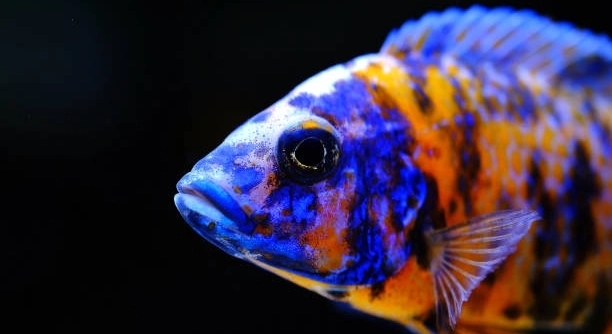
Do you keep convict cichlids and hope for healthy breeding results while avoiding common errors that frustrate beginners and experienced keepers alike in home aquariums today with clear guidance that supports calm, successful tank management
The most frequent breeding failures with convict cichlids result from improper tank size, unstable water parameters, poor pair selection, excessive aggression, and inadequate fry protection. Avoiding these mistakes requires controlled environments, careful observation, consistent maintenance, and planning based on research.
Understanding these mistakes helps improve breeding outcomes, reduce stress, and support healthier convict cichlid pairs throughout each spawning cycle successfully
Using an Inadequate Tank Setup
Breeding convict cichlids in an unsuitable tank setup often leads to stress, poor spawning behavior, and aggressive conflicts. I have learned that limited space restricts territory formation and increases constant chasing. Convicts require defined areas, stable filtration, and consistent water conditions to breed properly. Small tanks make it difficult to control waste, temperature shifts, and oxygen levels. Decorations placed without purpose can remove hiding spots and breeding surfaces. When the environment feels unstable, pairs may fight instead of bond. Overcrowding further worsens tension and disrupts spawning cycles. A thoughtful layout supports natural instincts, reduces unnecessary stress, and allows parents to focus on reproduction rather than survival. Proper preparation creates balance, encourages predictable behavior, and prevents avoidable failures that many keepers experience early on. This setup choice directly affects egg survival, fry development, and long term breeding consistency within the aquarium for serious home breeding efforts with minimal corrective intervention later.
An inadequate tank setup remains one of the most common breeding mistakes. Space limitations, unstable parameters, and poor layout prevent successful pairing. Providing adequate room, proper filtration, and intentional decor supports healthy behavior and consistent spawning. This foundation reduces stress and improves long term breeding stability for convict cichlids overall.
Convict cichlids respond strongly to environmental structure during breeding periods. From my experience, stable conditions allow pairs to establish roles and defend chosen sites calmly. Proper substrate, caves, and visual barriers help reduce unnecessary aggression. Consistent temperature and water quality support egg development and fry survival. When aquariums are prepared with intention, breeding becomes predictable rather than chaotic. This approach minimizes losses and supports natural parental behaviors. Careful setup planning before breeding begins saves time, reduces stress, and creates better outcomes for both fish and keeper. It also builds confidence and consistency with each spawning attempt over repeated breeding cycles.
Ignoring Parental Aggression and Fry Safety
Failing to manage parental aggression and fry safety often results in losses. Convicts are protective breeders, but stress and poor planning can lead to injured tank mates or lost fry without proper separation and observation. This mistake is common in shared breeding tanks with limited visual barriers present during spawning.
Convict cichlids exhibit strong parental instincts, especially during spawning and fry care. I have noticed that unmanaged aggression escalates quickly when space and boundaries are unclear. Parents may attack other fish, stress each other, or even abandon fry if conditions feel unsafe. Fry are vulnerable during early stages and require protection from filtration intake, tank mates, and sudden disturbances. Using breeding tanks or dividers helps control aggression and keeps focus on care rather than defense. Removing non essential fish reduces constant threats. Observation is critical, as behavior can change rapidly after hatching. Adjustments should be made calmly and early. Providing hiding areas for fry and maintaining stable conditions improves survival rates. When aggression is managed properly, convict cichlids display attentive parenting, coordinated defense, and reliable fry development. This controlled approach reduces losses and supports consistent breeding results over time. It also allows keepers to intervene without panic when issues arise. Clear routines, minimal disturbances, and patience support calmer behavior. Over time, pairs become more predictable, making future breeding attempts easier to manage and more successful. Consistency builds trust between keeper actions and parental responses during repeated spawning periods within controlled aquarium environments over time with reduced losses overall for success.
Choosing the Wrong Breeding Pair
Selecting incompatible convict cichlids often leads to constant fighting, failed spawns, and stress. I have seen pairs form quickly but never produce viable eggs. Size differences, age gaps, or forced pairings reduce bonding and interrupt natural breeding behavior within the tank during repeated spawning attempts over extended periods together successfully.
Convict cichlids prefer to choose their own mates through natural interaction. When pairs are rushed or mismatched, aggression replaces cooperation. I have learned that observing behavior before breeding prevents many losses. Healthy pairs display shared territory defense, synchronized movement, and reduced hostility. Allowing juveniles to grow together increases compatibility. Removing rejected partners early avoids injury. Stable pair bonds support egg care and fry protection. Proper selection also reduces stress related illnesses. Patience during pairing creates reliable results and prevents repeated breeding failure caused by incompatible fish choices over long term home aquarium breeding setups with consistent observation and careful planning.
Forced pairing is a mistake I avoided only after early losses. Convicts may tolerate each other briefly, then turn aggressive during spawning. This leads to eaten eggs or abandoned fry. Natural pairing supports calmer behavior. Visual monitoring helps identify true bonds. Once established, pairs should remain undisturbed. Replacing partners resets progress and increases stress. A compatible pair improves survival rates and reduces intervention. Proper pairing decisions influence every breeding stage from courtship to fry independence within controlled aquarium environments over multiple spawning cycles with fewer losses and predictable outcomes for long term breeding stability and keeper confidence overall achieved consistently.
Allowing Unstable Water Conditions
Unstable water conditions disrupt breeding faster than most keepers expect. I learned that sudden temperature shifts and poor filtration stop spawning activity. Inconsistent parameters stress adults and weaken eggs. Poor maintenance increases waste, reduces oxygen, and encourages disease. Without stability, breeding attempts fail repeatedly despite healthy pairs and proper tank layout during critical spawning periods when consistency is required for egg development and early fry survival within home aquariums over time reliably maintained carefully always.
Convict cichlids require stable temperature, pH, and hardness to breed consistently. I maintain routine water changes to prevent sudden shifts. Testing water weekly helps avoid unnoticed problems. Spawning pairs become restless when conditions fluctuate. Eggs may fungus or fail to hatch. Fry growth slows under stress. Reliable heaters, cycled filtration, and controlled feeding support balance. Overcleaning can be just as harmful as neglect. Gradual adjustments protect developing eggs and calm adult behavior. Stable water allows natural parenting instincts to function properly and reduces unnecessary losses during each breeding cycle within managed aquariums where consistency supports long term success and reduces intervention stress for both fish and keeper over repeated spawning attempts with predictable results and healthier fry survival rates overall achieved through careful monitoring habits.
Overfeeding During Breeding
Overfeeding breeding convicts causes rapid waste buildup and water instability. I noticed spawning stopped when food was excessive. Uneaten pellets decay quickly. Heavy feeding increases ammonia, stresses adults, and weakens eggs. Controlled portions support cleaner tanks, calmer behavior, and consistent breeding results over time without constant corrective maintenance efforts later.
I learned moderation matters more than frequency during breeding periods. Small meals prevent waste spikes and digestive stress. Adults remain attentive to eggs instead of scavenging. Fry survival improves with clean conditions. Feeding schedules should match activity levels and filtration capacity for balanced aquarium management overall during active spawning phases.
Failing to Provide Proper Hiding Spaces
Failing to provide proper hiding spaces interrupts breeding behavior. Convicts rely on caves for egg laying and protection. I have seen pairs abandon spawns when shelters were limited. Without defined territories, aggression increases. Simple clay pots or rock structures offer security. Fry also use cover to avoid stress. Open tanks leave eggs exposed to light and disturbance. Proper hiding areas reduce conflict, encourage spawning, and allow parents to focus on care. This setup choice supports calmer behavior, stronger bonds, and improved fry survival rates over repeated breeding attempts in controlled aquariums with stable routines maintained consistently by attentive keepers everywhere.
Neglecting Regular Observation
Neglecting observation during breeding leads to preventable losses. I check behavior daily to catch early issues. Changes in aggression or care signal problems. Quick adjustments protect eggs and fry. Consistent monitoring supports healthier outcomes and reduces stress for both fish and keeper through each spawning cycle over time successfully managed.
FAQ
How can I tell if my convict cichlids are ready to breed?
Convict cichlids show clear signs of readiness. I look for pairs that have matured in size, usually around 4 inches. They establish a territory together, chase away other fish, and start cleaning a flat surface or cave. Color intensifies, and behavior becomes more synchronized. Observing these cues helps avoid forced pairings and ensures the tank environment is prepared. Providing stable water conditions and proper hiding areas encourages natural pairing and increases the likelihood of successful spawning during the breeding cycle.
What is the best tank size for breeding convict cichlids?
A minimum of 20 gallons per pair is ideal. I’ve found smaller tanks create stress and constant aggression, which often leads to abandoned eggs. More space allows territorial separation, calm behavior, and proper care of fry. Adequate filtration and structured layout, including rocks or caves, support natural instincts and protect both eggs and young fish from disturbances. Larger tanks also make it easier to manage water quality, monitor aggression, and maintain stability, all of which are crucial for repeated, healthy breeding results.
How often should I feed convict cichlids during breeding?
Feeding small, controlled portions twice daily works best. I avoid overfeeding because uneaten food causes ammonia spikes and stresses both parents and fry. Adults remain focused on eggs rather than scavenging, and water conditions stay more stable. Fry benefit from cleaner water and controlled feeding later, once they become free-swimming. Adjusting portions to tank size and filtration ensures a balanced environment and supports predictable behavior in pairs during sensitive breeding periods.
Do I need special water parameters for breeding?
Yes, stability is key. Convict cichlids prefer slightly hard water, pH around 7.0 to 8.0, and consistent temperatures near 78–82°F. I monitor daily at the start of the breeding cycle, checking for sudden shifts. Consistency reduces stress, improves egg viability, and encourages active parental care. Using a reliable heater, tested filtration, and routine water changes maintains balance and prevents disease, fungus on eggs, or fry loss. Stable parameters directly impact long-term success in repeated breeding attempts.
How do I protect fry after hatching?
Fry need hiding areas and protection from tank mates. I provide small caves or plants where they can retreat. Parents are protective, but over-aggression or sudden disturbances can harm fry. Observing behavior and reducing external stress ensures higher survival rates. Once fry become free-swimming, gradual feeding of finely crushed food supports growth without polluting water. Maintaining a consistent environment with minimal interference is the most effective way to protect young fish.
What common mistakes should I avoid?
Common mistakes include overfeeding, pairing incompatible fish, ignoring aggression, unstable water conditions, and providing no hiding spaces. I’ve seen each lead to abandoned eggs, eaten fry, or stressed adults. Careful observation, preparation, and consistency prevent these issues. Managing aggression, maintaining water quality, and offering proper shelter support natural breeding behaviors and reliable fry survival.
Can I breed more than one pair in the same tank?
It is possible, but careful planning is required. I use separate territories or dividers to prevent conflict. Without adequate space or visual separation, aggression escalates quickly, and eggs or fry are at high risk. If using multiple pairs, monitor behavior closely and ensure each pair has proper hiding spaces, defined territory, and sufficient water volume to reduce stress and improve survival. This method allows multiple spawns without compromising health or breeding success.
How long does it take for eggs to hatch?
Eggs usually hatch in 3–4 days under stable conditions. I monitor daily, keeping water clean and temperature constant. Parents guard the eggs and fan them to improve oxygen flow. After hatching, fry remain near the parents for several days, relying on protection until they become free-swimming. Quick hatching depends on consistent conditions, attentive observation, and minimal disturbances in the tank environment.
What should I do if parents eat their eggs?
Egg-eating often happens due to stress, poor pair compatibility, or unstable water. I remove stressed or aggressive fish immediately and improve tank conditions. Providing secure hiding spots can prevent this behavior. Sometimes separating eggs into a breeding box increases survival. Observing the pair carefully allows interventions without disturbing natural parental behavior. Avoiding repeated stressors reduces the risk in future breeding cycles.
How can I encourage natural pairing?
Natural pairing occurs when juveniles mature together in a stable environment. I allow fish to choose their partners by observing interactions over time. Forced pairings often fail. Providing space, consistent water parameters, and minimal interference lets bonds form naturally. Compatible pairs display synchronized behavior, shared territory defense, and calm interactions. Encouraging this process improves egg care, reduces aggression, and supports consistent fry survival across multiple breeding attempts.
Final Thoughts
Breeding convict cichlids can be challenging, but careful preparation makes the process smoother and more rewarding. I have found that the key to success lies in creating a stable, comfortable environment for the fish. Tank size, layout, and water conditions directly affect behavior and spawning success. Small tanks or poorly arranged spaces increase stress and aggression, which often leads to abandoned eggs or lost fry. Providing hiding spots, caves, and clear territory boundaries allows pairs to feel secure and focus on reproduction. Attention to these basics prevents many of the most common mistakes new breeders make, and it reduces the need for constant intervention during each breeding cycle. Consistency in tank management is more important than complicated setups or frequent adjustments, as convict cichlids respond best to calm, predictable environments where their natural instincts can guide the breeding process without unnecessary stress.
Feeding and water maintenance are equally important in supporting healthy breeding. Overfeeding or inconsistent water parameters often cause stress, reduce parental attention, and increase the risk of disease or egg loss. I have noticed that small, measured feedings and routine water testing keep adults attentive and healthy while providing optimal conditions for eggs and fry. Stable temperature, pH, and hardness levels create a predictable environment that encourages consistent spawning and reduces losses due to environmental stress. During the early stages, observing the pair’s behavior allows for early intervention if aggression or other issues arise. Taking the time to understand how convict cichlids behave under controlled conditions helps avoid mistakes that many keepers face, and it supports healthier fry development. This balance between careful observation, proper feeding, and clean, stable water is what separates successful breeding attempts from repeated failures.
Patience and careful observation remain the most valuable tools in breeding convict cichlids. Rushing the process or forcing pairs together often leads to conflict or poor results. Allowing fish to form natural bonds and maintaining stable, well-planned tanks improves egg care, fry survival, and long-term pair compatibility. Each breeding attempt is an opportunity to learn more about behavior, aggression management, and environmental needs. I have found that following a consistent routine, monitoring water quality, and adjusting only when necessary creates calmer fish and stronger parental instincts. Over time, these practices reduce stress, improve success rates, and allow breeders to feel confident in their approach. By focusing on preparation, observation, and patience, anyone can successfully breed convict cichlids while minimizing preventable mistakes and supporting healthy, thriving fry in a controlled aquarium setting.

Hello,
If you enjoy the content that we create, please consider saying a "Thank You!" by leaving a tip.
Every little bit helps us continue crafting quality advice that supports the health, happiness, and well-being of pets around the world, for pets of all shapes, sizes, and species.
We really appreciate the kindness and support that you show us!