
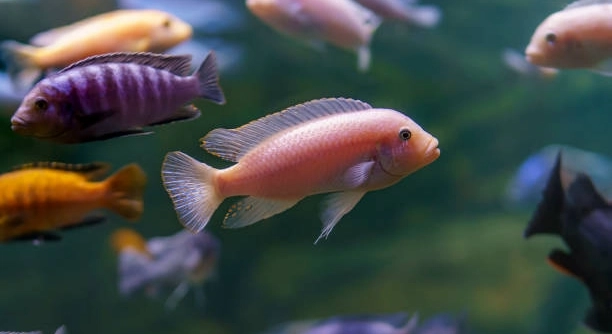
Convict cichlids are popular aquarium fish known for their vibrant colors and active behavior. Providing the right environment for them can make a big difference in their health and overall happiness in your tank. Lighting is an important factor that influences their behavior, coloration, and growth patterns.
The best lighting for convict cichlids is moderate and evenly distributed, replicating natural daylight. Using full-spectrum LED lights or fluorescent bulbs for 8 to 10 hours a day supports healthy activity, vibrant colors, and overall well-being in captivity.
Proper lighting affects more than just appearance; it helps maintain their natural rhythms and tank environment. Understanding how to set up the correct lighting ensures your fish thrive and your aquarium stays balanced.
Understanding Convict Cichlid Lighting Needs
Convict cichlids are freshwater fish that thrive in a well-lit aquarium, but they do not require intense lighting. Moderate lighting helps simulate their natural habitat and encourages natural behavior like foraging, exploring, and interacting with other fish. Bright light can cause stress or aggressive tendencies, so it is important to find a balance. Using full-spectrum lighting mimics daylight and enhances their natural coloration, making them look healthier and more vibrant. Light placement also matters; overhead lighting provides even illumination without creating harsh spots. Timing is another factor—keeping lights on for about eight to ten hours each day maintains their biological rhythms. Sudden changes in lighting intensity can disturb their routine and increase stress levels. Many hobbyists pair lighting with natural hiding spots like rocks and plants to reduce stress. This setup promotes comfort, encourages activity, and allows their colors to shine without causing harm or overstimulation.
Proper lighting makes a significant difference in their behavior and tank appearance. Choosing the right type is essential.
In addition to the type and duration of light, it is important to consider the tank environment. Plants, rocks, and decorations can affect how light spreads, creating shaded areas where fish can rest. Adjusting light intensity gradually helps cichlids adapt without causing sudden stress. LED lights are preferred due to low heat output and energy efficiency, and they offer options to adjust color and intensity. Consistent lighting schedules also help regulate feeding, breeding, and social interactions among tank mates. Observing your fish’s behavior is key—faded colors or excessive hiding may indicate lighting issues. A combination of proper lighting, suitable tank decor, and consistent maintenance ensures convict cichlids remain healthy, active, and visually appealing. This approach makes it easier to maintain a balanced aquarium and enjoy their natural behavior over time.
Choosing the Right Light Type
LED lights are widely recommended for convict cichlid tanks due to efficiency and flexibility.
Selecting the proper light involves more than just choosing a bright bulb. LEDs provide a full spectrum of light similar to natural daylight, which enhances color without producing excessive heat. Fluorescent bulbs are another option, offering even lighting and a stable output. Avoid halogen or incandescent bulbs, which can create hotspots and stress fish. Light color temperature also matters: a 5000K to 7000K range replicates natural daylight effectively, supporting both fish and live plants if included. Positioning the light correctly ensures even distribution across the tank. Consider a timer to maintain consistent day-night cycles. Combining light with shaded areas using plants or rock formations allows fish to regulate exposure, reducing stress. Properly chosen lighting supports feeding habits, mating behaviors, and overall health while making the aquarium visually appealing and balanced. A thoughtful approach ensures convict cichlids stay vibrant and active for years.
Adjusting Light Duration
Keeping the lights on for 8 to 10 hours a day provides a consistent cycle for convict cichlids. Too much light can stress them, while too little reduces activity and dulls colors. A timer helps maintain regularity and supports natural behaviors.
Gradually adjusting light duration when setting up a new tank helps fish adapt without stress. Sudden changes can cause hiding, aggression, or changes in feeding habits. Observing their activity patterns shows if the lighting is suitable. Providing shaded areas with rocks or plants allows them to regulate exposure naturally. Consistency in lighting not only maintains color vibrancy but also encourages regular feeding and social interactions. Over time, a well-regulated light schedule contributes to healthier, more active fish.
Monitoring light duration is important during seasonal changes. Natural daylight exposure can vary, so maintaining an artificial schedule ensures stability. Avoid bright lights directly on the tank surface, as this can overheat water and disturb fish. Adjusting gradually when modifying lighting hours prevents stress. Using a dimmer or programmable LED system helps simulate sunrise and sunset, creating a calmer environment. Providing areas with lower light intensity allows fish to rest when needed. Overall, consistent, moderate lighting supports normal behavior, promotes bright colors, and reduces aggression in convict cichlids.
Impact of Lighting on Color
Proper lighting highlights the natural colors of convict cichlids. Full-spectrum light enhances their orange and black patterns, making them appear vibrant and healthy.
Lighting affects both mood and appearance. Fish exposed to suitable light display brighter colors, which indicate good health and proper nutrition. In contrast, insufficient or harsh lighting can make colors fade or appear dull. Balanced lighting also influences breeding behavior, as well-lit environments encourage activity and interaction. Combining moderate lighting with natural hiding spots ensures fish feel secure, reducing stress that may otherwise dull colors or trigger aggression. Adjusting intensity and duration based on behavior helps maintain consistent vibrancy.
Color vibrancy is not only aesthetic but also a sign of well-being. Fish in tanks with inconsistent lighting may become less active or hide excessively, affecting their overall health. Proper light placement, spectrum, and duration contribute to enhanced patterns, improved visibility of fins, and a more attractive display. Pairing full-spectrum lighting with plants and decor ensures light reflects naturally, boosting contrast and depth in their coloration. Observing subtle changes in brightness and pattern can guide adjustments in lighting, keeping convict cichlids active, healthy, and visually striking over time.
Light Placement in the Tank
Positioning lights correctly ensures even illumination across the aquarium. Overhead placement avoids shadows and hotspots, giving convict cichlids consistent exposure.
Avoid placing lights too close to the water surface. Excessive brightness can stress fish and encourage algae growth. Using adjustable fixtures helps control intensity and direction, creating a balanced environment for activity and rest.
Balancing Light with Tank Decor
Rocks, plants, and other decorations create natural shaded areas that complement lighting. Shaded spots allow convict cichlids to regulate exposure and feel secure. Proper placement of decor ensures light spreads evenly while providing hiding spaces, reducing stress and aggression. Balance between open lit areas and shaded zones enhances behavior and tank aesthetics.
Seasonal Adjustments
Changing light duration with seasons helps maintain natural rhythms. Shorter days require slightly reduced lighting, while longer days need careful monitoring to avoid overexposure.
Avoiding Overexposure
Excessive light can promote algae growth and stress fish. Limiting light to recommended hours and using moderate intensity prevents negative effects on tank health.
FAQ
What type of lighting is best for convict cichlids?
Full-spectrum LED or fluorescent lights are ideal because they mimic natural daylight and provide consistent illumination. This type of lighting enhances their colors, supports healthy activity, and prevents stress. Avoid halogen or incandescent bulbs, which can create hotspots and uneven light distribution.
How long should the lights be on each day?
Lights should be on for 8 to 10 hours daily. This schedule replicates natural day-night cycles, keeping fish active during the day and allowing rest at night. Using a timer ensures consistency, which helps regulate feeding and social behavior. Gradually adjust timing when changing schedules.
Can too much light harm convict cichlids?
Yes, overly bright or prolonged lighting can stress fish, cause hiding, and even trigger aggression. Excess light can also encourage algae growth in the tank, which impacts water quality. Providing shaded areas with rocks or plants helps fish regulate exposure naturally.
Do convict cichlids need shaded areas in the tank?
Shaded areas are essential. Convict cichlids use them to rest, feel secure, and avoid overstimulation. Placing rocks, plants, or decorations strategically allows fish to escape intense light while maintaining an evenly lit tank for activity and display.
Does lighting affect their color?
Proper lighting directly affects color vibrancy. Full-spectrum lighting enhances orange and black patterns, making the fish look healthier and more active. Inadequate or harsh light can dull colors, while consistent, moderate lighting brings out their natural patterns over time.
Is natural sunlight suitable for their tank?
Natural sunlight can work but must be limited. Direct sunlight increases water temperature and can cause algae blooms. If sunlight enters the tank, make sure it is indirect and supplemented with proper artificial lighting to maintain consistent day-night cycles.
How should lights be positioned in the tank?
Lights should be positioned overhead and evenly across the tank to avoid shadows or bright spots. Adjustable fixtures allow control over intensity and direction, creating a balanced environment that supports both activity and resting areas for the fish.
Do seasonal changes affect lighting needs?
Yes, seasonal changes can impact natural light exposure. Shorter daylight periods may require slightly extended artificial lighting, while longer daylight needs careful monitoring to prevent overexposure. Maintaining consistent lighting ensures that fish keep regular biological rhythms year-round.
Can lighting impact breeding behavior?
Proper lighting encourages natural behaviors, including mating. Consistent, moderate light promotes activity and interaction between fish. Inadequate or inconsistent lighting can reduce interest in breeding or cause stress, affecting reproduction success.
How do I monitor if the lighting is right?
Observe fish behavior and coloration. Bright, active fish with vivid colors indicate suitable lighting. Excessive hiding, faded patterns, or aggression suggest adjustments are needed. Combine visual observation with timers, dimmers, and proper light placement for optimal results.
What is the best way to prevent algae under artificial lighting?
Control light duration, avoid direct sunlight, and maintain regular water changes. Adding live plants can compete with algae for nutrients. Moderate intensity and even light distribution reduce hotspots where algae tend to grow, keeping the tank cleaner and healthier for convict cichlids.
Can lighting affect tank plants alongside convict cichlids?
Yes, full-spectrum lighting supports both fish and plants. Plants benefit from proper light for growth, which indirectly improves water quality and provides natural hiding areas. Balanced lighting prevents overgrowth and ensures both fish and plants thrive together.
Is it necessary to dim lights at night?
Yes, dimming or turning off lights at night replicates natural darkness. This helps fish rest, reduces stress, and maintains a healthy circadian rhythm. Timers or programmable LEDs can create gradual transitions to simulate sunrise and sunset, keeping the tank environment natural and calm.
How often should I adjust or replace aquarium lights?
LEDs last several years but may need adjustment as they age. Fluorescent bulbs should be replaced every 12 to 18 months for consistent output. Regularly check light intensity and distribution to ensure convict cichlids continue to receive optimal lighting for activity, color, and overall health.
What should I do if my fish seem stressed despite proper lighting?
Check for other factors like water quality, temperature, tank size, or aggression among fish. Lighting is important, but stress can result from multiple environmental issues. Ensuring shaded areas, consistent schedules, and proper decor alongside lighting adjustments usually resolves most problems.
Can I use multiple light sources in one tank?
Yes, combining overhead LED lighting with supplemental side or background lights can improve color visibility and create depth. Just avoid excessive brightness. Multiple sources should be balanced to provide even illumination without stressing the fish or encouraging algae growth.
How do I maintain consistent lighting during power outages?
Using a battery-backed timer or manual light control helps maintain a day-night cycle. Short interruptions are usually fine, but prolonged outages may require temporary adjustments to prevent sudden stress in convict cichlids. Maintaining consistency is key for their health and behavior.
Can lighting alone improve fish health?
Lighting supports health indirectly by regulating activity, coloration, and behavior. However, water quality, nutrition, and tank conditions are equally important. Proper lighting works best as part of a balanced environment, promoting overall well-being alongside proper care routines.
Do juvenile convict cichlids need different lighting than adults?
Juveniles benefit from the same full-spectrum, moderate lighting as adults. However, they may need more shaded areas to reduce stress. Gradually acclimating young fish to brighter or longer light periods ensures safe growth and proper development of natural coloration and behavior.
How can I tell if lighting is causing aggression?
If fish become more territorial, chase tank mates excessively, or hide in constant shaded areas, lighting may be too intense or uneven. Adjusting brightness, duration, and placement, while providing cover, usually reduces aggression and restores balance in the tank environment.
What is the easiest way to maintain optimal lighting for convict cichlids?
Use full-spectrum LED lights with timers, position lights overhead, provide shaded areas, and observe fish behavior regularly. Adjust intensity and duration gradually, replace bulbs when needed, and balance lighting with tank decor to create a stable, healthy environment that supports activity, color, and comfort.
Final Thoughts
Providing the right lighting for convict cichlids is one of the most important factors in maintaining a healthy and balanced aquarium. Light influences their behavior, color, and overall well-being. Too much light can cause stress, aggressive behavior, and promote algae growth, while too little light can dull colors and reduce activity. The goal is to create a moderate, consistent lighting schedule that mimics their natural habitat. Using full-spectrum LED or fluorescent lighting is the most effective way to achieve this, as it offers even illumination, low heat output, and adjustable intensity. Positioning the lights overhead ensures the tank is evenly lit, while adding shaded areas with rocks, plants, or decorations gives the fish places to rest and feel secure. A timer is helpful for maintaining a consistent day-night cycle, which is essential for their natural rhythms and feeding habits. Gradually adjusting light intensity or duration when making changes prevents sudden stress, and observing the fish’s behavior provides valuable feedback on whether the lighting setup is working well.
Lighting also plays a key role in enhancing the natural colors of convict cichlids. These fish display vibrant orange and black patterns that are most visible under proper lighting. When the light is too dim or harsh, their colors can appear faded or dull, which may be a sign of stress or an unsuitable environment. Consistent, moderate lighting brings out the best in their appearance while supporting their activity levels. It also encourages natural behaviors such as exploring the tank, interacting with tank mates, and even breeding. Combining proper lighting with thoughtfully placed decor allows the fish to regulate their exposure while still being able to enjoy the benefits of a well-lit environment. Observing subtle changes in color and activity can help identify whether adjustments are needed, making lighting a practical tool for monitoring health and well-being. Lighting is not just about aesthetics; it directly affects the comfort, behavior, and vitality of your convict cichlids.
Finally, maintaining a proper lighting routine is part of a larger care strategy that includes clean water, appropriate temperature, proper diet, and a suitable tank environment. While lighting alone cannot solve all health or behavioral issues, it works in tandem with these factors to create a stable and supportive habitat. Regularly checking light placement, intensity, and duration, while ensuring shaded areas are available, helps minimize stress and aggression. Seasonal adjustments may also be needed to simulate natural day length and maintain consistent biological rhythms. Over time, investing attention in proper lighting improves the overall quality of life for convict cichlids, encouraging healthy growth, vibrant colors, and natural activity. By understanding the needs of these fish and adjusting lighting thoughtfully, it is possible to create a tank environment that is both visually appealing and supportive of long-term health and comfort. Proper lighting is a small but powerful step toward keeping convict cichlids active, happy, and thriving in their home aquarium.

Hello,
If you enjoy the content that we create, please consider saying a "Thank You!" by leaving a tip.
Every little bit helps us continue crafting quality advice that supports the health, happiness, and well-being of pets around the world, for pets of all shapes, sizes, and species.
We really appreciate the kindness and support that you show us!