
Breeding cycles can seem mysterious, but there are patterns in behavior and biology that make them more predictable. Observing these patterns over time allows pet owners and breeders to plan care and anticipate key moments. Consistency helps maintain healthy routines for animals.
Identifying patterns in breeding cycles involves monitoring physical signs, behavioral changes, and environmental influences. Regular observation, record-keeping, and understanding species-specific rhythms are essential tools for predicting reproductive timing and ensuring optimal care during each stage of the cycle.
Recognizing these signals early can save time and reduce stress for both animals and their caretakers. By understanding patterns, you can approach breeding with more confidence and awareness.
Observing Behavioral Changes
Animals often show subtle signs when they are approaching their breeding cycle. These can include increased activity, restlessness, or more frequent vocalizations. Some may seek more attention or act differently around other animals. Keeping a daily log of behaviors can reveal consistent patterns that repeat each cycle. Over time, these observations allow caretakers to predict when an animal is entering its fertile period and prepare accordingly. Changes in appetite, sleeping patterns, or interaction with toys and bedding can all be early indicators. Being attentive to these signals not only helps with breeding but also supports overall wellbeing. Observing behavior helps prevent stress-related issues and ensures the environment is suitable for reproductive health. Tracking subtle shifts in mood or activity often gives the clearest insight into when key breeding events will occur, making the process smoother and more manageable. Careful observation builds a reliable framework for anticipating cycles and planning necessary care.
Behavioral observation is essential for predicting reproductive timing accurately. Noting daily habits and changes provides reliable insight for anticipating cycles and preparing care routines effectively.
Recording these patterns consistently can become second nature. A simple notebook or digital app can track behaviors, feeding, and interaction times. Over months, you will start noticing trends that correlate with hormonal or seasonal changes. This record becomes an invaluable reference, helping avoid missed opportunities or unnecessary stress. Even small observations, like a change in grooming habits or new nesting behaviors, can indicate an approaching cycle. Using this data allows adjustments in diet, environment, or social interaction to support reproductive health. The more details you track, the clearer the cycle predictions become. Eventually, these patterns will make breeding schedules more predictable and manageable. Observing behavior closely also strengthens the bond with the animal, creating a calmer and more responsive environment. By combining careful tracking with consistent routines, the process becomes smoother, ensuring animals remain healthy and cycles are well-supported.
Physical Signs to Watch
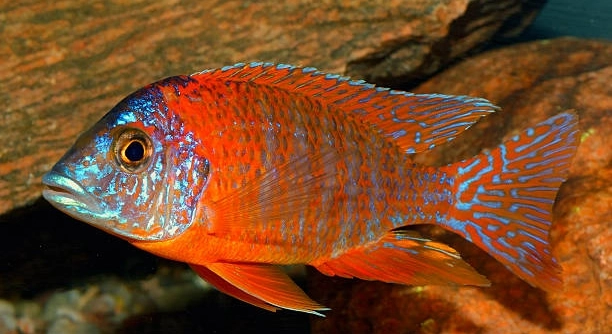
Physical indicators often accompany behavioral changes. Swelling, color changes, or shifts in posture can signal readiness for mating. Observing these signs helps determine the exact timing of the breeding cycle and ensures proper care.
Monitoring physical signs requires patience and attention to detail. Each species shows unique markers, so understanding typical patterns is crucial. For example, some animals develop visible changes in specific body areas, while others may show changes in coat texture or scent. Regular inspection, ideally at the same time each day, ensures consistency. Combining these observations with behavioral records improves prediction accuracy. Physical readiness often aligns closely with hormonal shifts, making it a reliable indicator. Awareness of these signs allows caretakers to manage social interactions, nutrition, and environmental conditions appropriately. It also helps prevent unnecessary stress or missed opportunities. Over time, recognizing these patterns becomes intuitive, allowing for more precise planning and timely intervention during breeding periods. Physical cues provide a tangible measure to complement behavioral tracking, giving a fuller picture of reproductive cycles. Proper observation ensures animals stay healthy while cycles proceed naturally.
Environmental Triggers
Lighting, temperature, and seasonal changes can strongly influence breeding cycles. Animals often respond to longer daylight or warmer temperatures, which signal favorable conditions for reproduction. Adjusting the environment can help align breeding timing with natural patterns.
Controlling environmental factors is particularly important for species sensitive to seasonal shifts. For example, increasing daylight hours with artificial lighting can simulate spring conditions, prompting reproductive behavior. Temperature regulation is equally critical, as some animals require warmth for hormonal activation and fertility. Even small changes in humidity, nesting areas, or access to outdoor spaces can impact readiness. Observing how animals respond to these shifts provides insight into their natural cycles and allows adjustments to optimize breeding outcomes. Monitoring environmental factors alongside behavioral and physical signs creates a comprehensive understanding of timing, helping ensure both health and successful reproduction.
Environmental cues are not the only factors affecting cycles, but they often act as catalysts. By carefully managing light, temperature, and seasonal conditions, it becomes easier to predict and support reproductive behavior consistently. Animals respond naturally to cues in their surroundings, making it essential to provide stable yet stimulating conditions. Combined with careful observation of behavior and physical signs, environmental management creates a supportive framework for healthy and timely breeding. Adjusting surroundings gradually and thoughtfully ensures animals remain comfortable while cycles proceed predictably, reducing stress and improving outcomes.
Nutritional Influence
Proper diet directly impacts fertility and overall reproductive health. Balanced nutrition supports hormonal function and prepares the body for successful mating. Deficiencies or imbalances can delay or disrupt cycles.
Maintaining consistent, high-quality nutrition is essential for breeding success. Adequate protein, essential vitamins, and minerals strengthen reproductive systems, while insufficient nutrients may result in irregular or skipped cycles. Some species require seasonal dietary adjustments to mimic natural conditions and trigger reproductive readiness. Observing feeding habits can indicate health status and readiness, as changes in appetite often align with hormonal fluctuations. Supplements should only be introduced under guidance to avoid overcorrection or imbalances. A diet tailored to species-specific needs ensures energy levels, body condition, and fertility remain optimal. Proper feeding directly influences the timing and quality of reproductive cycles, making nutrition a critical element of predictive care.
Beyond daily meals, the timing and availability of food play a role in breeding behavior. Animals often respond to regular feeding schedules and may show increased interest in mating when nutritional needs are consistently met. Seasonal changes in natural diets, such as increased availability of certain fruits or plants, can also act as reproductive triggers. By observing dietary intake alongside behavioral and physical signs, caretakers can detect patterns that signal readiness. Combining careful nutritional planning with monitoring routines supports reproductive health and helps predict cycles more accurately, making management more effective and less stressful for both animals and caretakers.
Social Interactions
Interactions with other animals influence breeding readiness. Animals often become more attentive or competitive around potential mates. Observing these social behaviors helps predict the timing of cycles.
Changes in hierarchy, play behavior, or mutual grooming can indicate reproductive interest. Monitoring these interactions gives clues about peak fertility and readiness for mating.
Hormonal Patterns
Hormones regulate reproductive cycles and affect behavior, appetite, and energy. Tracking these changes, either through observation or veterinary testing, provides a reliable method for predicting breeding timing. Hormonal shifts often align with physical and behavioral cues, reinforcing other signs of reproductive readiness.
Health and Stress Levels
Overall health and stress significantly impact breeding cycles. Illness or high stress can delay or disrupt reproductive timing, making regular care and a calm environment essential.
FAQ
How can I tell when my animal is ready to breed?
Readiness is often indicated by a combination of behavioral, physical, and environmental signs. Increased activity, restlessness, changes in appetite, and specific physical cues like swelling or color changes can signal fertility. Observing these patterns consistently helps predict peak mating periods.
Do environmental changes really affect breeding cycles?
Yes, lighting, temperature, and seasonal shifts can strongly influence reproductive behavior. Animals often respond to longer daylight, warmer temperatures, or changes in humidity. Adjusting these factors can help align cycles with natural patterns, making timing more predictable.
What role does diet play in reproduction?
Proper nutrition supports hormonal balance and overall reproductive health. Deficiencies or imbalances can delay cycles or reduce fertility. Species-specific diets, with adequate protein, vitamins, and minerals, are essential. Observing appetite changes can also indicate hormonal shifts related to breeding readiness.
Can stress affect breeding cycles?
Stress can significantly disrupt reproductive timing. Illness, environmental disturbances, or social conflicts may delay or prevent cycles. Providing a calm, stable environment and minimizing stressors ensures animals remain healthy and cycles proceed predictably.
Should I track behavior daily?
Daily observation is highly beneficial. Recording activity levels, feeding habits, grooming, and interactions helps identify patterns. Over time, these notes reveal cycles more accurately than sporadic monitoring, allowing for better planning and care.
How important are social interactions?
Interactions with other animals influence reproductive behavior. Mutual grooming, play, or increased attention around potential mates can indicate readiness. Observing social dynamics, including hierarchy shifts, helps predict fertile periods and manage introductions safely.
Can physical signs alone predict cycles?
Physical signs provide strong indicators but are most effective when combined with behavior and environmental cues. Swelling, color changes, or posture adjustments often align with hormonal shifts, offering a clear picture of reproductive timing.
Do seasonal patterns matter for indoor animals?
Even indoor animals may respond to simulated seasonal cues. Artificial lighting, temperature adjustments, and controlled environmental changes can trigger cycles, mimicking natural conditions for more predictable breeding patterns.
How can veterinary testing help?
Hormonal testing or veterinary exams can confirm readiness and detect irregularities. These tools complement observation and provide precise timing for mating, ensuring reproductive health and success.
Is it normal for cycles to vary between individuals?
Yes, cycles can differ due to genetics, age, health, or environment. Tracking each animal individually ensures accurate predictions and helps tailor care to support optimal breeding outcomes.
What if an animal skips a cycle?
Skipped cycles may result from stress, illness, or nutritional deficiencies. Monitoring health, diet, and environment, and adjusting as needed, usually helps restore regular cycles. Patience and consistent observation are key.
How do I combine all these factors?
Observing behavior, tracking physical signs, managing environment, providing proper nutrition, and monitoring stress levels together offers the most reliable prediction of breeding cycles. Using multiple indicators ensures animals remain healthy and cycles proceed naturally.
Can these patterns change over time?
Yes, age, health changes, or environmental adjustments can alter patterns. Regular tracking and flexibility in care help adapt to these changes, keeping predictions accurate.
Are supplements necessary for breeding?
Supplements are only helpful if dietary deficiencies exist. Excess supplementation can cause harm. A balanced, species-specific diet is usually sufficient for supporting reproductive health.
How precise can predictions be?
With consistent observation and record-keeping, predictions become increasingly accurate. Combining behavioral, physical, nutritional, environmental, and social cues provides a strong framework to anticipate cycles with confidence.
What if I have multiple animals?
Tracking each individually is essential. Social dynamics and individual health differences mean cycles may not align. Individual observation ensures proper care and timing for each animal.
How long should I track before making predictions?
Several cycles are ideal for establishing reliable patterns. Consistent monitoring over months helps identify trends, improving the accuracy of cycle predictions and supporting reproductive success.
Do breeding cycles affect other health aspects?
Yes, reproductive cycles influence energy, appetite, and behavior. Monitoring these changes helps detect potential health issues early, allowing proactive care to support both breeding and overall wellbeing.
Can I use technology to help track cycles?
Digital apps, spreadsheets, or photos can simplify record-keeping. Regular updates provide a visual history of patterns, making it easier to identify trends and anticipate cycles.
Is it normal for patterns to seem subtle?
Subtlety is common. Small changes in behavior, posture, or appetite often indicate the start of a cycle. Paying attention to minor shifts allows early intervention and better care throughout the breeding period.
How do I adjust if cycles are irregular?
Identify possible causes such as stress, diet, or environmental factors. Adjust conditions gradually, maintain consistent observation, and consult a veterinarian if necessary. Over time, cycles often stabilize with attentive care and pattern recognition.
What is the most reliable method to predict cycles?
A combined approach is best. Observing behavior, noting physical signs, managing diet and environment, and monitoring stress together provides the most accurate predictions for breeding timing.
Final Thoughts
Predicting breeding cycles becomes much easier when you pay attention to patterns in behavior, physical signs, and environmental factors. Animals often give subtle cues that indicate when they are ready to breed. Restlessness, changes in appetite, or shifts in interaction with other animals can all be signs of an approaching cycle. Observing these behaviors consistently allows caretakers to notice trends over time. Physical indicators like swelling, color changes, or posture adjustments often align with hormonal shifts, making it possible to anticipate key moments. Environmental factors, including light, temperature, and seasonal changes, also play a significant role in triggering reproductive behavior. Adjusting these conditions thoughtfully can help align breeding timing with natural readiness. Nutrition is another critical element. A balanced diet that meets species-specific needs supports hormonal function, energy levels, and overall reproductive health. Tracking all these factors together provides a comprehensive view that makes predictions more reliable.
Consistent observation and record-keeping are essential for accuracy. Keeping a simple log of daily behaviors, feeding habits, and physical signs creates a clear timeline of each animal’s cycles. Over several months, patterns often emerge that make forecasting future cycles more straightforward. These records are especially helpful when managing multiple animals, as individual cycles may vary. Even small details, like changes in grooming or nesting behavior, can provide important information about readiness. Monitoring stress levels and overall health is equally important. High stress, illness, or environmental disruptions can delay or interrupt cycles, while calm, stable conditions encourage natural reproductive behavior. Paying attention to social interactions is also beneficial. Animals often respond to potential mates or group dynamics, and observing these interactions can help predict fertile periods. Combining all these methods builds confidence in managing breeding cycles and ensures animals remain healthy and comfortable throughout the process.
Breeding is a complex process, but understanding the patterns behind it makes it manageable. It is not necessary to rely on a single indicator; instead, combining behavioral observation, physical signs, environmental management, nutrition, and social monitoring gives the clearest picture of reproductive timing. Patience is important because cycles may vary due to age, health, or environmental changes. Flexibility and attention to detail are key for maintaining accuracy. Over time, recognizing these patterns becomes intuitive, allowing caretakers to plan effectively without causing stress for the animals. By taking a careful, consistent approach, breeding cycles can be anticipated more confidently. This ensures that animals receive the proper care at the right time, supporting both their health and the success of the breeding process. With practice and careful observation, predicting cycles becomes a natural part of routine care.

Hello,
If you enjoy the content that we create, please consider saying a "Thank You!" by leaving a tip.
Every little bit helps us continue crafting quality advice that supports the health, happiness, and well-being of pets around the world, for pets of all shapes, sizes, and species.
We really appreciate the kindness and support that you show us!