
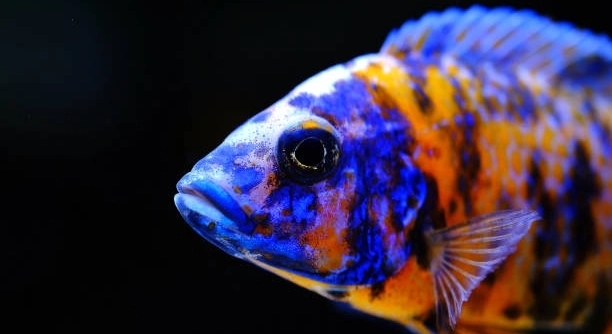
Caring for cichlids can be rewarding, but losing fry is a common challenge many fishkeepers face. Watching tiny fry disappear can be discouraging, leaving owners concerned about their fish’s ability to recover and thrive in the tank.
Cichlids can recover from lost fry, but the process depends on the species, tank conditions, and the parents’ health. Providing a stable environment and proper nutrition helps adult cichlids regain strength and continue breeding successfully.
Understanding the recovery process can improve your aquarium management and support healthier future fry. Small changes in care often lead to meaningful results for your fish.
Common Reasons Cichlids Lose Fry
There are several reasons why cichlids may lose their fry. Poor water quality is one of the main factors. High levels of ammonia, nitrites, or sudden temperature changes can stress both the parents and the young. Overcrowded tanks also create competition for space and food, making fry more vulnerable. Sometimes, the parents themselves may eat the fry, especially if they feel threatened or inexperienced. Stress from nearby aggressive fish or sudden changes in the environment can trigger this behavior. Inadequate nutrition also affects both the adults and the developing fry. Without proper food, the fry may be weak or fail to survive. Even subtle factors, like low oxygen levels or improper filtration, can play a role. Observing tank conditions carefully and making small, consistent adjustments can greatly improve fry survival. Understanding these causes helps prevent repeated losses in future breeding attempts.
Addressing water quality and diet often dramatically increases the chances of fry survival.
Keeping fry safe requires careful tank management. Monitoring temperature, filtration, and feeding schedules creates an environment where both parents and fry can thrive, reducing stress and loss.
How to Support Recovery
Restoring cichlids after fry loss involves focused care and attention.
Begin by separating stressed adults if necessary and ensuring water parameters are stable. Regular, small feedings of high-quality food help adults regain strength, while maintaining consistent filtration and aeration reduces stress. Observing behavior allows you to intervene quickly if aggression or illness appears. Reintroducing breeding conditions should be gradual, allowing fish to recover fully before attempting another spawn. Avoid sudden tank changes, as cichlids respond poorly to rapid alterations in their environment.
Providing proper nutrition, stable water conditions, and a calm environment helps adult cichlids recover physically and mentally. Some species may resume breeding quickly, while others need more time. Monitor behavior closely and adjust care routines as needed. Overfeeding or rapid changes in tank setup can slow recovery. Consider adding hiding spots or rearranging decorations to reduce stress and provide secure spaces. Keeping detailed notes on water quality, diet, and fish behavior helps track recovery progress and improves future breeding attempts. Recovery is gradual, but consistent care ensures adult cichlids regain their vitality and increases the likelihood of healthier fry in future spawns.
Preventing Future Fry Loss
Maintaining stable water conditions is key. Regular testing for ammonia, nitrites, and pH keeps your tank safe. Avoid sudden temperature changes and ensure proper filtration. Providing hiding spots for fry reduces stress and protects them from adult fish.
Consistent feeding of high-quality foods strengthens both adults and fry. Protein-rich diets help fry develop faster, while adults recover from stress. Avoid overfeeding, as leftover food can pollute the tank. Observing how your fish interact helps identify aggression early. Adjusting tank decorations or separating aggressive adults can prevent fry loss. Even small improvements in tank care have noticeable effects on fry survival and parent health. Over time, careful monitoring and thoughtful feeding routines create a stable environment where fry thrive.
Routine tank maintenance also prevents unnoticed problems. Changing water regularly, cleaning substrate, and checking filters ensures water stays clean. Monitoring adult behavior allows early intervention before fry are harmed.
Signs of Recovery in Cichlids
Recovered cichlids appear more active and alert. They resume normal swimming patterns and start feeding consistently. Stress behaviors, like hiding or aggression, decrease as their health improves.
Adults gradually regain coloration and stamina, indicating proper recovery. Increased interest in tank surroundings and interaction with other fish shows mental well-being returning. Breeding behavior may slowly reappear, signaling readiness for future fry. Observing consistent eating patterns is a strong indicator that nutrition is being restored. Stress-related illnesses become less frequent, and the fish show more confidence in their environment. Keeping careful notes on water conditions, diet, and behavior helps track recovery progress effectively, ensuring adult cichlids regain their full vitality.
Recovering Fry Numbers
Fry numbers can sometimes be restored with careful intervention. Using breeding nets or separate tanks protects the remaining fry. Ensuring consistent water conditions and proper nutrition helps them grow strong.
Monitoring fry behavior is important. Healthy fry swim actively, feed well, and show normal growth. Avoid overcrowding to prevent stress and loss.
Adjusting Tank Conditions
Maintaining stable water temperature and pH is essential. Regular partial water changes remove toxins and keep the environment healthy. Proper filtration ensures water movement and oxygenation, which supports both adults and fry. Adding plants or hiding spots reduces stress and gives fry safe areas to grow. Observing the tank daily helps detect issues early, preventing further loss. Feeding small amounts multiple times a day encourages growth while avoiding pollution. Over time, consistent tank care improves overall fish health, increases survival rates for fry, and allows adults to regain normal behavior and breeding readiness.
Recognizing Healthy Adults
Recovered adults display strong coloration and steady swimming patterns. They eat consistently and interact calmly with tank mates, showing full recovery.
FAQ
Can cichlids recover after losing all their fry?
Yes, cichlids can recover, but recovery depends on their health, tank conditions, and species. Stress, poor water quality, or improper nutrition can make recovery slower. Providing a stable environment, consistent feeding, and proper care allows adults to regain strength and eventually breed successfully again.
How long does it take for cichlids to recover?
Recovery varies by species and tank conditions. Some cichlids may show improvement in a few days, while others might take several weeks. Observing behavior, eating patterns, and activity levels helps track progress. Maintaining clean water and proper diet is essential for faster recovery.
Should I separate adults after fry loss?
Separating stressed adults can be helpful, especially if aggression or fry-eating occurs. Providing a quiet, stable tank without disturbances allows adults to regain confidence. After a recovery period, they can be reintroduced or prepared for another breeding attempt.
What water conditions are best for recovery?
Stable temperature, proper pH, and clean water are crucial. Regular partial water changes reduce toxins, while adequate filtration ensures oxygenation and water flow. Avoid sudden changes in temperature or chemistry, as cichlids are sensitive and can regress under stress.
Can diet improve recovery?
Yes, feeding high-quality, protein-rich foods strengthens adults and supports fry health. Offer small, frequent meals to avoid leftover waste that can degrade water quality. Proper nutrition helps restore coloration, energy levels, and breeding readiness.
Will cichlids breed again after losing fry?
Most cichlids can breed again once they recover fully. Recovery requires reduced stress, stable water conditions, and proper nutrition. Some species may resume breeding quickly, while others need more time. Observing adult behavior helps determine when they are ready.
Are hiding spots important for recovery?
Hiding spots and decorations reduce stress for adults and protect fry. Caves, plants, and rocks provide security and encourage natural behavior. Stress reduction is a key factor in successful recovery and future fry survival.
How do I know if my cichlids are stressed?
Signs include hiding, erratic swimming, loss of color, aggression, or reduced appetite. Stress can slow recovery and affect future breeding. Addressing tank conditions, diet, and aggression early improves adult health and fry survival.
Should I change tank setup after losing fry?
Small adjustments can help, such as adding plants, rearranging decorations, or increasing hiding spaces. Avoid sudden, drastic changes, as cichlids are sensitive. Gradual improvements in their environment support both recovery and future breeding success.
Is it normal for parents to eat their fry?
Yes, some cichlids may eat fry if they are stressed, inexperienced, or feel threatened. This behavior does not mean permanent failure. Stabilizing the environment, reducing stress, and monitoring closely can prevent recurrence.
Can I prevent future fry loss?
Yes, consistent tank maintenance, stable water conditions, proper feeding, and careful observation are key. Preventing stress, overcrowding, and aggression improves survival rates and ensures adults stay healthy and ready to breed again.
How often should I monitor recovered cichlids?
Daily monitoring is best. Watch for changes in behavior, eating habits, and interaction with tank mates. Keeping track of water parameters, diet, and activity helps identify issues early and supports long-term recovery.
What are the signs of full recovery?
Healthy adults regain vibrant coloration, consistent swimming, steady appetite, and normal interaction with other fish. Breeding behavior may resume gradually. Stable activity and reduced stress indicate they are ready for future spawning.
Can stress affect future fry survival?
Yes, stress impacts both adults and fry. Even after recovery, stressed adults may produce weaker fry. Maintaining a calm, stable environment with proper care is essential to ensure healthy, strong future generations.
How can I support recovery long-term?
Maintain consistent water quality, provide a balanced diet, monitor behavior, and avoid overcrowding. Adding hiding spots and controlling aggression helps. Long-term attention ensures adults remain healthy and ready to produce healthy fry again.
What if my cichlids do not recover?
Persistent issues may indicate underlying health problems or unsuitable tank conditions. Review water quality, diet, and tank setup. Consult experienced fishkeepers or professionals if necessary. Early intervention increases chances of recovery and future successful breeding.
Are some cichlid species more resilient than others?
Yes, hardier species often recover faster and breed more reliably after fry loss. Sensitive species may need more care and time to regain strength. Understanding your species’ needs helps tailor recovery strategies effectively.
Can I use supplements to aid recovery?
Supplements like vitamins or high-protein foods can help strengthen adults. Avoid overuse, as excess nutrients may harm water quality. Focus on a balanced diet that supports overall health, energy, and reproductive readiness.
Does tank size impact recovery?
Yes, larger tanks reduce stress by providing space and stable water conditions. Smaller tanks require extra attention to water quality, temperature, and overcrowding. Proper space allows adults to recover and prepares the environment for future fry.
How important is consistent feeding during recovery?
Very important. Small, frequent meals of high-quality food help restore energy and improve overall health. Consistency prevents malnutrition and supports normal behavior, growth, and future breeding potential.
Should I reintroduce fry immediately after recovery?
No, allow adults to fully regain health before introducing new fry. Premature breeding can stress adults again and reduce survival rates. Ensure water conditions, diet, and behavior indicate readiness for a successful spawn.
Is observing behavior more important than water testing?
Both are important. Water testing ensures safe conditions, while behavior observation indicates stress, aggression, or readiness to breed. Together, they provide a complete picture of recovery and guide proper care.
Can environmental enrichment speed recovery?
Yes, adding plants, rocks, and caves encourages natural behavior, reduces stress, and supports mental well-being. Enrichment contributes to better health, stronger fry survival, and improved breeding outcomes.
Do all adults recover the same way?
No, recovery varies by individual health, species, and previous stress levels. Some adults regain strength quickly, while others need more time. Observing each fish closely ensures tailored care for successful recovery.
Is it normal for recovered adults to be cautious?
Yes, cautious behavior may persist after fry loss. Gradually, they become more confident as stress decreases. Avoid sudden changes in the tank and allow them time to regain normal behavior naturally.
Can recovered adults handle breeding immediately?
Only if stress is fully reduced, water quality is stable, and diet is consistent. Some species may breed quickly, others require more time. Observing interest in spawning behavior helps determine readiness.
How do I know the recovery is complete?
Signs include normal swimming, steady appetite, vibrant coloration, calm interaction, and renewed breeding behavior. When adults consistently exhibit these traits, recovery is likely complete and future fry survival improves.
What mistakes slow recovery?
Overfeeding, poor water maintenance, aggressive tank mates, and sudden changes in environment can all hinder recovery. Consistency, observation, and careful adjustments ensure adults regain full health efficiently.
Can stress from other fish affect recovery?
Yes, aggressive or territorial fish increase stress, slowing recovery. Providing separate areas, hiding spots, or temporary separation reduces stress and supports adults regaining health and breeding readiness.
Are frequent water changes necessary during recovery?
Yes, partial water changes maintain water quality, remove toxins, and prevent stress. Regular monitoring ensures safe conditions for adults and fry, allowing faster recovery and healthier future generations.
Is it normal for recovered adults to ignore fry initially?
Yes, parents may be cautious after fry loss. Gradual reintroduction, calm tank conditions, and patience allow them to resume normal protective behavior over time.
Can breeding again too soon cause another loss?
Yes, breeding before full recovery can stress adults and increase fry mortality. Wait until adults show stable behavior, proper feeding, and full vitality before attempting another spawn.
How can I track recovery progress effectively?
Keep a journal of water parameters, feeding, adult behavior, and tank conditions. Note changes in coloration, activity, and interactions. Tracking progress helps identify issues early and ensures consistent care.
Do all cichlids respond the same to recovery strategies?
No, species vary in resilience, sensitivity, and breeding habits. Tailoring tank conditions, diet, and care to each species improves outcomes and supports healthier adults and fry.
Are there signs recovery is failing?
Persistent stress, loss of color, reduced appetite, aggression, or illness indicate poor recovery. Immediate adjustments to water quality, diet, or tank setup are necessary to prevent further issues.
Can I help recovery with medication?
Only if there is illness or parasite presence. Avoid unnecessary chemicals, as they can stress adults further. Focus on stable conditions, nutrition, and tank management unless treatment is clearly needed.
Is patience important during recovery?
Yes, recovery takes time. Rushing breeding or changing tank conditions too quickly can cause setbacks. Consistent care, observation, and gradual adjustments lead to successful recovery and future fry survival.
How do I know when to resume regular tank maintenance?
Maintenance can continue but avoid drastic changes. Regular water testing, partial changes, and cleaning help recovery. Gradual adjustments maintain stability and support healthy adults and fry.
Can environmental stressors affect recovery even after fry loss?
Yes, sudden noise, strong light, or nearby tank activity can increase stress. Minimizing disturbances allows adults to regain confidence and energy for future breeding.
Is it normal for recovery to be uneven?
Yes, some adults regain health faster than others. Individual differences, species, and prior stress influence recovery speed. Observing each fish ensures tailored care for optimal results.
Do recovered adults need special care long-term?
Yes, ongoing stable water conditions, proper diet, and safe tank mates help maintain health. Consistent monitoring prevents relapse into stress and supports successful breeding in the future.
Can stress from one tank affect all adults?
Yes, stressed individuals can influence tank dynamics. Aggression or fear may spread, slowing recovery. Managing tank conditions and providing space reduces stress for all fish.
Will recovered adults bond with new fry?
Once fully recovered and stress-free, adults typically resume normal parental behavior. Providing secure areas and calm conditions encourages bonding and increases survival rates for new fry.
How often should feeding be adjusted during recovery?
Monitor appetite and energy. Gradually increase food amounts as health improves. Small, frequent meals maintain nutrition without polluting the tank, supporting steady recovery and future breeding readiness.
Are there signs of permanent stress damage?
Persistent lethargy, poor coloration, and repeated fry loss may indicate long-term stress effects. Adjusting care routines and reducing environmental stressors can improve outcomes, but some adults may remain cautious.
Does water hardness affect recovery?
Yes, certain species require specific hardness levels for optimal health. Matching natural preferences reduces stress and supports recovery, while improper levels may slow growth and breeding readiness.
Can social dynamics influence recovery?
Yes, dominance hierarchies or territorial behavior affect stress. Rearranging tank mates or providing hiding spots ensures calmer interactions, allowing adults to regain health more efficiently.
Is temperature stability more important than pH stability?
Both are important. Temperature affects metabolism and stress, while pH impacts overall health and fry survival. Maintaining consistent levels for both ensures optimal recovery conditions.
How can I encourage breeding after recovery?
Once adults are healthy, stable water, high-quality diet, and low-stress environment encourage breeding. Gradual introduction of spawning areas and monitoring behavior helps ensure successful fry production.
Should I use separate tanks for recovery and breeding?
Yes, separating stressed adults or fry helps reduce aggression, allows targeted care, and stabilizes conditions. Separate tanks can improve recovery speed and increase survival rates during future breeding.
What’s the best approach if one adult recovers faster than another?
Observe each adult individually. Provide extra hiding spots, monitor feeding, and adjust tank conditions to support slower-recovering fish. Gradual reintroduction prevents stress and promotes balanced health.
Are frequent water parameter tests necessary during recovery?
Yes, daily or every-other-day testing ensures ammonia, nitrites, nitrates, and pH remain safe. Quick detection of changes allows immediate intervention, supporting stable recovery and future fry survival.
How do I know if diet changes are helping?
Look for improved coloration, steady growth, active swimming, and normal appetite. Positive behavioral and physical changes indicate that nutrition is supporting recovery effectively.
Can adding live food speed recovery?
Yes, live foods like brine shrimp or daphnia provide protein and stimulate natural feeding behavior. Offer in moderation to avoid water pollution and maintain tank cleanliness.
Does light exposure affect recovery?
Yes, consistent day-night cycles reduce stress and support normal behavior. Avoid intense or fluctuating light, which can disrupt recovery and increase anxiety.
Should I adjust feeding if water quality is borderline?
Yes, reduce feeding temporarily to prevent excess waste. Focus on water maintenance until conditions stabilize, then resume regular feeding to support health and recovery.
Can recovered cichlids handle new tankmates immediately?
Only if stress is low and adults display stable behavior. Gradual introductions with observation prevent aggression and allow peaceful interactions, supporting long-term recovery and well-being.
Are some tank decorations better for recovery?
Yes, caves, plants, and rocks provide hiding spots, reduce stress, and encourage natural behavior. Avoid sharp or unstable items that could injure fish and slow recovery.
Is it normal for recovered adults to still be cautious around fry?
Yes, they may take time to regain full parental behavior. Patience and calm tank conditions help restore confidence and encourage proper care of future fry.
Can I combine multiple recovery strategies at once?
Yes, combining stable water, proper diet, hiding spots, and monitoring behavior is effective. Consistent, multifaceted care accelerates recovery and prepares adults for successful future breeding.
How important is observation during the recovery period?
Observation is critical. Daily monitoring of behavior, feeding, and tank conditions helps detect problems early and ensures adults regain health fully before breeding again.
Do recovered adults always resume breeding successfully?
Not always. While most do, factors like species, prior stress, and tank conditions influence success. Maintaining consistent care and reducing stress maximizes the chances of successful spawning.
How do I balance recovery and future breeding?
Focus on adult health first. Once behavior, appetite, and activity are stable, gradually reintroduce breeding conditions. Avoid rushing, as premature breeding can cause relapse or fry loss.
Are there signs recovery is complete before breeding?
Yes, normal swimming, feeding, coloration, and calm interactions indicate readiness. Observing renewed interest in territory or spawning areas also signals that adults can handle breeding safely.
Can stress from external sources affect recovery?
Yes, loud noise, sudden movements, or tank vibrations increase stress. Minimizing disturbances and maintaining a calm environment supports faster, more complete recovery.
Should I track recovery metrics systematically?
Yes, logging water quality, feeding, behavior, and coloration helps identify patterns, measure progress, and ensure recovery is on track for successful future breeding.
Can overfeeding harm recovery?
Yes, excess food pollutes water, increases toxins, and stresses fish. Small, frequent meals maintain nutrition without compromising tank conditions, supporting effective recovery.
Do recovered adults need different food than before fry loss?
High-quality, protein-rich foods help regain strength. Adjust portions to match activity levels and recovery needs, but maintain a balanced diet for long-term health and breeding readiness.
Is patience more important than quick fixes?
Absolutely. Gradual care, observation, and consistent maintenance yield better results than rushing changes. Recovery takes time, but thoughtful attention ensures healthier adults and higher fry survival.
Can I resume normal tank routines immediately?
Some routines, like cleaning and feeding, continue, but avoid sudden or drastic changes. Gradual adjustments maintain stability, support recovery, and prepare adults for future fry safely.
How do I prevent recurring fry loss after recovery?
Maintain water stability, consistent feeding, low-stress tank conditions, and proper space. Monitor adult behavior, adjust tank setup if needed, and provide hiding spots to protect future fry.
Are there long-term benefits to careful recovery management?
Yes, adults regain strength, coloration, and normal behavior. Fry survival improves, and breeding becomes more reliable. Careful recovery practices build a healthier, more resilient tank ecosystem.
What should I do if recovery stalls?
Check water quality, diet, and tank conditions. Reduce stressors, separate aggressive fish, and monitor closely. Seek guidance if problems persist to avoid further fry loss or adult health decline.
Can recovered adults produce stronger fry?
Yes, healthier adults from careful recovery are more likely to produce vigorous fry. Consistent care improves breeding success and overall tank vitality.
How do I encourage confidence in recovered adults?
Provide stable conditions, hiding spots, and calm tank dynamics. Gradual exposure to normal activities and gentle feeding helps rebuild trust in their environment.
Is continuous observation necessary even after recovery?
Yes, ongoing monitoring ensures adults remain healthy, stress is minimized, and future fry have higher survival chances. Continuous care supports long-term tank stability and breeding success.
Can I speed recovery by changing multiple factors at once?
Yes, improving diet, water quality, and tank setup together is effective. Gradual, controlled changes prevent additional stress while supporting adults in regaining strength efficiently.
Are environmental factors more important than diet during recovery?
Both matter. Stable water and reduced stress provide a safe environment, while proper nutrition restores energy and breeding readiness. Ignoring either can slow recovery or affect future fry.
How do I know when recovery management is no longer needed?
Once adults consistently swim normally, feed well, display vibrant coloration, and resume calm behavior, intensive recovery care can transition to standard tank maintenance. Regular monitoring should continue.
What role does tank size play in recovery success?
Larger tanks reduce stress and provide space for adults to regain strength. Small tanks require careful management to maintain water quality and prevent overcrowding, supporting effective recovery.
Can recovered adults handle breeding in the same tank?
Yes, if stress is minimal and conditions are stable. Ensure hiding spots, proper diet, and calm surroundings. Gradual introduction of spawning areas increases chances of successful fry survival.
Is gradual change more effective than sudden adjustments?
Absolutely. Sudden changes increase stress and slow recovery. Gradual adjustments in water, diet, and environment create stable conditions for adults to regain full health and readiness for breeding.
Do recovered adults need social adjustments?
Yes, managing aggression and territorial behavior ensures calmer interactions. Adjust tank mates or provide hiding spots to minimize stress and support ongoing recovery.
Can lighting affect long-term recovery?
Yes, consistent day-night cycles reduce stress and encourage normal behavior. Avoid fluctuating or intense lighting, which can disrupt recovery and delay readiness for breeding
Final Thoughts
Recovering cichlids after losing fry is a process that requires patience and careful attention. It is important to focus on their overall health rather than expecting immediate results. Water quality, stable temperature, and proper filtration are the foundation of recovery. Even small changes, like maintaining consistent pH levels or removing uneaten food, can make a significant difference. Observing the fish daily allows you to catch early signs of stress or illness, which helps prevent further complications. Adults often take time to regain normal behavior, and rushing this process can lead to additional stress or fry loss in the future. By maintaining a calm environment, you create the best conditions for both recovery and eventual successful breeding.
Nutrition plays a key role in helping cichlids regain strength after fry loss. Feeding small, frequent meals of high-quality, protein-rich foods helps restore energy and improves overall health. Proper nutrition also affects coloration, stamina, and mental well-being. Overfeeding should be avoided because leftover food can pollute the tank and create unhealthy conditions. Live or frozen foods can encourage natural feeding behavior and provide extra nutrients. Alongside diet, providing hiding spots and decorations helps reduce stress for both adults and fry. Adults that feel secure are more likely to resume normal swimming patterns, interact calmly with tank mates, and eventually return to breeding behavior. Consistent care, rather than sudden interventions, is the most reliable way to support recovery.
Recovery also involves observing and understanding the behavior of each fish. Some adults may bounce back quickly, while others take longer to regain confidence. Aggression, hiding, or lack of appetite can indicate that a fish is not fully recovered, requiring additional attention. Patience is essential because each species and individual responds differently to stress. Gradual reintroduction of breeding conditions ensures that adults are ready before attempting another spawn. Tracking progress, including water parameters, diet, and behavior, helps identify what works best for your tank. Over time, careful management results in healthier adults, higher survival rates for future fry, and a more stable tank environment. Recovery may take weeks or months, but consistent attention and proper care provide the foundation for successful breeding and long-term fish health.

Hello,
If you enjoy the content that we create, please consider saying a "Thank You!" by leaving a tip.
Every little bit helps us continue crafting quality advice that supports the health, happiness, and well-being of pets around the world, for pets of all shapes, sizes, and species.
We really appreciate the kindness and support that you show us!