
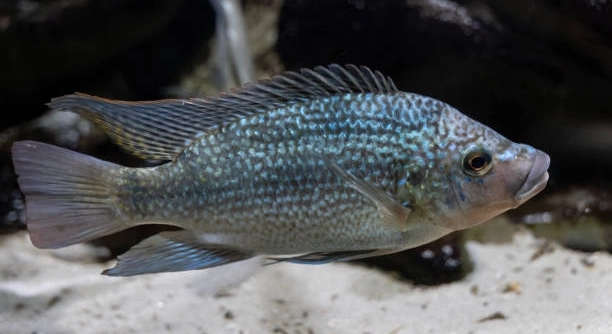
Keeping a tank clean and observing your cichlids can be satisfying, yet sometimes you may notice them moving sand around in unusual piles. This behavior can seem puzzling at first, especially for new aquarium owners.
Cichlids push sand into piles primarily as part of their natural territorial and nesting behavior. This activity helps them create safe spaces for laying eggs, establishing dominance, and organizing their environment according to instinctual patterns.
Understanding why they engage in this behavior can help you create a more comfortable and natural habitat for your fish, improving their overall well-being and interactions within the tank.
Understanding Sand Piling Behavior
Watching your cichlids move sand can feel like they are redecorating the tank, but it is a natural behavior rooted in instinct. Many cichlids, especially species from African lakes, dig and pile sand to create nesting areas. This allows them to claim territory, which reduces conflict among tank mates. Sand movement also helps them feel secure, as it mimics conditions in their natural habitat. Some cichlids sift through the substrate to find food particles or remove debris, combining feeding with digging. Over time, the piles they create can become quite elaborate. Observing these behaviors gives insight into their social structure, as dominant fish often have larger, more carefully constructed piles. Providing enough space and a soft substrate can reduce stress and prevent excessive aggression, as cichlids can safely display these behaviors without disturbing each other. Tank size, water conditions, and hiding spots all influence how often sand piling occurs.
Proper substrate selection is essential to support natural sand piling behavior.
Keeping the substrate soft and deep allows cichlids to dig comfortably. Avoiding sharp or heavy materials prevents injuries. Smooth sand encourages natural sifting, making it easier for fish to interact with their environment safely.
Managing Tank Conditions
Sand piling can affect water clarity and filtration if left unmanaged.
Maintaining a balanced tank environment helps reduce stress on cichlids while supporting their instinctual behaviors. Frequent water changes prevent cloudy water from accumulated debris. Using a filtration system that handles fine particles ensures the piles don’t disrupt tank health. Rearranging decorations minimally allows fish to maintain their piles without constant interference. Monitoring tank mates is important, as aggressive behavior can increase when territory feels threatened. Additionally, feeding habits impact sand activity; scattering food encourages sifting, while targeted feeding reduces over-digging. Ensuring temperature and pH levels match their natural preferences supports overall well-being and behavior consistency. By understanding these factors, you provide a stable environment where cichlids can thrive, displaying sand piling without compromising tank conditions. Combining proper substrate, filtration, and careful observation creates a balanced setup that respects both the fish’s instincts and the tank’s cleanliness.
Signs of Overactive Sand Piling
Excessive sand piling can indicate stress, territorial disputes, or inadequate tank conditions. Watching how often your cichlids rearrange the substrate helps identify potential issues. Uneven or eroded piles may signal aggression or insufficient space for natural behaviors.
When cichlids spend too much time moving sand, it can disrupt plants, decorations, and hiding spots. Overactive digging often occurs when fish feel cramped, stressed, or challenged by tank mates. Providing more space, additional hiding areas, and gentle tank rearrangements can reduce this behavior. Monitoring water parameters is also important, as poor conditions can increase restlessness. Observing patterns helps distinguish normal digging from problematic behavior.
Some cichlids show repeated digging even with proper space and tank conditions. This is often linked to breeding instincts, especially in mature adults. Males typically build larger piles to attract females or prepare nesting sites. Even without a female present, the instinct remains strong, and regular sand movement continues. Providing a separate breeding area or deeper substrate can help satisfy these natural behaviors, reducing stress on other fish.
Adjusting Tank Setup
Adding soft, deep sand encourages natural digging while minimizing stress and injuries.
Tank decorations should be placed to allow free movement and defined territories. Plants or rocks can create boundaries that reduce conflict. Avoid overcrowding, as too many fish increases stress and aggressive sand piling. Maintaining stable water temperature, pH, and filtration supports overall health and behavior. Observing how cichlids interact with these adjustments helps refine the setup over time. Regular cleaning and careful feeding practices also maintain a balanced environment, keeping both fish and substrate in good condition.
Common Reasons for Sand Piling
Cichlids push sand to create nests, claim territory, and explore their environment. This natural behavior also helps them find food particles buried in the substrate. Regular sand movement indicates healthy instincts and active engagement with their tank surroundings.
Stress, overcrowding, or poor tank conditions can increase sand piling. Fish may dig excessively when competing for space or feeling threatened, which can disturb decorations and plants. Adjusting tank size and layout helps manage this behavior and reduces potential aggression.
Feeding and Sand Interaction
Many cichlids sift through sand while searching for food. Scattering small amounts encourages natural foraging and stimulates instinctual digging. Overfeeding, however, can lead to constant sifting and messy piles. Feeding in moderation and using sinking pellets or small portions helps balance nutrition with sand activity.
Watching for Aggression
Excessive sand piling can signal dominance disputes. Monitoring interactions helps identify which fish may need more space or separation.
FAQ
Why do my cichlids move sand even when there is nothing to hide?
Cichlids have strong instincts to rearrange their environment. Even without eggs or food, they push sand to feel secure, mark territory, and express natural behaviors. This activity is often more frequent in mature or territorial fish and is a sign of a healthy, active tank.
Is sand piling harmful to my fish?
Generally, sand piling is harmless if the substrate is soft and deep enough. Problems occur only when the sand is sharp, heavy, or when piles collapse onto other fish. Providing smooth, fine sand and monitoring tank mates prevents injuries while letting natural digging continue safely.
Can sand piling damage plants or decorations?
Yes, frequent digging can uproot plants or shift lightweight decorations. Using heavier pots, secure plants, or artificial decorations can reduce disruption. Arranging decorations to create natural boundaries helps cichlids dig without disturbing key areas of the tank.
How can I tell if sand piling is excessive?
Excessive sand piling is noticeable when piles become very large, plants are constantly disturbed, or fish show signs of stress and aggression. If the tank looks constantly messy or fish compete aggressively over piles, changes to tank layout, fish numbers, or substrate depth may be needed.
Does tank size affect sand piling behavior?
Yes, smaller tanks often increase digging frequency and competition. Cichlids in larger tanks have more space to establish territories, reducing constant sand movement. Ensuring adequate tank size for your specific species helps maintain natural behavior while minimizing stress and aggression.
Will all cichlid species pile sand the same way?
No, behavior varies by species. African cichlids, especially Mbuna and Lake Tanganyika species, are known for extensive sand piling. Other cichlids may dig occasionally but not form noticeable piles. Knowing your species’ natural tendencies helps set realistic expectations for tank behavior.
Can sand piling indicate breeding behavior?
Yes, sand piles are often part of mating rituals. Males build and maintain piles to attract females or prepare nesting sites. If a female approaches a pile, this usually indicates readiness to spawn. Even without breeding, this behavior may persist due to strong instinct.
How can I reduce destructive sand piling?
Provide deeper substrate, more hiding spots, and stable decorations. Reducing overcrowding and monitoring aggressive fish can limit damage. Feeding scattered food encourages natural sifting without constant digging, and using heavier or anchored décor keeps key areas intact.
Does filtration affect sand piling?
Filtration itself doesn’t stop digging, but strong currents may discourage sand movement. Gentle filtration prevents sand clouds while allowing fish to interact naturally with the substrate. Using filters suited for fine sand ensures piles remain stable and tank conditions stay clean.
Should I separate aggressive fish?
If sand piling leads to fighting or stress, separating dominant or aggressive fish is recommended. Creating visual barriers or additional hiding spaces can reduce territorial disputes. Observing behavior closely helps determine whether separation is necessary or if tank adjustments are enough to manage interactions.
Is sand piling related to water quality?
Poor water quality can increase stress, causing more frequent digging. Maintaining stable temperature, pH, and ammonia levels reduces restless behavior. Clean water helps fish feel secure, allowing normal sand piling without unnecessary overactivity. Proper maintenance supports both health and natural instincts.
Can I use sand alternatives to prevent piling?
Some aquarists use gravel or mixed substrates, but cichlids may still attempt digging. Soft sand is preferred because it allows natural sifting and reduces injuries. Alternatives can work if chosen carefully, but most species thrive best with fine, deep sand that mimics their native environment.
How often should I rearrange decorations to manage sand piles?
Minimal rearrangement is best. Frequent changes confuse fish and can increase stress and digging. Adjusting layout occasionally to create defined territories or secure key plants allows natural sand movement while maintaining order in the tank. Observation helps determine if further adjustments are necessary.
Can sand piling affect filtration or water clarity?
Yes, excessive sand movement can temporarily cloud water or overload filters. Regular maintenance, proper filtration, and occasional water changes prevent long-term issues while allowing natural digging behavior. Fine sand works best with appropriate filtration to minimize disruption.
Do juvenile cichlids pile sand differently than adults?
Juveniles may dig occasionally, but large or structured piles are usually made by mature adults. Adults display more defined territorial and breeding behaviors, while younger fish primarily explore or sift lightly through the substrate. This difference is normal and reflects developmental stages.
Will sand piling stop if the tank is overcrowded?
Overcrowding often increases digging and aggression rather than stopping it. Fish compete for space, territory, and nesting areas, making piles more frequent and chaotic. Providing sufficient space and hiding spots is crucial to maintain balance and reduce excessive sand piling behavior.
Can sand piling be trained or discouraged?
You cannot completely stop natural instincts, but you can manage the environment to reduce destructive piling. Using deeper sand, heavier decorations, and additional hiding areas allows fish to dig safely. Feeding routines and tank layout adjustments help balance instinctual behavior with tank maintenance.
Is sand piling more common in male cichlids?
Yes, males typically engage in more pronounced piling, especially when establishing territory or preparing nests. Females may dig lightly, but males often create the largest and most structured piles as part of mating displays and social dominance.
How do I know if sand piling is a health issue?
Excessive or frantic digging accompanied by lethargy, loss of appetite, or unusual swimming can indicate stress or illness. Regular observation of behavior, water parameters, and tank conditions helps distinguish normal instinctual piling from signs of poor health.
Does the type of food affect sand piling?
Yes, food that sinks encourages natural sifting, while floating pellets may reduce digging. Scattering small portions mimics foraging behavior and keeps fish engaged without excessive disturbance to the substrate. Balancing diet with substrate interaction helps maintain healthy sand movement.
Can sand piling damage the filter?
If sand is too fine or constantly disturbed, it may reach and clog filters. Using proper filtration, pre-filters, or gentle intake guards prevents damage while allowing fish to continue natural digging. Monitoring equipment ensures piles don’t compromise tank function.
Is sand piling a sign of happiness in cichlids?
Regular, controlled sand movement generally indicates healthy instincts and engagement with their environment. Fish that dig confidently, maintain territory, and show normal social behaviors are usually content. Excessive or frantic digging, however, may suggest stress rather than satisfaction.
How deep should sand be for optimal piling behavior?
A depth of at least two to three inches allows cichlids to dig freely without hitting the tank bottom. Deeper substrate supports nesting and sifting, giving fish space to exhibit natural instincts safely while maintaining tank stability.
Can tankmates influence sand piling behavior?
Yes, aggressive or dominant species can increase sand movement as fish compete for space. Choosing compatible tankmates and providing sufficient territory reduces excessive digging and conflict, allowing natural piling without stress-related disruptions.
Does lighting affect sand piling?
Lighting itself does not directly influence digging, but fish may feel more exposed under bright light. Providing shaded areas or floating plants can make fish feel secure, supporting normal sand piling without overactivity.
How often should I clean the sand if piling is frequent?
Regular maintenance, including vacuuming debris between piles, helps prevent water clouding. Cleaning once a week or as needed maintains substrate hygiene while allowing fish to continue natural digging without removing all of their created structures.
Is sand piling different in community tanks?
Yes, in community tanks, fish may dig less if other species dominate space. Stress or territorial disputes can alter normal piling behavior. Observing interactions and adjusting tank layout ensures all fish can express natural instincts safely.
Can breeding pairs require special sand arrangements?
Yes, breeding pairs often need deeper or more isolated sand areas to build nests and lay eggs. Providing dedicated space prevents disruption from other fish and supports successful mating while allowing instinctual sand piling.
Are there signs that sand piling is too frequent?
Signs include constant sand clouds, destroyed plants, frequent aggressive encounters, and overly large piles. These indicators suggest tank adjustments are needed, such as more space, secure decorations, or additional hiding spots to balance natural behavior with tank maintenance.
Does water flow influence sand piling?
Strong currents may discourage digging, while gentle flow supports natural sifting. Positioning filters and pumps to create minimal disruption allows fish to pile sand comfortably without affecting water quality or substrate stability.
Can I use barriers to control sand piling areas?
Yes, arranging rocks, driftwood, or plants to create boundaries helps direct sand movement. This allows fish to dig in designated areas while protecting fragile plants or decorations from constant disturbance, maintaining a tidy and functional tank environment.
How long does sand piling behavior last?
Behavior is ongoing throughout a cichlid’s life but peaks during territorial or breeding periods. Adults may pile sand consistently, while juveniles exhibit lighter digging. Understanding this timing helps manage expectations and tank setup for a harmonious environment.
Does substrate type change piling style?
Yes, fine sand allows smooth sifting and larger, stable piles, while gravel or coarse substrate may limit digging or cause injury. Choosing soft, uniform sand supports natural behavior and reduces stress on fish and tank maintenance.
Are there seasonal differences in sand piling?
Some cichlids may dig more during breeding seasons or periods of increased activity. Environmental factors like temperature, daylight, and water conditions influence instinctual behavior, so seasonal changes may temporarily alter sand piling intensity.
Can overfeeding reduce sand piling?
Overfeeding can increase sifting as fish search for excess food, leading to messy piles. Feeding moderate amounts and scattering food encourages natural foraging without overwhelming substrate, keeping digging healthy and controlled.
Do cichlids ever stop sand piling completely?
No, sand piling is a lifelong instinct. Fish may adjust frequency based on age, tank conditions, or social structure, but it rarely stops entirely. Proper tank setup accommodates this behavior safely throughout their lifespan.
How do I monitor sand piling without disturbing fish?
Observation from outside the tank is best. Avoid touching piles or rearranging substrate frequently. Taking notes on patterns, interactions, and timing helps identify normal behavior versus stress-induced digging, allowing careful adjustments if needed.
Can sand piling be a sign of boredom?
Yes, lack of stimulation or enrichment may increase digging. Providing hiding spots, plants, or varied feeding encourages natural behaviors, reducing restless or excessive piling caused by inactivity rather than territorial or breeding instincts.
Does temperature affect sand piling intensity?
Higher temperatures may increase activity, leading to more frequent digging. Stable temperature within the species’ preferred range supports normal behavior, while fluctuations can cause stress and overactive sand piling.
Is sand piling different in large tanks versus small tanks?
Yes, larger tanks allow more defined territories and reduce constant digging, while small tanks increase competition and stress. Ensuring sufficient space for species-specific needs helps balance natural behavior with tank maintenance.
Can sand piling be noisy in planted tanks?
It can disturb lightweight plants or decorations, creating movement and debris. Using heavier plants or anchored décor mitigates disruption while allowing cichlids to continue instinctual sand movement.
Are certain cichlids less prone to piling sand?
Yes, species like angelfish or discus dig less frequently. Knowing the natural tendencies of your species helps manage expectations and tank setup, ensuring compatible behavior and substrate choice.
Can adding more fish reduce excessive piling?
Adding more fish may worsen competition, increasing sand movement. Carefully adjusting tank numbers or species mix is more effective than adding fish to control digging. Proper space and hiding areas remain the best approach.
Does diet affect digging patterns?
Yes, sinking foods encourage natural sifting and pile creation, while floating foods reduce digging. Balanced feeding supports instinctual behavior without overwhelming the substrate. Monitoring response to different diets helps manage sand movement effectively.
How do I maintain balance between sand piling and tank cleanliness?
Regular water changes, gentle filtration, and occasional debris removal allow natural digging while keeping the tank clean. Designing areas for safe sand movement and limiting interference maintains both fish health and tank aesthetics.
Can sand piling indicate stress in new fish?
Yes, new or relocated cichlids may dig excessively as they adjust. Providing hiding spots, proper substrate, and stable water conditions helps them settle and express natural behavior without unnecessary stress.
Does sand color matter for piling behavior?
Not directly, but lighter or finer sand shows piles more clearly. Soft, uniform sand supports natural sifting and nesting instincts, reducing injury risks while maintaining visual appeal in the tank.
Are there long-term effects of sand piling?
When managed properly, there are no negative long-term effects. Fish remain healthy, active, and stress-free. Inadequate substrate, poor tank setup, or constant interference can cause injury, aggression, or stress, highlighting the importance of a well-planned environment.
How can I encourage healthy sand piling?
Use deep, soft sand, provide hiding spaces, maintain water quality, and feed appropriately. Minimizing stress, overcrowding, and constant rearrangements ensures cichlids can display natural instincts safely. Observing behavior helps fine-tune conditions for a balanced and active tank environment.
What is the best sand type for cichlids?
Fine, smooth sand is preferred. It allows safe digging, sifting, and nesting. Avoid sharp or coarse substrates that can injure fish or limit natural behavior. Depth of at least two to three inches supports instinctual activity and overall tank health.
Can sand piling behavior help in breeding?
Yes, males build and maintain piles to attract females and prepare nests. Providing proper substrate, space, and privacy supports successful mating and healthy expression of instinctual digging behavior.
Do cichlids stop piling sand when satisfied?
They may reduce activity after completing nesting or marking territory, but instinctual digging rarely stops completely. Adult fish continue to sift and rearrange sand periodically throughout their life.
Is sand piling affected by lighting conditions?
Bright lighting can make fish feel exposed, increasing cautious or frantic digging. Providing shaded areas or floating plants helps fish feel secure and allows natural sand movement without overactivity.
Can sand piling indicate dominance hierarchy?
Yes, larger or more frequent piles often belong to dominant males. Observing pile size and location helps identify social structure and potential aggression, allowing better management of territories within the tank.
Should I adjust feeding to control sand piling?
Feeding moderate portions, scattering food, and using sinking pellets encourages natural foraging without overexciting digging. Balanced feeding supports substrate interaction while maintaining cleanliness and reducing constant pile disruption.
Are there signs that sand piling is related to mating?
Males maintaining large piles or repeatedly reshaping them often signal breeding behavior. Females approaching piles may indicate readiness to spawn. Even in the absence of actual breeding, these instincts drive regular sand movement.
How do I know if a pile is a nest or just digging?
Nests are usually structured, regularly maintained, and located in prominent territories. Simple digging or foraging is less organized and may shift frequently. Observing patterns over time distinguishes normal sifting from nesting behavior.
Can sand piling damage tank equipment?
Fine sand may reach filters if disturbed excessively. Using pre-filters or gentle intake guards prevents clogs while allowing natural behavior. Monitoring filter function ensures piles do not compromise equipment performance.
Does temperature influence how much sand is piled?
Yes, higher activity levels at warmer temperatures may increase digging frequency. Stable, species-appropriate temperatures help maintain normal, instinct-driven sand piling without overactivity or stress.
Can tank decorations reduce excessive piling?
Arranging rocks, driftwood, and anchored plants provides boundaries, directing digging to specific areas. This minimizes disruption while allowing cichlids to express natural behaviors safely.
Are there behavioral signs linked to excessive sand piling?
Frequent chasing, heightened aggression, or constant substrate disturbance often accompany overactive digging. These signs indicate a need for environmental adjustments, including hiding spots, more space, or better tank layout to manage instincts.
Does sand depth affect breeding behavior?
Yes, deeper sand allows males to build nests effectively. Shallow substrate may prevent structured piles, limiting breeding success and expression of natural digging behaviors.
Is sand piling more noticeable at certain times of day?
Activity often peaks during feeding or active daylight hours. Fish may dig less at night or during rest periods. Observing patterns helps distinguish instinctual behavior from stress or environmental triggers.
Can sand piling indicate territorial disputes?
Yes, competing for space can increase digging frequency and pile size. Dominant fish may reshape or defend piles aggressively. Providing clear boundaries and adequate hiding spots reduces conflicts.
How do I know if sand piling is normal or excessive?
Normal piling is consistent, structured, and does not cause constant stress or damage. Excessive piling is chaotic, accompanied by aggression, and disturbs plants or equipment, signaling environmental adjustments are needed.
Does sand type affect cleaning frequency?
Fine sand may require more careful cleaning to avoid removing piles, while coarse substrates reduce sifting efficiency. Choosing soft, uniform sand ensures easier maintenance while supporting natural behavior.
Are there ways to enrich the tank to manage piling?
Adding hiding spots, plants, and structured feeding encourages natural behavior and reduces boredom-driven digging. Enrichment keeps cichlids engaged while protecting tank decorations and maintaining balance in the aquarium.
Do cichlids show individual preferences for piling locations?
Yes, dominant or breeding males often select specific areas. Territorial fish consistently maintain piles in preferred spots. Observing these patterns helps manage tank layout and social interactions effectively.
Can sand piling be a sign of stress from new tankmates?
Yes, introducing new fish can trigger increased digging as cichlids establish territory. Providing hiding spaces, observing behavior, and gradual introductions help reduce stress-driven sand movement.
Does water chemistry influence sand piling?
Stable pH, temperature, and hardness support normal behavior. Fluctuations can increase stress, resulting in more frequent or frantic digging. Maintaining proper water conditions ensures instinctual sand movement without negative effects.
Can sand piling disrupt filtration if left unchecked?
Yes, excessive movement can cloud water and overload filters. Regular cleaning, proper filter choice, and occasional water changes prevent long-term issues while allowing fish to dig naturally.
How can I balance natural instincts with tank maintenance?
Provide deep sand, stable decorations, hiding areas, proper feeding, and routine maintenance. Observation allows adjustments to substrate, tankmates, and equipment, ensuring fish can express instinctual behaviors without compromising tank health or cleanliness.
Are some sand types better for breeding than others?
Yes, soft, deep sand supports nest building and sifting. Coarse or sharp substrates can prevent proper pile formation and reduce breeding success. Selecting species-appropriate sand encourages instinctual reproductive behaviors safely.
Does age affect sand piling frequency?
Juveniles dig lightly, while adults build larger, structured piles. Frequency and intensity increase with maturity, especially during territorial or breeding periods. Observing age-related differences helps manage expectations and tank setup appropriately.
Cichlids are naturally active fish with strong instincts, and sand piling is one of the most visible behaviors they display. This digging is part of their way of exploring, feeding, and establishing territories. In many cases, what might seem like random or excessive sand movement is actually a sign of healthy instincts being expressed. Each fish has its own style, and piles may vary in size, shape, and location depending on the individual and its environment. By understanding that sand piling is natural, you can view these behaviors as part of your cichlids’ normal routines rather than as a problem to solve. Observing the piles they create can also provide insight into their social dynamics, dominance hierarchies, and even potential breeding behavior. Recognizing these patterns allows for a more informed approach to tank management and helps ensure that fish remain comfortable and secure in their environment.
Proper tank setup plays a key role in supporting healthy sand piling behavior while maintaining overall tank balance. Providing a deep layer of soft sand allows fish to dig safely and create structures without risking injury. Decorations, rocks, and plants can be arranged strategically to provide boundaries, hiding spaces, and territory markers, which reduce stress and prevent aggressive disputes. Water conditions, including pH, temperature, and cleanliness, also influence sand piling. Stable conditions help fish feel secure, reducing frantic or destructive digging, while poor water quality or overcrowding can increase stress and excessive movement. Feeding habits affect sand movement as well. Scattering food or using sinking pellets encourages natural sifting without overwhelming the substrate, while overfeeding can result in constant digging. By combining these factors, you create an environment that respects cichlids’ instincts and reduces potential issues for both fish and tank maintenance.
Monitoring your cichlids and adjusting the tank based on their behavior ensures a balanced and healthy environment. Over time, you will notice patterns in digging, pile formation, and interactions between tankmates. Males may build larger or more elaborate piles, particularly during breeding seasons, while juveniles dig lightly as they explore. Observing these behaviors helps distinguish between normal instinct and stress-induced or aggressive digging, allowing for targeted adjustments such as additional hiding spots, rearranged decorations, or separation of overly dominant fish. Sand piling can be messy at times, but it is also a natural expression of your cichlids’ instincts and needs. Supporting these behaviors with a proper tank setup, careful observation, and consistent care ensures that your fish remain healthy, active, and engaged in their environment. By embracing sand piling as a normal aspect of cichlid behavior, you provide a tank that meets their physical and social needs, keeping both your fish and your aquarium in balance.

Hello,
If you enjoy the content that we create, please consider saying a "Thank You!" by leaving a tip.
Every little bit helps us continue crafting quality advice that supports the health, happiness, and well-being of pets around the world, for pets of all shapes, sizes, and species.
We really appreciate the kindness and support that you show us!