
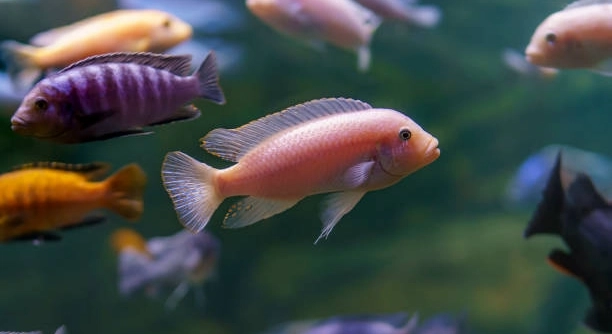
Spawning can bring noticeable changes in an animal’s behavior. Observing them before and after this process often shows shifts in activity, social interaction, and response to their environment. These changes are natural and part of their life cycle.
After spawning, animals often display altered behaviors, including increased territoriality, reduced social interactions, heightened protective instincts, and changes in feeding patterns. These behavioral shifts are biologically driven to enhance reproductive success and ensure the survival of offspring.
Recognizing these differences helps you understand and respond to your animals’ needs more effectively. Observing their actions closely reveals how life stages influence behavior.
Increased Territorial Behavior
After spawning, many animals become noticeably more territorial. They may defend their space more aggressively, marking areas with scents or vocalizations. This behavior ensures that their offspring have a safer environment, reducing the risk of intruders harming eggs or young. Even normally social species may isolate themselves temporarily, focusing on protection. Watching this shift can be surprising, especially when an animal previously behaved calmly around others. These territorial instincts are strongest immediately after spawning but gradually lessen as the young mature. In some species, this behavior includes chasing away other adults or closely guarding nests. This period can require adjustments from caretakers or observers to ensure harmony and safety within shared spaces. Recognizing these behaviors helps manage stress for both animals and humans, as avoiding unnecessary interactions can prevent conflicts and allow natural instincts to unfold. Understanding territoriality also provides insight into reproductive strategies and how animals prioritize survival after reproduction.
Territorial behavior after spawning is natural and temporary. It helps safeguard offspring and often declines as the young become less vulnerable.
Being aware of these changes allows you to plan living arrangements or interactions to minimize stress. By observing closely, you can notice when an animal is protecting its area and adjust accordingly. Over time, these behaviors typically return to normal as the reproductive cycle ends. Consistent monitoring ensures both safety and comfort for all animals involved.
Changes in Feeding Patterns
Many animals show altered feeding habits after spawning. Some eat less due to stress or protective instincts, while others may increase consumption to recover energy used in reproduction.
These changes in diet are influenced by hormonal shifts and the need to focus on caring for eggs or offspring. Energy-intensive reproductive processes can leave animals temporarily weak, requiring additional nutrition for recovery. For example, some fish reduce feeding to remain near nests, while mammals may eat more to support lactation or replenish nutrients. Observing these patterns can help ensure proper nutrition is maintained. Adjusting feeding schedules, portion sizes, or food types can support recovery and reduce health risks. In captive settings, providing easily digestible, nutrient-rich options ensures animals regain strength efficiently. Awareness of these shifts helps prevent long-term health problems and supports natural behavior. Feeding changes are often subtle at first but become more pronounced during the peak of reproductive activity, requiring careful observation and timely intervention when needed.
Reduced Social Interaction
After spawning, many animals tend to avoid others. They may withdraw from usual group activities or ignore interactions that were normal before reproduction. This behavior allows them to focus on their young and protect their immediate environment from potential threats.
Social withdrawal after spawning is driven by hormonal and instinctive factors. Animals often prioritize the safety of their eggs or offspring, which can lead to temporary isolation from their group or community. In some species, adults reduce play, grooming, or cooperative behaviors to conserve energy and remain vigilant. This period can last days or weeks, depending on the species and environmental conditions. Observing these changes helps caretakers understand shifts in normal behavior and allows for adjustments in housing or interaction to reduce stress. Temporary isolation is natural and should not be interpreted as illness or persistent aggression. By monitoring these behaviors, it is possible to support healthy development and maintain social balance once normal interactions resume.
During this period, maintaining minimal disturbances is key. Allowing animals space helps them focus on protection and recovery, which improves their long-term well-being and overall health.
Heightened Protective Instincts
Post-spawning, animals become more alert and defensive around their young or eggs. This behavior ensures the survival of offspring and reduces risks from predators or other intruders. They may react sharply to disturbances that previously went unnoticed.
Heightened protective instincts involve both behavioral and physiological changes. Adults may patrol nesting areas, block access to perceived threats, or use vocalizations to warn others away. These instincts are particularly strong in species with vulnerable offspring, such as birds, amphibians, and certain fish. The intensity of protection often peaks shortly after spawning and gradually decreases as the young grow and can evade danger independently. Caretakers or observers must be aware of these behaviors to prevent unnecessary stress or injury to both adults and offspring. Protective actions may include direct aggression or subtle signals, such as posturing or increased vigilance, all aimed at maintaining a secure environment. Understanding these instincts allows for proper management and ensures both adult and offspring safety during this critical stage.
Changes in Activity Levels
Many animals show noticeable changes in activity after spawning. Some become more restless, moving frequently to monitor their environment, while others slow down to conserve energy for recovery and protection of their young.
Activity shifts are closely tied to energy demands and instinctive behaviors. Rest periods help adults regain strength after reproduction, while increased movement often serves to guard offspring or explore for resources. These changes vary between species and individuals, with some showing bursts of energy followed by long periods of rest. Recognizing these patterns allows proper care and ensures that animals have the space and conditions needed to balance recovery and vigilance.
Altered Communication
Post-spawning, animals may communicate differently. Sounds, gestures, or scents are often intensified to warn off threats or signal reproductive status.
Nesting or Den Maintenance
After spawning, many animals focus heavily on nests or dens. They repair, clean, or reinforce these spaces to provide a safe environment for their offspring.
Temporary Aggression
Some animals display short-term aggression after spawning. This behavior usually targets intruders or rivals and is linked to protecting young or territory.
FAQ
Why do animals become more territorial after spawning?
Territorial behavior after spawning is mainly driven by the need to protect offspring. Animals defend nests, dens, or surrounding areas to reduce the risk of predators or rival adults interfering. This behavior is strongest immediately after spawning and gradually diminishes as young become more independent.
Do all species show reduced social interaction after spawning?
Not all species display the same level of social withdrawal. Many mammals, birds, and fish temporarily isolate themselves to focus on offspring care. Social insects like bees or ants may continue normal group activity, but adults directly responsible for young may reduce interaction.
How long does heightened protective behavior last?
The duration varies by species and environmental factors. In some fish or amphibians, protection lasts days or weeks, while in mammals it can continue throughout lactation. Once offspring are less vulnerable, adults return to typical behavior patterns.
Why do feeding patterns change after spawning?
Energy demands of reproduction often require dietary adjustments. Some animals eat less due to stress or protective instincts, while others increase intake to restore nutrients lost during spawning. These changes support recovery and ensure proper care of offspring.
Is temporary aggression normal after spawning?
Yes, short-term aggression is a natural response to potential threats. Adults may attack intruders or rivals near nests or territories. This aggression helps safeguard young but usually declines once the offspring are less vulnerable and the reproductive period ends.
Do activity levels always increase after spawning?
Activity levels can either increase or decrease, depending on the species and reproductive role. Increased movement often relates to monitoring and defending young, while reduced activity allows for energy conservation and recovery from reproductive effort. Observing these changes can help predict needs and behavior.
How do animals communicate differently post-spawning?
Communication often becomes more focused on protection and survival. Sounds, gestures, or chemical signals may intensify to warn others away or maintain bonding with offspring. Some species also reduce normal social signals to focus on guarding their young.
What should caretakers do to manage these behaviors?
Provide space, minimize disturbances, and adjust feeding schedules to match energy needs. Understanding species-specific behaviors ensures safety and reduces stress. Observing patterns over time helps predict when behaviors will normalize.
Can these behaviors return to normal?
Yes, most post-spawning behaviors are temporary. Territoriality, aggression, and protective instincts decline as offspring mature. Gradual reintroduction to social activity and normal feeding routines helps adults regain regular behavior patterns.
Are these behavioral changes the same in wild and captive animals?
The patterns are generally similar, but captive animals may show more pronounced stress responses due to limited space. Adjusting their environment and providing hiding spots, enrichment, and proper nutrition helps support natural recovery behaviors.
Why is observing these changes important?
Observing post-spawning behaviors helps ensure proper care, prevent injuries, and support offspring survival. It also provides insight into natural reproductive strategies, energy allocation, and social dynamics within a species.
Can human interaction affect these behaviors?
Yes, frequent disturbances can heighten stress and prolong protective or aggressive behaviors. Minimal interference and patience allow adults to return to normal patterns more quickly, ensuring healthier outcomes for both adults and offspring.
Do hormonal changes influence these behaviors?
Hormones play a major role in regulating post-spawning behaviors. Shifts in estrogen, testosterone, or stress-related hormones trigger territoriality, feeding changes, protective instincts, and temporary social withdrawal, all of which support successful reproduction and offspring survival.
How can I tell if behavior changes are normal or a health concern?
Normal post-spawning behaviors include temporary isolation, increased vigilance, changes in feeding, and mild aggression. If animals show extreme lethargy, refusal to eat, or prolonged distress, it may indicate illness or injury rather than reproductive behavior, requiring professional attention.
Are there differences between males and females?
Yes, behaviors often differ by sex. Females usually focus on direct care and protection of offspring, while males may guard territory or deter rivals. Hormonal and instinctive factors drive these differences, reflecting species-specific reproductive roles.
Can providing proper shelter reduce aggression?
Providing secure nesting or resting areas helps reduce stress and conflict. Sheltered spaces allow animals to care for offspring with minimal interference, reducing the need for aggressive territorial displays and allowing adults to regain normal behavior more quickly.
Do these behaviors affect long-term social bonds?
Temporary isolation or aggression rarely has long-term negative effects. Social bonds typically recover once post-spawning behaviors fade. Ensuring safe spaces and balanced interactions helps maintain group harmony and prevents lasting social tension.
How soon after spawning do animals return to normal routines?
The timeline varies, ranging from a few days to several weeks. Recovery depends on offspring vulnerability, species-specific behaviors, and environmental conditions. Monitoring progress allows caretakers to anticipate behavioral normalization and support healthy reintegration.
Is there a way to predict which animals will show the strongest behavioral changes?
Species with high parental investment or vulnerable young often show the most pronounced changes. Individual temperament, past reproductive experience, and environmental stressors also influence the intensity and duration of post-spawning behaviors.
How do nesting and den maintenance relate to other post-spawning behaviors?
Focusing on nests or dens is closely tied to territoriality, protective instincts, and activity levels. Well-maintained spaces reduce risk to offspring and support natural instincts, making other behaviors like aggression or heightened vigilance more effective and manageable.
Can diet adjustments help manage post-spawning changes?
Yes, providing nutrient-rich food supports recovery from energy expenditure during reproduction. Adjusting portion sizes and feeding frequency ensures animals regain strength while maintaining proper care for offspring. Adequate nutrition also reduces stress-related behaviors and supports overall health.
Do environmental factors influence post-spawning behavior?
Environmental conditions such as space, temperature, and presence of other animals strongly influence post-spawning behavior. Stressful or crowded conditions can intensify aggression, reduce feeding, or prolong social withdrawal, while stable environments support smoother transitions back to normal routines.
Is it normal for some animals to appear more aggressive toward humans?
Yes, protective instincts sometimes extend to perceived threats, including humans. Limiting handling or interaction during this period helps prevent stress and accidental injuries, allowing animals to focus on offspring care and gradually return to normal behavior.
How can monitoring behavior improve animal care?
Regular observation allows early recognition of post-spawning changes and helps tailor care. Adjusting feeding, housing, and interaction based on observed behaviors ensures safety, supports recovery, and maintains both adult and offspring health effectively.
Final Thoughts
Observing animals after spawning reveals many interesting behavioral changes. These shifts are often subtle at first but become more noticeable as the reproductive process progresses. Territorial behavior, reduced social interaction, altered feeding patterns, heightened protective instincts, and temporary aggression are all natural responses. These behaviors serve an important purpose: they help safeguard offspring, ensure proper energy recovery, and support reproductive success. Understanding these patterns allows caretakers and observers to respond appropriately, providing a safe and supportive environment for both adults and young. By noticing these changes early, it is possible to reduce stress, prevent conflict, and maintain a balanced living space for animals, whether in captivity or in controlled environments. Being aware of natural behavioral shifts is also important for interpreting actions correctly, ensuring that what may appear as aggression or withdrawal is not mistaken for illness or abnormal conduct.
Each species has its own specific post-spawning behaviors, influenced by hormones, instincts, and environmental factors. For example, some animals may increase activity to monitor and protect their young, while others slow down to conserve energy. Feeding patterns may change depending on nutritional needs and energy demands from reproduction. Protective behaviors can include guarding nests or dens, signaling warnings through sounds or postures, or temporarily isolating themselves from others. Social interactions are often reduced during this period, as adults focus on offspring care. Recognizing these species-specific behaviors is critical to managing environments and providing proper care. Small adjustments, such as ensuring space, minimizing disturbances, and offering adequate nutrition, can make a significant difference in the well-being of both adults and their offspring. Awareness of these factors allows for proactive care and reduces stress for animals that are naturally more protective or territorial after spawning.
It is important to remember that these changes are temporary and part of a natural reproductive cycle. Over time, activity levels, social interactions, and feeding habits usually return to normal once offspring become less vulnerable. Temporary aggression or territoriality generally declines, and animals reintegrate into normal routines without lasting issues. Understanding and respecting these behaviors fosters a safer, healthier environment for both animals and caretakers. Monitoring changes closely provides insight into their needs and ensures that proper care is provided throughout this critical period. By observing, adjusting care, and maintaining a supportive environment, it is possible to help animals transition smoothly from the post-spawning phase back to their usual behaviors, supporting their long-term health and the survival of their offspring. These behavioral changes are natural, predictable, and manageable with careful observation and thoughtful care.

Hello,
If you enjoy the content that we create, please consider saying a "Thank You!" by leaving a tip.
Every little bit helps us continue crafting quality advice that supports the health, happiness, and well-being of pets around the world, for pets of all shapes, sizes, and species.
We really appreciate the kindness and support that you show us!