
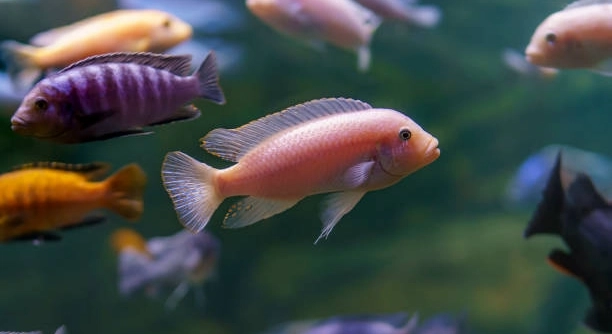
Cichlids are colorful and active fish that need a comfortable environment to thrive. Choosing the right substrate can improve their health and make the aquarium look natural and inviting for both the fish and the owner.
The best substrate for cichlids depends on their species and natural habitat. Options include sand, gravel, crushed coral, and specialized mixes that support water chemistry, digging behavior, and overall well-being, ensuring a stable and safe aquarium environment.
Knowing the different substrate types can help you make better decisions for your tank. Each choice has unique benefits that impact both the fish and the overall aquarium setup.
Sand Substrate
Sand is one of the most popular substrates for cichlids, especially for species that like to dig or sift. It mimics the natural riverbeds many cichlids come from and allows them to exhibit natural behaviors. Fine-grained sand is gentle on their delicate gill structures and soft mouths, which reduces stress while they move and search for food. Sand also helps keep the tank clean because debris tends to settle on top, making it easy to spot and remove during maintenance. Some types of sand can slightly affect water chemistry, so it’s important to choose one that is safe for your cichlids’ specific needs. The color of the sand can also enhance the appearance of your fish, providing a subtle contrast to their bright colors. Overall, sand provides a safe, natural, and attractive option that supports both fish health and tank aesthetics.
Sand is gentle and natural, offering a comfortable environment for digging cichlids. It is easy to maintain and visually appealing in most aquariums.
Many cichlids enjoy sifting through sand to find food or build small pits, which keeps them active and reduces stress. Using sand also prevents injuries that harder substrates can cause, especially for bottom-dwelling species. While sand may require occasional stirring to avoid compacting, it generally supports stable water conditions. Light-colored sand can brighten the tank and highlight the fish’s colors, while darker sand can create a more natural look. Mixing sand with small gravel can also provide texture and variety without harming the fish. Choosing the right type of sand ensures the tank remains safe, clean, and engaging for your cichlids, encouraging natural behaviors and promoting long-term health.
Gravel Substrate
Gravel is durable and comes in many sizes and colors. It’s easy to clean and works well for tanks with plants or decorations.
Gravel offers good water circulation and supports root growth for live plants, providing a balanced environment.
Gravel is ideal for cichlids that don’t dig extensively. It prevents compacting, allowing water to flow through the substrate and keeping beneficial bacteria active. This substrate type is also very versatile, allowing aquarists to create visually appealing designs without affecting the tank’s water chemistry. Mixing gravel sizes can create a layered look that mimics natural habitats. While gravel is harder than sand, most cichlids adapt quickly, and it provides a solid base for rock formations or ornaments. Regular vacuuming removes debris efficiently, making maintenance simple. For planted tanks, gravel supports roots and helps plants stay anchored while promoting healthy growth. Its variety in texture and color allows you to personalize the aquarium while maintaining a safe, functional environment for your cichlids.
Crushed Coral Substrate
Crushed coral helps raise and maintain water hardness and pH, which is ideal for African cichlids. It also provides a rough surface that supports beneficial bacteria growth.
Crushed coral is an effective substrate for species that prefer alkaline water conditions. It gradually dissolves, releasing calcium and other minerals that stabilize pH levels. This can prevent sudden drops in water hardness, which may stress cichlids. Its coarse texture allows water to flow through easily, reducing anaerobic spots where harmful bacteria could grow. While it’s not ideal for delicate, bottom-sifting cichlids, it works well for species that don’t dig extensively. Regular rinsing before use prevents cloudiness in the tank, and pairing it with sand or smaller gravel can soften the look while maintaining chemical benefits. Its natural color also enhances the tank’s appearance.
For tanks with heavy digging species, crushed coral can be layered under sand. This combination maintains chemical balance while giving cichlids a soft surface to interact with. Its mineral content supports growth and strengthens shells or bones, contributing to overall fish health. Crushed coral’s texture and composition make it a functional and attractive substrate, especially for alkaline-loving cichlids. It’s low-maintenance, encourages natural behaviors, and improves tank stability without complicating daily care routines.
Plant-Friendly Soil Substrate
Plant-friendly soil supports rooted plants and improves water quality by providing nutrients. It encourages cichlids to explore without harming roots.
This substrate contains organic matter that promotes healthy plant growth while buffering water pH. It’s softer than gravel, reducing risk of injury for bottom-dwelling fish.
Plant-friendly soil is beneficial for aquariums with live plants, as it contains essential nutrients such as iron, potassium, and trace elements. These nutrients help plants thrive, creating hiding spots and territories for cichlids. The soil also encourages microbial activity, which contributes to a balanced ecosystem. While it can slightly darken water at first, this usually clears after a few water changes. Layering it under sand or fine gravel can combine plant support with a natural surface for digging cichlids. Overall, plant-friendly soil promotes a healthy environment for both flora and fish, combining functionality with aesthetics.
Aragonite Substrate
Aragonite helps maintain stable pH and calcium levels, which benefits African cichlids. It slowly dissolves, releasing minerals that support healthy bones and shells.
Its coarse texture allows water circulation and prevents compacting. It is best used for alkaline-loving species and adds a natural, bright look to the tank.
Pebble Substrate
Pebbles provide a decorative option that is easy to clean and maintain. They come in various colors and sizes, allowing creative tank designs. Pebbles do not compact, ensuring water flows freely and beneficial bacteria thrive. This substrate is suitable for tanks without delicate bottom-dwelling species, as the surface is harder and less comfortable for digging. For tanks with plants, pebbles can support roots while allowing water to reach nutrients below. They are low-maintenance, visually appealing, and durable, making them a practical choice for a wide range of cichlids.
Bare-Bottom Tanks
Bare-bottom tanks are simple to clean and monitor. They reduce debris buildup and make observing fish health easier.
FAQ
What substrate is best for African cichlids?
African cichlids thrive in substrates that maintain a slightly alkaline pH and stable hardness. Crushed coral and aragonite are excellent choices because they slowly release calcium and minerals into the water, supporting bone and shell health. Sand layered over crushed coral can provide a soft surface for digging while maintaining chemical stability.
Can cichlids live in sand alone?
Yes, many cichlids do well in sand, especially species that sift or dig frequently. Fine-grained sand prevents mouth and gill injuries and allows natural behaviors like burrowing. It is also easy to clean as debris stays on top, making tank maintenance simpler. Sand color can also enhance the fish’s appearance.
Is gravel safe for all cichlids?
Gravel is safe for most cichlids, but digging species may find it uncomfortable or shift it frequently. Rounded gravel reduces injury risk, and layering it with sand can provide both comfort and structural support for decorations. Gravel supports plant roots and helps maintain beneficial bacterial colonies.
Does crushed coral change water chemistry?
Yes, crushed coral raises pH and water hardness over time. It dissolves slowly, releasing calcium and other minerals that help maintain stable conditions. It is ideal for alkaline-loving species but may not be suitable for cichlids that prefer softer, neutral water. Pre-rinsing prevents cloudiness when first added.
Can live plants grow in cichlid tanks?
Yes, but plant growth depends on substrate type and plant selection. Plant-friendly soil and gravel support roots and provide nutrients. Sand alone is less ideal for rooting, but layering soil underneath sand can help plants thrive while giving digging cichlids a safe surface. Some hardy plants may tolerate less nutrient-rich substrates.
Are bare-bottom tanks suitable for cichlids?
Bare-bottom tanks are easy to clean and allow better observation of fish health. However, they do not allow natural digging behavior, which may stress certain species. They work well for quarantine or breeding tanks and can be combined with removable substrates for short-term enrichment.
Should I mix substrates in my tank?
Mixing substrates can provide both chemical benefits and a soft surface for digging. For example, a layer of crushed coral under sand stabilizes water chemistry while giving cichlids a comfortable top layer. Mixing also allows for aesthetic variety and supports plant growth when needed.
How do I clean different substrates?
Sand and fine gravel should be stirred gently and vacuumed regularly to prevent compacting and remove debris. Crushed coral may need occasional rinsing but usually does not trap waste. Pebbles are easy to siphon, while bare-bottom tanks require wiping and siphoning daily. Cleaning frequency depends on fish load and feeding habits.
Can substrate affect cichlid breeding?
Yes, substrate influences spawning behavior. Many cichlids dig pits in sand or fine gravel to lay eggs. African cichlids may prefer aragonite or crushed coral for chemical stability, while South American species often use sand for digging. Bare-bottom tanks allow egg collection but remove natural digging behavior.
What is the easiest substrate for maintenance?
Bare-bottom tanks are the simplest to clean. Among substrates, gravel and pebbles are low-maintenance because debris settles between particles and is easy to vacuum. Sand may require more frequent surface cleaning, while crushed coral can slightly cloud water if disturbed. Maintenance choice often balances aesthetics, fish needs, and cleaning convenience.
Can substrate color affect my fish?
Yes, substrate color influences how fish colors appear. Light sand or coral enhances bright colors, while darker gravel or pebbles creates a natural look and reduces stress for shy species. Color choice is mainly aesthetic but can also affect fish behavior by providing visual contrast for hiding spots.
Do cichlids eat substrate?
Some cichlids accidentally ingest small particles while digging or sifting for food. Fine sand is safest for these behaviors, as it reduces injury risk. Hard gravel or large pebbles can cause mouth or digestive issues if swallowed. Observation is key to ensuring substrate choice supports natural feeding habits safely.
How often should I replace substrate?
Substrate rarely needs full replacement unless it becomes compacted, chemically unstable, or heavily contaminated. Regular vacuuming and partial water changes maintain cleanliness. Layering or topping off sand or gravel can refresh the tank without full removal. Crushed coral or aragonite can last years while maintaining chemical balance.
Can substrate affect water clarity?
Yes, fine sand and loose soil may cloud water initially but usually settle after a few days. Crushed coral may release small particles when first added. Gravel and pebbles generally have minimal effect on clarity. Proper rinsing and slow filling of the tank prevent long-term cloudiness.
Which substrate is best for mixed-species tanks?
For mixed-species tanks, neutral substrates like sand or rounded gravel work well. Crushed coral or aragonite should be used only if all species tolerate higher pH and hardness. Mixing substrates or layering allows different fish to have comfortable surfaces while maintaining stability and visual appeal.
How does substrate impact fish behavior?
Substrate influences digging, hiding, and feeding behaviors. Cichlids use soft sand or fine gravel to create pits, while harder substrates may discourage digging. Dense or layered substrates can provide territories and reduce aggression. Choosing the right substrate supports natural behaviors and contributes to overall fish well-being.
Are there substrates to avoid for cichlids?
Substrates that are too sharp, chemically reactive, or overly compacting can harm cichlids. Avoid fine gravel that injures mouths or substrates that drastically lower pH if species require alkaline water. Always match substrate type to both species needs and tank setup.
Can I change substrate after setting up the tank?
Yes, but it requires careful planning. Changing substrate can disturb beneficial bacteria and water chemistry. Gradual replacement or layering new substrate on top of existing substrate minimizes stress. Partial changes are safer than complete swaps, ensuring fish remain healthy during the transition.
Does substrate influence algae growth?
Substrate can indirectly affect algae. Nutrient-rich soils promote plant growth, which competes with algae. Crushed coral and aragonite stabilize pH, sometimes reducing algae blooms. Sand and gravel have little direct effect but may trap debris, which can fuel algae if not cleaned regularly.
Is it safe to combine plants and digging cichlids?
Yes, but careful substrate planning is required. Plant-friendly soil or gravel under sand allows cichlids to dig without uprooting all plants. Some robust plants tolerate occasional disturbance, and using pots or anchors helps maintain plant stability while letting fish express natural behaviors.
How thick should substrate layers be?
For sand or gravel, 2–3 inches is usually sufficient for digging and plant rooting. Crushed coral or aragonite layers can be thinner if used primarily for chemical balance. Bare-bottom tanks obviously have no layer. Thickness affects digging comfort, water circulation, and plant support, so it should match the species’ needs.
Can substrate impact water temperature?
Substrate itself has minimal effect on temperature but can influence heat distribution. Darker substrates absorb light and may slightly warm the tank, while lighter substrates reflect heat. Overall, heaters and tank environment are more critical for maintaining stable temperatures.
Is substrate important for juvenile cichlids?
Yes, juveniles are more sensitive to sharp or hard surfaces. Fine sand or smooth gravel is safer, preventing injury during exploration. Substrate also provides small hiding spots and encourages natural behavior. Choosing the right substrate supports healthy growth and reduces stress for young fish.
How does substrate affect filtration?
Substrate type impacts water flow and waste accumulation. Coarse substrates like gravel and pebbles allow water to circulate, supporting bacteria and reducing anaerobic pockets. Fine sand may compact if disturbed but can be gently stirred to maintain proper filtration efficiency. Proper cleaning maintains optimal conditions.
Can I use natural riverbed rocks as substrate?
Yes, if the rocks are safe and non-reactive. They must be rinsed thoroughly and checked for sharp edges. Combining them with sand or gravel can provide a natural look while maintaining safety for cichlids. Avoid rocks that alter water chemistry unless intentional for species needs.
Does substrate influence territorial behavior?
Yes, substrates that allow digging or pit creation can help establish territories. Soft sand and gravel enable natural behaviors, while bare-bottom tanks reduce the ability to claim a space. Proper substrate choice reduces stress and aggression by supporting species-specific territorial habits.
Which substrate is best for aggressive cichlids?
Soft sand over crushed coral or aragonite works well, giving aggressive species a medium for digging without injury. Providing rocks or pebbles for shelter reduces confrontations. Substrate choice, combined with decorations, helps manage aggression and provides hiding spaces.
Can substrate affect fish coloration?
Yes, lighter substrates often make bright colors appear more vivid, while darker substrates can reduce stress and enhance natural patterns. Matching substrate to the species’ behavior and tank lighting improves both aesthetic appeal and fish comfort.
How do I introduce new substrate safely?
Rinse thoroughly to remove dust and debris. Add slowly to avoid clouding and disturb water minimally. Monitor fish for stress, and consider partial layering first if the tank is already established. Gradual introduction prevents sudden chemical changes.
Are there substrates suitable for breeding tanks?
Yes, sand and fine gravel support digging and egg-laying behaviors. African cichlids often prefer aragonite or crushed coral for chemical stability, while soft sand is suitable for South American species. Bare-bottom tanks allow easier egg collection but remove natural digging opportunities.
Can substrate be reused between tanks?
Yes, if cleaned thoroughly and free of contaminants. Boiling, rinsing, or soaking can remove pathogens. Reusing helps retain beneficial bacteria if transferred carefully, though chemical balance may change depending on species needs.
How does substrate affect water hardness?
Crushed coral and aragonite increase hardness, while sand and gravel are mostly neutral. Water chemistry depends on substrate composition, so choose based on cichlid species requirements. Monitoring pH and hardness ensures stability over time.
Is substrate necessary for cichlids?
Not strictly, but it enhances natural behavior, supports plant growth, improves tank aesthetics, and stabilizes water chemistry. Bare-bottom tanks work for maintenance and breeding, but most cichlids benefit from having a suitable substrate.
Can I change substrate without moving fish?
Partial layering or careful addition is possible, but complete replacement usually requires temporary relocation. Gradual changes minimize stress. Observing fish behavior during changes ensures safety.
Does substrate affect feeding habits?
Yes, bottom-feeding cichlids sift through sand or gravel to find food. Fine substrates prevent injury and allow natural foraging behavior. Hard or coarse substrates may interfere with feeding efficiency or damage sensitive mouths.
Which substrate is easiest for planted cichlids tanks?
Plant-friendly soil or gravel is best. Sand can be layered over soil to protect roots while allowing digging. Substrate choice directly affects plant stability, nutrient availability, and overall tank ecosystem balance.
Can substrate harbor harmful bacteria?
Yes, if debris accumulates and water flow is poor. Coarse gravel and sand with proper vacuuming minimize risks. Crushed coral and aragonite promote beneficial bacterial colonies that aid in biological filtration.
How do I choose the right substrate for my cichlids?
Consider species behavior, natural habitat, water chemistry requirements, and tank plants. Soft sand suits digging species, while gravel or pebbles work for others. Crushed coral and aragonite help maintain pH for alkaline species. Matching substrate to your fish ensures health and natural behavior.
Does substrate affect aquarium aesthetics?
Yes, substrate color and texture influence the tank’s overall appearance. Sand, gravel, pebbles, and crushed coral can be combined to highlight fish colors, complement decorations, and create visually appealing environments while maintaining functionality.
Can cichlids rearrange substrate?
Yes, many species dig or move sand and small gravel while foraging or building pits. Harder substrates like pebbles are less disturbed, but digging species may shift sand layers constantly. This is natural behavior and should be considered when selecting substrate.
Is there a substrate suitable for all cichlids?
No single substrate fits all species. Sand works for many, but alkaline-loving species need crushed coral or aragonite. Planted tanks require soil or gravel for roots. Combining layers or selecting based on dominant species is the best approach.
How much substrate is too much?
Generally, 2–3 inches is sufficient for digging, rooting, and water circulation. Layers thicker than 4 inches can compact, trap debris, or affect oxygen flow. Proper depth supports fish behavior while keeping maintenance manageable.
Does substrate affect tank maintenance frequency?
Yes, substrates that trap debris, like sand or soil, require more frequent cleaning. Gravel and pebbles are easier to maintain. Bare-bottom tanks require daily monitoring but are simpler to clean overall. Maintenance depends on substrate type, fish load, and feeding habits.
Can substrate influence tank chemistry over time?
Yes, crushed coral and aragonite gradually raise hardness and pH. Soils may release nutrients. Gravel and sand are mostly inert. Monitoring water parameters ensures substrate changes do not stress cichlids or plants.
How do I know if my substrate is harming my cichlids?
Signs include injuries, abnormal digging behavior, or unusual stress. Cloudy water or chemical changes may indicate unsuitable substrate. Observing behavior and monitoring water parameters helps identify problems.
Is it okay to combine sand and gravel?
Yes, layering sand over gravel provides a soft top layer for digging and a stable base below. This combination balances aesthetics, functionality, and chemical stability, supporting both fish and plants effectively.
Which substrate is best for delicate cichlid species?
Fine sand or smooth, small gravel is ideal. These substrates prevent injuries to mouths and gills while supporting natural behaviors like digging or sifting. Avoid sharp or coarse substrates.
Can substrate help reduce aggression?
Yes, substrates that allow digging or pit creation provide territories and hiding spots, which can reduce conflicts. Combining appropriate substrate with decorations further supports peaceful interactions among cichlids.
Does substrate affect filtration efficiency?
Yes, compacted sand or soil can reduce water flow, while gravel and pebbles allow circulation and beneficial bacteria growth. Choosing the right substrate ensures filtration works effectively.
Are there substrates that improve fish health?
Yes, crushed coral and aragonite provide essential minerals, while plant-friendly soils support live plants, contributing to oxygenation and nutrient cycling. Proper substrate selection supports both physical and behavioral health.
How do I prevent substrate from clouding water?
Rinse thoroughly before adding and pour slowly to reduce disturbance. Stir gently if needed, and avoid rapid cleaning that releases fine particles. Patience ensures clarity while maintaining substrate benefits.
Can substrate influence fish longevity?
Yes, substrates that support natural behavior, chemical stability, and safe feeding conditions contribute to long-term health. Sand, gravel, and mineral-rich substrates enhance comfort and reduce stress, positively impacting lifespan.
Do cichlids prefer soft or hard substrate?
Soft substrates like sand are preferred by digging species, while harder gravel or pebbles suit non-digging species. Choosing based on natural behavior ensures comfort and reduces injury risk.
Is substrate replacement stressful for fish?
It can be if done abruptly. Gradual changes or layering new substrate on top minimizes disruption, helping fish adjust without excessive stress. Observing behavior ensures a safe transition.
How do I introduce live plants with cichlids and substrate?
Use plant-friendly soil or gravel under sand to anchor roots. Some plants can be potted or anchored with stones. This protects roots while allowing digging species to behave naturally.
Which substrate works best for hybrid cichlids?
A combination of sand and crushed coral often works well. It balances chemical needs, allows digging, and supports plant growth. Observing dominant species’ behavior helps fine-tune substrate choice.
Can substrate affect oxygen levels?
Compacted sand or soil may reduce oxygen flow, while gravel and pebbles allow water circulation. Proper substrate depth and occasional stirring prevent anaerobic spots and support healthy tank oxygenation.
Do cichlids need substrate to feel secure?
Yes, most species use substrate for digging, hiding, and establishing territories. Bare-bottom tanks may reduce stress for some, but natural substrates provide comfort and behavioral enrichment.
Is there a difference between freshwater and African cichlid substrates?
Yes, African cichlids often need alkaline, mineral-rich substrates like crushed coral or aragonite. South American species usually prefer neutral sand or soil. Matching substrate to species origin supports health and natural behavior.
How does substrate impact water filtration systems?
Substrate affects flow and waste accumulation. Gravel and pebbles support water movement and beneficial bacteria, while sand may require gentle stirring to prevent compacting. Filtration efficiency depends on substrate choice and maintenance practices.
Can substrate reduce stress in cichlids?
Yes, providing soft digging surfaces, hiding spots, and natural textures reduces stress. Sand and gravel support natural behaviors, while mineral-rich substrates stabilize water chemistry, contributing to a calmer environment.
Does substrate affect water parameters immediately?
Some substrates, like crushed coral or aragonite, gradually alter pH and hardness. Soil or sand usually has minimal immediate impact. Monitoring parameters during introduction ensures a stable environment.
Are all substrates compatible with heaters and filters?
Yes, but fine sand may occasionally clog intakes if disturbed. Gravel and pebbles are generally safe. Proper installation ensures equipment functions without obstruction.
Can substrate support beneficial bacteria?
Yes, most substrates provide surface area for nitrifying bacteria. Gravel, pebbles, and crushed coral promote colonization, while sand also supports bacteria when stirred occasionally. This contributes to biological filtration and overall tank health.
Does substrate type affect water replacement frequency?
Yes, substrates that trap debris, like sand or soil, may require more frequent partial water changes. Gravel and pebbles make maintenance easier, reducing disruption to fish and plants.
How do I select substrate for a multi-cichlid tank?
Consider the dominant species’ behavior, water chemistry needs, and plant presence. Layering substrates or choosing neutral options ensures comfort and reduces conflict, while maintaining stability and supporting natural behaviors.
Is substrate replacement ever necessary for chemical reasons?
Yes, if crushed coral or aragonite becomes depleted or soil loses nutrients, replacement may be needed to maintain pH, hardness, or plant health. Monitoring water chemistry guides timely intervention.
How does substrate affect algae growth?
Nutrient-rich substrates can encourage algae if plants are sparse. Sand and gravel have minimal direct effect, while crushed coral stabilizes water, indirectly reducing algae blooms. Cleaning and plant coverage also help.
Can substrate protect delicate fins and scales?
Yes, soft sand and smooth gravel reduce abrasions. Coarse or sharp substrates may injure fins or scales, especially in active or digging species.
**Is sand better than gravel for juvenile
Choosing the right substrate for cichlids is important for both the fish and the tank’s overall environment. Each type of substrate has specific benefits and potential drawbacks, so it’s necessary to consider the species of cichlid, their natural behaviors, and the water conditions you are aiming to maintain. Sand, gravel, crushed coral, aragonite, pebbles, plant-friendly soil, and bare-bottom setups all offer different advantages. Sand allows natural digging and sifting behaviors, which is particularly important for species that search for food in the substrate. Gravel and pebbles are easy to clean and maintain, and they support plant roots while helping beneficial bacteria colonize. Crushed coral and aragonite slowly release minerals and stabilize pH, making them ideal for cichlids that require alkaline water. Plant-friendly soil promotes plant growth and provides nutrients, while bare-bottom tanks simplify cleaning and monitoring fish health. Understanding the characteristics of each substrate helps in creating a tank that is both healthy and visually appealing.
Substrate affects more than just the look of the aquarium. It has a direct impact on water chemistry, fish behavior, and even long-term health. African cichlids, for example, thrive in alkaline, mineral-rich substrates, while South American species may prefer soft sand or nutrient-rich soil. Substrate can influence digging, spawning, and territorial behaviors, which are key parts of a cichlid’s natural life. Soft substrates prevent injuries to mouths and gills, while coarse substrates may provide stability for decorations and plants but could be uncomfortable for certain fish. In planted tanks, substrate choice supports root development and overall plant health, which in turn improves oxygen levels and creates hiding spots. Combining different types of substrate, such as sand over crushed coral or soil under gravel, can balance comfort, chemical stability, and aesthetics. Paying attention to these details ensures that fish feel secure, exhibit natural behaviors, and remain healthy over time.
Maintenance and observation are equally important when using substrate in a cichlid tank. Regular vacuuming and stirring of sand or soil prevent compacting and remove trapped debris, while gravel and pebbles are easier to clean and less likely to trap waste. Crushed coral and aragonite require occasional rinsing, and bare-bottom tanks need daily monitoring. Watching how fish interact with the substrate provides valuable insight into their health and stress levels. Changes in digging behavior, feeding, or coloration may indicate that adjustments are needed. While no single substrate is perfect for all cichlids, understanding the needs of the species you keep allows you to make choices that balance aesthetics, functionality, and long-term well-being. A well-chosen substrate creates a comfortable, stable, and visually pleasing environment, helping your cichlids thrive in an aquarium that closely reflects their natural habitat.

Hello,
If you enjoy the content that we create, please consider saying a "Thank You!" by leaving a tip.
Every little bit helps us continue crafting quality advice that supports the health, happiness, and well-being of pets around the world, for pets of all shapes, sizes, and species.
We really appreciate the kindness and support that you show us!