
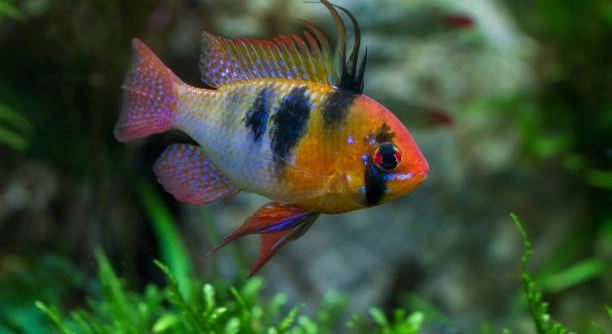
Convict cichlids are hardy fish, yet their colors can fade under common aquarium conditions, leaving keepers wanting richer contrast and healthier markings through simple care adjustments that support natural pigment expression over time consistently daily.
Improving convict cichlid color depends on optimal water parameters, balanced carotenoid rich diets, stable lighting cycles, and reduced stress. Consistent maintenance enhances metabolic function, allowing chromatophores to intensify pigmentation while supporting overall health and long term vitality in captive aquariums.
Small changes in daily care can transform appearance, revealing vibrant patterns that reflect proper husbandry and attentive aquarium management practices.
Maintain Stable Water Conditions
Stable water conditions play a major role in how convict cichlids display color. When parameters shift often, fish redirect energy toward survival rather than pigmentation. I focus on keeping temperature, pH, and hardness within consistent ranges that match their natural needs. Regular testing helps catch small changes before they cause stress. Clean water supports healthy skin cells and proper nutrient absorption, both of which affect color depth. Partial water changes remove waste without shocking the fish, which is important for maintaining balance. Filtration should be efficient but gentle, avoiding strong currents that can exhaust them. Over time, this steady environment allows natural patterns to appear bolder and more defined. Consistency, more than perfection, supports lasting color improvement in home aquariums. This approach reduces aggression, supports appetite, and creates predictable surroundings where fish remain calm, active, and responsive, which further contributes to stronger coloration over long periods in captivity settings overall.
Sudden swings in water chemistry often dull colors faster than poor genetics. I have noticed that even hardy fish respond quickly when stability returns, showing clearer stripes and darker contrast within a few weeks. This reinforces the value of patience and routine care in everyday aquarium management for long term.
Using a simple maintenance schedule keeps water quality reliable. I prefer weekly checks paired with modest water changes rather than large, infrequent cleanings. This method limits stress and preserves beneficial bacteria. Stable oxygen levels also matter, since proper respiration supports cellular repair and pigment development. Decorations and substrate should be rinsed gently to prevent waste buildup without removing helpful microbes. Avoid overcrowding, as excess waste quickly alters chemistry and raises tension among fish. When water conditions remain steady, convict cichlids allocate energy toward growth and color rather than constant adjustment, resulting in healthier and more vibrant appearances over time consistently.
Offer a Balanced, Color-Supporting Diet
Diet directly affects how pigments develop in convict cichlids. Foods rich in natural color compounds support brighter markings while steady feeding routines prevent stress. I aim for variety without excess, keeping portions controlled and nutrition consistent. This approach supports digestion and avoids water quality problems that affect appearance over time.
A balanced diet provides the building blocks needed for strong coloration. High quality pellets formulated for cichlids offer a reliable base, as they often include vitamins and minerals essential for skin health. I like to supplement with frozen or live foods such as brine shrimp and bloodworms, which encourage natural feeding behavior and improve nutrient intake. Plant based options, including spirulina flakes, contribute carotenoids that enhance red and orange tones. Feeding small amounts once or twice daily helps prevent waste accumulation and keeps metabolism steady. Overfeeding can cloud water and reduce oxygen, which dulls color over time. Consistency matters more than variety alone, so rotating foods on a schedule works well. Observing how fish respond allows adjustments without sudden changes. When nutrition remains balanced, convict cichlids show deeper contrast, clearer pattern edges, and improved overall condition that reflects attentive care. I have found that soaking dry foods briefly improves palatability and reduces waste. Removing uneaten food after feeding also protects water quality. These small habits support stable conditions while ensuring nutrients are used efficiently for visible, lasting color improvement. Over time, this mindful approach builds trust and supports predictable feeding responses without causing stress or aggressive competition during meals regularly.
Provide Proper Lighting
Lighting influences how convict cichlid colors are perceived and maintained. I keep lighting consistent each day to avoid stress and fading. Moderate brightness works best, highlighting patterns without washing them out or encouraging excessive algae growth inside the aquarium. This balance supports comfort and visual clarity over time for fish.
Convict cichlids respond well to a stable light schedule that mirrors natural daylight cycles. I set timers to provide eight to ten hours of light daily. Inconsistent lighting can cause restlessness and dull coloration. Soft white or full spectrum lights enhance contrast without stressing the fish. Avoid placing tanks near windows, since sunlight creates irregular exposure and temperature shifts. Darkness is equally important, allowing fish to rest and regulate hormones linked to color expression. When lighting remains predictable, fish display calmer behavior and more defined markings. Over time, this routine supports both appearance and overall well being in captivity settings.
Light intensity should match tank size and decoration choices. I avoid overly bright setups, especially in sparsely decorated tanks. Strong lighting without cover can make fish feel exposed. Adding rocks, caves, and plants helps break light and create shaded areas. This allows fish to choose comfortable spots throughout the day. Bulbs should be replaced as they age, since spectrum shifts can alter appearance. Clean light covers regularly to prevent dimming from mineral buildup. Small adjustments in lighting often lead to noticeable improvements in color consistency and activity levels. I have seen calmer behavior follow these simple lighting changes over time.
Reduce Stress Through Tank Setup
Stress quickly dulls convict cichlid color, even when diet and water are ideal. I arrange tanks to reduce conflict and sudden movement. Providing clear territories helps limit chasing and tension. Backgrounds on tank walls reduce reflections, which can trigger aggression. A calm layout supports stable behavior and allows colors to remain strong and consistent. This setup creates predictable spaces where fish feel secure daily and avoid constant visual disturbances during normal activity periods inside tanks.
Tank structure influences both behavior and appearance. I include caves, driftwood, and sturdy plants to break sight lines and offer refuge. Convict cichlids establish territories, and defined boundaries reduce constant displays. Substrate choice also matters, since darker gravel enhances contrast and reduces reflected light. I avoid overcrowding, keeping stocking levels conservative to limit competition. Equipment placement should be tidy, minimizing visual clutter and vibration. Even room traffic affects stress, so I position tanks away from busy areas. When fish feel secure, they spend less energy on defense and more on growth and pigmentation. Over time, this results in deeper color, smoother patterns, and healthier daily activity overall. These environmental choices shape long term stability and visible quality in captive care routines for consistent color retention.
Limit Aggression and Overcrowding
Aggression drains energy that would otherwise support color development. I keep stocking levels low and avoid mixing incompatible species. Fewer conflicts mean less chasing and fin damage. When convict cichlids feel unthreatened, their bodies maintain richer tones and clearer markings without constant recovery demands over extended periods of captive care.
Separating aggressive individuals can restore balance quickly. I watch behavior closely during feeding and breeding periods. Rearranging decorations helps reset territories and reduce fixation on rivals. These steps limit stress hormones, allowing pigment cells to function normally and sustain consistent coloration across daily conditions in stable home aquarium environments systems.
Support Natural Breeding Behavior
Breeding behavior strongly affects convict cichlid color intensity. During spawning periods, colors deepen as hormones increase pigment activity. I support this process by providing flat stones and sheltered caves. Even without breeding intent, mimicking these conditions encourages natural expression. However, constant breeding can exhaust fish if unmanaged. I allow rest periods by adjusting temperature slightly and limiting rich foods. Observing pair dynamics helps prevent harassment of weaker fish. Balanced breeding conditions promote healthy displays without draining long term vitality. When managed calmly, this biological response enhances coloration while maintaining overall stability in the aquarium environment over extended captive care periods.
Perform Consistent Tank Maintenance
Routine maintenance preserves conditions that support strong coloration. I follow a predictable cleaning schedule, focusing on partial water changes and filter care. Avoiding drastic cleanings protects beneficial bacteria. This consistency prevents stress responses and allows convict cichlids to retain vibrant, stable colors over time within well managed home aquarium systems.
FAQ
How often should I change water to maintain convict cichlid color?
I perform partial water changes weekly, usually around 20 to 25 percent of the tank volume. This keeps ammonia and nitrate levels low without shocking the fish. Consistent weekly changes maintain stability, which allows convict cichlids to keep their natural pigmentation strong and vibrant over time.
What foods are best for enhancing color?
I feed a mix of high quality cichlid pellets, frozen foods like brine shrimp or bloodworms, and plant-based options containing spirulina. Carotenoid rich foods are particularly effective for intensifying red and orange tones. I avoid overfeeding to protect water quality, which also influences appearance.
Can stress really affect color that much?
Yes, stress can quickly dull convict cichlid color. Overcrowding, aggressive tankmates, and sudden changes in water parameters all raise stress levels. I reduce tension by keeping tanks moderately stocked, separating aggressive individuals, and providing caves or hiding spots. Less stress means fish show clearer stripes and deeper contrast.
Does lighting play a role in pigment development?
Lighting has a major effect. I use a consistent light schedule of eight to ten hours daily with moderate brightness. Full spectrum or soft white lights enhance visibility without stressing the fish. Proper lighting helps fish rest at night while showing their natural colors fully during the day.
How do breeding behaviors affect color?
During spawning periods, colors naturally deepen due to hormonal changes. I encourage natural breeding behavior by providing flat stones, caves, and gentle substrate. Even observing territorial behaviors stimulates pigmentation. I also make sure to allow rest periods between breeding events to prevent exhaustion, which could fade colors if constant.
Do decorations and tank setup influence coloration?
Yes, they do. I place rocks, driftwood, and plants to break sight lines and provide territories. Darker substrate enhances contrast and makes stripes more noticeable. Arranging hiding spots reduces stress and aggressive encounters, which allows fish to display their colors without interruption or fear.
Can water parameters alone improve color?
Stable water parameters are crucial. I maintain temperature between 74–80°F, pH around 6.5–7.5, and moderate hardness. Fluctuations force fish to spend energy on adaptation rather than pigmentation. Keeping parameters steady supports metabolism and allows chromatophores to express color fully, maintaining bold patterns over time.
How does age affect color intensity?
Younger convict cichlids may show less intense color until they mature. I notice colors deepen after six to eight months under proper care. Mature fish also respond better to enriched diets and stable environments, showing vibrant patterns consistently without additional stress.
Are supplements necessary for better color?
Not always, but I sometimes use small doses of vitamin-enriched color boosters if natural diet alone isn’t enough. Overuse can harm water quality, so moderation is key. Proper nutrition combined with clean water, good lighting, and reduced stress is usually enough to maximize pigment expression.
How long does it take to see noticeable color improvements?
With consistent care, I usually see changes within a few weeks. Water stability, diet, stress reduction, and lighting all work together. Small adjustments in tank setup or feeding habits can result in visible improvements in stripe contrast, intensity, and overall vibrancy without aggressive interventions.
What is the most common mistake that dulls color?
In my experience, inconsistent water maintenance and overstocking are the main issues. Even with proper diet, frequent stress or ammonia spikes dull color. Keeping stable parameters and providing secure territories usually restores vibrancy quickly while preventing long-term fading.
Can I mix convict cichlids with other species safely?
I avoid housing them with very aggressive or very passive species. Conflicts or constant stress from tankmates reduce color intensity. Suitable companions should tolerate similar conditions without frequent chasing. Separating incompatible fish ensures all individuals can display their natural patterns fully without interruption.
This FAQ covers essential factors affecting convict cichlid color, from water stability and diet to lighting, tank setup, stress, and breeding. Following these practices consistently ensures healthier, more vibrant fish over long term care.
Final Thoughts
Maintaining vibrant convict cichlid colors is largely about consistency and careful attention. Over time, I’ve noticed that small, regular efforts have a bigger impact than occasional drastic changes. Keeping water stable, feeding a balanced diet, and monitoring tank conditions every week makes a noticeable difference in how strong and clear the stripes and patterns appear. Fish respond to steady environments, so predictable routines help them thrive. Even simple practices, like partial water changes, checking pH levels, or keeping filters clean, support not just color but overall health, growth, and activity levels. When everything in the tank remains balanced, the fish have more energy to spend on natural pigmentation instead of coping with stress or poor conditions. I’ve learned that patience is key, and results show gradually over several weeks rather than overnight.
Stress is one of the biggest factors affecting color, and it’s often overlooked. Aggressive tankmates, overcrowding, or sudden changes in light or water conditions can quickly make patterns appear dull and washed out. I always arrange decorations and hiding spots to give each fish its own territory, which limits conflict and makes them feel secure. Soft lighting and regular day-night cycles also reduce tension and allow natural hormones to work properly, supporting stronger coloration. Diet also plays a role in this process. Foods rich in carotenoids, protein, and nutrients strengthen pigment expression and overall health, while overfeeding or feeding low-quality options can affect both water quality and appearance. Observing fish behavior daily helps catch early signs of stress or illness, which can otherwise slow down or reverse color improvements.
Finally, achieving the best color is a combination of good habits and a calm, consistent environment. Lighting, water quality, diet, tank setup, and stress management all work together to influence the final look of convict cichlids. I’ve found that even minor adjustments, like rearranging rocks or changing feeding times, can make colors more vibrant without introducing new stressors. Long-term care is about maintaining balance rather than chasing quick results. When all these factors are in place, fish display their natural markings at their fullest, showing brighter stripes, deeper contrasts, and healthier overall appearances. Taking time to notice changes and make steady improvements ensures that convict cichlids remain colorful and active, reflecting the care and attention put into their aquarium over months and years.

Hello,
If you enjoy the content that we create, please consider saying a "Thank You!" by leaving a tip.
Every little bit helps us continue crafting quality advice that supports the health, happiness, and well-being of pets around the world, for pets of all shapes, sizes, and species.
We really appreciate the kindness and support that you show us!