
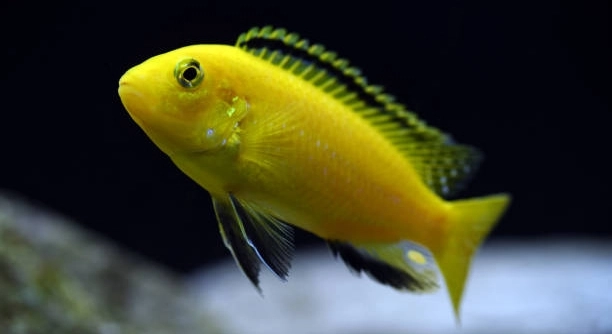
Raising cichlid fry without their parents can feel overwhelming at first. Many fishkeepers find themselves unsure how to provide proper care for these tiny, delicate babies during their earliest days of life.
Successfully raising cichlid fry without parental care requires careful attention to water quality, feeding schedules, and tank conditions. Ensuring optimal temperature, filtration, and nutrition supports healthy growth and reduces mortality, allowing fry to develop into strong, resilient adult fish.
Following these basic steps can make the process easier and more effective, giving your young cichlids the best chance to thrive.
Preparing a Safe Tank for Fry
Before bringing cichlid fry home, it’s important to have a secure and clean tank ready. Fry are very small and sensitive to water changes and temperature fluctuations. A separate tank helps protect them from adult fish that may eat them. Use a sponge filter to provide gentle water movement without sucking in the fry. Maintain a stable temperature between 78 and 82°F depending on your species. Clean the tank thoroughly but avoid strong chemicals that may linger. Adding some hiding spots, like small plants or rocks, gives the fry areas to feel safe and reduces stress. Monitoring water quality is crucial, as ammonia or nitrites can quickly harm them. Frequent small water changes are better than one large change. Keep the tank dimly lit, as harsh lighting can make fry nervous and slow their feeding. A calm environment supports healthy growth and increases survival rates over the first critical weeks.
Fry tanks should be quiet and stable, with minimal disturbance to prevent stress and loss.
A well-prepared tank creates a controlled environment where temperature, filtration, and hiding areas meet the fry’s needs. It allows consistent feeding routines, reduces risk of disease, and gives small fry the space to swim safely. Observing the tank daily helps detect problems early, making adjustments easier. With the proper setup, fry can develop steadily without interference from adult fish, making the early stages manageable.
Feeding the Fry
Feeding fry small amounts often ensures they get enough nutrition without fouling the water.
Offer freshly hatched brine shrimp, finely crushed flakes, or specialized fry food multiple times a day. Start with tiny portions to avoid overfeeding, which can pollute the water quickly. Monitor how much the fry eat and remove any uneaten food. Adjust the amount as they grow. Feeding schedules may vary depending on species and water temperature. Fry need high-protein food to support rapid growth, but balance is essential to prevent digestive problems. Introduce a variety of foods gradually to encourage healthy development and prevent picky eating. Rotating live, frozen, and prepared foods provides essential nutrients while keeping the diet interesting. Maintaining a consistent feeding schedule helps fry grow predictably. Over time, you can reduce the frequency while increasing portion size as they mature. Observation is key, as each tank and batch of fry may have different appetite patterns and growth rates. Regularly checking water quality alongside feeding habits ensures a healthy environment for the fry.
Maintaining Water Quality
Frequent water changes keep ammonia and nitrite levels low, which is essential for fry survival. Use a siphon or turkey baster to remove debris carefully. Test water regularly to maintain safe parameters and avoid sudden shifts that can stress the fry.
Keeping water clean involves small, consistent changes rather than large, infrequent ones. Removing 10–20% of the water every few days prevents harmful chemical buildup and keeps the environment stable. Always treat tap water to remove chlorine or chloramine before adding it to the tank. Monitor pH and temperature closely, as fry are sensitive to fluctuations. Maintaining gentle filtration helps remove waste without disturbing the fry or sucking them in, while aeration ensures oxygen levels remain adequate. By creating a stable, clean environment, fry can feed and swim safely, growing steadily without unnecessary stress or disease risk.
Consistent water care also reduces the chance of algae overgrowth and bacterial infections. Even minor neglect can lead to unhealthy conditions. Small adjustments and careful observation allow you to respond quickly if issues arise. A stable environment helps fry develop proper swimming patterns, strengthens immune systems, and supports steady growth. Maintaining balance between filtration, aeration, and water changes ensures the tank remains a safe habitat, letting fry thrive during their delicate early weeks. Observing behavior and physical appearance can signal when water quality needs attention.
Controlling Temperature and Light
Fry are highly sensitive to temperature changes, which affect metabolism and growth. Keep the tank heater stable and avoid placing the tank in direct sunlight or drafts.
Use a reliable aquarium heater with a thermostat to maintain consistent temperatures. Sudden drops or spikes can slow growth or cause stress. Keep lighting soft and consistent, as excessive brightness may make fry hide and reduce feeding activity. A timer ensures regular day-night cycles, supporting natural behavior and development. Observing fry response to temperature and light allows adjustments for optimal growth, improving survival rates over the critical early period.
Gradually acclimate fry to any environmental changes to prevent shock. Sudden shifts in temperature or light can weaken immune systems and reduce appetite. Stable conditions promote energy-efficient growth and reduce stress-related behaviors. Using floating plants or gentle shading can diffuse light and create safe zones for fry. Monitoring equipment regularly ensures the heater and lighting function correctly. Maintaining this balance between temperature and light encourages healthy swimming, feeding, and social interactions among fry, giving them the best chance to thrive in the absence of parental care.
Separating Fry by Size
Separating larger fry from smaller ones prevents bullying and ensures even growth. Small fry can easily be outcompeted for food, so using dividers or multiple tanks helps maintain fairness during feeding.
Dividing fry also reduces stress and potential injuries. Smaller groups are easier to monitor for health issues and water quality. Regularly check for aggressive behavior and move fry as needed to maintain a safe environment.
Monitoring Growth and Health
Regularly observe fry for signs of slow growth, lethargy, or abnormal swimming. Healthy fry should be active, responsive, and show steady weight gain. Early detection of illness allows prompt treatment and prevents spread. Maintain clean water, stable temperature, and a balanced diet to support strong development. Consistency in feeding and tank maintenance is key. Keep a simple record of growth milestones and behavior changes to track progress. Removing weak or sick fry promptly reduces risk to the rest of the group. By staying attentive, you ensure that the majority of fry reach maturity with minimal losses.
Avoiding Overcrowding
Overcrowding increases stress and disease risk among fry. Maintain a proper fry-to-tank ratio and provide sufficient hiding spaces to support healthy growth and reduce competition for food.
FAQ
How often should I feed cichlid fry?
Cichlid fry need to be fed multiple times a day because they have small stomachs and grow quickly. Tiny portions of high-protein foods like brine shrimp, crushed flakes, or specialized fry food work best. Overfeeding can foul the water, so remove uneaten food after each session. Adjust amounts as the fry grow to prevent waste and maintain clean water conditions. A consistent feeding schedule supports steady growth and helps fry develop strong immune systems.
What is the ideal temperature for raising fry?
Most cichlid fry thrive in water temperatures between 78 and 82°F. Stable temperatures are critical because sudden changes can stress fry, slow growth, or cause illness. Use a reliable aquarium heater with a thermostat and monitor regularly. Avoid placing the tank near windows, vents, or areas with drafts. Gradual adjustments are safer if you need to change temperatures. Maintaining the correct temperature also helps fry digest food efficiently and encourages healthy swimming behavior.
How do I prevent diseases in fry?
Clean water, proper filtration, and balanced feeding are essential for disease prevention. Perform small, frequent water changes and avoid overcrowding. Monitor fry for unusual behavior, discoloration, or spots, which could indicate infections. Quarantining new fry or fish before introducing them reduces risk. Keeping the tank environment stable—temperature, pH, and water hardness—also strengthens fry immunity. If sickness appears, act quickly using suitable treatments or isolation to prevent spread. A healthy environment is always more effective than reactive measures.
Can fry survive without live food?
Yes, fry can survive on high-quality powdered or flake foods designed for young fish, though live food like brine shrimp often improves growth rates and activity levels. You can introduce frozen or prepared foods gradually while ensuring portions remain small. Variety is important for nutrition and proper development. Some fry may refuse certain foods initially, so patience and observation are needed. Even without live food, maintaining water quality and feeding consistently ensures fry can grow healthy and strong.
When should I move fry to a bigger tank?
Move fry when they become too large for the current tank or when overcrowding begins to affect growth and health. Typically, fry can stay in a smaller tank for several weeks, but monitoring size differences is key. Gradually acclimate them to the new environment to avoid shock. The bigger tank should have gentle filtration, hiding spots, and stable water conditions. Properly timing this move reduces stress and ensures fry continue developing safely.
How can I tell if fry are healthy?
Healthy fry are active, swim steadily, and feed consistently. Their color should be clear and even, without unusual spots, fraying fins, or lethargy. Slow growth, floating near the surface, or clamped fins may indicate stress or illness. Regular observation and clean water help maintain their health. Healthy fry respond quickly to food and explore their surroundings confidently. Tracking behavior and growth over time makes it easier to spot early issues and address them promptly.
Is it necessary to separate fry by size?
Yes, separating fry by size prevents bullying and ensures fair access to food. Larger fry can outcompete or injure smaller ones, slowing their growth or causing death. Use dividers, mesh barriers, or multiple tanks to maintain safety. Regularly check and adjust groups as they grow. Separation reduces stress, helps smaller fry thrive, and allows for easier monitoring of growth and health.
What kind of filtration is best for fry?
Sponge filters are ideal because they provide gentle water movement without sucking in fry. They also promote beneficial bacteria growth, which helps maintain water quality. Avoid strong currents or filters with large intakes. Regularly clean sponge filters to prevent debris buildup while preserving the bacteria colony. Proper filtration keeps water clear, reduces ammonia spikes, and supports overall fry health. Combined with small, frequent water changes, sponge filters create a safe and stable environment for developing fry.
How do I acclimate fry to new water?
Acclimate fry slowly to prevent shock. Float the fry in a container with the new tank water, gradually mixing small amounts of the new water over 30–60 minutes. Avoid sudden changes in temperature, pH, or hardness. Slow acclimation reduces stress, encourages feeding, and helps fry adjust to the new environment. Observing their behavior during this process ensures they transition safely and start thriving quickly in the new tank.
Can I raise fry without parents successfully?
Yes, with careful attention to feeding, water quality, temperature, and tank setup, fry can thrive without parental care. Separation, regular monitoring, and consistent routines support growth and reduce mortality. Many aquarists successfully raise healthy fry entirely independently. Proper preparation and observation are key to ensuring fry reach adulthood safely, even without parental guidance.
Raising cichlid fry without their parents can seem intimidating at first, but it is very manageable with the right approach. The key is to create a stable environment that meets their basic needs. Water quality, temperature, and feeding schedules are the foundation for healthy growth. Small fry are delicate, and even minor fluctuations in their tank can affect their health. Frequent water checks, gentle filtration, and consistent water changes help keep conditions safe. Adding hiding spaces like plants or rocks also reduces stress and gives the fry areas to explore and feel secure. By paying attention to these basic requirements, you can support strong, healthy fry development and prevent common problems that may arise from inexperience or neglect.
Feeding the fry properly is just as important as maintaining their tank. They need high-protein foods in tiny portions throughout the day to grow at a healthy rate. Overfeeding can pollute the water, so it’s better to give small amounts and remove uneaten food. Rotating different types of food, including live, frozen, or powdered options, ensures a balanced diet. Observing how the fry eat and grow helps you adjust portions and feeding frequency over time. Separation by size is another factor that can improve survival rates. Larger fry often outcompete smaller ones for food, so grouping them by size or using dividers can prevent stress and uneven growth. Paying attention to feeding and growth patterns allows you to notice early signs of health issues and take action before problems become serious.
Maintaining stable conditions and monitoring the fry closely is essential for long-term success. Regular observation of behavior, swimming patterns, and overall appearance can give insight into their health. Active, responsive fry with clear coloration and steady growth are usually strong and healthy. Fry are highly sensitive to sudden changes in temperature, light, and water quality, so gradual adjustments are always safer. Planning tank upgrades, keeping equipment functioning, and avoiding overcrowding all help create an environment where fry can thrive. With patience, consistency, and careful attention, raising cichlid fry without their parents is achievable. Following these steps improves survival rates, encourages proper development, and allows you to watch your young fish grow into healthy, active adults.

Hello,
If you enjoy the content that we create, please consider saying a "Thank You!" by leaving a tip.
Every little bit helps us continue crafting quality advice that supports the health, happiness, and well-being of pets around the world, for pets of all shapes, sizes, and species.
We really appreciate the kindness and support that you show us!