
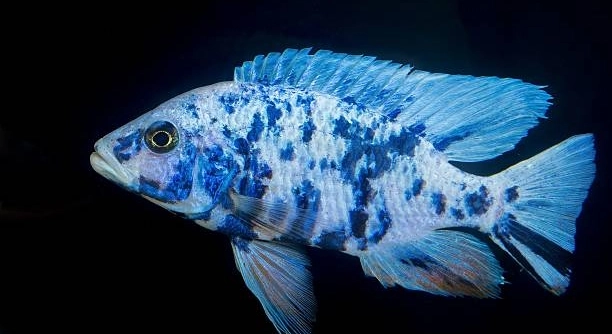
Many aquarium owners enjoy watching convict cichlids interact, but feeding them can be tricky if you are not familiar with their behavior. Their eating patterns vary, and knowing what suits them best improves their health and activity.
Convict cichlids are omnivorous and display varied feeding habits, including grazing on algae, consuming small invertebrates, and accepting prepared foods. They feed multiple times daily, exhibit territorial behavior during meals, and adjust intake according to age, size, and environmental conditions.
Learning their feeding habits can help you maintain a balanced diet and a peaceful tank environment. Proper understanding ensures their well-being and promotes a thriving aquarium community.
Understanding Omnivorous Feeding
Convict cichlids eat both plant and animal matter, which makes feeding them relatively flexible but still requires attention. In the wild, they graze on algae, insect larvae, and tiny crustaceans. In aquariums, they accept flakes, pellets, and frozen or live foods. Balancing protein and vegetable content helps maintain their health, growth, and coloration. Overfeeding can lead to obesity or water quality issues, while underfeeding may cause stress and aggression. Observing how your cichlids interact during feeding provides clues about their preferences and dietary needs.
They often pick at food throughout the day rather than eating everything at once, which reflects natural grazing habits.
Providing a mix of protein-rich and plant-based options ensures their diet remains complete. Feeding small portions multiple times a day mimics their natural eating behavior. Over time, you can notice preferences for certain foods and adjust accordingly. Additionally, rotating different types of prepared and live foods helps prevent nutritional gaps. Feeding should also consider tank size and fish density, as competition can influence how much each cichlid eats. Monitoring waste and leftover food ensures water quality remains stable, which is crucial for their health and growth.
Feeding Frequency and Patterns
Convict cichlids tend to eat several small meals daily rather than one large feeding.
They are active feeders, often foraging along the substrate and around hiding spots. Feeding intervals should reflect this natural behavior. Regular observation helps determine when and how much each fish requires.
Scheduling multiple feedings daily supports their metabolism and reduces aggression during mealtime. Younger cichlids may need three to four feedings, while adults can thrive with two. Feeding at consistent times encourages predictable behavior and reduces stress. Overfeeding at a single sitting can lead to uneaten food that degrades water quality, causing health issues. It’s also important to provide adequate space for all cichlids to access food without being chased away. Watching how dominant individuals interact with subordinates allows adjustments in feeding strategies, such as spreading food across the tank. Using varied food textures and forms—flakes, pellets, frozen worms, or live brine shrimp—ensures all fish receive proper nutrition. Maintaining a balanced schedule and observing their behavior promotes both health and peaceful tank dynamics, giving the cichlids a stable, supportive environment.
Preferred Food Types
Convict cichlids favor protein-rich foods but also need plant matter. They enjoy live worms, brine shrimp, flakes, and pellets. Adding vegetables or spirulina ensures a balanced diet. Feeding a variety keeps them healthy and maintains their natural colors.
Live foods stimulate natural hunting behavior, keeping cichlids active and engaged. Flakes and pellets offer convenience and consistency in nutrition. Vegetables like spinach or zucchini provide fiber and essential vitamins. Rotating these options prevents boredom and nutritional gaps. Paying attention to what each fish prefers helps ensure all receive enough food, especially in a tank with more dominant individuals. Observing leftovers allows adjustment of portion sizes.
Some cichlids may ignore certain foods at first, but repeated exposure encourages acceptance. Combining textures—soft live food with crunchy pellets—enhances feeding activity. Over time, you can notice which foods trigger excitement, aggression, or selective feeding. Maintaining variety and monitoring consumption supports long-term health and reduces stress in the tank. Using a mix also helps prevent dominance-related disputes during feeding, as slower or shy fish can access preferred items without being intimidated.
Feeding During Breeding
During breeding, convict cichlids increase food intake and demand higher protein levels. Parents need extra nutrition to support egg production and fry care.
Providing more frequent feedings of protein-rich options like brine shrimp or bloodworms encourages strong growth and improves reproductive success. Reducing plant-based foods during this period ensures they get sufficient energy for guarding eggs and fry. Both male and female cichlids show increased aggression while protecting their territory, so careful feeding placement reduces conflict. Watching how parents share food with fry helps determine portion sizes and timing, ensuring the young get adequate nutrition.
Adjusting feeding routines during breeding can prevent stress and support fry development. Placing small portions near fry allows them to eat safely while avoiding competition with adults. Maintaining water quality is crucial, as extra food can quickly decay and harm eggs or fry. Feeding in intervals rather than all at once ensures consistent nourishment. Observing how parents interact with each other and the fry provides insight into their nutritional needs. Proper timing, portion control, and variety promote healthy growth and reduce aggression, helping the family thrive in the tank.
Grazing and Foraging Behavior
Convict cichlids often graze along the substrate, picking at leftover food, algae, and small organisms. This natural behavior keeps them active and helps prevent boredom in the tank. Providing scattered food encourages healthy foraging.
Foraging also reduces aggression during feeding since fish spread out instead of competing in one spot. Observing their grazing patterns helps identify which areas of the tank they prefer and whether they are getting enough nutrition. Offering a mix of sinking pellets and small live foods simulates natural searching and promotes mental stimulation.
Feeding Hierarchy
Dominant cichlids often eat first, leaving subordinate fish with less. Recognizing this behavior helps in managing feeding strategies.
Ensuring all fish get enough nutrition may require spreading food across the tank or using multiple feeding spots. Feeding smaller portions gradually allows shy fish to access food safely without being chased away. Over time, observing how different individuals respond to feeding helps adjust portion sizes and locations, promoting balanced nutrition for the whole group.
Response to New Foods
Convict cichlids can be cautious when introduced to unfamiliar foods. They may sniff, nibble, or ignore new items at first.
Repeated exposure and mixing with familiar foods encourages acceptance. Patience and consistency are key when expanding their diet.
FAQ
What should I feed convict cichlids daily?
Convict cichlids need a balanced diet of protein and plant matter. Daily feedings should include flakes or pellets as a base, supplemented with live or frozen foods like brine shrimp, bloodworms, or daphnia. Vegetables such as zucchini or spinach can be added occasionally to provide fiber and vitamins. Feeding small portions multiple times a day mimics natural grazing and helps prevent overeating. Observing how much each fish consumes ensures everyone gets proper nutrition, especially in tanks with multiple cichlids where dominant individuals may try to eat first.
How often should I feed adult convict cichlids?
Adult convict cichlids generally do well with two feedings per day. Each feeding should provide just enough food for a few minutes of active consumption. Overfeeding can quickly lead to water quality issues, which harm their health. Watching how adults interact during mealtime helps determine if adjustments are needed. Some dominant fish may take more than their share, so spreading food in different areas ensures smaller or shy fish get access. Feeding at consistent times every day reduces stress and encourages predictable behavior.
Can convict cichlids eat live foods?
Yes, live foods are excellent for stimulating natural hunting behavior and providing high protein content. Options like brine shrimp, blackworms, or daphnia keep them active and can improve coloration. Live foods should be offered in moderation alongside flakes or pellets to ensure a balanced diet. They also help younger fish grow faster and can be a good way to engage cichlids during breeding periods. Always ensure live foods come from a safe source to prevent introducing diseases or parasites into the tank.
Are vegetables necessary in their diet?
Vegetables are important for providing fiber and essential vitamins. While convict cichlids mainly eat protein, adding plant matter like spinach, zucchini, or spirulina flakes prevents nutritional gaps. Vegetables also help with digestion and maintain overall health. Offering small amounts a few times a week is usually sufficient, and chopping or blanching vegetables can make them easier to eat. Observing which vegetables your cichlids prefer allows you to adjust the feeding plan, ensuring they enjoy and consume these nutritious options.
How do I feed fry or baby convict cichlids?
Fry need smaller, frequent feedings due to their fast metabolism and tiny mouths. Infusoria, newly hatched brine shrimp, and crushed flakes are suitable. Parents sometimes help by directing food toward the fry, but separating fry into a rearing tank can ensure they all get enough nutrition. Feeding intervals of three to four times a day support growth, while monitoring leftover food prevents water contamination. Gradually introducing larger foods as they grow helps transition them to adult diets.
What is the best way to manage aggressive feeding behavior?
Convict cichlids can be territorial and aggressive during meals, especially in smaller tanks. Spreading food across multiple areas reduces competition. Using sinking pellets or small portions prevents dominant fish from taking all the food at once. Observing interactions and adjusting feeding locations ensures shy or subordinate fish can eat safely. Consistency and patience help minimize stress and aggression.
Can overfeeding harm my cichlids?
Yes, overfeeding can lead to obesity, poor water quality, and digestive issues. Uneaten food decomposes, increasing ammonia and nitrite levels, which are toxic. Feeding measured portions and removing leftovers prevents these problems. Monitoring fish behavior helps identify signs of overfeeding, such as bloated bellies or decreased activity, allowing adjustments before health is affected.
Do convict cichlids eat algae?
Yes, they often graze on algae, which supplements their diet with plant matter and helps keep the tank cleaner. Algae alone is not enough for nutrition but works well alongside flakes, pellets, and live foods. Observing their grazing patterns can indicate if they need more plant-based supplements.
How can I introduce new foods to picky eaters?
Introduce new foods gradually, mixing them with familiar options. Repeated exposure encourages acceptance, and varying textures can make new foods more appealing. Patience is key, as some cichlids may take several attempts to try unfamiliar items. Monitoring consumption ensures all fish are adjusting well.
What feeding adjustments are needed during breeding?
During breeding, cichlids require more frequent feedings and higher protein intake. Providing extra brine shrimp, bloodworms, or other protein-rich options supports energy for egg production and fry care. Feeding in small portions near fry ensures they get nutrition safely. Adjusting routines during this period reduces stress and promotes healthy offspring.
Feeding convict cichlids is a key part of keeping them healthy and active. Understanding their eating habits helps create a routine that works for both the fish and the tank environment. These fish are omnivorous, which means they need a mix of protein and plant-based foods. Offering a combination of flakes, pellets, live foods, and vegetables ensures they get the nutrients required for proper growth and coloration. Feeding in small portions multiple times a day is ideal, as it mimics their natural grazing patterns and reduces the chance of leftover food harming water quality. Observing how each fish responds to different foods also provides insight into their preferences and helps prevent dominant individuals from taking more than their share.
During breeding periods, feeding routines should be adjusted to meet the increased energy needs of adult cichlids. Protein-rich foods such as brine shrimp, bloodworms, or daphnia support egg production and fry development. Small, frequent meals help parents maintain energy levels while reducing aggressive behavior over food. Providing food near fry allows them to access nutrition safely without being chased by adults. Maintaining water quality is especially important during this time, as leftover food can quickly degrade and stress both parents and offspring. By carefully monitoring feeding behavior, portion sizes, and food types, you can support healthy breeding and fry growth while ensuring the adults remain strong and vibrant.
Overall, convict cichlids thrive when their feeding routine is balanced, varied, and consistent. Paying attention to both their nutritional needs and natural behaviors helps prevent aggression, ensures all fish get enough to eat, and promotes long-term health. Incorporating live foods stimulates natural foraging, while vegetables provide essential fiber and vitamins. Adjusting portions based on age, size, and tank dynamics prevents overfeeding and maintains clean water. Watching how they respond to new foods and rotating options over time keeps them engaged and reduces the risk of selective feeding. A mindful approach to feeding supports a stable, active, and healthy aquarium where convict cichlids can grow, breed, and display their natural behavior fully.

Hello,
If you enjoy the content that we create, please consider saying a "Thank You!" by leaving a tip.
Every little bit helps us continue crafting quality advice that supports the health, happiness, and well-being of pets around the world, for pets of all shapes, sizes, and species.
We really appreciate the kindness and support that you show us!