
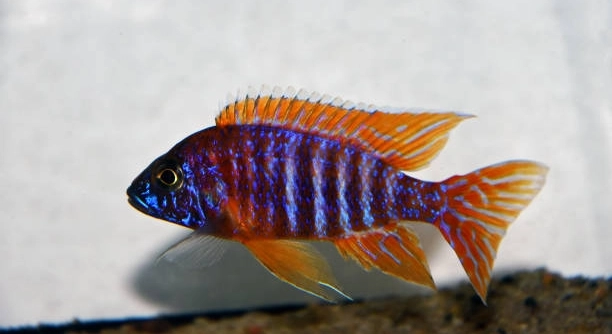
Convict cichlids are colorful freshwater fish known for their bold behavior and active personalities. Observing them in aquariums can reveal fascinating interactions that hint at how they relate to each other socially. These behaviors often intrigue fish enthusiasts.
Convict cichlids do form social hierarchies, establishing dominance through displays, chasing, and territory control. These hierarchies help reduce conflict, organize group interactions, and determine access to resources, ensuring a structured environment within their community.
Understanding their social order provides insight into their natural behaviors and care requirements. Observing these interactions can improve aquarium management and promote healthier, more balanced fish communities.
How Convict Cichlids Establish Hierarchies
Convict cichlids establish hierarchies primarily through physical displays and territorial behavior. Males often assert dominance by flaring fins, swimming aggressively, and chasing other fish away from preferred spaces. Females also participate by defending nesting sites and showing selective aggression. These interactions are most visible when multiple cichlids share the same aquarium, with dominant fish gaining priority access to food, hiding spots, and mates. Subordinate fish usually retreat or display submissive behaviors to avoid conflict, creating a structured social environment. Over time, these patterns stabilize, and each fish understands its position. This hierarchy reduces daily confrontations, allowing the group to coexist more peacefully. Even minor differences in size, color intensity, or temperament can influence rank, showing that hierarchy is dynamic and can change as the fish grow or as new members are introduced. Observing these patterns helps in predicting behaviors and preventing stress-related issues in captivity.
Understanding these behaviors makes managing multiple convict cichlids easier. Recognizing dominance signals reduces fights.
Social hierarchies in convict cichlids also influence breeding. Dominant males usually secure the best territories, attracting females for spawning. Subordinate males may attempt sneaky mating strategies or wait for opportunities when higher-ranked males are distracted. Females often choose mates based on territory quality and male displays, reinforcing hierarchy. In groups with multiple females, dominant females protect the best nesting sites, while less dominant ones occupy less desirable areas. Hierarchies shift with changes in population, size, or health, and conflicts often spike during breeding seasons. Understanding these patterns is crucial for aquariums, as overcrowding or improper tank setup can trigger excessive aggression. Providing sufficient hiding places, territories, and visual barriers allows subordinate fish to escape confrontations, keeping stress levels low. Careful observation and tank management can help maintain a balanced hierarchy, ensuring fish remain healthy, active, and less prone to injury. Proper understanding of hierarchy supports breeding success and overall aquarium harmony.
Signs of Dominance
Dominant convict cichlids display confident swimming, fin flaring, and frequent chasing of other fish. These signs indicate control over territory and resources.
Recognizing these behaviors is key to preventing conflict and maintaining a calm tank. Observing which fish dominate feeding areas, nesting sites, and preferred spaces helps identify hierarchy. In addition to chasing and displays, dominant fish may adopt prime hiding spots, forcing others to occupy less optimal areas. Submissive fish often swim away quickly, remain near tank edges, or avoid direct confrontation. Some cichlids adjust their behavior to conserve energy, only challenging others when necessary. Understanding these interactions allows aquarists to anticipate aggression and intervene when necessary, such as by rearranging decorations or providing extra territories. Monitoring feeding times can also reveal subtle dominance patterns, as higher-ranking fish eat first or claim preferred food sources. Recognizing these signs ensures better group management and reduces stress, keeping the fish more active and healthy over time.
Impact of Tank Size and Environment
Smaller tanks increase aggression among convict cichlids because space is limited. Crowding forces fish into frequent confrontations, which can escalate stress and injury. Providing sufficient space helps maintain a balanced hierarchy and reduces daily tension in the aquarium.
A well-structured tank with hiding spots, rocks, and plants allows subordinate fish to escape dominant individuals. When fish have territories to claim, dominant ones are less likely to chase constantly, creating a more stable environment. Open swimming areas combined with private zones let each fish establish personal space. Proper tank decoration also mimics natural habitats, encouraging natural behaviors like nesting and exploring. Stress levels drop when fish can retreat, and feeding becomes less competitive. Observing these environmental factors can guide adjustments to prevent aggressive dominance from destabilizing the group.
Water quality directly affects hierarchy and aggression in convict cichlids. Poor conditions increase irritability, making even minor disputes escalate. Stable temperature, clean water, and regular maintenance ensure fish remain calmer. Proper filtration, regular water changes, and monitoring pH levels reduce stress and aggressive interactions. Fish in healthy environments are more likely to follow natural social patterns, with dominant individuals asserting themselves without constant conflict. Maintaining consistent conditions helps prevent sudden hierarchy shifts caused by stress or illness. By creating a stable habitat, all fish can thrive, and aggressive incidents decrease. A balanced environment supports both social stability and overall health, making hierarchy easier to manage.
Feeding and Hierarchy
Dominant cichlids often eat first, claiming the best food and forcing subordinates to wait or take leftovers. Observing feeding order reveals social rank clearly.
Feeding routines highlight power dynamics among convict cichlids. Dominant fish assert themselves during meals by approaching food confidently and chasing others away. Subordinate fish adjust by eating later or staying on the edges of the feeding area. Over time, fish establish predictable patterns, reducing conflicts during feeding. Providing multiple feeding spots or spreading food across the tank minimizes competition and prevents weaker fish from being bullied. Observing who eats first can help identify dominant individuals and guide tank management strategies. This understanding also supports healthier growth, as all fish can access sufficient nutrition without constant stress or intimidation.
Breeding and Hierarchy
Dominant convict cichlids secure the best nesting sites, giving them priority over mates. Subordinate fish often settle for less optimal areas, avoiding confrontation while still reproducing.
Hierarchy affects parenting behavior as well. Dominant pairs defend eggs and fry more aggressively, ensuring higher survival rates. Subordinate fish may help in small ways or avoid the area altogether to prevent conflict.
Aggression Management
Separating highly aggressive individuals can prevent injuries. Providing visual barriers and hiding spots allows fish to coexist peacefully without constant confrontation.
Observation Tips
Careful observation helps identify which fish are dominant. Watching interactions during feeding, territory defense, and mating provides insight into the social structure.
Common Mistakes
Overcrowding and poor tank setup often trigger unnecessary fights. Ignoring hierarchy signs can result in stress, injuries, and reduced fish health, making tank management more difficult.
FAQ
How can I tell which convict cichlid is dominant?
Dominant cichlids display confident swimming, chase other fish, and often occupy the best hiding spots or territories. They flare their fins and may approach food first. Subordinate fish usually stay on the edges of the tank, avoid direct confrontations, and retreat when a dominant fish approaches.
Do subordinate cichlids ever challenge dominant fish?
Yes, but it is usually brief and strategic. Subordinate fish may attempt challenges when the dominant fish is distracted or weaker due to illness or stress. These challenges rarely succeed unless there is a shift in size, age, or energy levels among the group.
How does tank size affect hierarchy?
Smaller tanks increase stress and force frequent interactions, which can escalate aggression. Larger tanks provide space for territories, hiding spots, and personal zones. This separation reduces conflict and allows dominant and subordinate fish to maintain clear roles without constant confrontation.
Can environmental changes shift the hierarchy?
Yes, adding new fish, rearranging decorations, or changing water conditions can alter social dynamics. New individuals may challenge current dominants, and changes in territory layout can force fish to reestablish their positions. Subordinate fish might gain advantages in the process.
Does feeding influence dominance?
Absolutely. Dominant fish usually eat first and claim preferred food, while subordinates wait or take leftovers. Multiple feeding locations help reduce conflict, giving all fish access to nutrition and lowering the chance of aggressive encounters during mealtime.
Do male and female cichlids establish hierarchies differently?
Males typically compete for territory and mating opportunities, displaying aggression more visibly. Females may assert dominance through nest defense and selective aggression around spawning sites. Both sexes contribute to the hierarchy, and rank can shift depending on breeding activity or environmental conditions.
How does hierarchy affect breeding success?
Dominant pairs secure the best nesting sites and protect eggs and fry more aggressively. Subordinate pairs may have limited access to resources or nesting areas, which can reduce reproductive success. Understanding hierarchy helps ensure proper breeding conditions and reduces stress for weaker fish.
Can overcrowding disrupt social order?
Yes. Overcrowded tanks force too many interactions and increase aggression, making hierarchy unstable. Providing enough space, hiding spots, and visual barriers is essential to allow fish to establish clear social ranks without constant fighting.
What role does water quality play in hierarchy?
Poor water conditions increase stress and irritability, causing even minor disputes to escalate. Clean, stable water helps maintain calmer behavior and natural social patterns, allowing hierarchy to function smoothly and reducing aggressive incidents among the fish.
How can I prevent injuries from aggressive fish?
Providing ample hiding spots, separating highly aggressive individuals, and ensuring multiple feeding locations helps reduce direct conflicts. Monitoring interactions regularly allows timely interventions before minor disputes turn into serious injuries. Proper tank setup supports social stability and keeps all fish healthier.
Do cichlids recognize changes in rank over time?
Yes. As fish grow, age, or change in health, their rank can shift. Dominant fish can lose their position to stronger or more confident individuals, and subordinate fish may rise in the hierarchy when opportunities arise. Hierarchy is dynamic and continually adjusts to circumstances.
Is it necessary to rearrange the tank to manage hierarchy?
Rearranging rocks, plants, and decorations can help redistribute territories and reduce aggression. Visual barriers allow subordinate fish to escape dominant individuals, giving all fish private zones and reducing constant conflict. Strategic tank layout promotes stability in social structure.
How long does it take for a hierarchy to stabilize?
Typically, within days to weeks, fish establish a stable order. Initial aggressive interactions decrease once ranks are understood. However, changes such as new fish, breeding, or illness can temporarily disrupt stability, requiring observation and possible adjustments.
Can subordinate fish ever thrive despite low rank?
Yes. By providing sufficient hiding spaces, multiple feeding areas, and calm water conditions, subordinate fish can eat, grow, and reproduce without constant stress. Observing their behavior ensures they remain healthy and active within the social structure.
What are common signs of stress related to hierarchy?
Stress often appears as reduced appetite, hiding excessively, frayed fins, or lethargy. Subordinate fish may be more prone to illness if aggression is persistent. Recognizing these signs early allows for adjustments in tank setup or social management to restore balance.
Does hierarchy impact long-term health?
Yes. Stable social structures reduce constant conflict, lowering stress and the risk of injury. Dominant fish that cannot assert themselves or subordinate fish that are constantly harassed may experience weakened immunity or slower growth. Maintaining hierarchy helps all fish thrive.
Can hierarchy exist in mixed-species tanks?
It can, but it is more complex. Other species may influence the behavior of convict cichlids, and their dominance may shift depending on size, aggression, and territorial instincts. Providing sufficient space and hiding areas is critical in mixed-species setups to minimize conflicts.
Are there behavioral cues to predict changes in hierarchy?
Changes in fin displays, chasing patterns, or access to prime territory can indicate potential rank shifts. Subtle signs like hesitation or increased aggression from previously subordinate fish may signal upcoming challenges to dominance. Regular observation helps anticipate these changes and manage the tank accordingly.
Do juvenile cichlids establish their own hierarchies?
Yes. Even young fish show early signs of social ranking through chasing, fin displays, and territory exploration. Juvenile hierarchies are usually less rigid but help prepare them for adult social interactions, teaching them how to navigate group dynamics.
How important is observation for maintaining hierarchy?
Consistent observation is essential. Watching interactions during feeding, nesting, and territory disputes helps identify dominant and subordinate fish. Timely intervention through tank rearrangement, hiding spots, or separation prevents injuries and maintains a balanced social environment for all individuals.
Can hierarchy influence lifespan?
Indirectly. Dominant fish may experience less stress if they maintain control, while subordinate fish are at risk if stress and aggression are unmanaged. Ensuring a stable, supportive environment improves overall health and longevity for both dominant and subordinate cichlids.
What adjustments are most effective for aggressive tanks?
Increasing tank size, adding hiding spots, providing multiple feeding areas, and monitoring water quality are key adjustments. Separating highly aggressive fish when necessary prevents injuries. Consistently applying these measures keeps hierarchy stable and fish healthier, reducing stress-related problems over time.
Do cichlids communicate rank to each other?
Yes. Body posture, fin flaring, chasing, and territory defense are communication signals. These behaviors convey dominance or submission, allowing fish to understand each other’s position without constant fighting, maintaining order within the group.
How can I support subordinate fish without disrupting hierarchy?
Provide extra hiding spots and distribute food evenly across the tank. Allow them private zones while not interfering with dominant fish. This balance keeps subordinate fish healthy and reduces stress while maintaining natural social order.
Is hierarchy the same in captivity as in the wild?
It is similar, but confined spaces amplify interactions and aggression. In natural habitats, fish can retreat or expand territories more easily. Proper tank setup can replicate natural conditions and reduce excessive conflicts in captivity, preserving typical hierarchical behavior.
Can dominance affect fish behavior outside feeding and breeding?
Yes. Dominant fish patrol territories, claim hiding spots, and assert control in movement patterns. Subordinate fish adjust by avoiding confrontation, staying near edges, or seeking shelter. Hierarchy influences nearly all daily interactions within the aquarium, not just reproduction or meals.
Are there signs a dominant fish is losing rank?
Signs include being chased more often, losing access to preferred territory, hesitating during feeding, or showing less aggressive displays. Subtle changes in confidence or behavior indicate shifts in hierarchy and may require observation to prevent escalation of conflict.
Do social hierarchies vary between individual groups?
Yes. Each group establishes its own dynamic based on size, temperament, and environment. Even within similar setups, behavior patterns may differ, showing that hierarchy is flexible and influenced by specific group composition and conditions.
How does breeding season affect hierarchy?
Breeding intensifies territorial behavior, increasing aggression among dominants and competitors. Hierarchies may temporarily shift as fish defend nests and access mates. Subordinates may avoid certain areas entirely to prevent conflicts during this period. Observing breeding behavior is critical for safe management.
Can hierarchy issues be corrected after they develop?
Yes. Adding space, hiding spots, rearranging tank decor, or temporarily separating aggressive individuals can restore balance. Monitoring interactions and making incremental adjustments helps reestablish order and reduce stress for all fish.
How important is diet in maintaining hierarchy stability?
Providing sufficient, high-quality food for all fish prevents competition-related stress. Unequal or scarce feeding can intensify aggression, causing instability. Multiple feeding stations and consistent routines help dominant and subordinate fish coexist peacefully while maintaining hierarchy.
Does tank decoration influence rank recognition?
Yes. Rocks, plants, and hiding spots allow fish to claim territories and avoid confrontation. Subordinate fish can retreat, reducing aggressive incidents. Well-thought-out tank decoration mimics natural conditions, supporting hierarchy and minimizing stress.
Are there permanent dominant or subordinate fish?
Not always. Rank can change with growth, health, or environmental adjustments. Some individuals remain dominant for extended periods, but hierarchy is flexible, allowing shifts when circumstances favor a change in social order.
What’s the best approach for a new group of convict cichlids?
Introduce fish gradually in a spacious tank with plenty of hiding spots. Monitor interactions closely, distribute food evenly, and ensure clean, stable water conditions. Allow natural hierarchy formation while intervening only if aggression becomes excessive.
How do visual barriers help hierarchy?
Barriers break lines of sight, letting subordinate fish escape dominant attention. This reduces stress and aggression, allowing both dominant and subordinate fish to occupy territories without constant confrontation. Strategic placement supports natural social order.
Do fish memory and recognition affect hierarchy?
Yes. Convict cichlids remember previous interactions and recognize individuals, which reinforces rank. Dominant fish recall victories, and subordinate fish remember defeats, shaping ongoing behavior and social positioning within the group.
Can stress from hierarchy be temporary?
Yes. Stress spikes during initial introductions, breeding, or environmental changes. Once hierarchy stabilizes and fish adapt, stress levels decrease, allowing healthier interactions and reduced aggression over time.
How do hiding spots prevent injuries?
Hiding spots allow subordinate fish to retreat, avoiding aggressive encounters. They reduce physical confrontations and help maintain calm behavior, supporting a more stable social structure and protecting fish from potential harm.
Does hierarchy affect activity levels?
Dominant fish often patrol territories and remain active to assert control. Subordinate fish may stay near edges or hiding spots to avoid conflict. Hierarchy influences movement patterns, feeding behavior, and overall daily activity.
Can stress from hierarchy influence reproduction?
Yes. Subordinate or overly stressed fish may avoid mating, neglect nests, or fail to reproduce. Maintaining a balanced hierarchy ensures all fish can participate in reproduction and sustain healthy populations in captivity.
Are there long-term behavioral changes from hierarchy?
Fish learn social roles over time, adjusting aggression, feeding behavior, and territory use. Stable hierarchies reduce stress and support predictable behavior, while unstable hierarchies can lead to constant tension and risk of injury.
Do all convict cichlids establish a hierarchy?
Most do, especially in groups of three or more. Hierarchy is a natural part of their social behavior, helping organize interactions, reduce conflict, and ensure access to resources like food, territory, and mates.
Can hierarchy knowledge improve aquarium care?
Yes. Understanding dominance, submission, and social interactions guides tank setup, feeding, and breeding management. It reduces aggression, prevents injuries, and ensures all fish thrive in a stable environment. Proper observation and adjustments based on hierarchy are essential for healthy aquariums.
Final Thoughts
Convict cichlids are fascinating fish, not just for their bright colors but also for their social behavior. Observing their interactions can reveal how they organize themselves in groups. Hierarchies are natural for these fish, helping them establish order and reduce constant fighting. Dominant fish claim the best territories, food, and breeding opportunities, while subordinate fish adjust their behavior to avoid conflict. This system is flexible, allowing changes as fish grow, age, or as new members join the tank. By understanding these patterns, it becomes easier to manage a group of convict cichlids and ensure they live in a stable, healthy environment.
Tank setup and environmental management play a major role in maintaining social balance among convict cichlids. Proper space is essential to prevent overcrowding, which can escalate aggression and stress. Hiding spots, plants, and rocks give subordinate fish areas to retreat, reducing direct confrontations. Feeding routines also influence hierarchy. Dominant fish typically eat first, and spreading food across multiple locations ensures that all fish can access nutrition without unnecessary competition. Water quality is equally important, as poor conditions increase irritability and aggressive behavior. By focusing on tank design, food distribution, and clean water, both dominant and subordinate fish can thrive while maintaining natural social structures.
Monitoring interactions is key to understanding hierarchy and keeping the tank balanced. Watching which fish chase, retreat, or occupy prime territories provides insight into their rank and behavior. Subtle changes in movement, displays, or access to food can indicate shifts in dominance that may require attention. Intervening when necessary, such as providing additional hiding spots or temporarily separating aggressive individuals, helps reduce injuries and stress. Supporting subordinate fish without interfering with natural hierarchy ensures they remain healthy and active. Paying attention to these factors allows aquarists to create a calm, stable, and predictable environment where all convict cichlids can flourish. Over time, this approach results in a more peaceful tank, healthier fish, and successful breeding, reflecting a well-managed social community.

Hello,
If you enjoy the content that we create, please consider saying a "Thank You!" by leaving a tip.
Every little bit helps us continue crafting quality advice that supports the health, happiness, and well-being of pets around the world, for pets of all shapes, sizes, and species.
We really appreciate the kindness and support that you show us!