
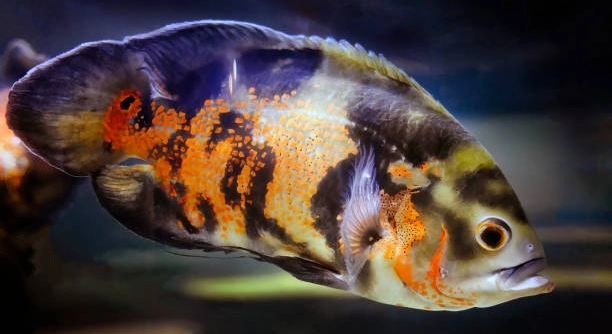
Convict cichlids are popular freshwater fish known for their lively behavior and strong parental instincts. Many aquarists enjoy keeping them for both their vibrant colors and their interesting breeding habits. Their tanks can vary from simple setups to more elaborate aquascapes.
Convict cichlids do not require plants to breed successfully. They will often lay eggs on flat surfaces such as rocks, aquarium walls, or tiles, and will actively guard and care for their young without the presence of live vegetation.
Even without plants, there are ways to create a safe and productive environment for breeding. Small adjustments in tank layout and proper care can support their natural reproductive behaviors effectively.
How Convict Cichlids Choose Their Spawning Sites
Convict cichlids are careful when picking where to lay their eggs. They often look for flat surfaces such as smooth rocks, slate, or even the sides of the aquarium. These surfaces provide stability and protection for the eggs. In the wild, they may also use submerged logs or small crevices. Even in tanks without plants, they feel secure on these surfaces. The pair usually works together, cleaning the area before spawning. The female lays her eggs in neat rows while the male guards the surroundings. Once the eggs are laid, both parents take turns fanning them with their fins to ensure proper oxygenation. This behavior is instinctive and strong, and it shows how adaptable convict cichlids are. The presence of plants can add hiding spots, but it is not essential for the breeding process itself. Observing this careful preparation can be fascinating for anyone keeping these fish.
Plant coverage is not necessary for egg-laying or protection.
Even without plants, tanks can be arranged to support breeding. Flat stones, tiles, or shallow caves give the fish secure surfaces. Hiding spaces like clay pots or PVC tubes allow the fry to escape predators. The water quality must be stable, with temperatures around 77–82°F and neutral to slightly alkaline pH. Parents will still guard the eggs and young aggressively, ensuring higher survival rates. Some keepers prefer adding minimal decorations to reduce stress and make cleaning easier. Providing a balanced diet before and during spawning can increase egg production and fry health. The fish’s natural instincts are strong, so a simple setup can still lead to successful breeding. Observing their careful coordination during spawning highlights the importance of suitable surfaces and protective areas over the mere presence of plants.
Tank Preparation for Breeding
Preparing a tank for breeding doesn’t require plants. A clean tank with proper hiding areas is enough.
Start by arranging smooth rocks or tiles as primary egg-laying surfaces. Adding caves or tubes helps fry avoid being eaten. Regular water changes maintain cleanliness, and stable temperatures encourage spawning. Avoid overcrowding, as stress can delay breeding. Feeding the adults high-protein foods supports egg development. The tank should have good filtration, but avoid strong currents that disturb eggs. Minimal decorations reduce hiding spots for uneaten food or debris, keeping the area around eggs clean. Monitoring water parameters such as pH, hardness, and ammonia is crucial. Even without plants, convict cichlids will exhibit natural parental care, fanning eggs and defending young. With careful preparation, breeding success is achievable in simple, well-maintained tanks, letting the fish’s natural instincts guide the process.
Feeding and Care During Breeding
Adult convict cichlids need high-quality food to stay healthy and support egg production. Protein-rich flakes, pellets, and occasional live or frozen foods help maintain energy. Regular feeding encourages spawning and keeps the parents strong while caring for the fry.
Feeding must be consistent but controlled to avoid overfeeding. Overfeeding can pollute the tank and stress the parents, potentially harming eggs or fry. Small, frequent meals work best, allowing the adults to maintain energy without compromising water quality. Vegetables like blanched zucchini or peas can supplement protein, improving overall nutrition. Clean water and proper diet go hand-in-hand to ensure successful breeding.
Parents may guard their eggs and fry closely, sometimes becoming aggressive toward tankmates. Keeping a pair isolated during breeding reduces stress and allows them to focus on caring for the young. Observation can help spot problems early, such as unfertilized eggs or fry hiding excessively.
Managing Fry Growth and Safety
Fry need safe spaces and stable conditions to grow. Use shallow areas, small rocks, or tubes for hiding spots. Avoid strong currents that may tire or displace them.
Water quality is critical for young convict cichlids. Frequent partial water changes help maintain ammonia and nitrate at safe levels, supporting healthy growth. Feeding fry tiny foods like crushed flakes, baby brine shrimp, or specialized fry pellets encourages proper development. Gradually increasing food size as they grow ensures proper nutrition. Monitor parents carefully, as some may become overprotective or overly aggressive, potentially harming fry. Removing overly aggressive adults can sometimes improve survival rates. Fry grow quickly under stable conditions and proper care, eventually reaching a stage where they can join the main tank safely.
Water Conditions for Breeding
Convict cichlids thrive in stable water conditions. Temperature should be around 77–82°F, with a pH between 6.5 and 8.0. Consistent parameters help trigger spawning and keep both adults and fry healthy. Regular monitoring prevents sudden changes that could stress the fish.
Filtration should provide gentle circulation without creating strong currents. Avoid overcrowding, as it can increase aggression and stress. Partial water changes of 20–25% weekly maintain cleanliness and reduce harmful toxins. Keeping a consistent routine ensures a safe environment for breeding and raising fry successfully.
Using Decorations and Substrate
Simple substrates like sand or fine gravel are ideal for egg-laying. Decorations such as rocks or shallow caves offer protection and focal points for spawning. Avoid sharp or rough materials that could harm eggs or fry.
Separating Aggressive Pairs
Some convict cichlids can become highly territorial during breeding. Separating overly aggressive adults prevents injury to other fish and increases fry survival. Using dividers or temporary isolation helps manage aggression without disrupting natural behaviors.
FAQ
Do convict cichlids need plants to breed?
No, convict cichlids do not require plants to breed. They prefer flat surfaces like rocks, tiles, or aquarium walls for laying eggs. Plants may provide extra hiding spots or help fry feel secure, but they are not essential for successful breeding.
How many eggs do convict cichlids lay?
A female convict cichlid can lay anywhere from 100 to 300 eggs per spawning, depending on her size and health. The parents carefully guard and fan the eggs to ensure proper development. Larger females usually produce more eggs, and providing a nutritious diet supports egg production.
How long do the eggs take to hatch?
Convict cichlid eggs usually hatch in 3 to 5 days, depending on water temperature. Warmer water around 80°F speeds up hatching, while cooler water may delay it. Both parents continue to protect and aerate the eggs until they hatch to keep them healthy.
Do parents eat their eggs or fry?
In most cases, convict cichlid parents do not eat their eggs or fry. However, stress, poor water conditions, or illness can sometimes lead to eggs being eaten. Removing overly aggressive adults or providing hiding spaces for fry reduces the risk of loss.
How soon can fry swim on their own?
After hatching, fry cling to surfaces for the first few days. Within 5 to 7 days, they become free-swimming and start exploring the tank. During this stage, small hiding areas and gentle water movement are important to keep them safe from strong currents and possible aggression.
What should I feed fry?
Fry should be fed tiny, protein-rich foods. Crushed flakes, baby brine shrimp, or specialized fry pellets are ideal. Start with very small portions multiple times a day. As they grow, gradually increase the food size to match their developing mouths and digestive systems.
Can I breed multiple pairs in the same tank?
Breeding multiple pairs together can lead to aggression and territorial disputes. Each pair may need its own space, or the tank should have plenty of hiding spots and decorations to separate them. Overcrowding reduces survival rates for eggs and fry.
How often do convict cichlids breed?
Convict cichlids can spawn frequently, often every 4 to 6 weeks under optimal conditions. Providing stable water, a proper diet, and suitable surfaces encourages regular spawning. Pairs may take breaks naturally, but with consistent care, multiple broods are possible in a few months.
Do I need a separate tank for fry?
A separate fry tank is not necessary but can be helpful, especially if the parents become aggressive or the main tank is crowded. Fry tanks allow for controlled feeding, easier water maintenance, and higher survival rates. Temporary separation usually works until fry grow large enough.
How do I tell if the eggs are fertilized?
Fertilized eggs appear clear with a visible developing embryo, while unfertilized eggs often turn white and may be removed by the parents. Monitoring the eggs in the first 24 to 48 hours helps ensure only healthy embryos remain, preventing water quality issues.
What is the best temperature for breeding?
The ideal temperature for breeding convict cichlids is between 77°F and 82°F. Maintaining a stable temperature promotes egg laying, proper development, and active parental care. Sudden drops or fluctuations can stress adults and reduce hatching success.
How long do parents guard the fry?
Parents typically guard fry for about 2 to 3 weeks, keeping them close and protecting them from perceived threats. After this period, the fry become more independent. Even as they venture farther, the parents often remain nearby, guiding and defending them.
Can I add other fish during breeding?
Adding other fish during breeding is risky. Convict cichlids are territorial and may attack tankmates to protect eggs or fry. It’s better to keep the breeding pair isolated or ensure other fish are fast-moving and non-threatening species that won’t compete for space.
How important is water quality for breeding?
Water quality is critical. Ammonia and nitrite must be at zero, and nitrates should be low. Partial water changes, gentle filtration, and stable parameters support both adult health and fry survival. Clean, consistent water reduces stress and encourages successful spawning and proper development.
Can breeding occur in a bare tank?
Yes, convict cichlids can breed in a bare tank with no substrate or plants. They will use any flat surface for egg laying and will still show full parental care. While decorations and hiding spots help fry, they are not necessary for reproduction.
How long until fry are ready for the main tank?
Fry are usually ready to join the main tank after 4 to 6 weeks, depending on growth and size. They should be large enough to avoid predation and able to compete for food. Gradual introduction helps reduce stress and ensures they adapt safely to the larger environment.
What signs show that spawning is about to happen?
Spawning signs include increased aggression, cleaning of flat surfaces, and close pairing behavior. The female may lay eggs in neat rows while the male patrols the area. Observing these behaviors helps plan feeding and tank adjustments to support successful breeding.
Can I re-use the same spawning site?
Yes, convict cichlids often reuse the same site multiple times if it is safe and clean. Parents will clean the surface before laying new eggs, and maintaining suitable surfaces ensures repeatable spawning without stress.
How do I handle aggressive parents safely?
If parents become too aggressive, use dividers or temporary isolation. Handle fish gently when moving them, and minimize tank disturbance. Providing hiding spots and adequate space reduces conflicts and protects both adults and fry during breeding.
Is it necessary to remove plants for breeding?
Removing plants is not necessary. Plants may provide cover and reduce stress but do not affect the breeding process directly. The key is providing flat surfaces, stable water conditions, and proper nutrition for successful spawning and fry survival.
How can I increase fry survival rates?
Survival improves with clean water, sufficient hiding spots, controlled feeding, and monitoring parental behavior. Avoid overcrowding, maintain stable temperatures, and separate overly aggressive adults when necessary. Consistent care and observation are the most effective ways to help fry grow safely.
Can convict cichlids breed year-round?
Yes, with proper care, they can breed throughout the year. Maintaining optimal temperature, water quality, diet, and tank setup encourages frequent spawning. Regular monitoring and tank maintenance ensure adults remain healthy and fry have a high chance of survival.
How do I prevent fungus on eggs?
Fungus can appear on unfertilized or damaged eggs. Removing affected eggs and keeping water clean helps prevent spread. Parents often naturally remove bad eggs, but careful observation and maintaining good water conditions further reduce risks of fungal growth.
Can I use artificial surfaces for egg-laying?
Yes, artificial surfaces like slate, ceramic tiles, or smooth rocks are ideal. They are easy to clean and provide stable areas for egg attachment. Convict cichlids adapt well to these surfaces, and successful breeding occurs even without natural substrates or plants.
How long until fry are fully independent?
Fry usually become independent 3 to 4 weeks after hatching. During this time, they grow strong enough to feed on their own and explore more of the tank. Parents gradually reduce guarding, allowing fry to develop self-sufficiency safely.
What is the easiest way to monitor fry health?
Observe activity levels, feeding, and growth regularly. Healthy fry are active, swim steadily, and respond to food. Check water quality frequently and remove any dead or sick fry promptly to prevent disease. Consistent monitoring helps maintain a thriving batch of young cichlids.
Do convict cichlids need light cycles for breeding?
Regular light cycles are helpful but not strictly required. Providing 10–12 hours of light per day supports normal behavior and feeding. Consistent lighting, along with stable water and temperature, encourages breeding and maintains daily routines for adults and fry.
Can fry survive without hiding spots?
Fry can survive in open spaces but are safer with hiding spots. Small rocks, tubes, or plants reduce stress and protect them from parental aggression or strong water currents. Providing shelters increases survival rates, even though parents actively guard their young.
How quickly do fry grow?
Fry grow rapidly in the first few weeks. With good water quality and proper feeding, they can double in size weekly. Growth slows as they mature, and by four to six weeks, they are usually strong enough to join the main tank safely.
Is it better to use a breeding pair or a group?
A single breeding pair is easier to manage and reduces aggression. Groups can lead to territorial disputes and lower fry survival. Pairing adults ensures focused parental care and more predictable breeding outcomes.
What water hardness is best for breeding?
Convict cichlids tolerate moderate hardness. General hardness (GH) around 6–12 dGH and carbonate hardness (KH) around 4–8 dKH supports breeding. Extreme hardness or softness can stress adults and affect egg development, so keeping parameters stable is important.
How long do adults care for multiple broods?
Adults can care for successive broods if conditions remain favorable. They maintain protective behaviors for each batch, though energy levels may decrease slightly over time. Ensuring proper feeding and minimal stress helps parents continue caring for young effectively.
Can breeding success happen in a small tank?
Yes, small tanks can work if space is managed carefully. Avoid overcrowding, provide flat surfaces and hiding spots, and maintain stable water. Small tanks require more frequent monitoring but can still produce healthy fry with proper care.
Are there signs of stress during breeding?
Signs include frantic swimming, hiding, reduced feeding, or aggression beyond normal territorial behavior. Stress can affect egg-laying or fry care. Adjusting tank conditions, separating fish if needed, and maintaining consistent routines helps reduce stress.
How important is parental observation?
Observing parents allows early detection of problems like aggression, unfertilized eggs, or poor fry health. Intervention may involve adding hiding spots, separating adults, or adjusting water. Careful monitoring improves survival and supports natural breeding behavior.
Can water changes affect breeding?
Sudden or large water changes can stress adults and disrupt spawning. Gradual, partial water changes maintain cleanliness without causing shock. Small, frequent adjustments are better than large, abrupt ones during breeding periods.
Do convict cichlids need a specific pH to spawn?
They are adaptable but prefer slightly alkaline to neutral pH, around 6.5–8.0. Stable pH is more important than exact numbers. Sudden shifts can stress adults, reduce egg viability, or cause fry mortality. Maintaining consistency is key.
How do I remove dead fry safely?
Use a small net or turkey baster to remove dead fry carefully. Avoid disturbing live fry or adults. Prompt removal prevents water contamination and reduces the spread of disease or fungus in the tank.
Can I breed convict cichlids with other species nearby?
It’s possible but risky. Nearby species can trigger aggression, stress, or predation on eggs and fry. If other fish are peaceful and non-competitive, breeding may succeed, but isolation ensures higher survival rates and less conflict.
How long does it take for a full batch of fry to grow to juvenile size?
Under ideal conditions, fry reach juvenile size in about 6–8 weeks. Growth depends on feeding, water quality, and space. Providing adequate nutrition and safe environments ensures healthy development and readiness to join the main tank.
Do adults need extra care during breeding?
Yes, adults benefit from higher-quality food, stable water, and reduced disturbances. Proper care supports egg production, parental behavior, and fry survival. Neglecting adult needs can reduce breeding success or harm the young.
Are decorations more important than plants for breeding?
Yes, decorations like flat stones or caves are more critical than plants. They provide surfaces for egg-laying and hiding areas for fry. Plants are optional and mainly help reduce stress, but breeding success depends on proper surfaces and water conditions.
Can fry survive on dry food alone?
Young fry can eat finely crushed flakes, but live or frozen foods like baby brine shrimp are more nutritious. Combining dry and live food ensures rapid growth, better health, and stronger resistance to disease.
How often should I check water parameters during breeding?
Daily or every other day is ideal, especially for ammonia, nitrite, and nitrate. Monitoring pH, temperature, and hardness regularly ensures safe conditions for adults and fry. Early detection of issues prevents losses and maintains a healthy breeding environment.
Do convict cichlids breed better in groups or pairs?
Pairs are more effective. They focus on defending eggs and caring for fry without competition from other adults. Groups may cause disputes, reduce egg survival, or stress parents, so single pairs produce more reliable breeding results.
Can breeding occur in tanks with sand substrate?
Yes, sand is suitable, though adults prefer flat surfaces for laying eggs. Sand allows hiding spots for fry but should be combined with stones, tiles, or slate to provide proper spawning areas. Fry can navigate sand easily without harm.
Is lighting important for breeding behavior?
Consistent light cycles help maintain feeding and activity patterns. About 10–12 hours of light daily supports normal behavior. While not strictly required, regular lighting aids in keeping adults active and encouraging spawning.
How do I prevent overpopulation in a breeding tank?
Control the number of breeding pairs, separate fry when necessary, and plan tank capacity carefully. Removing excess fry or moving them to grow-out tanks prevents overcrowding and ensures healthy growth and minimal stress.
Can I reuse water from a previous breeding tank?
Yes, reusing water is possible if it is clean, free from contaminants, and has stable parameters. Gradually introducing reused water helps maintain microbial balance while avoiding sudden changes that could stress adults or fry.
What is the easiest way to clean a breeding tank?
Partial water changes, gentle substrate vacuuming, and careful removal of debris are effective. Avoid disturbing eggs or fry, and clean decorations outside the tank if necessary. Maintaining routine cleanliness supports both adults and developing fry.
Do adults ever stop caring for fry early?
Sometimes stress, illness, or insufficient food can cause adults to abandon or eat fry. Providing proper conditions, hiding spots, and consistent care reduces this risk. Observing parental behavior helps intervene if problems arise.
How do I introduce fry to the main tank?
Gradually acclimate fry to temperature and water parameters of the main tank. Use a net or container to transfer small groups at a time. Ensure hiding spots and adequate space to reduce stress and prevent predation from larger fish.
Can I use artificial plants for hiding spots?
Yes, artificial plants provide safe areas for fry without affecting egg-laying. They are easy to clean and maintain, helping fry feel secure while parents continue guarding them. Artificial plants are a practical alternative to live vegetation.
How much space do fry need to grow?
Fry need enough room to swim freely, find food, and avoid being crowded. Overcrowding reduces growth, increases stress, and can lead to aggression. Adjust tank size or separate batches to ensure proper development.
Can I breed convict cichlids in a community tank?
It’s possible but challenging. Aggressive parents may attack other fish, and fry may be eaten. A dedicated breeding area or isolation is safer, ensuring higher survival rates and minimizing conflicts with tankmates.
Do water changes affect fry development?
Proper, gradual water changes maintain water quality and support healthy fry growth. Sudden changes can stress young fish and slow development. Frequent, controlled changes help maintain consistent conditions without harming eggs or fry.
How can I tell if fry are healthy?
Healthy fry are active, feed readily, and grow steadily. They swim normally without lethargy or erratic movements. Clear eyes, no visible deformities, and strong response to food indicate proper development.
What is the role of the male during breeding?
The male guards the territory, protects the female, and drives away potential threats. He may also fan eggs to improve oxygen flow. His role is crucial for both egg survival and overall parental care.
How do I avoid fungus and disease in the tank?
Maintain clean water, remove uneaten food, and isolate sick or dead fish. Regular monitoring of ammonia, nitrite, nitrate, and temperature prevents conditions favorable to fungus or disease, protecting both eggs and fry.
Can fry survive if parents are removed?
Yes, fry can survive without parents if provided with hiding spots, proper feeding, and clean water. Parents improve survival, but careful care can replace parental protection when necessary.
Are there signs that breeding was unsuccessful?
Unfertilized eggs turning white, dead fry, or adults abandoning eggs indicate unsuccessful breeding. Early detection allows intervention, like cleaning the tank, adjusting water, or providing alternative hiding spots for surviving fry.
What is the best way to feed adult pairs during spawning?
Offer high-protein flakes, pellets, and occasional live or frozen foods in small, frequent portions. Adequate nutrition supports egg production, energy for guarding eggs, and overall health. Avoid overfeeding, which can pollute the tank.
Do convict cichlids prefer specific tank sizes for breeding?
A minimum of 20 gallons per pair is ideal. Larger tanks reduce stress, provide room for hiding spots, and prevent territorial conflicts. Small tanks may work but require careful monitoring and frequent water maintenance.
Can I mix fry from different batches?
Mixing fry is possible once they reach similar size and independence. Monitor growth and behavior, as size differences can lead to bullying. Gradual introduction reduces stress and improves survival in mixed groups.
Is water temperature more important than substrate type?
Stable water temperature is more critical than substrate. While flat surfaces help with egg-laying, adults may adapt to different substrates. Consistent temperature ensures spawning, proper development, and healthy fry growth.
How often should I feed adult pairs during breeding?
Feed 2–3 small portions daily. Regular, controlled feeding maintains energy for guarding eggs and fry. Avoid overfeeding, which can reduce water quality and stress adults, potentially harming breeding success.
Do plants affect aggression during breeding?
Plants can provide hiding spots, reducing stress slightly, but they do not significantly change aggression. Territorial behavior is natural, and proper tank layout and space management are more effective in controlling conflicts.
Can I use a breeder box for fry?
Yes, breeder boxes allow safe isolation of fry while parents remain in the main tank. They provide protection from aggression and make feeding easier. Ensure proper water flow and monitoring for optimal results.
Are convict cichlids seasonal breeders?
No, they can breed year-round with proper care. Stable water, consistent feeding, and suitable conditions enable frequent spawning without seasonal limitations. Regular observation helps maintain reproductive activity.
How do I prepare a bare tank for breeding?
Add flat
Convict cichlids are remarkably adaptable when it comes to breeding, and their ability to reproduce without plants makes them a practical choice for many aquarists. While plants can offer hiding spaces and help fry feel more secure, they are not essential for successful reproduction. These fish naturally seek flat surfaces for laying eggs, such as rocks, aquarium tiles, or the sides of the tank. Providing these surfaces, along with a clean and stable environment, ensures that the eggs have a safe place to develop and that the parents can perform their natural protective behaviors. Observing their care for eggs and fry can be fascinating and rewarding, especially as they show strong parental instincts regardless of whether plants are present.
Maintaining proper water conditions is one of the most critical aspects of breeding convict cichlids. Temperature, pH, and water quality all play important roles in encouraging spawning and supporting fry growth. Adults are more likely to lay eggs and guard them effectively when water parameters are stable and free of harmful chemicals. Additionally, providing high-quality food and controlling feeding routines help the fish stay healthy and maintain the energy needed for breeding and parental care. Even in a minimalist setup with no plants or elaborate decorations, a well-maintained tank with stable conditions and the right feeding strategy can produce successful and healthy batches of fry.
Raising fry also requires careful attention and planning. Fry need safe hiding spots, gentle water flow, and consistent feeding to grow properly. While plants can contribute to security, artificial structures, rocks, or tubes work just as well. Monitoring parental behavior is important, as adults can sometimes become overly aggressive or neglectful. By providing hiding spaces and keeping water clean, fry survival rates increase significantly. Overall, breeding convict cichlids is achievable in a variety of tank setups. With attention to water quality, nutrition, and tank layout, the process is straightforward, and the results can be satisfying. Observing these fish as they care for their young offers insight into their natural behaviors and highlights their adaptability in different environments.

Hello,
If you enjoy the content that we create, please consider saying a "Thank You!" by leaving a tip.
Every little bit helps us continue crafting quality advice that supports the health, happiness, and well-being of pets around the world, for pets of all shapes, sizes, and species.
We really appreciate the kindness and support that you show us!