
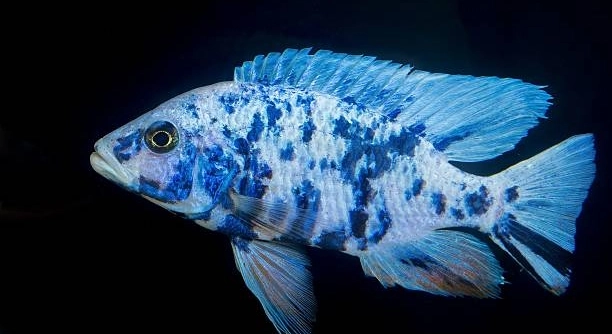
Keeping convict cichlids as pets can be rewarding, but breeding them often raises practical concerns. Their bright colors and interesting behaviors make them popular, and understanding their needs is important for a healthy aquarium environment.
Convict cichlids can reproduce without a traditional substrate, though their breeding success is influenced by environmental conditions. While substrate provides comfort and hiding spaces for eggs, they are capable of laying eggs on rocks, glass, or other surfaces within the tank.
Observing how they adapt to different surfaces offers insight into their natural instincts and helps create a supportive environment for their growth and development.
Understanding Substrate in Convict Cichlid Breeding
Substrate in an aquarium acts as a foundation for convict cichlids to lay eggs and protect their young. Many owners prefer sand, gravel, or smooth rocks because it mimics natural conditions and provides a sense of security. The substrate helps eggs stay in place and reduces the risk of them being dislodged or eaten. Convict cichlids are territorial, so having a defined space for egg-laying reduces stress for both parents. However, even without substrate, these fish can adapt by using flat surfaces like rocks, slate, or the aquarium glass itself. Water quality, temperature, and the presence of hiding spots also influence breeding success. Observing their behavior and adjusting conditions can improve outcomes, even if traditional substrate is absent. Understanding their preferences ensures healthier fry and reduces parental aggression. While substrate can be helpful, it is not an absolute requirement for breeding in a controlled environment.
Substrate provides stability and security for eggs, but convict cichlids can still breed successfully on flat surfaces or tank structures.
Without substrate, eggs may be more exposed, requiring careful monitoring. Parents often compensate by guarding the area intensely. Some owners report fry survival rates slightly lower without substrate, but attentive care and clean water can offset many risks. Flat rocks, clay pots, or smooth slate serve as alternative egg-laying surfaces. Maintaining water temperature between 78–82°F supports hatching, and frequent observation ensures eggs are safe. Removing aggressive tankmates is essential, as the parents’ protective behavior increases without substrate. Even in minimal setups, convict cichlids instinctively defend their eggs. Their adaptability highlights their resilience in varying aquarium conditions. Adjusting feeding schedules and limiting sudden disturbances can further support a healthy breeding environment.
Tips for Breeding Without Substrate
Breeding convict cichlids without substrate requires attention to their natural instincts and tank setup. Flat surfaces, such as rocks or slate, should be positioned to allow parents easy access and safe egg attachment.
Without substrate, maintaining optimal water quality becomes more critical. Frequent water changes help prevent fungal growth on eggs. Providing hiding places for fry reduces stress and encourages parents to focus on care rather than defense. Monitoring temperature and pH ensures eggs develop properly, while keeping tank lighting moderate prevents shock. Feeding parents high-quality food strengthens their health, supporting egg protection and fry survival. Observing behavior allows timely intervention if aggression arises. Even simple measures, like arranging flat surfaces for egg-laying, can make a significant difference. By adapting the environment and attending to parental needs, breeding success remains achievable. This approach demonstrates that convict cichlids are resilient and capable of reproducing even in less-than-ideal setups. With patience and proper care, fry can thrive without traditional substrate.
Choosing the Right Flat Surfaces
Flat surfaces like slate, smooth rocks, or ceramic tiles work well for egg-laying. Position them securely to prevent shifting. Avoid rough edges that could damage eggs. The parents prefer surfaces they can easily guard and clean. Proper placement encourages natural breeding behaviors and reduces stress.
Placing flat surfaces in areas with moderate water flow helps keep eggs clean and prevents debris from settling. Convict cichlids often pick vertical or slightly angled surfaces, as they mimic natural rock faces. Observing their preferences allows adjustment for optimal results. Some owners add multiple flat surfaces to give parents options and reduce disputes. Regularly checking that surfaces remain stable ensures eggs are not accidentally dislodged during maintenance or tank activity. Attention to these small details improves fry survival.
Egg adhesion is another factor. Convict cichlids produce sticky eggs that cling better to smooth, non-porous surfaces. Rough or unstable surfaces may cause eggs to detach, reducing hatching rates. Ensuring surfaces are clean but not chemically treated avoids harming the eggs. Positioning surfaces near hiding spots allows parents to guard both eggs and fry efficiently. Adjusting placement based on parental behavior increases comfort and encourages them to consistently care for the eggs. Over time, parents may even rearrange lightweight surfaces, showing adaptability in the absence of substrate. Observing these behaviors can guide future tank setups.
Managing Water Quality and Temperature
Consistent water quality and temperature are essential for egg development. Clean, warm water reduces stress and prevents fungal infections on the eggs, supporting successful hatching.
Frequent water changes are crucial, especially without substrate to naturally filter debris. Maintaining a temperature range of 78–82°F promotes proper embryonic development. Monitor pH to stay slightly alkaline, which suits convict cichlids. Adding gentle aeration or a small current keeps eggs oxygenated, as stagnant water can slow growth. Remove uneaten food promptly to avoid contamination. Parents naturally fan eggs to provide oxygen, but clean water ensures they are not overworked. Attention to water parameters directly affects fry survival and parental health, making this step non-negotiable.
Water consistency also impacts parental behavior. Sudden drops in temperature or poor water conditions can cause stress, leading to egg abandonment or aggression between adults. Providing hiding spaces near egg surfaces helps parents feel secure and encourages proper care. Using gentle filtration prevents strong currents that might dislodge eggs while still maintaining cleanliness. Regular observation allows quick intervention if eggs show signs of fungus or fry appear weak. By combining proper water management with strategically placed surfaces, breeding success without traditional substrate becomes more achievable. Adapting the tank setup based on parental behavior and environmental conditions ensures healthier fry and less stress for the adults.
Observing Parental Behavior
Convict cichlids are attentive parents, even without substrate. They guard eggs closely, fanning them to provide oxygen and prevent fungus. Watching their behavior helps identify if the environment meets their needs and whether adjustments are necessary to improve egg survival.
Aggression can increase without substrate. Parents may become more territorial, chasing tankmates or each other to protect eggs. Providing multiple flat surfaces and hiding spots helps reduce stress and allows both adults to feel secure. Observing their interactions ensures a balanced environment for breeding and fry care.
Feeding Parents During Breeding
High-quality food supports parental energy levels during egg care. Protein-rich diets help maintain strength for fanning eggs and guarding fry. Frequent small feedings are more effective than one large meal. Fresh or frozen foods, like bloodworms or brine shrimp, encourage natural instincts and maintain overall health. Proper nutrition ensures the parents remain active and attentive, directly influencing egg survival and fry development. Neglecting diet can lead to weakened adults, reducing their ability to defend and clean eggs. Observing feeding habits also helps track stress or aggression, allowing adjustments to the environment or diet to support breeding success.
Fry Development Without Substrate
Fry can thrive on flat surfaces if parents remain attentive. Providing gentle currents and hiding spots ensures safety and encourages growth. Monitoring water quality and temperature remains essential for early development and survival.
Minimizing Stress in the Tank
Limiting sudden movements and loud noises reduces stress for both adults and fry. A stable environment encourages natural breeding and parental care.
FAQ
Can convict cichlids lay eggs directly on glass or rocks?
Yes, convict cichlids can lay eggs on flat, clean surfaces like glass, slate, or smooth rocks. While substrate provides comfort, they adapt to available surfaces. Eggs stick best to non-porous surfaces, and parents often prefer vertical or slightly angled areas to mimic natural rock faces.
Do the eggs need special care without substrate?
Eggs require clean water and stable conditions. Frequent water changes prevent fungal growth, and gentle aeration ensures proper oxygenation. Parents will fan eggs naturally, but monitoring is essential to catch any fungal infections early. Proper temperature, between 78–82°F, helps development. Removing uneaten food prevents water contamination, which could harm eggs.
Will the fry survive without substrate?
Fry survival is possible without substrate if parents are attentive and the tank environment is stable. Providing flat surfaces, hiding spots, and maintaining clean, warm water supports healthy fry. Parental care is crucial, and attentive guarding can compensate for the lack of substrate, keeping eggs and young safe.
Does breeding without substrate increase aggression?
Yes, aggression can increase since parents have fewer natural boundaries. Adults may chase each other or other tankmates more intensely. Providing multiple flat surfaces and hiding spaces helps reduce stress and prevents constant conflict. Observing behavior allows timely adjustments to ensure both parents feel secure while protecting eggs.
What feeding practices help parents during breeding?
High-protein foods like bloodworms, brine shrimp, and quality flakes support energy levels. Frequent small meals are better than a single large feeding. Proper nutrition keeps adults active for fanning eggs, defending the area, and caring for fry. Healthy, well-fed parents are more effective at protecting eggs and fry.
Can I use artificial surfaces instead of natural rocks?
Yes, ceramic tiles, slate, or smooth decorations work as egg-laying surfaces. Avoid rough or chemically treated surfaces that could damage eggs. Flat, stable surfaces that parents can easily guard encourage natural breeding behaviors, even in the absence of substrate. Multiple surfaces reduce disputes and allow choice.
How do I know if the eggs are healthy?
Healthy eggs are typically translucent with a slight shine. White, fuzzy eggs indicate fungal infection. Parents often remove damaged eggs, but frequent checks help maintain survival rates. Ensuring clean water, proper temperature, and adequate oxygen supports healthy development and improves hatching success.
What is the best tank setup without substrate?
A tank with flat surfaces, hiding spots, and moderate water flow works best. Maintain clean water and stable temperature. Remove aggressive tankmates during breeding. Parents benefit from gentle currents that oxygenate eggs without dislodging them. Observing parental behavior helps adjust setup for maximum success.
How long do the eggs take to hatch?
Hatching usually occurs in 3–5 days, depending on water temperature. Warmer water speeds development, while cooler water may slow it. Keep an eye on parental behavior and water quality, as stress or poor conditions can delay hatching or reduce survival rates.
Should I remove parents after the eggs hatch?
Not necessarily. Parents continue to guard and guide fry for several days. Removing them too early can reduce fry survival, while leaving them ensures protection and teaches fry to recognize safe spaces. Monitor for aggression, but usually, parental presence improves early survival rates.
Can I breed multiple pairs without substrate?
Yes, but space and flat surfaces must be sufficient. Crowded conditions increase aggression and stress. Multiple flat surfaces and hiding spots reduce conflicts. Monitoring behavior closely is essential to prevent fights and ensure each pair can protect their eggs and fry effectively.
Is water temperature more important without substrate?
Yes, stable water temperature is critical. Without substrate to buffer environmental changes, eggs and fry are more sensitive to fluctuations. Maintain 78–82°F consistently. Sudden changes can stress adults, cause egg abandonment, or slow fry development. Temperature stability directly impacts breeding success.
Do fry need special feeding if there’s no substrate?
Initially, fry feed on yolk sacs. Once free-swimming, tiny live foods like infusoria or freshly hatched brine shrimp are ideal. Providing hiding spaces near feeding areas reduces stress and encourages healthy growth. Substrate is not required for feeding if the environment is safe and parents guide fry effectively.
Can convict cichlids rebreed immediately after the first batch?
They can, but recovery time is important. Adults need energy and rest to produce another batch of eggs. Ensure they are well-fed, water quality is optimal, and aggression has subsided before attempting a second round. Proper care maintains health and increases long-term breeding success.
How often should I check the eggs and fry?
Daily observation is recommended, but avoid excessive disturbance. Look for fungal growth, egg detachment, or aggressive behavior. Ensure parents are attentive, water quality is stable, and fry are safe. Monitoring without frequent interference strikes the right balance for successful breeding.
Can I mix species in the same tank without substrate?
It’s risky. Convict cichlids are territorial, especially while breeding. Mixing species can increase stress, aggression, and reduce fry survival. If multiple species are kept together, provide ample space, hiding spots, and monitor interactions carefully. Separate breeding tanks are often safer for successful reproduction.
Does lighting affect breeding without substrate?
Moderate lighting works best. Too bright or sudden changes can stress parents, reducing egg care. Stable, diffused light encourages normal behavior. Parents may seek shaded areas, and providing hiding spots allows them to regulate exposure naturally while continuing to guard eggs and fry.
How do I remove fungal infections without substrate?
Remove infected eggs carefully, using clean tools or siphoning gently. Maintaining clean water, moderate flow, and proper temperature prevents spread. Parents often remove some infected eggs, but intervention can increase overall survival. Substrate is not required for treatment if water parameters are stable and attention is consistent.
What signs indicate fry are ready to swim freely?
Fry become more active, move away from egg surfaces, and explore surroundings. Parents continue guiding them to safe spots. At this stage, feeding small live foods or powdered fry food supports growth. Proper observation ensures fry remain safe without substrate as they transition to independent feeding.
Is it necessary to change the tank setup after fry grow?
Yes, adjust hiding spots and remove overly crowded flat surfaces. Fry need space to swim and grow, while parents may become less protective. Adapting the environment ensures continued health and reduces stress, supporting long-term survival and overall tank balance.
Can I reuse the same tank for the next breeding without substrate?
Yes, but thorough cleaning is important. Remove leftover eggs, debris, and uneaten food. Check water parameters and surfaces for stability. Proper preparation prevents fungal outbreaks, reduces stress, and ensures the tank is ready for another successful breeding cycle without traditional substrate.
How long until fry reach juvenile size?
Typically, fry grow to juvenile size in 6–8 weeks with proper feeding, water quality, and parental guidance. Flat surfaces and hiding spots support safe development. Observing their growth and maintaining clean conditions ensures healthy juveniles ready for independent feeding and eventual tank integration.
Are there any long-term effects of breeding without substrate?
If parents are attentive and environmental conditions are stable, long-term effects are minimal. Fry can grow healthy without substrate, and adults typically recover for future breeding. Consistent care, nutrition, and observation are the most important factors for sustained success over multiple breeding cycles.
What is the best way to track breeding progress?
Keep a log of egg-laying dates, hatching times, fry development, and parental behavior. Note any changes in water parameters or aggression. Tracking helps identify patterns, improves future setups, and allows timely adjustments to maximize survival without substrate.
Does tank size matter when breeding without substrate?
Yes, adequate space reduces aggression and provides room for multiple flat surfaces. A larger tank allows parents to guard eggs effectively, gives fry areas to explore safely, and supports stable water conditions. Small tanks increase stress and reduce the likelihood of successful breeding.
Can fry survive if parents are removed immediately?
It is possible but riskier. Parents guide fry to safe areas and provide protection during early stages. Without them, fry require careful observation, more hiding spots, and consistent feeding. Survival rates are generally higher with attentive parents present.
Do different water flow levels affect egg survival?
Yes, gentle flow supports oxygenation without dislodging eggs. Strong currents can remove eggs from flat surfaces, while stagnant water reduces oxygen, slowing development. Observing parental fanning behavior and adjusting water flow helps maintain healthy egg conditions.
How do I prevent aggression between multiple pairs?
Provide separate flat surfaces and clear territories. Increase hiding spots and monitor interactions. Avoid overcrowding and remove overly aggressive fish. Maintaining stable water and feeding routines reduces stress, allowing multiple pairs to breed safely even without substrate.
Are there seasonal factors affecting breeding?
Temperature stability is more important than season indoors. However, slightly warmer months may encourage more active behavior and breeding. Indoor tanks with controlled lighting and heating can reproduce conditions that support consistent breeding year-round.
What are common mistakes to avoid when breeding without substrate?
Overcrowding, poor water quality, inconsistent temperature, and insufficient flat surfaces are common problems. Ignoring parental behavior or feeding needs reduces success. Careful monitoring and proper tank setup compensate for the lack of substrate and increase fry survival.
Can fry be moved to another tank without substrate?
Yes, but ensure water parameters match closely. Provide flat surfaces and hiding spots in the new tank. Gradual acclimation reduces stress, and parental presence may no longer be needed if fry have reached free-swimming stages and are strong enough to feed independently.
Is breeding without substrate suitable for beginners?
Yes, but attention to water quality, parental behavior, and egg management is essential. Beginners should monitor closely and provide stable conditions. Using flat surfaces and maintaining proper feeding routines increases the likelihood of success while allowing beginners to learn natural breeding behaviors.
How important is observation during breeding?
Observation is critical. Monitoring egg health, parental behavior, and fry activity allows timely adjustments. Even minor changes in water quality, aggression, or feeding routines can impact survival. Regular observation ensures a safe environment without substrate and supports successful breeding outcomes.
Can I combine natural and artificial surfaces?
Yes, combining rocks, slate, or tiles provides options for parents and reduces disputes. Multiple surfaces allow adults to guard eggs effectively while accommodating their natural preferences, improving overall breeding success without relying on traditional substrate.
How does tank lighting affect fry development?
Moderate, stable lighting encourages normal activity and growth. Fry explore more safely with gentle light and parents remain less stressed. Avoid harsh or fluctuating light, which may increase aggression or cause fry to hide excessively, slowing development and reducing feeding efficiency.
What is the best approach if eggs fail to hatch?
Evaluate water quality, temperature, and parental behavior. Remove dead or fungus-infected eggs promptly. Adjust tank setup, provide clean flat surfaces, and maintain nutrition for parents. Careful observation and incremental adjustments improve outcomes for the next breeding attempt.
Can I separate fry by size without substrate?
Yes, using dividers or separate tanks works. Ensure consistent water quality and flat surfaces for resting and hiding. Separation reduces competition, prevents bullying, and allows fry to grow at a steady rate without the need for substrate.
How do I introduce new pairs to a tank without substrate?
Introduce slowly, with plenty of flat surfaces and hiding spots. Monitor aggression closely. Ensure adequate space to prevent disputes over egg-laying areas. Gradual introduction encourages pairing while minimizing stress and maintains a suitable breeding environment.
Are there indicators that parents are ready to breed again?
Adults display courtship behaviors, increased territoriality, and nest-cleaning instincts. Providing additional flat surfaces and monitoring behavior helps prepare the tank for the next batch of eggs. Ensuring optimal nutrition and water quality supports successive breeding cycles.
Can water hardness affect breeding success without substrate?
Yes, slightly harder, alkaline water supports egg development. Extreme softness or acidity can reduce survival rates. Monitoring hardness and pH ensures eggs adhere properly and fry develop healthily, compensating for the absence of substrate.
Do parents require more care without substrate?
Yes, they may become more protective and stressed. Extra attention to hiding spots, feeding, and water quality helps parents maintain normal behaviors. Observing interactions ensures eggs and fry are safe despite the lack of traditional substrate.
Is it possible to achieve multiple successful breedings in one tank?
Yes, with adequate flat surfaces, hiding spots, and stable water. Careful observation, proper feeding, and minimizing aggression allow multiple cycles without substrate. Attention to each batch ensures high survival rates and long-term breeding success.
What tools can help monitor eggs and fry?
Magnifying glass, small nets, and test kits for water quality are useful. Gentle observation prevents disturbance, while monitoring pH, temperature, and ammonia ensures healthy development. Simple tools support careful management of breeding without substrate.
How do I prevent fungal outbreaks?
Maintain clean water, moderate flow, and proper temperature. Remove dead eggs promptly and monitor parental care. Observing eggs regularly allows early detection and intervention, keeping fry safe in a substrate-free setup.
Does tank size affect fry growth without substrate?
Yes, larger tanks reduce stress and allow fry to explore safely. Multiple hiding spots and flat surfaces ensure each fry has space to develop, compensating for the absence of substrate. Proper tank design supports healthy growth and reduces aggression.
Can adults be rotated between tanks to manage stress?
Yes, rotating adults can reduce territorial disputes and stress. Ensure water parameters match, and provide sufficient flat surfaces in both tanks. Gradual rotation supports ongoing breeding without impacting egg or fry survival.
Is constant supervision required?
Regular observation is needed, but not continuous. Monitoring daily for water quality, parental behavior, and fry health ensures a safe environment. Substrate absence makes attentive care more important, but over-handling can stress adults.
How do I clean the tank without disturbing eggs?
Use gentle siphoning around eggs and fry. Avoid strong currents or scraping surfaces. Remove debris carefully while keeping parents undisturbed. Proper cleaning supports water quality and reduces fungal risks without harming eggs.
Are there signs the parents are stressed?
Frequent chasing, hiding, or abandoning eggs indicate stress. Changes in feeding behavior or aggression may also signal discomfort. Adjusting surfaces, providing hiding spots, and maintaining stable water reduces stress, improving breeding success.
What is the typical hatching success rate without substrate?
With attentive care and proper setup, success rates can approach those with substrate. Stability, nutrition, and parental protection are key. Monitoring eggs and fry closely ensures optimal survival, even in a substrate-free tank.
How long should parents guard fry?
Parents typically guard fry for 1–2 weeks after hatching. During this period, they teach safe areas and protect young from threats. Hiding spots and flat surfaces support continued safety. Afterward, fry gradually become independent, ready to explore and feed on their own.
Can fry be fed flakes immediately after free-swimming?
Tiny flakes can be used if crushed into very small particles. Live foods like infusoria or baby brine shrimp are more effective initially. Parents may guide fry to feeding areas, improving survival rates without substrate.
Does water flow need adjusting as fry grow?
Yes, stronger currents can be introduced gradually as fry become stronger swimmers. Gentle flow near egg-laying surfaces is essential early, but increasing circulation supports oxygenation and encourages activity for developing fry.
Are there benefits to breeding without substrate?
Yes, less cleaning of substrate and flexibility in tank design. Parents adapt well, and fry can thrive with proper care. Flat surfaces and hiding spots replace substrate effectively, showing the species’ adaptability.
Can water additives help in a substrate-free tank?
Mild antibacterial or antifungal additives may help protect eggs, but should be used cautiously. Maintaining clean water and proper temperature is usually sufficient. Overuse can harm fry or adults, so observation is preferred.
How important is tank cover during breeding?
A secure lid prevents jumping or disturbances. Convict cichlids can be active, and a cover ensures adults remain focused on egg care, reduces stress, and keeps fry safe without substrate.
What are common signs of egg abandonment?
Unattended eggs, decreased fanning, or adults hiding indicate abandonment. Stress, poor water quality, or aggression often cause this. Timely intervention, cleaning, and providing hiding spots can sometimes encourage parents to resume care.
Is substrate-free breeding suitable for all cichlid species?
Not all species adapt as well. Convict cichlids are hardy and flexible, making them suitable. Other species may require specific substrate or hiding conditions. Knowing species-specific needs ensures breeding success.
Do I need to adjust lighting for fry visibility?
Moderate lighting helps parents monitor fry and supports feeding. Avoid harsh or direct lighting that may stress adults or cause fry to hide excessively. Consistent light schedules encourage normal behavior and growth.
How do I handle aggressive adults after eggs hatch?
Provide additional hiding spots or temporary separation. Observe interactions closely. Aggression often decreases as fry grow, but careful management ensures continued survival without substrate.
Are there risks in reusing flat surfaces?
Reusing surfaces is fine if cleaned thoroughly. Remove debris, dead eggs, and potential fungal spores. Proper cleaning maintains a safe environment for the next breeding cycle.
Can I breed multiple batches simultaneously?
Yes, with sufficient space and flat surfaces. Monitor aggression closely and maintain water quality. Separation or strategic placement reduces stress and supports survival for multiple batches.
What is the best method to remove dead fry?
Use a small net or siphon gently, avoiding disturbance of healthy fry and parents. Removing dead fry quickly prevents water contamination and reduces stress, supporting ongoing breeding without substrate.
Do parents require extra feeding after fry become independent?
Yes, continuing high-protein diets helps adults recover energy for future breeding. Well-fed parents maintain health and are ready for subsequent egg-laying cycles without complications.
Can breeding without substrate work in small tanks?
It is possible, but careful management is needed. Limited space increases aggression and stress. Flat surfaces, hiding spots, and strict water maintenance are critical to success in smaller setups.
Does water clarity affect egg and fry survival?
Yes, clear water helps parents locate eggs and fry easily. Reduced debris and proper filtration prevent infections, making substrate unnecessary for maintaining healthy breeding conditions.
How long should I wait before attempting another batch?
Allow at least 2–3 weeks for parents to recover and regain strength. Proper feeding and water conditions support healthy successive breeding cycles without compromising egg or fry survival.
Are there alternative materials for flat surfaces?
Ceramic tiles, slate, smooth rocks, or plastic plates can serve as egg-laying surfaces. Ensure they are non-toxic, clean, and stable to encourage parental care and prevent egg loss.
Can fry develop normally without substrate?
Yes, with proper care, hiding spots, and parental guidance. Substrate is not required for growth if environmental conditions are stable, food is adequate, and parents remain attentive. Fry reach juvenile size
Convict cichlids are surprisingly adaptable fish, capable of breeding even without traditional substrate in their tank. While substrate can provide comfort and natural protection for eggs, it is not essential for successful reproduction. Flat surfaces like slate, smooth rocks, or even clean glass can serve as alternative egg-laying sites. Observing their behavior when using these surfaces helps ensure that eggs are safe and parents are comfortable. They will often select areas that allow easy guarding and access, fanning the eggs to provide oxygen and removing any damaged ones. Even without substrate, attentive care and a stable environment make it possible to raise healthy fry. Many hobbyists find that understanding these natural instincts and replicating them in a tank setup can be both educational and rewarding.
Water quality, temperature, and tank layout are crucial for breeding success when substrate is absent. Clean water and consistent temperature prevent stress and reduce the risk of fungal infections on eggs. Proper placement of flat surfaces allows parents to defend their eggs efficiently, while hiding spots give fry safe areas to explore once they become free-swimming. Feeding the parents a high-protein diet helps them maintain energy levels for egg care and fry protection. Without substrate, parents may show increased territorial behavior, but providing multiple surfaces and secure spaces helps reduce aggression. Regular observation of the tank, including checking for detached eggs, fungal growth, or signs of stress, ensures that both eggs and fry have the best chance of survival.
Breeding convict cichlids without substrate demonstrates their resilience and adaptability. Even in a simplified tank environment, eggs can hatch successfully, and fry can grow into healthy juveniles with proper care. Attention to environmental factors, parental behavior, and feeding routines ensures that the absence of substrate does not hinder breeding success. Flat surfaces, clean water, moderate currents, and hiding spots are sufficient to meet their needs. By focusing on these elements, aquarists can create a safe and supportive environment that encourages natural behaviors while still maintaining control over the tank. Understanding the requirements of substrate-free breeding allows for more flexible tank setups and provides insight into the species’ natural instincts, making it a practical approach for both experienced and new fish keepers.

Hello,
If you enjoy the content that we create, please consider saying a "Thank You!" by leaving a tip.
Every little bit helps us continue crafting quality advice that supports the health, happiness, and well-being of pets around the world, for pets of all shapes, sizes, and species.
We really appreciate the kindness and support that you show us!