
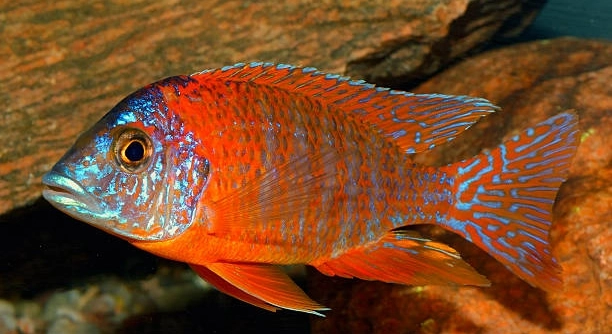
Is your male convict acting unusually tired or less active than usual? Observing these changes can be worrying, especially when his normal energy levels are noticeably higher than what you see now.
Male convicts may become lethargic due to poor water quality, improper diet, illness, or stress in their environment. Ensuring stable tank conditions, balanced nutrition, and monitoring for disease are essential steps in addressing low activity levels.
Understanding the causes of lethargy can help you restore your convict’s energy and overall well-being quickly and effectively.
Common Causes of Lethargy in Male Convicts
Male convicts may appear sluggish for several reasons. Poor water quality is often a major factor. High ammonia or nitrite levels can affect their energy and appetite. Inadequate diet can also contribute; these fish need a mix of protein and vegetables to stay healthy. Stress from overcrowding, aggressive tank mates, or sudden changes in environment can make them less active. Illnesses such as parasites or bacterial infections may also reduce movement. Observing your fish daily helps you notice small changes early. Simple adjustments like partial water changes, checking temperature, and providing proper food can improve their energy levels. Maintaining a clean tank and stable conditions reduces stress, preventing lethargy. Additionally, giving male convicts space and hiding spots helps them feel secure. A well-maintained habitat ensures they can swim freely, feed properly, and display natural behaviors without unnecessary strain or anxiety.
Keeping track of changes in behavior is essential for early intervention.
Creating a routine for feeding, cleaning, and monitoring water parameters allows you to spot issues quickly. Regular observation helps distinguish normal resting periods from genuine lethargy. If diet or environment adjustments don’t improve activity, consulting a veterinarian is important. Noting symptoms like clamped fins, loss of appetite, or unusual swimming patterns provides useful information for treatment. Combining proper nutrition, stress reduction, and medical attention when needed supports recovery and long-term health.
Improving Tank Conditions for Active Male Convicts
Stable water parameters are key to healthy fish. Keeping temperature, pH, and hardness consistent prevents stress.
Proper filtration, regular water changes, and monitoring chemical levels create a supportive environment. Avoid sudden adjustments that may shock the fish. Overcrowding can increase aggression and reduce activity, so maintaining adequate space is crucial. Selecting compatible tank mates minimizes stress and allows natural behaviors. Feeding a balanced diet and removing uneaten food prevents water contamination. Providing hiding spots, rocks, or plants encourages exploration and movement. Observing daily behavior ensures any early signs of illness or stress are addressed promptly.
Male convicts thrive when their environment is stable and predictable. Clean water, proper nutrition, and thoughtful tank design support energy and overall well-being. Stress from overcrowding, poor water quality, or aggressive tank mates can quickly lead to lethargy. Regular maintenance, including partial water changes, gravel vacuuming, and filter cleaning, keeps conditions optimal. Choosing appropriate tank mates reduces conflict, allowing each fish to establish territory and remain active. Balanced feeding schedules and occasional treats maintain interest and promote healthy growth. Hiding spots and decor allow natural behaviors like exploring and resting safely. Consistent observation of behavior ensures you can address any emerging problems before they affect the fish’s health. A stable, well-maintained tank encourages your male convict to be energetic and display vibrant colors.
Adjusting Diet to Boost Activity
Providing a balanced diet is essential for male convicts. High-protein foods like bloodworms or brine shrimp support energy, while vegetables and flakes maintain overall health. Overfeeding should be avoided, as excess food can reduce activity and pollute the tank.
Feeding a variety of foods encourages movement and interest in the environment. Protein-rich options help build strength and maintain activity levels, while vegetables offer fiber and vitamins needed for digestion. Small, frequent feedings prevent lethargy caused by overeating or long periods without nutrition. Observing which foods your convict prefers can help tailor a diet that keeps him engaged and energetic. Supplements like spirulina or occasional treats provide extra nutrients.
Sudden changes in diet may temporarily reduce appetite, but consistency improves energy over time. Combining proper nutrition with clean water and stable conditions ensures male convicts stay active and healthy. Monitoring behavior after introducing new foods allows adjustments for the best results.
Monitoring Health for Signs of Illness
Lethargy can indicate underlying illness, so careful observation is crucial. Watch for unusual swimming, discoloration, or fin clamping.
Early detection of illness increases the chance of recovery. Common issues include bacterial infections, parasites, or fungal growths. Signs like loss of appetite, rapid gill movement, or cloudy eyes often indicate a problem. Quarantining sick fish prevents disease spread and allows for targeted treatment. Keeping a journal of symptoms and changes helps track progress and informs adjustments in care. Treatments may involve medications, water adjustments, or dietary supplements depending on the condition. Maintaining tank cleanliness reduces risk factors that trigger health problems.
Preventing illness through consistent water monitoring and stress reduction is more effective than treating problems later. A clean, well-maintained tank with balanced nutrition supports immune function and overall vitality. Observing interactions with tank mates ensures no aggression or bullying adds to stress. Quarantine new fish before adding them to the main tank to avoid introducing diseases. Timely intervention at the first signs of illness keeps activity levels stable and prevents further complications. Combining these practices helps maintain energy, coloration, and natural behavior in male convicts over the long term.
Reducing Stress in the Tank
Stress can significantly lower activity in male convicts. Overcrowding, aggressive tank mates, and sudden changes in environment increase tension and cause lethargy. Creating calm conditions helps them regain energy.
Providing hiding spots and enough space allows male convicts to feel secure. Limiting disruptions like sudden movements or loud noises reduces stress, encouraging natural behaviors and swimming activity.
Maintaining Consistent Water Parameters
Stable water conditions are critical for healthy activity. Temperature, pH, and hardness should remain consistent to prevent stress. Fluctuations can impact energy and appetite. Regular testing ensures parameters stay within safe ranges. Proper filtration and routine water changes support a balanced environment for active fish.
Encouraging Natural Behavior
Adding rocks, plants, or other tank decor promotes exploration. Male convicts are more likely to stay active when they can swim, hide, and establish territory. Observing these behaviors ensures they remain engaged and energetic.
FAQ
Why is my male convict not eating?
Male convicts may stop eating due to stress, illness, or changes in their environment. Poor water quality, overcrowding, or aggressive tank mates can make them reluctant to feed. Ensuring stable conditions, offering a variety of foods, and observing for signs of disease can help restore appetite.
Can water temperature affect my convict’s activity?
Yes, temperature plays a major role in energy levels. Male convicts are tropical fish and prefer stable temperatures between 75–82°F (24–28°C). Too cold or too hot water can slow metabolism, reduce swimming, and cause lethargy. Using a reliable heater and thermometer ensures consistent conditions.
How often should I change the water?
Partial water changes of 20–30% weekly help maintain a healthy environment. Frequent testing for ammonia, nitrites, and nitrates prevents stress and illness. Clean water supports digestion, activity, and overall well-being, reducing lethargy. Avoid full water changes unless necessary, as sudden shifts can shock fish.
Could my convict be sick?
Lethargy is often an early sign of illness. Watch for symptoms like clamped fins, cloudy eyes, unusual swimming patterns, or loss of appetite. Quarantining sick fish and seeking advice from a veterinarian or experienced aquarist can prevent the problem from spreading.
Do tank mates influence energy levels?
Yes, aggression from other fish can stress male convicts, leading to lethargy. Overcrowding or incompatible species may force them to hide, reducing movement. Providing sufficient space and monitoring interactions ensures a calmer environment and encourages natural activity.
What should I feed my male convict?
A varied diet supports energy and overall health. Include high-protein foods like bloodworms, brine shrimp, or pellets, along with vegetables and flakes for fiber and nutrients. Small, frequent feedings prevent overeating and keep your fish engaged and active. Occasional supplements like spirulina can add extra nutrition.
Can stress from the environment cause lethargy?
Yes, sudden changes in lighting, temperature, or tank setup can make male convicts less active. Providing hiding spots, stable conditions, and predictable routines reduces stress and encourages normal swimming and feeding behavior.
How can I encourage my convict to be more active?
Decorate the tank with rocks, plants, and hiding spaces to promote exploration. Maintaining stable water parameters, feeding regularly, and minimizing disturbances helps them swim freely. Observation allows you to notice small improvements in activity and adjust care as needed.
Is lethargy always serious?
Not always. Male convicts may rest more during nighttime or after feeding. However, prolonged inactivity combined with changes in appetite, color, or behavior usually indicates stress or illness and requires intervention. Early attention prevents long-term health issues.
How do I know if my tank conditions are ideal?
Regular testing for temperature, pH, and chemical levels ensures a stable environment. Clean water, proper filtration, and minimal stress from tank mates create conditions that support energy and natural behavior. Maintaining these standards keeps male convicts active and healthy.
Can overfeeding cause lethargy?
Yes, excess food can pollute water and slow metabolism. Feeding appropriate portions prevents bloating, maintains clean water, and encourages natural movement. Removing uneaten food promptly is essential for a balanced tank environment.
How long does it take for a lethargic convict to recover?
Recovery depends on the cause. Improving water quality, diet, and stress levels can show results in a few days, but illness may take longer. Consistent care and observation are key to restoring energy and overall health.
Should I consult a veterinarian for lethargy?
If your male convict shows persistent inactivity, loss of appetite, or unusual symptoms, consulting a vet or experienced aquarist is recommended. Professional guidance ensures accurate diagnosis and treatment, preventing long-term damage or mortality.
Can adding plants help my convict?
Yes, live or artificial plants provide hiding spots and enrichment, encouraging swimming and natural behaviors. They also reduce stress by offering a sense of security, which can improve energy levels over time.
How do I prevent future lethargy?
Maintain stable water parameters, offer a balanced diet, provide hiding spots, and minimize stress from tank mates. Regular observation, consistent feeding routines, and preventive care help keep male convicts healthy, active, and vibrant.
This FAQ provides guidance for common issues related to lethargy, addressing diet, environment, health, and care practices to maintain active and healthy male convicts.
Male convicts are fascinating fish that display strong personalities and interesting behaviors. Observing changes in their activity can tell you a lot about their overall health and environment. Lethargy is one of the more noticeable signs that something may be off, whether it’s related to water quality, diet, or stress. Paying close attention to their daily habits, swimming patterns, and appetite allows you to catch issues early before they become serious. Even small adjustments, such as cleaning the tank more regularly or providing extra hiding spots, can make a noticeable difference in how energetic your convict becomes. By understanding the signs of low activity, you are better equipped to provide care that supports both their physical and emotional needs.
Maintaining stable water conditions is crucial for keeping male convicts active and healthy. Fluctuations in temperature, pH, or chemical levels can cause stress, which often leads to lethargy. Regular water testing and partial water changes help prevent these problems and create a predictable environment where fish feel secure. Nutrition also plays a significant role in their energy levels. Offering a balanced diet with high-quality protein and vegetables supports growth, immune function, and activity. Avoid overfeeding, as leftover food can harm water quality and contribute to sluggish behavior. Providing enrichment, like plants, rocks, and places to explore, encourages natural behaviors and helps male convicts stay alert and lively throughout the day.
Monitoring health and preventing illness are equally important for maintaining activity. Male convicts can develop lethargy from bacterial infections, parasites, or other diseases, and early intervention can improve recovery. Observing for signs like clamped fins, faded coloration, or loss of appetite helps you identify problems quickly. Quarantining new fish before adding them to the tank, reducing stress from aggressive tank mates, and keeping the environment consistent all reduce the risk of health issues. Over time, combining careful observation, proper nutrition, stable water conditions, and environmental enrichment will help your male convict thrive. This approach ensures they remain energetic, display natural behaviors, and enjoy a long, healthy life in your care.

Hello,
If you enjoy the content that we create, please consider saying a "Thank You!" by leaving a tip.
Every little bit helps us continue crafting quality advice that supports the health, happiness, and well-being of pets around the world, for pets of all shapes, sizes, and species.
We really appreciate the kindness and support that you show us!