
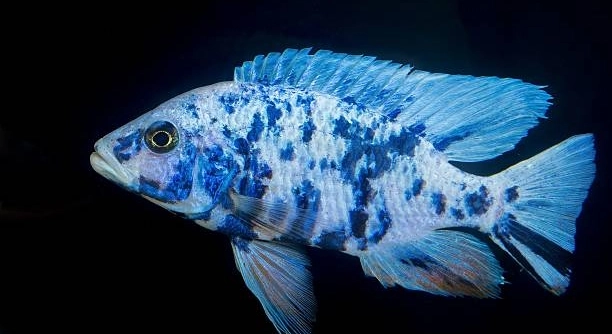
Convict cichlids are known for their bold personalities and territorial behavior in freshwater tanks. Observing them can be fascinating, especially as they move around, search for food, and interact with other fish in their environment.
Convict cichlids do not typically hunt in groups. They are primarily solitary feeders, focusing on small prey individually. While they may tolerate the presence of other fish nearby, coordinated group hunting behavior is not observed in this species.
Understanding how convict cichlids hunt alone can improve tank management and feeding practices, ensuring a healthier and more balanced environment for these lively fish.
Convict Cichlids’ Feeding Habits
Convict cichlids are opportunistic feeders, meaning they eat a variety of foods depending on availability. In aquariums, they often eat flakes, pellets, small insects, and live or frozen foods. They prefer to search along the bottom of the tank, picking at substrate and plants. Their feeding style is deliberate but not aggressive, allowing them to control their territory while looking for food. They can recognize patterns and will often return to areas where food is consistently available. Observing their movements while feeding gives insight into their natural instincts and how they interact with other tank mates. Their territorial nature sometimes leads to chasing smaller fish or defending a favorite feeding spot. Providing a balanced diet is key to keeping them healthy and active. Overfeeding can cause aggression, while underfeeding may lead to stress and weakened immunity. Understanding these habits helps maintain harmony in the aquarium.
Feeding convict cichlids regularly supports growth, activity, and reduces unnecessary aggression among tank mates.
By watching their feeding closely, it becomes easier to notice changes in behavior or health. Adjusting food type and schedule helps maintain a stable environment. Some cichlids may become more confident over time, exploring areas they initially avoided. Tank size, decoration, and water quality all influence how effectively they feed. Providing a mix of protein-rich and plant-based options keeps their diet balanced. Seasonal changes or breeding periods may slightly alter their appetite and activity level. Offering food in small amounts encourages natural foraging and prevents uneaten food from fouling the tank. Social dynamics also play a role, as dominant fish may get first access to food. Observing interactions ensures all fish receive adequate nutrition. Over time, feeding routines become predictable, supporting a calmer, healthier community. Understanding these patterns allows for proactive care and reduces potential conflicts.
Observing Group Behavior
Convict cichlids occasionally swim near each other but do not coordinate hunting or feeding.
While they may tolerate tank mates while eating, true group hunting does not occur. Each fish focuses on its own prey, relying on individual effort. Even in natural habitats, convict cichlids hunt alone, using their keen eyesight and quick reflexes to capture small invertebrates. Group proximity is more about territory overlap than cooperative behavior. Some fish may display curiosity or mild aggression when another approaches a food source. This independence ensures that each cichlid has access to resources without relying on others. Understanding this behavior helps in arranging tank environments and managing multiple fish together. By providing enough hiding spots and food distribution, conflicts over territory and feeding can be minimized. Observing these interactions allows caretakers to see natural instincts in action while keeping the aquarium balanced and calm.
Territorial Instincts
Convict cichlids are highly territorial, especially during feeding or breeding. They defend their space from intruders, often chasing or nipping at other fish. Territory size depends on tank space and number of fish. Understanding these instincts helps reduce stress in the aquarium.
Territorial behavior is most visible when food is introduced or during breeding periods. Males often patrol and mark areas, while females guard nesting spots. Conflicts arise if the tank is overcrowded, leading to injuries or stress. Providing enough hiding spaces and dividing the tank into zones can minimize aggression. Observation is important to adjust fish placement and feeding routines.
Territory management also affects social dynamics. Dominant fish establish areas first, while others may avoid conflict by staying near edges or decorations. Proper tank setup with rocks, plants, and shelters ensures all fish can maintain their own spaces. Feeding in multiple locations further reduces competition. Recognizing these patterns allows for proactive care and helps keep the aquarium stable and calm over time.
Breeding Behavior
Convict cichlids pair off and become highly protective of eggs and fry. They clean a flat surface and fan the eggs until hatching.
Pairs stay close to the nest, defending it from any perceived threat. Both parents actively care for the fry, leading them to food and protecting them from other fish. Aggression spikes during this stage, even toward larger tank mates. Understanding breeding behavior helps in creating separate breeding areas or providing extra hiding spots. Timing of breeding can also be influenced by tank conditions, such as temperature and lighting.
Breeding behavior is closely tied to environment and routine. A calm, spacious tank encourages pairs to reproduce successfully. Parents’ coordination during egg care and fry protection demonstrates natural instincts. Monitoring water quality, temperature, and diet ensures eggs develop properly. Providing safe zones prevents stress or attacks from other fish. Even after fry emerge, parental care continues, guiding them to food and shelter. Observing these behaviors offers insight into their natural patterns and supports healthier breeding outcomes in captivity.
Interaction with Other Fish
Convict cichlids are generally tolerant but can become aggressive toward smaller or similarly sized fish. They maintain distance but defend their territory if needed. Observation is key to prevent conflicts and maintain a peaceful tank environment.
They rarely hunt or chase in groups, focusing on their own space. Aggression is often territorial rather than predatory. Proper tank setup helps balance interactions and reduces stress among all fish.
Hunting Techniques
Convict cichlids rely on sharp eyesight and quick movements to capture food. They forage along the bottom, picking at small invertebrates, plants, and leftover flakes. Hunting is methodical, with each fish operating independently. Even in groups, they do not coordinate attacks or share captured prey. Their solitary hunting approach ensures all individuals can access food without relying on others. Quick reflexes allow them to catch moving prey efficiently. By understanding these techniques, caretakers can provide appropriate foods and feeding methods to support natural instincts and maintain health.
Tank Considerations
Providing adequate space, hiding spots, and feeding areas reduces territorial disputes and supports natural behaviors. Proper tank management ensures a calmer environment for all fish.
FAQ
Do convict cichlids need a large tank to hunt effectively?
Yes, a larger tank gives them more space to explore and establish territories. Even though they hunt alone, extra space reduces stress and aggression. Providing open areas along with hiding spots allows them to forage naturally without constant confrontations with other fish.
Can convict cichlids hunt live prey in an aquarium?
They can, but live prey should be offered carefully. Small insects, brine shrimp, or daphnia are suitable. Feeding live prey encourages natural hunting behavior and keeps them active. Avoid overcrowding the tank when offering live food to prevent conflicts over resources.
Will they eat smaller tank mates?
Convict cichlids are territorial and aggressive but generally focus on invertebrates and small prey rather than fish. However, very small fish or fry may be at risk if left unprotected, especially during breeding periods when adults guard their territory intensely.
How often should I feed convict cichlids?
Feeding them once or twice daily is sufficient. Small, frequent meals encourage natural foraging behavior and prevent overeating. Mixing flakes, pellets, and occasional live or frozen food ensures a balanced diet. Observing their appetite helps adjust portion sizes.
Do they ever hunt in groups?
Convict cichlids do not hunt cooperatively. While multiple fish may be present in the same area, each one focuses on individual prey. Their movements may seem synchronized occasionally, but it is coincidental, not organized. Understanding this prevents expectations of group feeding behavior.
How can I reduce aggression during feeding?
Providing multiple feeding spots and spreading food throughout the tank helps. Hiding spots, rocks, and decorations allow less dominant fish to eat without being chased. Regular observation of interactions ensures all fish get sufficient food without causing stress or injury.
Do breeding pairs hunt differently?
Breeding pairs prioritize defending their territory over hunting. They may eat less during egg or fry care, focusing on guarding the nest. Fry often scavenge for small food particles while parents guide and protect them. Providing extra food in accessible areas helps reduce stress for both parents and offspring.
Can convict cichlids adapt to different types of food?
Yes, they are adaptable. They accept flakes, pellets, frozen, and live foods. Offering a variety prevents boredom and ensures nutritional balance. Gradual introduction of new foods helps avoid digestive issues or refusal.
What tank features support natural hunting behavior?
A mix of open spaces for foraging and hiding spots like rocks, plants, and caves encourages natural activity. Soft substrate allows digging and searching, mimicking their natural environment. Proper water quality and temperature maintain energy levels for active hunting.
Are juvenile convict cichlids more likely to hunt in groups?
No, juveniles also hunt individually. They may cluster near food sources but do not coordinate efforts. Providing multiple feeding points prevents competition and ensures all juveniles receive adequate nutrition.
Can they coexist with other territorial fish?
Yes, with careful planning. Matching tank mates by size and temperament reduces conflicts. Overlapping territories can cause aggression, so adding decorations and dividing the tank into zones helps maintain balance. Observation during initial introduction is essential to avoid injuries.
How do I know if they are stressed during hunting or feeding?
Signs of stress include rapid swimming, hiding excessively, or refusing food. Aggressive chasing beyond normal territory defense can indicate tension. Adjusting tank layout, feeding locations, and group size often resolves these issues.
Does water temperature affect hunting behavior?
Yes, optimal temperature between 75–82°F supports active foraging. Colder water slows metabolism, reducing appetite and movement, while excessively warm water can increase aggression and stress. Maintaining stable temperature ensures consistent feeding behavior.
How important is water quality for their hunting and feeding?
High water quality is crucial. Clean water supports energy levels, digestion, and natural instincts. Frequent water changes and proper filtration reduce stress and promote healthy, active hunting behavior. Poor water quality can lead to lethargy and reduced appetite.
Can diet influence aggression during hunting?
Yes, a balanced diet reduces competition. Underfed convict cichlids may become more aggressive to secure food, while overfeeding can cause health issues. Providing appropriate portions and variety keeps them healthy and calmer during feeding times.
Are there specific times of day when they hunt more actively?
Convict cichlids tend to be more active during daylight hours. Morning and early evening often see the most movement and foraging. Adjusting feeding times to match natural activity patterns encourages natural hunting behavior and better overall health.
Do they remember feeding spots?
Yes, convict cichlids are intelligent and can learn locations where food is consistently offered. This memory influences their foraging routes and reduces wasted energy searching randomly. Rotating feeding spots occasionally keeps them stimulated.
Can tank decorations impact their hunting efficiency?
Yes, obstacles like plants and rocks create hiding spots for prey and allow natural foraging behavior. Open areas facilitate chasing live food. A balanced layout ensures they can explore and hunt without constant stress or obstruction.
Is it safe to mix live and prepared foods?
Yes, mixing foods provides variety and promotes natural hunting instincts. Prepared foods like flakes or pellets supply essential nutrients, while live or frozen foods stimulate activity and mimic natural prey capture. Gradual introduction prevents digestive upset.
Do convict cichlids hunt differently in natural habitats compared to aquariums?
In natural habitats, they forage individually along the substrate and among rocks, feeding on small invertebrates. In aquariums, behavior is similar but influenced by tank size, decorations, and other fish. They adapt well but remain solitary hunters in both environments.
How do I prevent dominant fish from monopolizing food?
Feed in multiple locations simultaneously and provide hiding spots. Breaking food into small portions allows less dominant fish to access it safely. Observation ensures all individuals are eating and reduces stress-related aggression.
Can they hunt at night?
Convict cichlids are primarily diurnal and less active at night. They rely on eyesight to detect prey, so nocturnal hunting is limited. Maintaining a consistent day-night cycle supports natural activity and overall health.
Are there signs they are satisfied after feeding?
Yes, they swim calmly, explore territory without chasing, and show less aggression. Overfeeding can mask these signs, so moderate portions and observation are key to healthy behavior.
Does age affect hunting efficiency?
Juveniles are less skilled but learn quickly. Adults are more efficient and deliberate in their movements. Age, size, and experience influence reaction speed and ability to capture prey.
How long does it take for new convict cichlids to adjust to feeding routines?
Adjustment usually takes a few days to a week. During this period, provide familiar foods and multiple feeding spots. Observing behavior helps identify stress or refusal and allows gradual acclimation.
Do they store food or eat immediately?
Convict cichlids eat immediately and do not store food. They rely on frequent small meals or continuous foraging, reflecting natural behavior of consuming prey as it becomes available.
Can tank size affect aggression during feeding?
Yes, smaller tanks increase competition and aggression. Larger tanks with proper hiding spots reduce stress, support individual territories, and allow natural foraging behavior. Proper tank planning ensures calmer feeding routines.
What is the best way to introduce new foods?
Introduce gradually, mixing small amounts with familiar foods. Observe reactions for refusal or digestive issues. Repetition and consistency help them accept new diets while maintaining balanced nutrition.
Do environmental changes influence hunting patterns?
Yes, changes in water temperature, lighting, or tank layout can alter activity levels. Gradual adjustments help maintain natural hunting behavior and reduce stress. Sudden changes may cause hesitation or aggression.
Can stress impact hunting efficiency?
Yes, stressed fish may hide, swim erratically, or refuse food. Reducing overcrowding, providing hiding spots, and maintaining water quality supports calm, effective hunting behavior.
Is it necessary to simulate natural prey in an aquarium?
It is beneficial but not essential. Live or frozen foods mimic natural hunting stimuli, promoting activity. Prepared foods meet nutritional needs but may not fully engage instincts, so a mix is ideal for health and stimulation.
Do convict cichlids show social learning while hunting?
No, they do not demonstrate coordinated hunting or social learning. Observing others does not change individual behavior; each fish relies on personal effort to capture food.
Can overfeeding reduce their hunting drive?
Yes, excessive feeding decreases motivation to forage. Maintaining moderate portions encourages activity, supports natural instincts, and prevents obesity or water quality issues.
Do they prefer moving or stationary prey?
Moving prey triggers faster reactions, stimulating natural hunting instincts. Stationary food is accepted but may not engage reflexes as effectively. Offering a variety keeps them active and attentive.
How important is routine in feeding and hunting behavior?
Consistency in feeding times and locations supports natural instincts and reduces stress. Routine allows them to anticipate food, maintain energy levels, and display normal behavior patterns.
Can stress from other fish affect hunting?
Yes, aggressive or dominant tank mates can interrupt feeding. Providing space, hiding areas, and multiple feeding spots minimizes conflict and allows individual fish to hunt without interference.
Are there signs of poor nutrition affecting hunting?
Yes, lethargy, refusal of food, and slower reflexes indicate inadequate nutrition. Adjusting diet with balanced proteins and vitamins restores energy and normal foraging activity.
Does breeding status change hunting behavior?
Breeding adults prioritize protecting eggs and fry over hunting. Feeding may decrease, and food is often offered near nests. Providing extra, accessible food ensures proper nutrition without compromising care for offspring.
Can they become more aggressive if food is scarce?
Yes, limited food increases competition and aggression. Ensuring adequate portions and distribution prevents stress, maintains peace, and supports healthy individual behavior.
Do they recognize tank mates during feeding?
Yes, they can identify familiar fish and adjust behavior accordingly. Dominance and hierarchy influence who eats first, but they still hunt individually without cooperation.
Is it safe to combine live, frozen, and prepared foods in one feeding?
Yes, mixing foods promotes balanced nutrition and stimulates hunting instincts. Portion control and observation prevent overeating and maintain water quality.
Do they ever fail to catch prey?
Yes, juveniles or less experienced fish may miss prey, which is natural. Over time, skill improves with practice and observation of environmental cues.
How can I encourage natural hunting behavior?
Provide live or moving foods, scatter feeding points, and maintain open and sheltered areas. Variety and stimulation keep them active, healthy, and mentally engaged.
Do they ever share prey?
No, convict cichlids are solitary hunters. Each fish captures and consumes food independently. Sharing or cooperative hunting is not observed in this species.
Are there seasonal changes in hunting behavior?
Yes, temperature and breeding cycles can affect appetite and activity. Fish may forage less or focus on territory defense during breeding periods, adjusting feeding needs accordingly.
Can poor lighting affect hunting?
Yes, inadequate lighting reduces visibility, slowing reactions and making foraging less efficient. Proper illumination helps maintain natural instincts and healthy activity levels.
Do they remember past conflicts at feeding spots?
Yes, they may avoid areas where previous aggression occurred. Memory influences territory use and feeding strategy, reducing unnecessary confrontation.
How do I monitor if all fish are eating properly?
Observe behavior during feeding, noting active participation, aggression, and leftovers. Ensure multiple feeding locations and adjust portions to meet individual needs. Consistent observation prevents malnutrition and stress.
Can water flow influence hunting?
Yes, strong currents may hinder foraging or move food unpredictably. Gentle, steady flow supports natural hunting movements without adding stress.
Do they ever forage in groups for safety?
No, convict cichlids do not hunt cooperatively. Clustering may occur near food sources but is driven by resource availability, not protective behavior.
Does diet variety improve hunting instincts?
Yes, combining protein-rich, plant-based, live, and prepared foods keeps reflexes sharp and maintains interest in foraging. A varied diet ensures health and natural behavior.
Can they adapt hunting techniques to new tank layouts?
Yes, they explore and adjust movements based on tank size, decorations, and obstacles. Adaptation is instinctive, helping them locate food efficiently.
Do territorial disputes interfere with hunting?
Yes, conflicts can delay or prevent feeding. Multiple feeding points and hiding spots reduce interference, allowing all fish to forage effectively.
How long does it take for them to become comfortable hunting in a new tank?
Adjustment typically takes a few days to a week. Providing familiar foods, multiple feeding points, and stable water conditions helps them acclimate quickly.
Can overpopulation affect hunting behavior?
Yes, crowded tanks increase competition, stress, and aggression. Proper stocking density supports individual foraging, reduces conflict, and maintains healthy activity.
Do tank mates influence hunting efficiency?
Yes, aggressive or dominant fish can limit access to food. Spacing, hiding spots, and careful selection of tank mates allow all fish to hunt without interference.
Can they detect food through smell or movement?
Both senses play a role. Movement triggers reflexes, while scent helps locate hidden prey. Combined senses make them efficient hunters despite being solitary feeders.
Is it normal for them to ignore food sometimes?
Yes, temporary disinterest may occur due to stress, breeding, or minor illness. Monitoring water quality and diet ensures they resume normal foraging quickly.
Can environmental enrichment improve hunting skills?
Yes, hiding food, adding plants, rocks, or obstacles encourages exploration and mimics natural foraging, keeping instincts sharp and fish active.
Do they ever display curiosity before hunting?
Yes, convict cichlids often inspect new objects or potential food sources carefully before striking. This cautious approach is part of their hunting strategy and territorial awareness.
How can I tell if a juvenile is learning to hunt effectively?
Look for increasing success in capturing small prey, faster reactions, and more deliberate movements. Over time, juveniles become as skilled as adults in independent hunting.
Does breeding pair cooperation extend to hunting?
No, cooperation is limited to nest defense. Each adult hunts individually and does not share or coordinate food capture.
Are there health signs linked to poor hunting behavior?
Yes, lethargy, refusal to eat, or slow reactions may indicate illness, stress, or poor water conditions. Addressing these factors restores normal foraging.
Can they hunt differently depending on prey type?
Yes, they adapt movements and speed based on prey size and mobility. Smaller prey are captured with quick pecks, while larger items require slower, deliberate strikes.
Does aggression always correlate with hunting success?
Not necessarily. Aggression is mostly territorial. Dominant fish may control space but still rely on individual effort to capture prey.
Can changes in water chemistry affect hunting?
Yes, fluctuations in pH, hardness, or ammonia levels reduce activity and appetite. Maintaining stable water chemistry supports normal foraging and reflexes.
Do they ever cooperate with other species?
No, convict cichlids remain solitary hunters. They may tolerate other species nearby but do not coordinate hunting or share food.
How important is routine observation for feeding behavior?
Observation helps identify aggression, stress, and dietary needs. Regular monitoring ensures all fish maintain healthy, natural hunting patterns and prevents long-term issues.
Can tank size limit natural hunting instincts?
Yes, small tanks restrict movement and territory establishment. Larger tanks with adequate space support exploration, foraging, and natural behaviors.
Do they prefer certain substrates for hunting?
Yes, soft substrates like sand allow digging and searching, while rocks and plants provide shelter and hiding spots, enhancing natural foraging.
Are they more active hunters during certain water conditions?
Stable temperature, clean water, and proper lighting encourage consistent hunting behavior. Unstable or poor conditions reduce activity and appetite.
Can enrichment like floating or moving food improve activity?
Yes, adding variety in food placement stimulates natural reflexes and keeps them mentally and physically engaged.
Do they ever ignore other fish while hunting?
Yes, convict cichlids focus on individual prey rather than group behavior, even when other fish are nearby.
Does age impact aggression during feeding?
Younger fish may be less aggressive but compete more due to size. Adults establish dominance and defend territory, influencing feeding dynamics.
Can tank mates influence growth through competition?
Yes, aggressive fish may limit access to food, affecting size and health. Proper tank management ensures all fish get adequate nutrition.
Is it normal for them to patrol territory before hunting?
Yes, patrolling ensures no intruders interfere with feeding and maintains dominance over their area. This behavior supports independent hunting efficiency.
How does light intensity affect hunting?
Proper lighting enhances visibility, reaction time, and activity. Low light reduces efficiency, while too bright can cause stress and hiding.
Do they ever cache or hide food?
No, convict cichlids consume food immediately. Their hunting strategy focuses on capturing and eating in real-time, not storing.
Can diet changes improve hunting reflexes?
Yes, providing live or moving foods alongside prepared items maintains agility and sharpens natural hunting instincts.
Are there signs that food placement affects stress levels?
Yes, crowded or poorly distributed food causes chasing, hiding, or aggression. Multiple feeding points reduce tension and support calmer foraging.
Do water flow patterns influence hunting strategy?
Moderate flow can help simulate natural conditions, encouraging movement and alertness. Excessive flow may hinder precision or reduce interest in food.
Can environmental complexity improve natural instincts?
Yes, plants, rocks, and decorations encourage exploration, foraging, and problem-solving, keeping convict cichlids active and mentally stimulated.
Does feeding frequency impact social behavior?
Regular, moderate feedings reduce competition and stress. Infrequent or irregular feeding may increase aggression and territorial disputes.
Do convict cichlids remember locations of previous hunts?
Yes, they often return to areas where food is consistently available. This memory helps them forage efficiently and reduces wasted effort.
Is tank cleanliness important for hunting efficiency?
Absolutely, clean water supports energy, appetite, and natural instincts. Debris or poor quality can reduce activity and hunting behavior.
Can sudden changes in tank population affect feeding?
Yes, introducing new fish can trigger aggression or competition. Gradual introductions and monitoring prevent disruption of normal hunting routines.
Do they ever compete with tank mates for territory instead of food?
Yes, territorial disputes may take priority over feeding. Providing separate zones and hiding spots minimizes conflict and allows independent hunting.
Can environmental stress reduce hunting motivation?
Yes, noise, vibrations, and overcrowding can make fish hesitant to forage. Calm, stable conditions promote consistent feeding behavior.
Are there signs of learned hunting inefficiency?
Poor technique, missed prey, or hesitation may indicate stress, illness, or suboptimal tank conditions.
Convict cichlids are fascinating fish that display clear and consistent behaviors in both hunting and social interactions. They are solitary hunters, relying on their own instincts and reflexes to capture food. Unlike some species that coordinate or hunt in groups, convict cichlids focus on individual prey, whether it is small invertebrates, flakes, or other prepared foods. Observing their movements during feeding can reveal a lot about their personality and energy levels. Each fish develops its own approach to foraging, combining patience and quick reflexes. Their territorial nature also influences feeding behavior, as they establish and defend areas in the tank. This behavior is especially noticeable during breeding periods, when pairs become protective of eggs and fry. Providing proper tank size, hiding spots, and multiple feeding points helps reduce conflicts and ensures that all individuals can feed safely. Paying attention to these patterns is key to maintaining a healthy and active aquarium environment for convict cichlids.
Feeding convict cichlids requires careful planning and consistency. Offering a varied diet of flakes, pellets, frozen, or live foods supports both their nutritional needs and natural instincts. Live or moving foods stimulate hunting reflexes and provide physical activity, while prepared foods supply essential vitamins and proteins. Regular feeding schedules help maintain predictable behavior and reduce stress caused by competition or territorial disputes. Tank layout is equally important, as decorations, plants, and rocks provide hiding spots, foraging areas, and zones where less dominant fish can escape aggression. Water quality and temperature are critical factors as well, influencing metabolism, activity levels, and overall health. Stable water conditions combined with proper feeding routines ensure that convict cichlids can display natural behaviors while minimizing stress. Observation remains an important part of care, as changes in appetite, aggression, or activity levels can indicate health issues or environmental problems that need attention.
Understanding convict cichlids’ behavior is essential for creating a balanced and thriving aquarium. Their solitary hunting, territorial instincts, and protective breeding behavior all contribute to a structured yet active environment. Providing adequate space, diverse feeding options, and environmental enrichment supports their natural tendencies while reducing stress and aggression. Paying attention to social dynamics, tank conditions, and diet allows caretakers to foster healthy interactions among all fish. Whether managing adults, juveniles, or breeding pairs, attention to detail ensures that convict cichlids remain active, healthy, and comfortable. By respecting their independent nature and planning for their specific needs, it is possible to maintain an aquarium where these fish can thrive, display natural behavior, and remain a vibrant and engaging addition to any freshwater setup.

Hello,
If you enjoy the content that we create, please consider saying a "Thank You!" by leaving a tip.
Every little bit helps us continue crafting quality advice that supports the health, happiness, and well-being of pets around the world, for pets of all shapes, sizes, and species.
We really appreciate the kindness and support that you show us!