
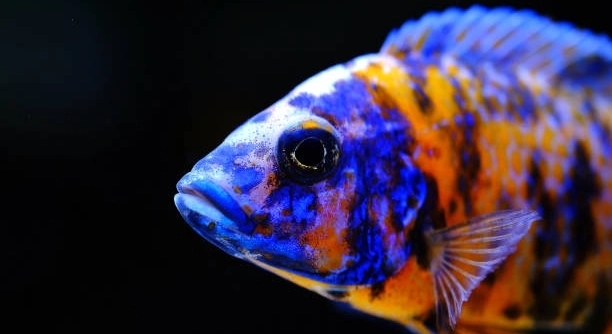
Are your cichlids showing signs of stress or aggression in their current tank? Many hobbyists underestimate how quickly these fish outgrow their environment, leading to crowded and unhealthy conditions. Proper space is essential for their wellbeing.
Cichlids require ample swimming space, stable water conditions, and adequate territory to thrive. Overcrowding can lead to increased aggression, stunted growth, and compromised health, making it necessary to upgrade to a larger tank for long-term sustainability and fish welfare.
Recognizing these signs early can prevent serious health issues and create a calmer, more balanced aquarium for your cichlids. Proper care starts with the right environment.
Signs of Overcrowding in Your Tank
When multiple cichlids are kept in a tank that is too small, tensions rise quickly. Fish may chase each other constantly, hide more than usual, or display aggressive behavior that was not present before. Overcrowding affects not just their social interactions but also their health. Water quality can decline rapidly because of increased waste, leading to higher ammonia and nitrate levels. Even with frequent water changes, the tank may struggle to maintain a stable environment. Some cichlids may show stunted growth or faded colors, which are clear indicators of stress. Observing your fish closely will help you identify patterns, such as repeated attacks on certain tank mates or persistent hiding spots. Overcrowded tanks can also cause injuries and weaken immune systems, making your cichlids more prone to disease. Adjusting the number of fish or upgrading to a larger tank ensures they have enough room to swim, explore, and establish territories comfortably.
Consistent aggression and constant hiding usually indicate that your cichlids need more space. Immediate action prevents long-term stress and health problems.
Creating a larger, well-decorated tank allows cichlids to establish territories and swim freely without constant confrontation. With proper spacing, aggression decreases, and the fish display natural behaviors. A larger tank also stabilizes water conditions, making maintenance easier and reducing the risk of sudden ammonia spikes. Over time, your cichlids will appear more vibrant, healthy, and active.
Changes in Water Quality
Poor water conditions often accompany small tanks, as they cannot dilute waste efficiently. High nitrate levels can stress cichlids, making them more aggressive and less colorful.
Monitoring water parameters is essential when housing cichlids. Small tanks heat up faster and can experience rapid changes in pH, ammonia, and nitrite levels. These fluctuations can cause stress, weaken immune systems, and reduce growth. Frequent water changes help temporarily, but they do not replace the benefits of a larger volume. A bigger tank provides more stability and allows for natural biological filtration to handle waste effectively. Decorations and hiding spots also help distribute fish and reduce direct confrontations. In addition, a larger tank supports a more diverse environment with plants, rocks, and open swimming areas, which promote natural behaviors and overall health. Fish that were previously lethargic or aggressive may become more active and less stressed. Investing in a larger tank ultimately saves time on constant water corrections and helps maintain a thriving, vibrant cichlid community.
Rapid Growth of Your Cichlids
Larger cichlids can quickly outgrow small tanks, making swimming and hiding difficult. A tank that once seemed sufficient may suddenly feel cramped.
Cichlids grow at different rates depending on species, diet, and environment. A fish that starts small can reach a size that makes it dominant or stressed in a limited space. Crowding prevents proper exercise and can stunt growth, as fish cannot move freely or establish territories. Over time, this restriction affects both behavior and health. Observing size changes early allows you to plan for a larger tank before problems escalate.
Upgrading the tank ensures that growing cichlids have room to swim, explore, and establish territories naturally. Ample space promotes vibrant colors, reduces aggression, and improves overall health. Proper spacing also allows for decorations and hiding spots, which support natural behaviors and reduce stress in all tank inhabitants.
Frequent Health Issues
Small tanks increase the risk of disease and weakened immune systems in cichlids. Poor water quality and overcrowding are major contributors.
Consistently noticing fin damage, faded colors, or sluggish behavior often points to inadequate space. Overcrowding and fluctuating water parameters create stress, lowering immunity. Infections like fin rot or ich appear more quickly when fish are confined. Even with careful maintenance, a small tank cannot buffer sudden changes effectively. A larger tank provides more stable conditions and room for fish to recover naturally.
Providing a bigger tank reduces stress, supports healing, and prevents recurring health problems. Fish have space to maintain territories and avoid constant confrontation. With improved water stability, disease outbreaks are less likely, and cichlids can thrive for years. Investing in tank size ensures both their long-term wellbeing and a visually vibrant aquarium.
Aggressive Behavior Between Tank Mates
Cichlids often become aggressive when space is limited. Constant chasing and fighting indicate that the tank is too small.
Territorial disputes increase in cramped conditions, leading to injuries or stress. Providing more room allows each fish to establish its own area and reduces tension significantly.
Constant Hiding Spots
If your cichlids spend most of their time hiding, the tank may feel overcrowded. They need open areas to swim and explore freely.
Overcrowding or insufficient space behind decorations can make shy fish retreat constantly. A larger tank with well-placed hiding spots balances security and open swimming space, encouraging natural behavior and reducing stress.
Stunted Growth
Limited space restricts movement, which can stunt your cichlids’ growth. They need room to exercise and develop fully.
A larger tank allows fish to swim extensively, eat properly, and grow to their full potential. Restricted movement and territorial conflicts in smaller tanks often slow growth and weaken their overall health.
FAQ
How do I know the right tank size for my cichlids?
The ideal tank size depends on the species, number of fish, and their adult size. African cichlids generally need more space than smaller species. A good rule is to allow at least 10 gallons per small cichlid and 20 gallons or more for larger species. Also, consider the tank’s length and width, as cichlids need horizontal swimming space. Observing their behavior can help—if fish are constantly aggressive or hiding, it is a sign they need more room.
Can adding decorations reduce aggression in a small tank?
Yes, decorations like rocks, caves, and plants can create territories and hiding spots, which helps reduce fighting. However, this is only a partial solution. Overcrowding still leads to stress, and decorations cannot replace the benefits of a larger tank. Fish need space to swim freely and establish proper territories without constant confrontation.
How often should I monitor water parameters in a small cichlid tank?
Water quality fluctuates faster in smaller tanks, so testing at least twice a week is ideal. Check ammonia, nitrite, nitrate, and pH levels regularly. Frequent water changes help maintain stability, but if problems persist, upgrading to a larger tank is often the only effective long-term solution for healthy fish.
What are the signs that my cichlids are stressed due to space?
Stress shows in various ways: faded colors, aggressive chasing, hiding constantly, loss of appetite, and stunted growth. Some cichlids develop fin damage or odd swimming patterns. Observing these behaviors early allows for adjustments before health issues worsen. Stress reduction starts with providing adequate space and stable water conditions.
Is it okay to mix cichlid species in a small tank?
Mixing species increases aggression, especially in a limited space. Each species has its own territory and dominance hierarchy, which can lead to constant fighting. If you want multiple species, a larger tank is necessary. Otherwise, it’s better to keep compatible fish in adequate numbers and sizes to reduce stress and injuries.
Can overfeeding worsen space-related problems?
Yes. Excess food increases waste, which strains the tank’s filtration and water quality. Overcrowded tanks already have higher waste concentrations, so overfeeding accelerates ammonia spikes and nitrate buildup. Feeding measured amounts and removing uneaten food helps maintain water quality, but sufficient tank size remains essential.
How soon should I upgrade after noticing signs of overcrowding?
Immediate action is best. Waiting too long allows aggression, stress, and health problems to develop. Upgrading before issues become severe improves survival rates, growth, and overall behavior. Preparing a larger tank in advance makes the transition smoother for your cichlids.
Can a larger tank reduce disease risk?
Yes. More water volume stabilizes parameters and dilutes waste, lowering stress on the immune system. Fish in spacious tanks have less contact, reducing the spread of infections. Disease outbreaks are less frequent, and recovery times improve when fish are kept in healthier, more comfortable conditions.
Are there signs that a tank is already too large?
Cichlids usually adapt well to larger tanks. The main concern is overstocking relative to filtration and maintenance ability. If water quality is managed, a bigger tank rarely causes issues. Fish may explore more and show natural behaviors, which is generally positive.
Does tank shape matter as much as size?
Yes, length and width matter more than height. Cichlids are territorial and need horizontal swimming space. Long tanks provide room to establish territories and reduce constant confrontations. Taller tanks with less horizontal space may still feel cramped, even if the overall volume is large.
How do I transition my cichlids to a larger tank?
Set up the new tank with proper filtration, decorations, and stable water parameters. Gradually acclimate fish by floating bags or slowly mixing water. Introduce them carefully to reduce stress. Avoid moving all fish at once if possible, as large groups can overwhelm the new environment.
Can I temporarily manage overcrowding without a bigger tank?
Temporary solutions include reducing fish numbers, adding hiding spots, and increasing water changes. These measures help, but they are not permanent fixes. Overcrowding effects accumulate over time, and only a larger tank truly addresses space-related issues.
How does tank size affect breeding behavior?
Cichlids need space to establish territories for breeding. In small tanks, aggression rises, and spawning may be suppressed. A larger tank allows pairs to set up breeding areas naturally, reduces stress, and increases fry survival rates. Proper spacing encourages normal reproductive behavior and healthier offspring.
Can I keep juvenile cichlids in a small tank temporarily?
Yes, but only briefly. Juveniles grow quickly, and limited space will soon become restrictive. Monitor behavior and size regularly. Plan for a larger tank before overcrowding causes aggression, stunted growth, or health issues. Short-term confinement is manageable, but long-term space is crucial.
What’s the best way to prevent overcrowding from the start?
Research species size, growth rates, and temperament before buying. Start with fewer fish than the tank’s theoretical capacity and plan for adult sizes. Proper planning, combined with careful monitoring, prevents stress, aggression, and health problems later. Ensuring room for growth keeps cichlids active, colorful, and healthy.
Choosing the right tank size for cichlids is one of the most important steps in ensuring their health and happiness. Cichlids are active, territorial fish that require space to swim freely, establish territories, and display natural behaviors. A tank that seems sufficient at first may quickly become too small as fish grow, leading to aggression, stress, and health issues. Observing their behavior closely can give clear signs that they need more room, such as hiding constantly, chasing tank mates, or showing faded colors. Upgrading to a larger tank is not just about accommodating size—it is about creating a stable, safe, and comfortable environment where fish can thrive and develop naturally. Even a moderate increase in space can make a significant difference in reducing aggression and improving water quality, which benefits every fish in the tank.
Water quality is closely linked to tank size. Smaller tanks are prone to rapid fluctuations in temperature, pH, ammonia, and nitrate levels, which can put a lot of stress on cichlids. Even with regular water changes and careful maintenance, a cramped tank cannot maintain stable conditions as effectively as a larger one. A bigger tank provides more water volume to buffer changes, allowing filtration systems to work efficiently and giving fish more room to avoid conflicts. Additionally, it allows for proper placement of decorations, rocks, and hiding spots without overcrowding, which supports territorial behavior and reduces stress. Healthy fish are more vibrant, active, and likely to grow to their full potential. Maintaining water quality becomes easier with proper tank size, and the long-term benefits for both fish and their caretaker are significant.
Planning ahead is essential for long-term success with cichlids. Understanding the species’ growth patterns, adult size, and social behavior helps prevent overcrowding before it starts. While temporary measures like adding hiding spots, reducing numbers, or more frequent water changes can help, they do not replace the benefits of adequate space. Investing in a larger tank is a proactive step that ensures cichlids remain healthy, display natural behavior, and coexist peacefully. It reduces stress-related problems, lowers the risk of disease, and allows fish to grow and thrive in a stable environment. In the end, providing enough space is one of the simplest yet most effective ways to care for cichlids, making their aquarium a vibrant, healthy, and balanced habitat for years to come.

Hello,
If you enjoy the content that we create, please consider saying a "Thank You!" by leaving a tip.
Every little bit helps us continue crafting quality advice that supports the health, happiness, and well-being of pets around the world, for pets of all shapes, sizes, and species.
We really appreciate the kindness and support that you show us!