
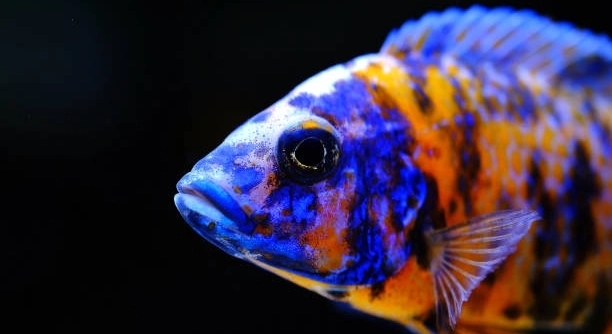
Cichlids can be fascinating pets, bringing color and life to your aquarium. Observing them carefully helps you understand their moods and needs. Their behavior often reflects their comfort and adjustment to their environment.
Cichlid comfort is shown through specific behaviors that indicate trust, relaxation, and security. These include regular swimming patterns, interaction with other fish, feeding habits, and responses to their surroundings, which collectively signal their well-being in captivity.
Learning to recognize these signs will make caring for your cichlids more rewarding. Each behavior reveals insight into their daily life and overall health.
Swimming Confidently
When cichlids are comfortable, their swimming is smooth and purposeful. They glide through the water without sudden jerks or hiding constantly. You may notice them exploring the tank, moving between rocks, plants, and open areas freely. Comfortable cichlids often patrol their territory slowly and confidently, showing they feel secure in their environment. They rarely cling to corners or hover near the surface out of stress. Observing swimming patterns over time can reveal changes in their comfort level. If a cichlid suddenly starts darting around or hiding more, it may indicate discomfort or environmental issues. Proper tank setup, water quality, and consistent feeding routines all support this natural, confident swimming behavior. These movements are subtle signals that the fish is adjusting well to its surroundings and trusting the environment you’ve provided. Watching them swim with ease can be quite satisfying, as it reflects both physical health and emotional security within the tank.
Smooth, deliberate swimming without erratic movements signals that cichlids feel secure and well-adapted to their environment.
Noticing these patterns helps you gauge comfort levels quickly and respond to their needs effectively.
Interacting With Tank Mates
Comfortable cichlids often interact peacefully with other fish, showing minimal aggression and more curiosity.
Cichlids that feel secure establish social connections rather than constant territorial disputes. They may swim near others, display minor chasing, or share hiding spots without prolonged stress. This interaction shows they trust their surroundings and have adapted to coexist. Over time, you can observe patterns like cooperative feeding or gentle territorial displays, which differ from anxious or overly aggressive behaviors. Monitoring these social signals ensures your tank is balanced, preventing stress-related health problems. A calm, interactive group of cichlids indicates that each fish is comfortable and confident, reducing the risk of injury or constant hiding. Proper space, decorations, and structured territories encourage these interactions, allowing them to exhibit natural behavior safely. Comfort in social dynamics is essential, as cichlids are territorial by nature, and observing peaceful engagement reflects both their mental well-being and the suitability of the aquarium setup.
Resting Calmly
Cichlids that feel comfortable rest near the bottom or in sheltered areas without constant movement. They settle into a spot, often near rocks or plants, showing trust in their environment.
When cichlids rest calmly, their body posture is relaxed, and fins are slightly spread. Unlike stressed fish that hide or dart unpredictably, comfortable cichlids remain in one spot for longer periods. Resting near favorite areas indicates they feel safe and are not threatened by other tank inhabitants. Observing this behavior over several days can confirm their adjustment to the tank. Resting also supports growth and immune health, as uninterrupted rest allows proper energy use. If your cichlids are sleeping or hovering calmly, it’s a positive sign that water conditions, temperature, and overall environment are suitable for them.
Regular calm resting behavior is essential for monitoring well-being. Fish that settle naturally are usually healthier and less stressed than those constantly moving or hiding.
Exploring Their Territory
Comfortable cichlids actively explore all areas of the tank, moving between hiding spots, open water, and decorations without hesitation. Their movement is deliberate, not frantic, showing confidence in their surroundings.
Exploration reflects a cichlid’s curiosity and comfort level. A secure fish inspects rocks, plants, and substrate for potential food or interest. They may circle territories or check corners previously ignored, signaling adaptation to the environment. This behavior often occurs at feeding times or when new elements are added to the tank. Watching a cichlid move freely can reveal personality traits, including cautiousness, boldness, or investigative tendencies. Limiting sudden changes in water conditions, lighting, or decoration placement supports consistent exploratory behavior. Fish that explore confidently are less likely to suffer from stress-related illnesses. Observing these patterns allows you to maintain a stable, enriching environment.
Encouraging natural exploration with varied structures and safe hiding spots promotes mental stimulation. Cichlids that navigate their tank comfortably demonstrate both physical health and emotional security, which are vital for long-term well-being.
Bright Colors
Cichlids that feel comfortable often display vibrant, consistent colors. Dull or faded hues can indicate stress, illness, or poor water conditions, so bright coloration is a good sign of well-being.
Healthy, colorful cichlids show their natural patterns clearly. Consistent color indicates proper nutrition and a stable environment, reflecting both physical health and comfort.
Feeding Eagerly
Comfortable cichlids approach food quickly and eat without hesitation. They show interest in offered meals and rarely ignore feeding times, signaling trust in their environment. Their feeding behavior also reflects good energy levels and digestive health.
Observing their eagerness during feeding helps gauge overall well-being. Fish that consistently eat show normal activity patterns and indicate that water quality, temperature, and tank conditions support healthy living. Hesitation, hiding, or refusal to eat can signal stress, illness, or discomfort, so monitoring feeding behavior is an important daily check. Feeding times also reveal social dynamics among tank mates, as comfortable cichlids maintain calm interactions while eating. Consistent, active feeding patterns reflect both mental comfort and physical readiness.
Minimal Hiding
Cichlids that feel at ease spend less time in hiding places. They explore more openly and only retreat occasionally, showing trust in their environment.
FAQ
How can I tell if my cichlid is comfortable in its tank?
Comfortable cichlids show smooth swimming, bright colors, regular feeding, and minimal hiding. They interact calmly with other fish and explore their territory without panic. Observing consistent behavior over time is key to identifying comfort and overall well-being.
Why does my cichlid hide so much?
Excessive hiding usually signals stress, poor water quality, or a lack of proper shelter. Cichlids need secure spaces to feel safe, but constant hiding indicates discomfort. Adjusting tank layout, providing hiding spots, and checking water conditions can reduce stress.
Is it normal for cichlids to show aggressive behavior?
Some aggression is natural due to territorial instincts. Comfortable cichlids display controlled aggression, such as brief chasing or fin displays, rather than prolonged attacks. Monitoring interactions ensures aggression does not harm other fish or indicate stress.
How important is tank setup for cichlid comfort?
Tank setup is crucial. Proper decorations, hiding spots, and open swimming areas allow cichlids to feel secure. Rocks, plants, and caves help mimic natural habitats, encouraging exploration, reducing stress, and promoting healthy social behavior.
Can water conditions affect cichlid behavior?
Yes, water quality directly impacts comfort. Temperature, pH, and cleanliness influence swimming, feeding, and resting patterns. Maintaining stable water parameters helps cichlids feel secure and prevents stress-related illness or behavioral changes.
Why does my cichlid swim erratically sometimes?
Erratic swimming often signals stress, illness, or sudden environmental changes. Comfortable cichlids move deliberately and explore confidently. Observing changes in movement patterns helps detect issues early, allowing prompt adjustments to improve comfort.
How often should I feed my cichlids?
Feeding frequency affects comfort and energy levels. Most adult cichlids eat once or twice daily. Overfeeding can harm water quality, while underfeeding may reduce energy and activity. A balanced schedule encourages healthy appetite and consistent behavior.
Do cichlids recognize their owners?
Cichlids can become familiar with people who regularly feed or interact with them. Recognition shows comfort and curiosity, often resulting in approaching the tank or swimming near you without fear.
How long does it take for cichlids to feel comfortable in a new tank?
Adjustment time varies, usually from a few days to several weeks. Providing stable water conditions, hiding spots, and minimal disturbances speeds up acclimation, allowing cichlids to swim, feed, and interact confidently.
What are signs of a stressed cichlid?
Stress indicators include constant hiding, faded colors, loss of appetite, rapid gill movement, and erratic swimming. Observing these behaviors helps identify problems in tank conditions, social dynamics, or diet that need correction to restore comfort.
Can tank mates affect cichlid comfort?
Yes, compatible tank mates are important. Overcrowding or aggressive species can increase stress, while calm and similar-sized fish promote healthy interaction. Careful selection of companions helps maintain peace and confidence within the aquarium.
Is regular observation necessary for cichlid health?
Monitoring behavior daily helps identify comfort levels, feeding habits, and health issues. Noticing subtle changes early allows timely adjustments in diet, tank setup, or water conditions, supporting long-term well-being and stress-free behavior.
How do decorations influence cichlid comfort?
Cichlids use decorations for shelter, territory, and exploration. Proper placement of rocks, plants, and caves encourages natural behaviors, reduces aggression, and provides security. Too few hiding spots can cause stress, while a well-structured tank promotes confidence and active engagement.
Can lighting affect comfort levels?
Lighting impacts activity and stress. Too bright light may cause hiding, while dim or natural lighting helps cichlids feel secure. Adjusting light intensity gradually can reduce stress and encourage normal swimming, feeding, and resting patterns.
How do I know if my cichlid is healthy and comfortable?
A healthy, comfortable cichlid swims smoothly, displays vivid colors, feeds eagerly, explores the tank, and interacts calmly with others. Regular observation, stable water conditions, proper diet, and safe tank layout ensure long-term comfort and well-being.
Are cichlids social creatures?
Many cichlids are territorial but also display social behaviors when comfortable. They may interact during feeding, defend territory with short displays, or tolerate other fish. Observing these interactions can help assess comfort and social adaptation in the tank.
What should I do if my cichlid seems stressed?
Check water quality, tank setup, diet, and tank mates. Adjusting hiding spots, decorations, and feeding routines can reduce stress. Monitoring behavior closely and making gradual changes restores confidence and encourages natural, comfortable patterns.
How do I encourage natural behavior in cichlids?
Providing hiding spots, open swimming areas, appropriate lighting, and stable water conditions encourages exploration, feeding, and interaction. Mimicking natural environments helps cichlids display their instincts confidently, ensuring comfort and mental stimulation.
Why do cichlids hover near surfaces sometimes?
Hovering can indicate curiosity or searching for food but may also signal oxygen levels, water quality, or mild stress. Comfortable fish hover occasionally but mostly swim confidently and explore the tank, showing adaptation to the environment.
Can diet affect behavior and comfort?
Yes, balanced nutrition supports energy, color, and activity. Poor diet can lead to lethargy, dull coloration, or reduced feeding behavior. Feeding appropriate food regularly ensures both physical health and behavioral comfort.
How do I tell if my cichlid is exploring or stressed?
Exploration is smooth, deliberate, and confident, while stress is frantic, erratic, or hiding. Observing movement patterns, interaction with objects, and body posture helps differentiate natural curiosity from discomfort.
Are all cichlids the same in showing comfort?
Different species show comfort differently. Some are more social, others more territorial. Understanding species-specific behavior helps recognize normal signals of confidence, feeding, and social interactions, ensuring proper care.
Does tank size impact cichlid comfort?
Yes, adequate space reduces stress, aggression, and hiding. Overcrowded tanks hinder exploration and natural behavior. Providing sufficient swimming areas and hiding spots ensures comfort, healthy social interactions, and overall well-being.
How can I make my cichlid feel secure quickly?
Provide proper hiding spots, stable water conditions, consistent feeding, and minimal disturbances. Gradual acclimation and observation help the fish adjust confidently and display natural behavior sooner.
What are subtle signs of cichlid comfort?
Relaxed fins, smooth swimming, bright coloration, regular feeding, calm interactions, and exploration indicate comfort. Monitoring these signs helps maintain a stable, healthy environment for long-term well-being.
How do I prevent stress when adding new fish?
Quarantine new fish, introduce them gradually, and maintain proper tank conditions. Providing hiding spots and observing interactions helps both existing and new fish adapt without conflict or excessive stress.
Can temperature fluctuations affect behavior?
Yes, sudden changes can cause hiding, erratic swimming, or reduced feeding. Stable, species-appropriate temperatures promote comfort, normal activity, and consistent feeding behavior.
How important is consistency in tank care?
Consistency in water quality, feeding, and environment reduces stress and supports predictable, comfortable behavior. Routine maintenance and monitoring ensure cichlids feel secure and remain healthy over time.
Do cichlids enjoy interaction with humans?
Cichlids can show curiosity toward people they see regularly. Approaching the tank or following movements indicates comfort, trust, and recognition, reflecting adaptation to their environment.
Can lighting schedules impact comfort?
Yes, regular day-night cycles help regulate activity and stress. Gradual lighting changes prevent startling and encourage normal swimming, feeding, and resting behavior. Consistency supports overall confidence in the tank.
How do I know if my cichlid is lonely or stressed socially?
Signs include excessive hiding, aggressive displays, or lack of interaction. Observing social behavior and adjusting tank mates or adding compatible companions can improve comfort and reduce stress.
Does enrichment affect cichlid comfort?
Yes, adding plants, rocks, and caves encourages exploration and natural behavior. Enrichment prevents boredom, reduces aggression, and supports mental stimulation, enhancing overall comfort and well-being.
Can water movement affect behavior?
Strong currents can stress some cichlids, while gentle flow mimics natural habitats. Adjusting flow to species preference encourages comfortable swimming and exploration.
How do I identify long-term comfort in cichlids?
Consistent bright colors, confident swimming, regular feeding, calm interactions, and exploration over months indicate long-term comfort. Regular observation ensures adjustments maintain a stable, stress-free environment.
What small changes can improve comfort immediately?
Adding hiding spots, adjusting water temperature, improving water quality, or modifying lighting can quickly reduce stress and encourage natural, confident behavior. Regular monitoring ensures these changes are effective.
Can cichlids adapt to a new tank quickly?
Adaptation speed depends on species, environment, and care. Stable conditions, hiding spots, and gradual introduction help cichlids feel secure and exhibit normal behavior faster.
Are there signs of over-aggression even in comfortable cichlids?
Yes, occasional chasing is normal, but prolonged attacks, fin damage, or constant hiding indicate imbalance. Monitoring social interactions ensures comfort and safety.
How often should I check for comfort signs?
Daily observation helps catch subtle changes in swimming, feeding, hiding, and interactions. Frequent monitoring allows early interventions to maintain well-being.
Do cichlids communicate comfort through body language?
Yes, relaxed fins, steady swimming, and color intensity are body language signals. Observing posture, movement, and interactions provides insight into comfort and stress levels.
Can tank maintenance schedules affect comfort?
Yes, sudden or infrequent changes may cause stress. Consistent cleaning, water changes, and feeding routines support stability and encourage natural, confident behavior.
How do I handle multiple cichlids in one tank comfortably?
Provide adequate space, hiding spots, and territory boundaries. Monitor aggression and social interactions, ensuring all fish can explore, feed, and rest without constant conflict.
What role does water clarity play in comfort?
Clear, clean water encourages natural exploration, feeding, and interaction. Murky or dirty water can cause stress, hiding, or decreased activity. Regular filtration and maintenance support comfort.
How can I encourage shy cichlids to come out?
Provide hiding spots initially, maintain calm surroundings, and introduce food gradually. Over time, shy cichlids explore confidently once they feel safe.
Do cichlids show signs of boredom?
Yes, repetitive swimming, lack of exploration, or disinterest in food may indicate boredom. Enrichment and varied tank structure promote engagement and comfort.
How important is tank stability for long-term comfort?
Very important. Stable water, temperature, lighting, and consistent feeding routines prevent stress and support natural behavior, ensuring long-term confidence and health.
Can I trust my observations of comfort?
Yes, consistent monitoring of swimming, feeding, color, resting, and social behavior reliably indicates comfort. Subtle changes often reveal early signs of stress or adaptation issues.
What is the most reliable single sign of comfort?
Confident swimming combined with normal feeding and exploration is a reliable indicator. Multiple consistent behaviors together confirm overall well-being and environmental suitability.
How do I balance comfort and natural aggression?
Allow controlled territorial displays and provide adequate space and hiding spots. Observing interactions ensures aggression stays within natural limits without causing stress or injury.
How quickly do signs of discomfort appear?
Discomfort can appear within hours or days after environmental changes, poor water quality, or aggressive tank mates. Early detection through observation prevents prolonged stress and health issues.
Can cichlids recover from short-term stress?
Yes, stable conditions, proper feeding, and calm surroundings help them recover quickly. Recovery time depends on severity and prompt intervention.
Are all behaviors equally important in judging comfort?
No, some behaviors like swimming, feeding, and resting are stronger indicators. Social interactions and color changes provide additional context for overall well-being.
How do I combine observations for a full assessment?
Monitor swimming patterns, feeding habits, resting, hiding, coloration, and social interactions together. This comprehensive view provides a clear picture of comfort and health.
Do changes in lighting or decoration always cause stress?
Not always, but sudden or extreme changes can. Gradual adjustments help cichlids adapt without discomfort. Regular observation confirms their response.
How do I maintain comfort as cichlids grow?
Adjust tank size, decorations, hiding spots, and water quality as they grow. Regularly assess social dynamics and space to maintain confidence and reduce stress.
Can diet changes affect long-term comfort?
Yes, sudden or poor diet changes may cause stress, reduced feeding, or lethargy. Gradual adjustments and balanced nutrition support both health and comfort.
Do all species need the same level of observation?
Observation needs vary by species, temperament, and environment. More active or territorial cichlids require closer monitoring to ensure comfort and prevent conflict.
How do I know if comfort is improving?
Improvement is shown by increased exploration, consistent feeding, bright colors, confident swimming, and reduced hiding. Positive changes confirm environmental adjustments are effective.
Can cichlids sense changes in human behavior?
Yes, they respond to calm, regular movements versus sudden disturbances. Comfortable cichlids approach the tank or maintain normal routines, reflecting adaptation to human presence.
Does tank enrichment need to change over time?
Yes, rotating decorations or adding new elements stimulates natural behavior. Gradual changes prevent boredom and maintain engagement, supporting long-term comfort.
How do I prevent stress during cleaning?
Move decorations carefully, avoid sudden water changes, and keep fish calm. Gradual cleaning routines maintain environmental stability and comfort.
Are there long-term effects of constant stress?
Yes, prolonged stress can reduce immunity, cause color fading, disrupt feeding, and increase aggression. Preventing stress ensures longevity and well-being.
How do I support comfort in breeding cichlids?
Provide proper hiding spots, stable water, and minimal disturbances. Comfortable conditions reduce aggression, encourage natural spawning, and protect fry.
What role does tank size play in comfort for multiple cichlids?
Sufficient space prevents overcrowding, reduces aggression, and allows exploration. Bigger tanks with hiding spots support both social and territorial needs, ensuring comfort for all fish.
How important is water chemistry stability?
Extremely important. Fluctuating pH, hardness, or temperature causes stress. Consistent water parameters support feeding, swimming, resting, and social behavior, ensuring long-term comfort.
Can I predict comfort based on past behavior?
Yes, observing past patterns helps identify normal routines. Sudden deviations can indicate stress or environmental issues, allowing proactive adjustments.
Do cichlids need specific tank layouts to feel secure?
Yes, species-specific layouts with hiding spots, open swimming areas, and visual barriers reduce stress, encourage exploration, and allow natural social behavior.
How do I track comfort over months?
Maintain logs of swimming, feeding, coloration, resting, and social interactions. Comparing patterns over time helps ensure long-term well-being and early detection of stress.
Is comfort affected by seasonal changes?
Yes, temperature, light, and water chemistry shifts can influence behavior. Maintaining stable conditions minimizes stress and supports normal activity year-round.
Can cichlids recover from social stress?
Yes, separating aggressive fish temporarily, adjusting space, and providing hiding spots helps stressed cichlids regain confidence and normal behavior.
How do I combine multiple comfort indicators?
Evaluate swimming, feeding, resting, color, social interaction, and exploration together. Multiple consistent behaviors provide a clear, reliable picture of overall well-being.
What is the easiest daily check for comfort?
Observing swimming, feeding response, and hiding habits quickly indicates confidence and security. Simple daily monitoring helps catch changes early.
Do decorations influence comfort more than water quality?
Both are important. Water quality affects physical health, while decorations influence security, exploration, and stress levels. Together they maintain overall well-being.
How do I know if a shy cichlid is becoming comfortable?
Shy cichlids begin exploring more, approach food confidently, and interact calmly with others. Gradual increase in activity and color intensity signals adaptation.
Are aggressive displays always negative?
No, controlled displays are natural and indicate territorial behavior. Excessive aggression or prolonged attacks indicate stress or insufficient space.
Can I use feeding behavior as a comfort indicator?
Yes, eager, regular feeding without hesitation reflects confidence, trust, and health. Changes in appetite can signal stress or illness.
How do I maintain comfort when adding new decorations?
Introduce changes gradually, observe responses, and provide familiar hiding spots. Slow adjustments prevent stress and encourage exploration.
Is it normal for comfortable cichlids to occasionally hide?
Yes, even relaxed fish seek shelter sometimes. Occasional hiding is natural and does not indicate chronic stress.
Can multiple comfort signs conflict?
Occasionally, bright colors may appear while hiding increases. Observing trends over days helps determine overall comfort rather than single behaviors.
How often should water testing occur to ensure comfort?
Regular testing, at least weekly, ensures pH, hardness, temperature, and cleanliness remain stable, supporting swimming, feeding, and resting behavior.
How can I improve comfort for timid species?
Add more hiding spots, minimize disturbances, and gradually introduce tank mates. Consistent feeding and stable water encourage confidence and natural exploration.
Does comfort affect reproduction?
Yes, relaxed, confident cichlids are more likely to spawn and care for fry successfully. Stress or inadequate conditions reduce reproductive behavior.
What is the role of observation in long-term comfort?
Continuous monitoring identifies early stress signs, tracks adaptation, and ensures environmental stability. Observation allows timely adjustments to maintain confidence and well-being.
How do I respond to sudden behavioral changes?
Check water quality, tank conditions, diet, and tank mates immediately. Prompt action helps prevent prolonged stress and restores comfort quickly.
Can seasonal lighting adjustments help comfort?
Yes, simulating natural light cycles supports normal activity, reduces stress, and encourages natural behavior. Gradual changes are key.
Is it necessary to separate aggressive individuals for comfort?
Sometimes, yes. Temporary separation prevents injury and reduces stress, allowing all fish to explore, feed, and rest confidently.
How do I know if comfort has stabilized?
Stable swimming, feeding, color, resting, and social behavior over weeks indicates that the fish has adapted and feels secure in the environment.
Do cichlids ever “test” new tank elements?
Yes, they investigate new decorations or hiding spots cautiously. Confident fish explore actively,
Caring for cichlids is more than just providing food and water. Observing their daily behavior is key to understanding how comfortable they feel in their tank. When cichlids swim confidently, explore their environment, and interact calmly with other fish, it shows they trust their surroundings. Comfortable cichlids also display bright colors, eat eagerly, and rest without constant hiding. These behaviors are clear indicators of both physical and emotional well-being. Paying attention to these signs allows you to make small adjustments that improve their quality of life. Over time, this careful observation helps build a routine where you can anticipate their needs and ensure their environment remains stable.
Tank setup plays a large role in how secure cichlids feel. Hiding spots, open swimming areas, and decorations that mimic natural habitats help reduce stress. Water quality, temperature, and lighting must remain consistent to support healthy behavior. Even minor changes can affect comfort, so gradual adjustments are important. Monitoring interactions between fish is also crucial, especially in species that are territorial. Comfortable cichlids show controlled social behavior, exploring and feeding without constant aggression or fear. Observing these patterns allows you to maintain a balanced and safe tank environment, where all fish can thrive.
Understanding cichlid comfort is an ongoing process. It is important to track their swimming, feeding, resting, and social behavior over time to notice both positive trends and potential problems. Small interventions, like adding extra hiding spots, adjusting lighting, or checking water quality, can have a significant impact on their confidence and well-being. By creating a stable, secure, and enriching environment, you allow your cichlids to behave naturally, display their colors, and remain active. Comfortable fish are healthier and more engaging to watch, which makes the experience of caring for them rewarding. Regular observation, patience, and consistent care are the best ways to ensure long-term comfort for your cichlids.

Hello,
If you enjoy the content that we create, please consider saying a "Thank You!" by leaving a tip.
Every little bit helps us continue crafting quality advice that supports the health, happiness, and well-being of pets around the world, for pets of all shapes, sizes, and species.
We really appreciate the kindness and support that you show us!