
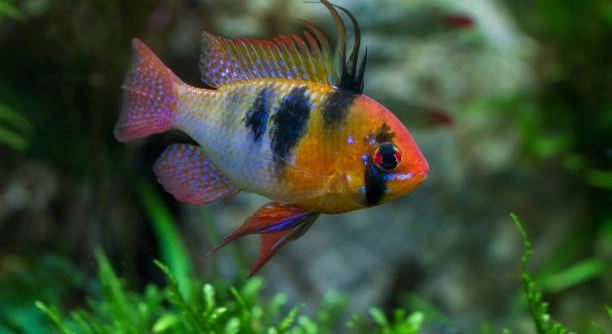
Cichlids are known for their calm and curious behavior, but sometimes they can suddenly become aggressive or erratic. Watching them swim wildly around the tank can be surprising, especially when everything seemed normal before.
Sudden wild behavior in cichlids is often caused by changes in water quality, temperature fluctuations, territorial disputes, or stress from new tank mates. Understanding these triggers can help maintain a stable environment and reduce unexpected aggression.
Observing their movements closely can reveal subtle signs before the behavior escalates. Paying attention to these patterns can help you manage your aquarium more effectively.
Changes in Water Quality
Poor water conditions are one of the main reasons cichlids act wild. Even small amounts of ammonia, nitrites, or nitrates can stress fish, causing sudden bursts of activity or aggression. Sudden changes in pH or hardness can also disturb their comfort level. I noticed once that after skipping a water test for a week, my cichlids started darting around, chasing each other more than usual. Consistent water testing and partial water changes are key. Avoid introducing chemicals or treatments too quickly, as this can shock them further. Temperature swings, even of a few degrees, can make fish hyperactive or restless. Keeping a stable, clean tank helps reduce unexpected behavior. Observing their behavior alongside regular water checks makes it easier to spot problems early. Overfeeding or leftover food can also degrade water quality, indirectly influencing their wild behavior. Maintaining a proper filtration system ensures that waste and debris do not accumulate to harmful levels.
Regular water testing prevents sudden surprises in behavior. It helps keep fish calm and predictable.
Monitoring water quality daily gives you a clear view of what your cichlids need. Consistency and small, regular changes often prevent stress. Understanding their preferences for pH, temperature, and cleanliness helps maintain balance. Fish respond quickly to poor conditions, but they also respond well to steady care. When I began noting readings and keeping them within recommended ranges, my tank became noticeably calmer. Temperature stability matters, especially for sensitive species, as even minor fluctuations can trigger frantic swimming or territorial aggression. Filtration, aeration, and partial water changes should be coordinated to avoid sudden shifts. A well-maintained tank supports natural behavior and reduces stress-driven chaos. Feeding routines and avoiding overfeeding also protect water quality, indirectly calming behavior. By watching both the water and the fish, you can often prevent wild episodes before they begin. Creating a routine for testing, cleaning, and feeding ensures long-term stability. Cichlids thrive in conditions that are predictable and consistent, making wild behavior less frequent.
Territorial Disputes
Cichlids naturally establish territories and may act aggressively when boundaries are challenged.
Territorial conflicts increase when the tank is too small or lacks hiding spots. Fish may chase or nip at others to defend their space.
Adding decorations, plants, or rocks can break sight lines and reduce stress. Proper tank size and careful selection of tank mates are essential. Sometimes rearranging the layout can reset boundaries and calm the group. Observing how fish interact helps identify the most dominant and the most stressed individuals. Pairing aggressive fish with similar-sized or less dominant species can prevent constant chasing. Creating multiple zones in the tank gives each cichlid a sense of ownership. Even small changes, like adding a cave or a tall plant, can reduce confrontations. When conflicts arise, intervening quickly by rearranging territories can prevent injury. Over time, fish often settle into their new hierarchy, and behavior becomes calmer. Being attentive to their interactions ensures that territorial instincts do not lead to chaos.
Sudden Environmental Changes
Cichlids react quickly to changes in their tank. New decorations, rearranged plants, or sudden lighting shifts can trigger erratic swimming and aggression.
Even small adjustments can make fish nervous. I noticed once that after moving a rock formation, my cichlids became restless, chasing each other constantly. They seemed unsure about the new layout, exploring every corner repeatedly. Sudden changes in lighting or shadows can also cause stress, making them hyperactive. Keeping a consistent environment, or making adjustments gradually, helps fish feel secure. Cichlids rely heavily on visual cues and familiar landmarks to navigate their tank. When their surroundings shift too quickly, they may act wild until they re-establish comfort zones. Consistency and slow transitions often prevent prolonged agitation, allowing fish to return to normal behavior within a day or two.
Gradual adjustments reduce stress and allow fish to adapt without sudden aggression.
Observing fish behavior during changes helps identify stress triggers. Consistent, slow modifications prevent ongoing wild activity. Visual landmarks and hiding spots make adaptation easier.
Providing stable conditions, including gentle light changes and careful decoration shifts, keeps cichlids calm. Sudden environmental changes trigger heightened awareness, causing erratic swimming and chasing. When I first introduced a new filter, the sudden water flow made my fish dart constantly. Slowly introducing objects and adjusting water flow allows them to explore without panic. Hiding spaces and consistent lighting help fish feel secure. Even changing the position of a single rock can temporarily disrupt their sense of territory. By observing their reactions closely, I learned which adjustments they tolerate and which cause extended stress. Consistent routines and gentle environmental changes keep cichlids predictable, reducing sudden bursts of wild behavior and improving overall tank harmony.
Health Issues
Illness can make cichlids more active or aggressive. Stress from disease often manifests in sudden darting, loss of color, or unusual chasing.
Poor diet, parasites, or infections can trigger these behaviors. Sick fish may swim frantically or isolate themselves, signaling the need for attention.
I once had a cichlid that started acting erratic after developing a minor parasite infection. Its swimming became jerky, and it constantly chased tank mates. Early detection made treatment easier, restoring normal behavior quickly. Nutritional deficiencies can also affect energy levels, leading to bursts of wild activity. Ensuring a balanced diet with quality food helps prevent this. Observing their appetite, movement, and overall appearance provides early warning signs. Tank conditions that weaken immune systems, like poor water quality or overcrowding, increase vulnerability to illness. Regular checkups, quarantine for new fish, and preventive measures are essential to reduce stress-related health issues. Being proactive keeps cichlids healthy and calmer in the tank.
Overcrowding
Too many cichlids in one tank can lead to constant chasing and sudden aggression. Limited space forces fish to compete for territory and resources, increasing stress and wild behavior.
Overcrowding also reduces water quality faster, adding another layer of tension. Fish become more sensitive to minor changes, and even small movements can trigger rapid swimming or nipping.
Incompatible Tank Mates
Some cichlid species do not get along with others. Mixing aggressive and peaceful fish often leads to constant conflict. I once added a more dominant species to my tank, and the smaller cichlids spent days hiding, darting, or chasing each other. Choosing compatible species and sizes helps maintain calmer behavior and reduces stress for all fish.
Feeding Patterns
Irregular feeding can make cichlids frantic. Fish become overly excited or aggressive when food is unpredictable or scarce.
Why do my cichlids suddenly swim erratically?
Erratic swimming often happens when water conditions change or when they feel stressed. I’ve seen this happen when the temperature drops slightly or after a partial water change. Cichlids rely heavily on stable water chemistry, and even small fluctuations in pH, ammonia, or nitrate levels can trigger frantic movements. Overcrowding or new tank mates can also make them swim unpredictably, as each fish tries to establish territory. Keeping a consistent environment and observing water parameters closely usually calms them within hours.
Why are my cichlids chasing each other more than usual?
Chasing is usually linked to territorial behavior or stress. In my tank, when I introduced new rocks, some fish became very defensive and chased others constantly. Limited space or incompatible species can also increase aggression. Ensuring hiding spots, rearranging decorations, or separating particularly aggressive individuals helps reduce the chasing. Feeding routines play a role too; when food is scarce or offered inconsistently, competition can increase, making chasing more frequent.
Can water temperature affect cichlid behavior?
Yes, sudden temperature changes can make cichlids hyperactive or lethargic. I once noticed my fish darting around after the heater malfunctioned overnight. They became stressed and territorial. Cichlids are cold-blooded, so their metabolism and activity levels depend on water temperature. Keeping the tank within the recommended range and avoiding sudden fluctuations prevents erratic swimming, aggression, and health issues. Using a reliable heater and thermometer ensures stability.
Do cichlids act wild when sick?
Illness can definitely cause unusual behavior. I had a fish that developed a minor parasite infection, and it started swimming frantically and chasing others aggressively. Parasites, infections, or nutritional deficiencies can make fish restless or hyperactive. Observing appetite, coloration, and swimming patterns is important. Early detection and treatment restore normal behavior quickly. Maintaining clean water and a balanced diet helps prevent stress-related illnesses.
How does overcrowding influence cichlid behavior?
Overcrowding increases aggression, chasing, and sudden bursts of activity. When I added too many fish to a medium-sized tank, they constantly swam aggressively and seemed unsettled. Crowded conditions limit territory and increase competition for food and hiding spots. Partial water changes become less effective because waste accumulates faster. Providing proper tank size and avoiding overstocking is essential for calmer, healthier cichlids.
Can tank decorations affect behavior?
Yes, decorations can significantly influence behavior. Rearranging rocks or plants can temporarily stress cichlids, as I learned when moving a tall plant and seeing fish dart and chase each other. Hiding spots, caves, and visual barriers help reduce stress and aggression. Gradual adjustments work best; sudden changes may cause temporary wild behavior until fish feel secure again.
Why do my cichlids act more active during feeding?
Cichlids naturally become excited when food is introduced. In my experience, they dart and chase each other during feeding, especially if they feel the supply is limited. Consistent feeding routines and portion control reduce frantic behavior. Using sinking pellets or spreading food across the tank allows multiple fish to eat at once, preventing stress-driven competition.
How can I calm aggressive cichlids?
Aggression can often be managed by adjusting the tank layout, adding hiding spots, and ensuring compatible tank mates. In my tank, creating separate zones with rocks and plants reduced chasing significantly. Maintaining clean water, proper feeding schedules, and avoiding overcrowding also helps. Occasionally, separating overly aggressive fish temporarily gives others time to settle.
Do environmental changes make cichlids act wild?
Yes, cichlids are sensitive to sudden environmental changes. I noticed that after adjusting the lighting and moving decorations, my fish darted around and showed heightened aggression for a day. Consistent water conditions, familiar visual landmarks, and gradual changes prevent prolonged wild behavior. Observing how they adapt helps plan future modifications with minimal stress.
How long does wild behavior last?
The duration varies depending on the cause. Minor stress or environmental adjustments usually settle within hours to a day. Health issues, overcrowding, or persistent territorial conflicts may last longer. I learned that observing patterns and identifying triggers allows me to intervene early, helping fish return to calm behavior more quickly. Regular care, monitoring water, and thoughtful tank organization shorten the time they act erratically.
What preventive steps reduce sudden wild behavior?
Consistent water testing, gradual environmental changes, proper feeding, and appropriate tank size are key. In my experience, creating hiding spaces, maintaining compatible tank mates, and observing behavior daily prevented most sudden aggression episodes. Preventive measures also include quarantine for new fish and monitoring health regularly to avoid stress-related behavior.
This FAQ covers most causes of sudden wild behavior and provides practical steps to manage or prevent it.
Cichlids are fascinating fish, but their sudden bursts of wild behavior can be stressful to witness. Many factors contribute to these episodes, and often it is a combination rather than a single cause. Water quality is one of the most important elements to maintain. Small changes in ammonia, nitrite, nitrate, or pH levels can make them restless or aggressive. Temperature fluctuations also affect their activity, sometimes making them hyperactive or sluggish. Regular testing and careful adjustments help keep the tank stable. Observing their reactions during water changes or after adding new equipment can give insight into how sensitive they are and how quickly they adapt. Keeping the water clean, filtered, and within recommended ranges is one of the simplest ways to prevent wild behavior. Even minor neglect in maintenance can trigger sudden bursts of activity, so consistency is key.
Territorial disputes and overcrowding play a big role in cichlid behavior. These fish naturally establish hierarchies, and conflicts can arise when the tank is too small or when incompatible species are mixed together. Adding rocks, caves, or tall plants can break sight lines and create separate zones, giving each fish a sense of space. Overcrowding not only increases aggression but also affects water quality, making stress and illness more likely. I’ve noticed that when my tank had too many fish, chasing and darting became constant, and the overall mood of the tank was tense. Gradually reducing crowding and ensuring proper tank size can restore balance and calm. Feeding routines also influence behavior. Consistent meals, portion control, and evenly distributed food prevent competition and reduce stress during feeding times. Attention to these details makes a noticeable difference in behavior and health.
Health and environmental changes are often overlooked but equally important. Illness, parasites, or nutritional deficiencies can make cichlids more active or aggressive. Observing their color, appetite, and swimming patterns can reveal early signs of problems. Sudden changes in the tank, like moving decorations or adjusting lighting, can also trigger temporary wild behavior. Gradual adjustments, stable surroundings, and adequate hiding spots allow them to feel secure. Being proactive, attentive, and consistent makes a big difference in preventing stress-driven episodes. Over time, these small but important practices create a calmer, healthier environment. Watching how cichlids adapt and respond helps you anticipate issues before they escalate. By maintaining proper water conditions, reducing overcrowding, and addressing health and environmental factors, you can enjoy a peaceful, balanced aquarium.

Hello,
If you enjoy the content that we create, please consider saying a "Thank You!" by leaving a tip.
Every little bit helps us continue crafting quality advice that supports the health, happiness, and well-being of pets around the world, for pets of all shapes, sizes, and species.
We really appreciate the kindness and support that you show us!