
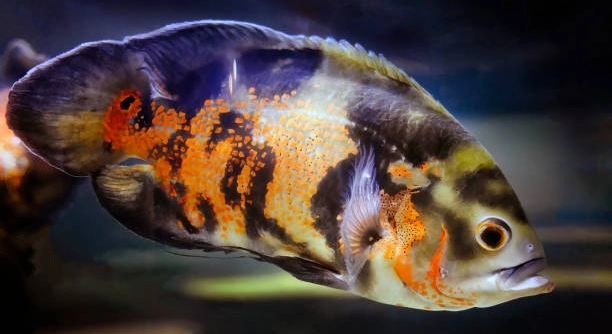
Have you ever noticed your cichlid tank looking a little messy between full cleanings? Maintaining a healthy environment for your fish can feel overwhelming, especially when debris and algae build up in small spots.
Spot-cleaning cichlid tanks involves selectively removing waste, uneaten food, and algae without disturbing the entire aquarium. This practice helps maintain water quality, prevents disease, and supports the well-being of the fish while minimizing stress on their environment.
Learning simple techniques for quick cleaning can make caring for your cichlids easier and more effective, keeping both the fish and the tank in optimal condition.
Choosing the Right Tools for Spot-Cleaning
Using the proper tools makes spot-cleaning cichlid tanks faster and safer for your fish. A small siphon or turkey baster works well for removing debris from tight spaces without disturbing the substrate. Soft brushes can help gently scrub algae from decorations or glass, while avoiding sharp scrapers that may scratch surfaces. Tweezers are useful for removing leftover food stuck between rocks or plants. Having a separate bucket for dirty water helps prevent contamination, and a small net can quickly remove floating debris. Even a simple sponge dedicated to the tank can assist with light cleaning. Consistent use of these tools prevents waste from accumulating and keeps water conditions stable. Choosing tools that are easy to handle and clean ensures that spot-cleaning becomes a regular habit rather than a stressful task. Organizing these tools near your tank also saves time and reduces unnecessary movement around the aquarium.
Keeping dedicated cleaning tools reduces stress on the fish and helps maintain water quality more effectively.
Using the right tools is essential for efficient spot-cleaning. A siphon allows you to remove waste without disturbing gravel, while soft brushes prevent scratches on decorations. Tweezers help pick out food trapped in hard-to-reach areas. Regular maintenance with these tools keeps tanks clean and fish healthy, allowing you to focus on observing your cichlids instead of worrying about debris buildup. Consistent cleaning reduces algae growth, prevents harmful bacteria, and supports a stable environment for your fish. Even small items like a sponge or bucket specifically for the tank can improve hygiene and efficiency. Proper tools make the process smoother and help you maintain a healthy tank without frequent full water changes.
Identifying Spots That Need Cleaning
Certain areas in a cichlid tank are prone to accumulating waste and algae.
Recognizing high-traffic spots helps target cleaning without disturbing the entire tank. Corners, decorations, and the substrate near filters often gather more debris.
Focusing on problem areas ensures that water quality remains stable. Rocks, plants, and tank ornaments often hide uneaten food or algae buildup. Watching your fish can also reveal areas they frequent the most, which may need more attention. Uneven water flow can cause particles to settle in specific spots, creating small pockets of debris. Concentrating on these areas during regular maintenance reduces stress on the fish and minimizes unnecessary water movement. Spot-cleaning targeted locations keeps the tank visually appealing while maintaining a healthy environment. Tracking these areas over time allows you to adjust cleaning frequency and techniques, ensuring consistent care. By paying attention to where waste collects, you can keep your cichlid tank clean without excessive effort, making maintenance more manageable and effective.
Removing Uneaten Food Quickly
Leftover food can decay and harm water quality. Removing it promptly prevents ammonia spikes and keeps fish healthy.
Using a small net or turkey baster makes this task simple. Focus on areas where your cichlids eat the most, usually near the center or bottom of the tank. Uneaten flakes, pellets, or frozen foods can be gently removed without disturbing substrate or decorations. Removing food daily, even in small amounts, keeps the tank cleaner between larger maintenance sessions. Regular observation during feeding helps you spot any leftovers immediately, which reduces stress on the fish and maintains water clarity. Consistent removal prevents buildup that could affect the filter or create algae growth. Over time, this habit keeps your tank more stable, allowing you to enjoy healthier and more active cichlids.
Daily removal of uneaten food prevents water quality issues and keeps fish safe.
Tracking what your fish eat is key. Some cichlids may ignore certain foods, leaving uneaten particles behind. Using tools like tweezers or small nets allows you to extract these pieces efficiently, even from tight spaces between rocks or plants. Quick removal ensures waste doesn’t decompose and produce harmful toxins. It also reduces algae growth caused by leftover nutrients. Observing feeding behavior over time helps you adjust portions and feeding methods. Smaller, more frequent feedings often minimize leftovers. By staying attentive, you maintain cleaner water, healthier fish, and a visually appealing tank, all without a major effort.
Controlling Algae in Targeted Areas
Algae can build up on decorations, glass, and plants, but controlling it in specific spots keeps the tank balanced. Regular monitoring prevents excessive growth.
Soft brushes or sponges gently remove algae without damaging surfaces. Avoid scraping too hard, which can scratch glass or disturb plants. Concentrate on areas with poor water circulation where algae tends to form faster. Using a siphon near algae-covered substrate can also remove loose particles. Observing your cichlids helps identify where algae accumulates, as some fish avoid heavily covered areas. Targeted cleaning reduces overall maintenance while preserving healthy biofilm that fish benefit from.
Maintaining stable water conditions limits algae growth and reduces the need for frequent full cleans. Algae thrives in high light and nutrient-rich areas, so adjusting lighting schedules and avoiding overfeeding also helps. Spot-cleaning algae in targeted areas keeps the tank visually clean while supporting beneficial bacteria on surfaces. Incorporating small tools like brushes, sponges, and siphons allows precise removal without stressing the fish. Regular checks and gentle cleaning prevent overgrowth, keeping decorations and plants healthy. This approach balances visual appeal with a stable aquatic environment.
Cleaning Around Decorations
Debris and algae often gather around rocks, plants, and ornaments. Spot-cleaning these areas keeps the tank tidy without disturbing fish.
Using tweezers or small brushes allows you to remove trapped waste efficiently. Focus on nooks and crevices where food and detritus settle, ensuring cleaner surroundings for your cichlids.
Monitoring Water Parameters
Regularly checking water quality helps maintain a healthy environment. Even minor changes can stress cichlids and encourage algae growth.
Testing for ammonia, nitrite, nitrate, and pH ensures that spot-cleaning efforts are effective. Adjusting water conditions as needed supports stable and safe tank conditions. Consistent monitoring prevents issues before they escalate.
Managing Substrate Debris
Gravel or sand can trap leftover food and waste. Spot-cleaning the substrate reduces harmful buildup and maintains water clarity.
Using a small siphon or vacuum allows targeted cleaning without removing all substrate, preserving beneficial bacteria and keeping the tank ecosystem balanced.
FAQ
How often should I spot-clean my cichlid tank?
Spot-cleaning should be done daily or every other day, depending on how quickly debris accumulates. Uneaten food, fish waste, and algae can appear in small areas even if a full tank cleaning was recently done. Regular attention keeps water quality stable and reduces stress on your fish.
Can I use regular household sponges or brushes?
It’s best to avoid standard household sponges or brushes because they may contain residues or chemicals harmful to fish. Dedicated aquarium-safe brushes and sponges are recommended. Soft-bristled tools prevent scratching glass or decorations while effectively removing algae or trapped debris.
Is it necessary to remove decorations for cleaning?
Not always. Most decorations can be cleaned in place using small brushes, tweezers, or a siphon. Removing items can disturb the tank and stress your cichlids. Only take them out if algae or waste has built up heavily or if the decoration is fragile and difficult to clean while in the tank.
Should I remove substrate during spot-cleaning?
Full substrate removal isn’t required for spot-cleaning. Using a small siphon or vacuum lets you clean targeted areas without disturbing beneficial bacteria. Focus on places where waste or leftover food collects. This approach keeps the tank ecosystem balanced while maintaining cleanliness.
How do I prevent algae from returning quickly?
Algae growth is influenced by light, nutrients, and water conditions. Avoid overfeeding, remove leftover food promptly, and maintain stable water parameters. Adjusting lighting schedules and targeting algae in small areas regularly reduces buildup. Algae-eating fish or snails can also help control growth naturally.
Is it safe to spot-clean while fish are active?
Yes, but proceed gently to avoid stressing them. Use tools carefully and avoid stirring up the water too much. Watching their behavior during cleaning can help you identify areas needing attention without disturbing their routines or causing injury.
Can spot-cleaning replace full water changes?
Spot-cleaning complements but does not replace full water changes. Removing waste from specific areas maintains water quality, but periodic water changes are essential to remove dissolved toxins and replenish minerals. Both practices together create a healthier environment for cichlids.
What tools are best for tight spaces?
Tweezers, small siphons, and turkey basters are ideal for hard-to-reach areas. These tools allow precise removal of food or waste around rocks, plants, and decorations. Soft brushes can also clean corners or algae-covered surfaces without damaging the tank or harming fish.
How do I know which areas to prioritize?
Observe your cichlids’ feeding and swimming patterns. Corners, substrate near filters, and dense decorations tend to accumulate more waste. Regular inspection of these spots ensures that cleaning efforts target the areas most in need, keeping water quality stable.
Can spot-cleaning stress my cichlids?
If done carefully, spot-cleaning is minimally stressful. Sudden movements or aggressive cleaning can scare fish. Using gentle tools and working slowly helps maintain a calm environment. Over time, cichlids become accustomed to these brief maintenance sessions, reducing their stress levels significantly.
Is it necessary to wear gloves while cleaning?
Gloves are optional but can protect both you and the fish. They prevent contact with bacteria in the tank and reduce the risk of contaminating water with lotions or soaps. Gloves also provide better grip when handling tools or decorations.
How long does a typical spot-cleaning session take?
A session can take anywhere from five to fifteen minutes depending on tank size and debris amount. Small, regular sessions are easier to manage than infrequent, extensive cleanings. Consistency keeps the tank clean and reduces effort over time.
Are there any shortcuts for spot-cleaning?
Using dedicated tools, observing feeding habits, and targeting problem areas are the most effective shortcuts. Avoid full tank disturbance unless necessary. Regular attention and proper organization of cleaning tools make spot-cleaning faster and more efficient without compromising fish health.
Can I use chemical cleaners for spot-cleaning?
No. Chemical cleaners can be toxic to fish even in small amounts. Only use aquarium-safe products or tools specifically designed for fish tanks. Plain water and mechanical removal methods are safest for maintaining a healthy tank.
How do I maintain consistency with spot-cleaning?
Set a schedule, such as daily or every other day, and keep all necessary tools nearby. Observing your fish and prioritizing areas that accumulate waste makes the process routine and manageable. Consistency ensures cleaner water and healthier, more active cichlids over time.
What if my cichlids are aggressive during cleaning?
Aggressive cichlids may be stressed or territorial. Move slowly, avoid sudden water movement, and focus on small, specific areas at a time. Using tools to clean around decorations without reaching directly into their space reduces conflict. Over time, they adjust to your presence during maintenance.
Can spot-cleaning help prevent diseases?
Yes. Removing waste and leftover food reduces the growth of harmful bacteria and algae, lowering the risk of disease. Maintaining stable water conditions and targeting problem areas consistently supports overall fish health, preventing infections and stress-related illnesses.
Is it necessary to clean filters during spot-cleaning?
Filters should be maintained separately from spot-cleaning. Spot-cleaning removes debris around the tank, while filters handle water circulation and biological filtration. Regular filter checks complement cleaning efforts but are not part of daily spot-cleaning routines.
How do I avoid disturbing the substrate too much?
Use small siphons or gentle suction in targeted areas. Avoid stirring the substrate unnecessarily. Focusing on localized spots reduces debris movement, keeps beneficial bacteria intact, and minimizes stress for cichlids living near the bottom.
What should I do if debris keeps accumulating quickly?
Check feeding amounts and water flow. Uneaten food, overcrowding, or poor circulation can cause rapid waste buildup. Adjust feeding practices, redistribute decorations for better flow, and clean frequently to maintain a healthier, cleaner tank.
Are there any tips for maintaining decorations long-term?
Regular spot-cleaning prevents algae and waste from forming thick layers. Using soft brushes, gentle tools, and avoiding harsh chemicals preserves colors and textures. Rotating or removing decorations periodically for a deeper clean also helps maintain a visually appealing tank.
How important is observation during spot-cleaning?
Observation is critical. Noticing where fish interact, eat, or hide helps identify debris-prone areas. Careful observation allows targeted cleaning, reduces unnecessary disturbance, and ensures you address issues before they affect water quality or fish health.
Can I train my fish to eat in one spot?
Yes. Feeding in the same location encourages fish to gather there, making it easier to remove leftover food from other areas. This method reduces debris spread and supports more efficient spot-cleaning, keeping the tank cleaner with less effort.
How do I know if I am over-cleaning?
Over-cleaning can disturb beneficial bacteria or stress fish. If water clears too quickly or substrate is constantly agitated, it may indicate excessive cleaning. Focus on targeted spots, avoid full tank disturbance, and maintain consistency without overdoing the process.
Is spot-cleaning suitable for all cichlid species?
Spot-cleaning is effective for most freshwater cichlids. Aggressive or territorial species may require careful handling, but the general principles of removing waste, algae, and leftover food apply broadly. Adjust techniques according to species behavior and tank setup.
Can spot-cleaning reduce the frequency of full tank maintenance?
Yes, it helps maintain cleanliness between larger water changes. Targeted cleaning keeps water stable, reduces algae growth, and prevents waste buildup, making full maintenance easier and less stressful for fish.
What is the best time of day for spot-cleaning?
Morning or early afternoon works well because fish are usually active but less stressed. Cleaning during peak activity helps identify debris locations and reduces sudden disturbance during resting periods. Consistency in timing also makes maintenance routine and predictable.
Are there benefits to using live plants during spot-cleaning?
Live plants absorb nutrients, limiting algae growth and helping maintain cleaner water. Spot-cleaning around plants prevents trapped debris while supporting healthy plant growth. Observing plant areas during maintenance ensures both plant and fish health are preserved.
How do I clean hard-to-reach corners?
Use small brushes, siphons, or tweezers for tight spots. These tools allow precise debris removal without disturbing the fish or substrate. Regular attention to corners prevents buildup and keeps the tank visually clean.
Can spot-cleaning improve fish behavior?
Yes. Cleaner tanks reduce stress and disease risk, which often improves activity levels, feeding habits, and overall fish health. Fish are more likely to display natural behaviors when their environment is well-maintained and free of excess debris.
How should I handle algae-eating fish during cleaning?
Algae-eaters can be temporarily moved to less busy areas or allowed to continue feeding while you clean around them. Gentle cleaning ensures they are not harmed and allows debris and algae removal without conflict.
What is the recommended tool maintenance?
Rinse and dry brushes, tweezers, siphons, and sponges after each use. Avoid soap or chemicals that may leave residues. Proper tool care ensures hygiene, prolongs lifespan, and prevents contamination of the tank during future spot-cleaning.
How do I balance spot-cleaning with full tank care?
Spot-cleaning handles daily debris, while full tank care addresses water changes, filter cleaning, and deep substrate maintenance. Consistently doing both keeps the tank healthy, water quality stable, and cichlids thriving, reducing long-term maintenance stress.
Can I combine spot-cleaning with feeding routines?
Yes. Observing leftover food after feeding is an effective time to perform spot-cleaning. This approach targets waste accumulation immediately, prevents nutrient buildup, and integrates maintenance into your regular care routine efficiently.
What should I do if algae persists despite spot-cleaning?
Adjust lighting, reduce feeding, and improve water circulation. Persistent algae may indicate nutrient imbalance or excess light. Consistent spot-cleaning alongside these adjustments keeps algae manageable while maintaining water quality.
Is it necessary to document spot-cleaning sessions?
Keeping a log helps track debris-prone areas, feeding amounts, and water parameters. Documentation allows you to notice trends, adjust cleaning frequency, and ensure your tank stays consistently healthy over time.
Can spot-cleaning help with breeding tanks?
Yes. Removing waste and algae prevents harmful bacteria from affecting eggs or fry. Maintaining cleanliness in targeted areas ensures safer conditions for breeding cichlids while reducing stress on adults.
How do I handle multiple tanks efficiently?
Use separate tools for each tank to prevent cross-contamination. Organize tools and follow a consistent cleaning routine. Targeted spot-cleaning across multiple tanks reduces overall maintenance time and keeps all environments healthy.
What if my tank has both cichlids and snails or shrimp?
Be mindful of invertebrates while cleaning. Use gentle tools and avoid disturbing areas where they hide. Spot-cleaning can coexist with these species, but extra care ensures their safety and continued contribution to tank cleanliness.
Are there any seasonal considerations for spot-cleaning?
Warmer months can accelerate algae growth and waste decomposition. Adjust cleaning frequency accordingly. Cooler periods may require less frequent attention, but monitoring remains essential to maintain water quality and fish health consistently.
How do I prevent leftover food from sinking too deep?
Feed in small amounts and observe consumption closely. Spot-clean immediately after uneaten food settles. Using feeding rings or target feeding techniques reduces food spread and simplifies cleaning efforts.
Can spot-cleaning improve water clarity?
Yes. Removing debris and waste from specific areas prevents cloudiness and maintains transparency. Regular attention keeps water visually appealing and healthier for your cichlids.
Is spot-cleaning safe for young or delicate cichlids?
When done carefully, yes. Avoid rapid movements or disturbing the substrate near fry. Gentle techniques maintain cleanliness while minimizing stress for younger or smaller fish.
How do I integrate spot-cleaning into weekly maintenance?
Spot-cleaning handles daily debris, while weekly maintenance includes water changes, filter inspection, and deeper substrate care. Together, they maintain a balanced and healthy tank environment efficiently.
What is the most common mistake in spot-cleaning?
Over-disturbing the tank or ignoring tight spots leads to incomplete cleaning. Focused, gentle efforts targeting high-accumulation areas are most effective. Avoiding harsh tools or excessive water movement prevents stress and preserves beneficial bacteria.
Can I train myself to notice early signs of waste accumulation?
Yes. Observing fish behavior, feeding patterns, and water clarity regularly helps identify areas needing cleaning early. This skill improves efficiency and reduces the need for more extensive interventions later.
How important is consistency in spot-cleaning?
Consistency prevents waste buildup, maintains water quality, and reduces stress on cichlids. Regular, targeted cleaning supports a stable environment, promoting healthier fish and a visually clean tank.
What should I do if my cichlids hide during cleaning?
Move slowly and work in small sections. Avoid sudden movements or splashing. Hiding is natural, and gentle, patient cleaning ensures minimal stress while keeping the tank clean.
Can spot-cleaning help with pH and nitrate control?
Indirectly, yes. Removing waste reduces decomposition, which can impact nitrate and pH levels. While spot-cleaning alone doesn’t regulate chemistry entirely, it supports a more stable environment alongside water testing and full maintenance.
Are there any long-term benefits to regular spot-cleaning?
Yes. Consistent spot-cleaning improves water quality, reduces algae growth, minimizes disease risk, and creates a healthier habitat. It also reduces the workload of full cleanings, making long-term tank maintenance easier and more efficient.
How do I balance cleaning efficiency with fish comfort?
Work in small sections, use gentle tools, and avoid excessive water movement. Observing fish behavior ensures cleaning is effective without causing unnecessary stress or disruption to their environment.
Can spot-cleaning reduce odor from the tank?
Yes. Removing decomposing food, waste, and algae minimizes odor buildup. Regular attention to debris-prone areas keeps the tank smelling cleaner and supports overall water quality.
Is spot-cleaning effective for both freshwater and brackish cichlids?
Yes. The principles of removing waste, uneaten food, and algae in targeted areas apply to both freshwater and brackish setups. Adjustments may be needed for specific water parameters, but the overall method is consistent.
How do I ensure my tools remain hygienic between uses?
Rinse thoroughly in clean water, avoid soap or chemicals, and allow them to air dry. Dedicated tools for each tank prevent cross-contamination and maintain a safe environment for your cichlids.
Can I combine spot-cleaning with algae-eating devices or magnets?
Yes. Algae magnets or scrapers can complement spot-cleaning, targeting glass surfaces while you handle substrate and decoration areas. This combination improves efficiency without stressing fish.
How do I maintain motivation for regular spot-cleaning?
Keeping tools accessible, observing visible improvements, and integrating cleaning with feeding or daily routines helps maintain consistency. Recognizing the benefits to water quality and fish health reinforces the habit.
Are there any risks if I neglect spot-cleaning?
Yes. Debris accumulation can lead to ammonia spikes, algae overgrowth, poor water clarity, disease, and stressed fish. Regular spot-cleaning prevents these issues and supports a healthier tank environment consistently.
What is the easiest way to start a spot-cleaning routine?
Set aside a few minutes each day, keep all necessary tools nearby, and focus on small, targeted areas. Starting simple builds consistency and gradually becomes part of your regular tank maintenance routine.
How do I handle accidental removal of beneficial bacteria?
Avoid aggressive substrate cleaning. Beneficial bacteria mostly reside in filters and stable surfaces. Gentle spot-cleaning in targeted areas minimizes the risk, keeping the ecosystem balanced while removing waste effectively.
Can I rely on spot-cleaning alone for a large tank?
Spot-cleaning helps, but large tanks still require full water changes and filter maintenance. Regular spot-cleaning makes full cleanings easier, but it cannot replace them entirely for maintaining proper water quality.
How do I track which areas need more attention?
Observe where waste accumulates most frequently, noting feeding spots, corners, and decoration nooks. Keeping a simple log or mental note helps target these areas during each session for more efficient cleaning.
Does spot-cleaning help with fish coloration?
Yes. Cleaner water and reduced stress contribute to healthier fish, which can enhance natural coloration. Regular debris removal prevents conditions that might dull or stress your cichlids.
What should I do if algae grows back quickly after cleaning?
Review lighting schedules, feeding habits, and nutrient levels. Persistent algae may require slight adjustments to tank conditions. Spot-cleaning, combined with careful monitoring, helps manage regrowth efficiently without overdoing maintenance.
How do I balance cleaning with fish feeding schedules?
Perform spot-cleaning shortly after feeding, once leftover food is visible. This timing targets debris effectively without disturbing feeding routines and reduces the risk of waste decomposing in the tank.
Are there any signs I am not cleaning effectively?
Cloudy water, persistent algae, and leftover food buildup indicate ineffective spot-cleaning. Adjusting focus on problem areas, using proper tools, and maintaining consistent routines improves results and water quality.
How does spot-cleaning affect overall tank aesthetics?
Removing debris, algae, and leftover food improves clarity and visual appeal. Decorations and substrate remain clean, allowing the tank to look well-maintained without frequent full cleanings.
Can I delegate spot-cleaning to someone else?
Yes, but ensure they understand proper techniques, tool use, and fish behavior. Consistency and gentle handling are key to maintaining a healthy environment while preventing stress or accidental harm.
Is spot-cleaning more important than filter maintenance?
Both are important. Spot-cleaning targets visible debris and waste, while filters maintain water quality and biological balance. Together, they create a stable environment, but one cannot replace the other.
How do I maintain motivation for long-term spot-cleaning habits?
Seeing visible results, maintaining organized tools, and integrating cleaning into daily routines reinforce the habit. Recognizing its benefits for fish health and water clarity makes it easier to continue consistently.
What is the impact of overfeeding on spot-cleaning?
Overfeeding increases leftover food, which accelerates waste accumulation and algae growth. Spot-cleaning becomes more frequent and time-consuming. Controlling feeding portions reduces debris and makes maintenance easier.
Can spot-cleaning help with tank odor?
Yes. Removing uneaten food and decaying waste prevents foul smells. Regular attention to debris-prone areas ensures a cleaner-smelling tank and healthier fish.
Are there seasonal differences in debris accumulation?
Warmer months can increase algae growth and decomposition, requiring more frequent spot-cleaning. Cooler months may slow these processes, but regular monitoring is still essential to maintain water quality and fish health.
How do I know if spot-cleaning is effective?
Clear water, minimal algae, reduced waste accumulation, and healthy fish indicate
Spot-cleaning a cichlid tank is a small but important part of maintaining a healthy aquarium. By focusing on specific areas where waste, uneaten food, and algae collect, you can keep the tank cleaner between full water changes. Regular spot-cleaning helps prevent the buildup of harmful substances, such as ammonia and nitrites, which can stress fish or cause illness. It also reduces algae growth, which can make the tank look untidy and compete with fish for nutrients. Even a few minutes a day spent removing debris from corners, decorations, or substrate can make a noticeable difference in water clarity and overall tank hygiene. Consistency is key, and developing a routine will make spot-cleaning a natural part of caring for your cichlids.
Using the right tools is important for effective spot-cleaning. Small siphons, tweezers, soft brushes, and turkey basters allow you to reach tight spaces without disturbing the tank or stressing the fish. Dedicated cleaning tools ensure that no harmful chemicals or residues enter the water. By observing where your cichlids spend most of their time, you can identify areas that require more attention. Corners, densely decorated spots, and areas near filters often collect the most waste. Paying attention to these locations makes cleaning faster and more efficient. Spot-cleaning also helps maintain the beneficial bacteria in the tank, which are essential for a balanced ecosystem. Gentle cleaning prevents disrupting the substrate too much, keeping the tank stable while removing harmful debris. Over time, these small efforts add up, making the tank easier to manage and keeping fish healthier.
Spot-cleaning complements other maintenance tasks, such as full water changes and filter cleaning, but it should not replace them. It allows you to target immediate issues before they become bigger problems, reducing stress on the fish and helping maintain stable water conditions. Observing your cichlids regularly during cleaning also provides insight into their behavior and feeding patterns, helping you identify areas that accumulate waste quickly. The process supports a visually clean environment while promoting the overall health of your aquarium. By establishing a consistent spot-cleaning routine, you can enjoy a balanced, well-maintained tank with active, healthy cichlids. Small, regular efforts in cleaning make long-term maintenance simpler, and they help prevent problems that can arise from neglect. Over time, your tank will remain cleaner, clearer, and more stable, creating a better habitat for your fish and a more enjoyable experience for you.

Hello,
If you enjoy the content that we create, please consider saying a "Thank You!" by leaving a tip.
Every little bit helps us continue crafting quality advice that supports the health, happiness, and well-being of pets around the world, for pets of all shapes, sizes, and species.
We really appreciate the kindness and support that you show us!