
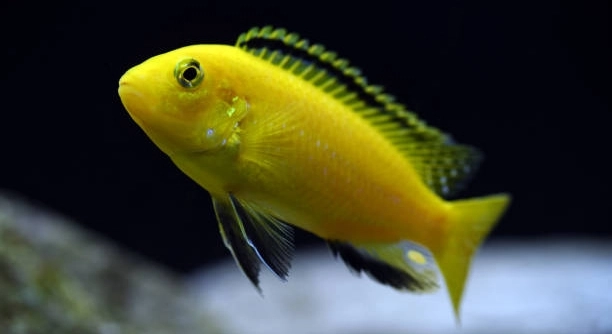
Many aquarists enjoy raising convict fry, fascinated by their patterns and growth. Watching them develop alongside parents can be rewarding. The dynamics in a tank with both adults and fry create unique learning opportunities for beginners and experts alike.
Keeping convict fry with their parents can be feasible under careful observation and proper tank conditions. Adult convicts may exhibit some aggression, but sufficient hiding spaces and dense vegetation reduce risks and support fry survival during early stages.
Managing your tank carefully ensures fry safety while observing natural behaviors. There are practical strategies to balance protection and parental interaction for optimal growth.
Understanding Convict Fry Behavior
Convict fry are small but active fish that grow quickly when conditions are right. They naturally hide near plants, rocks, or any shaded areas to feel safe. Parents may show aggression, especially when fry are very young, but not all adults attack. Observing their interactions helps you notice signs of stress or aggression early. Providing enough space in the tank reduces competition and allows fry to explore without constant fear. Feeding them small amounts frequently encourages growth and keeps adults from being overly territorial. Fry also respond well to live or finely crushed foods, which mimic natural conditions. Monitoring water quality is equally important, as poor conditions can weaken fry, making them more vulnerable. Using gentle filtration and keeping the temperature stable creates a supportive environment. Over time, fry begin to swim confidently around the tank, learning to feed efficiently while staying alert to adult movements.
Parents can coexist with fry if the tank setup supports separation and hiding spots effectively.
Maintaining a balanced environment benefits both fry and adults. The right combination of plants, decorations, and controlled feeding ensures fry develop safely. Observing behavior over several weeks helps you determine if separation is necessary or if coexistence is stable. Adjustments to the tank, such as adding more hiding areas or rearranging structures, can reduce stress and prevent accidental attacks. Fry that grow in a secure environment show healthier coloration and activity, and parents remain less aggressive when they feel the tank is sufficient for all inhabitants. Regular monitoring of water parameters and careful feeding schedules keep aggression low while supporting rapid fry growth. By understanding behavior patterns and creating a safe, structured environment, you can maintain a tank where both adults and fry thrive together with minimal conflict.
Setting Up the Tank
Providing hiding spaces is essential for fry safety and comfort. Dense plants, rocks, or artificial shelters give them secure areas to explore and rest.
A proper tank setup balances adult territory needs and fry protection. Plants, caves, and floating decorations act as shields. Fry can hide without being isolated entirely. Adults benefit from defined areas, reducing stress and aggression. Positioning feeding spots away from fry shelters helps manage competition. Consistent water changes and careful filtration prevent debris buildup, maintaining health for both adults and fry. Observing behavior after setup allows fine-tuning to avoid overcrowding or aggression. Adjusting decorations over time can improve safety as fry grow. A well-structured tank ensures fry survival while adults maintain natural behaviors, creating a stable environment that supports growth, learning, and minimal conflict between all inhabitants. Proper lighting and moderate water flow further encourage exploration and feeding. Over several weeks, fry learn to navigate the space efficiently, and adults gradually accept their presence without constant territorial disputes. This careful planning is key to keeping both generations healthy and active.
Feeding Convict Fry
Fry need frequent, small meals to grow properly. Finely crushed flakes, baby brine shrimp, or powdered foods are ideal. Adults may eat faster, so feeding in multiple spots helps fry get their share.
Monitoring fry feeding ensures they get enough nutrients while adults remain satisfied. Overfeeding can dirty the tank quickly, so provide small amounts two to three times daily. Live foods stimulate natural hunting behaviors and improve growth. Observing which fry struggle to feed helps identify any weak or slower fish early. Adjusting the feeding method over time, such as sprinkling food closer to hiding areas, ensures all fry can access meals safely.
Different foods offer unique benefits. Protein-rich options like baby brine shrimp boost growth, while flake or powdered foods provide essential vitamins. A balanced diet encourages healthy coloration and immune strength. Varying food types prevents selective feeding habits and keeps fry active and curious. Adults may occasionally compete for food, so maintaining separate feeding zones or scattering food widely reduces aggression. Tracking fry growth weekly helps evaluate diet effectiveness, allowing gradual improvements. Consistency in feeding schedule also stabilizes behavior and minimizes stress, ensuring fry remain active, healthy, and ready to explore their environment as they develop.
Managing Aggression
Adults may chase or nip fry, especially during breeding. Providing hiding spots and visual barriers reduces direct confrontation and stress for young fish.
Separation isn’t always necessary if tank conditions are ideal. Dense vegetation, caves, and floating plants give fry places to escape and adults defined territories. Observing daily behavior identifies aggressive adults early. If aggression increases, partial barriers or temporary separation can prevent harm. Regular monitoring ensures fry are feeding and growing without constant harassment. Overcrowded tanks heighten stress, so adjusting adult numbers or tank layout may be needed to maintain harmony.
Stress from aggression affects fry growth and survival. When adults display territorial behavior, fry may hide excessively, limiting feeding and activity. Introducing sufficient cover allows natural behaviors without endangering fry. Rearranging decorations periodically prevents adults from monopolizing areas, reducing constant threats. Maintaining optimal water quality also reduces stress-induced aggression, as poor conditions can trigger heightened territorial instincts. Gradual acclimation of fry to adult presence strengthens confidence and reduces panic swimming. Consistent observation ensures interventions are timely, protecting fry while allowing adults to retain normal behaviors, creating a safer, balanced tank environment.
Water Quality and Temperature
Stable water conditions are essential for fry survival. Sudden changes in temperature or pH can stress fry and adults alike, increasing aggression and vulnerability to disease. Regular monitoring keeps the environment safe.
Maintaining a consistent temperature between 78-82°F supports fry growth. Frequent water changes and gentle filtration prevent harmful waste buildup. Clean water encourages active feeding and healthy development, reducing stress-related behavior in both fry and parents.
Tank Size Considerations
A larger tank allows adults and fry to coexist safely. Space reduces competition for food and territory while providing room for hiding spots and exploration. Properly sized tanks also make monitoring and maintenance easier, supporting overall tank health and fry survival.
Breeding Cycles
Convict cichlids may breed multiple times a year. Fry survival often depends on adult behavior during these cycles. Planning for additional hiding spots and extra food during breeding helps manage tank dynamics effectively.
Observation Tips
Regular observation helps detect early signs of stress or aggression. Watching fry behavior ensures timely adjustments in feeding, tank layout, or adult separation to maintain a balanced environment.
FAQ
How long should convict fry stay with their parents?
Fry can stay with parents for a few weeks, usually around 3 to 4 weeks, depending on tank conditions and adult behavior. During this time, they are learning to feed, swim, and avoid potential aggression. Close monitoring is essential to ensure fry are not stressed or injured. Once fry are large enough to evade adults and feed independently, separation may no longer be necessary.
Can all adult convicts coexist with fry?
Not all adults tolerate fry. Some may become highly territorial, especially near breeding sites. Observing behavior is important; adults that chase, nip, or trap fry require intervention. Using tank decorations, hiding spots, and partial barriers can help reduce aggression. In cases of severe hostility, temporarily separating fry ensures survival without disrupting the tank’s social structure.
What is the best food for convict fry?
Protein-rich foods like baby brine shrimp or finely crushed flakes are ideal. Powdered fry foods and micro pellets also work well. Feeding small amounts multiple times a day ensures fry get enough nutrition while adults remain satisfied. Rotating food types encourages balanced growth, better coloration, and immune strength. Feeding near hiding areas allows slower or weaker fry to access food safely.
How often should water be changed for fry tanks?
Frequent water changes are critical for fry health. Replacing 20-25% of tank water weekly maintains water quality and prevents harmful buildup of ammonia and nitrates. Gentle filtration prevents fry from being sucked into filters. Monitoring water parameters such as temperature, pH, and hardness ensures a stable environment for both fry and adults.
Do fry need hiding spaces immediately?
Yes, hiding spaces are essential from the start. Dense plants, rocks, and small caves allow fry to feel safe and reduce stress from adult interactions. Hiding spots also support natural exploration and feeding behaviors. Over time, fry learn to move confidently between cover and open areas, developing survival skills in a low-risk environment.
When should fry be separated from adults?
Separation is needed if adults become aggressive, fry are not feeding properly, or if overcrowding occurs. Temporary barriers, separate rearing tanks, or breeder boxes can protect fry while allowing adults to maintain normal behavior. Once fry are strong, large, and able to avoid adults, they can safely rejoin the main tank if desired.
Can fry survive without parents?
Yes, fry can survive without parents if the tank is properly set up. Adequate hiding spots, frequent feeding, and careful water management are key. Some aquarists raise fry entirely in grow-out tanks, which reduces risks from aggression but removes the benefit of observing natural parental behaviors.
How fast do convict fry grow?
Growth varies depending on food, water quality, and tank conditions. Under optimal conditions, fry double in size every few weeks. Protein-rich diets and stable temperatures accelerate development. Monitoring growth weekly helps identify weak fry that may need extra care or protection from adults.
Can adults eat their fry?
Yes, adults may eat fry if they feel stressed, overcrowded, or if food is insufficient. Dense cover and frequent feeding reduce the risk. Observing behavior during the first weeks is critical to prevent losses and ensure fry have safe spaces to grow.
What tank size is recommended for raising fry with parents?
A tank of at least 20 gallons is recommended for small groups, with larger tanks preferred as fry and adults grow. Space reduces aggression, allows multiple hiding spots, and supports proper feeding. Overcrowding can increase stress and mortality, so tank size is a crucial factor for successful fry rearing.
How do I know fry are healthy?
Healthy fry are active, feed regularly, and show consistent growth. Clear eyes, vibrant coloration, and smooth swimming indicate good health. Signs of illness or stress include lethargy, clamped fins, or erratic swimming. Monitoring daily ensures issues are addressed early, maintaining a thriving tank environment for fry and adults alike.
Are there any signs that adults are ready to spawn again?
Adults may clean surfaces, pair off, or become more territorial, especially near nesting areas. Increased aggression toward other fish or more frequent feeding behavior may indicate readiness. Preparing extra hiding spots and monitoring existing fry ensures new offspring can coexist safely without risking older fry.
What is the ideal temperature range for fry and parents?
A stable temperature between 78-82°F supports growth and reduces stress. Sudden fluctuations can trigger aggression and weaken fry. Using a reliable heater and thermometer helps maintain consistent conditions. Temperature stability also encourages normal parental behavior and feeding routines, keeping the tank environment balanced for all fish.
How can I reduce stress in the tank?
Stress is reduced by maintaining stable water parameters, providing hiding spots, spacing out feeding areas, and limiting overcrowding. Minimizing sudden movements near the tank and observing behavior daily helps prevent panic. Stress management improves fry survival and keeps adult convicts calmer, supporting overall tank harmony.
Is it necessary to separate fry by size?
Separating by size is only needed if smaller fry are being bullied or outcompeted for food. Otherwise, mixed groups can coexist with sufficient cover. Watching interactions ensures no fry are left vulnerable. Size-based separation helps prevent slower fry from starving or being injured by more dominant siblings.
How long do parents typically guard fry?
Parental guarding usually lasts 2-4 weeks. During this period, parents protect fry from threats and guide them to food sources. As fry grow and become more independent, parental supervision naturally decreases. Observing interactions ensures fry remain safe while adults gradually resume normal behavior.
Can tank decorations influence fry survival?
Yes, decorations play a major role. Rocks, caves, and plants create barriers that reduce adult-fry conflict and provide hiding spots. Floating plants can break lines of sight, calming territorial adults. Proper arrangement allows fry to explore safely while adults maintain defined territories, improving survival rates and overall tank harmony.
What is the best way to introduce new fry into an established tank?
Gradual introduction reduces stress. Using a breeder box or netted divider allows fry to observe adults without direct contact. Once fry are strong and able to feed on their own, they can be released carefully. Observing interactions for a few hours after introduction ensures minimal aggression and smooth integration.
Can I use chemical treatments in a fry tank?
Chemical treatments should be avoided unless necessary, as fry are highly sensitive. If treatment is needed for disease, use fry-safe options at recommended doses. Always quarantine sick fry separately to prevent harming healthy fish or disrupting parental care. Prevention through clean water and proper feeding is usually safer.
How important is lighting for fry development?
Moderate lighting helps fry explore, find food, and establish natural behaviors. Too bright or harsh lighting can stress fry, while too dim lighting reduces activity and feeding efficiency. Providing shaded areas allows fry to control exposure, promoting healthy growth while maintaining a calm environment with adults.
Can fry and other fish species coexist with convict fry?
Some species may coexist if they are peaceful and do not compete for the same territory or food. Avoid aggressive or predatory species, as fry are small and vulnerable. Proper tank size, hiding spaces, and feeding distribution are critical to ensure coexistence without risk to fry.
How often should fry growth be monitored?
Weekly monitoring of size, activity, and feeding ensures fry are developing properly. Noting slow-growing or weak individuals helps you take early action, such as providing extra food or temporary protection. Consistent observation allows adjustments to tank setup, feeding, or parental interactions to maximize survival and health.
What are common mistakes when raising fry with parents?
Overcrowding, insufficient hiding spots, irregular feeding, and poor water quality are frequent mistakes. Ignoring aggressive adults or failing to monitor behavior can lead to fry losses. Proper planning, daily observation, and timely intervention prevent these issues and support successful fry development in a mixed tank.
Can fry survive on flake food alone?
Flake food alone may work for a short time, but protein-rich foods like baby brine shrimp or powdered fry foods support faster growth and stronger health. A combination of flake and live or powdered food ensures fry receive essential nutrients for proper development.
Are there signs that fry are stressed?
Stressed fry may hide excessively, swim erratically, refuse food, or show pale coloration. Early detection allows adjustments in tank conditions, hiding spots, or feeding practices. Reducing stress improves growth rates, reduces vulnerability to disease, and helps fry coexist safely with adults.
How do I handle fry that fall behind in growth?
Slower fry may need separate feeding or additional hiding spaces to reduce competition. Ensuring they receive enough food and protection from adult aggression improves survival. Occasionally, transferring the weakest fry to a separate grow-out tank can boost their chances without disrupting the main group.
What is the role of parents after fry reach independence?
Once fry are capable of feeding and swimming efficiently, parents reduce supervision. Adults may still patrol the tank but generally leave fry alone. Observing this transition ensures fry continue developing safely, allowing adults to return to normal behavior without risking fry safety.
Can I leave fry in the tank after multiple spawning cycles?
Yes, with proper management. Extra hiding spots, ample food, and monitoring of adult aggression are essential. Overlapping fry generations require careful observation to prevent overcrowding, ensure adequate nutrition, and maintain water quality for all fish in the tank.
How can I tell when fry are ready to leave hiding spots?
Fry that actively explore, feed efficiently, and swim confidently show they are ready. Gradually reducing the number of temporary shelters or opening up areas encourages independence. Monitoring behavior ensures fry do not leave cover too early, maintaining safety while promoting development.
Is it better to use live plants or artificial plants for hiding?
Both work, but live plants provide natural cover, improve water quality, and encourage exploration. Artificial plants can be shaped to create tight hiding spaces and are easy to clean. A mix of both often offers the best balance between practicality and natural behavior support.
How do I prevent adults from eating newly hatched fry?
Provide dense cover, scatter food frequently, and monitor behavior during the first few days. Using breeder boxes or partial barriers can temporarily protect fry. Gradually integrating fry into open areas as they grow reduces risk while allowing parents to maintain normal interactions.
Can fry learn from parents?
Yes, fry observe feeding behavior, hiding strategies, and territory awareness from adults. This learning period supports faster development and helps fry adapt to the tank environment. Ensuring safety while allowing observation encourages natural growth and behavior patterns.
Are there signs of illness unique to fry?
Fry may show sluggish movement, bloating, discoloration, or fin damage. Early signs are easier to manage than advanced illness. Quarantine, targeted feeding, and careful observation prevent disease from spreading to other fry or adults in the tank.
How long does it take for fry to reach juvenile size?
Typically, fry reach juvenile size in 6-8 weeks under optimal conditions. Growth depends on food, water quality, temperature, and stress levels. Consistent care ensures faster development, better health, and stronger survivability in the tank.
Can I raise fry entirely without adults?
Yes, grow-out tanks are a common method. Providing hiding spaces, frequent feedings, and stable water conditions allows fry to thrive without parental supervision. This method reduces risk of aggression but removes the opportunity to observe natural parental behaviors.
What is the best filtration method for a fry tank?
Gentle sponge filters or low-flow filters work best. They maintain water quality without sucking up fry. Proper filtration reduces ammonia buildup, prevents oxygen depletion, and supports a healthy tank environment for both fry and adult fish.
How important is consistency in care?
Consistency in feeding, water changes, and observation is critical. Fry respond poorly to sudden changes, which can lead to stress, slower growth, or disease. Regular routines create a stable environment, allowing both fry and adults to thrive.
Can overcrowding affect fry survival?
Yes, overcrowding increases aggression, competition for food, and waste buildup. Maintaining proper tank size, reducing adult numbers, and providing sufficient hiding spots prevent overcrowding and improve survival rates.
Is it necessary to monitor fry individually?
Individual monitoring is helpful for identifying weak or slow-growing fry. While daily observation of the group is sufficient, noting behavior and growth of specific fry ensures timely interventions, protecting vulnerable fish without disturbing the entire tank.
How do I balance feeding adults and fry?
Feed multiple spots simultaneously and vary food types. Adults may dominate feeding areas, so scattering food near hiding spots ensures fry get enough nutrition. Observing interactions allows adjustments in food distribution to maintain balance.
What are the long-term benefits of keeping fry with parents?
Fry learn natural behaviors, explore their environment safely, and benefit from parental guidance. Adults maintain normal territorial instincts while fry gain survival skills. With careful management, this setup creates a more natural and dynamic tank ecosystem that supports healthy fish development.
Can I use nets to protect fry?
Nets can be used temporarily but may stress fry if left in place too long. Partial dividers or breeder boxes are generally safer. Nets should only be used to isolate fry during short periods or emergencies, such as illness or adult aggression.
What is the most effective way to track fry growth?
Measuring fry weekly, observing feeding habits, and noting swimming activity are effective. Taking photos or keeping simple records helps identify issues early. Consistent tracking ensures interventions are timely, supporting healthy development and survival.
How does water hardness affect fry?
Moderate hardness supports bone development and overall health. Too soft or too hard water can affect growth, stress levels, and survival. Regular testing and adjustments keep conditions stable for both fry and adults.
Are there common mistakes during feeding?
Overfeeding, underfeeding, and uneven distribution are common mistakes. Overfeeding dirties the tank, while underfeeding weakens fry. Scattering food and feeding small portions frequently helps fry access nutrition safely and prevents adults from dominating meals.
Can fry survive in community tanks?
Only with peaceful species that do not compete for food or territory. Aggressive or larger species may eat fry. Hiding spots and monitoring are essential if fry are placed in a community setup. Success depends on careful species selection and tank management.
What is the ideal pH for fry development?
A stable pH between 6.5-7.5 supports growth and reduces stress. Fluctuations can trigger aggression or weaken fry. Regular testing ensures consistent conditions for both fry and adults.
Do parents help fry find food?
Yes, fry may follow adults to feeding spots and learn what to eat. This guidance helps fry adapt faster to the tank environment and improves feeding efficiency during early development.
How can I tell if fry are too stressed?
Signs include excessive hiding, erratic swimming, refusing food, or pale coloration. Stress slows growth and increases disease risk. Adjusting tank setup, feeding, or adult presence reduces stress and improves survival.
Is tank decoration important for adult-fry interaction?
Decorations provide visual barriers, reduce aggression, and create safe zones for fry. Properly placed rocks, caves, and plants allow both adults and fry to interact safely without constant conflict, improving survival and overall tank harmony.
What is the best way to introduce new hiding spots?
Gradually adding plants, rocks, or caves prevents startling fish. Place them in multiple areas to avoid territorial disputes. Observation after rearrangement ensures fry and adults adapt smoothly without stress or aggression.
Can fry be kept with multiple adult pairs?
Yes, but it increases the risk of aggression. Extra hiding spots, sufficient space, and careful observation are required. Limiting the number of aggressive adults ensures fry survival and reduces stress in a multi-pair setup.
How do I handle disease outbreaks among fry?
Quarantine affected fry, treat with fry-safe medications, and improve water quality. Maintaining cleanliness, feeding properly, and isolating sick individuals prevents spread and protects healthy fry.
Do fry need special lighting conditions?
Moderate lighting with shaded areas encourages exploration and feeding. Too bright stresses fry, while too dim reduces activity. Floating plants or decorations help fry control exposure, promoting healthy growth while minimizing stress from adults.
How long do fry take to become fully independent?
Typically 4-6 weeks, depending on tank conditions, food availability, and adult behavior. During this period, fry learn feeding, hiding, and swimming skills. Observing progress ensures they are ready to survive without constant parental protection.
Can adults forget about older fry?
Yes, once fry reach independence, adults generally reduce interaction. Fry that feed, swim, and explore confidently are left alone, while adults return to normal territorial and social behaviors without threatening survival.
Is frequent observation better than constant monitoring?
Frequent, scheduled observation is sufficient. Constant interference can stress both fry and adults. Daily checks for feeding, behavior, and water conditions allow timely adjustments without disrupting the tank’s natural dynamics.
How does temperature fluctuation affect fry and adults?
Fluctuations can stress both fry and adults, trigger aggression, and reduce feeding efficiency. Stable temperatures promote growth, normal parental behavior, and reduce mortality, creating a calmer and healthier environment.
Can fry grow in low-light tanks?
Yes, but moderate lighting encourages feeding and exploration. Fry may be less active in low light, potentially slowing growth. Adding shaded spots or floating plants allows control over light exposure, balancing activity and safety.
Are all hiding spots equally effective?
No, tight spaces, plants, and caves that break line of sight work best. Open decorations provide little protection. Variety in hiding spot types ensures fry can escape aggression and explore safely while adults maintain territories.
How does tank shape influence fry survival?
Longer tanks allow more swimming space and reduce territorial conflicts. Tall tanks provide vertical escape routes but may limit horizontal exploration. Proper arrangement of decorations in any shape creates safe zones, balancing fry safety and adult behavior.
What are signs of nutritional deficiency in fry?
Slow growth, pale coloration, weak swimming, and lack of activity indicate deficiencies. Adjusting diet with protein-rich and vitamin-enriched foods supports healthy development and vibrant coloration.
Is it necessary to remove uneaten food immediately?
Yes, leftover food can decay, pollute water, and stress fry. Frequent removal or gentle siphoning maintains water quality, preventing illness and promoting healthy growth for both fry and adults.
Can fry survive in heavily planted tanks?
Yes, dense plants provide hiding spots and cover from adults. They also improve water quality and mimic natural environments. Proper plant management ensures fry are visible for monitoring and feeding while maintaining safety.
How do I manage multiple batches of fry?
Provide extra hiding spots, spread out feeding areas, and monitor adult behavior. Overlapping fry generations need careful observation to prevent overcrowding, aggression, and competition for food. Gradual integration ensures survival for all batches.
Are there special considerations for live food?
Live food encourages hunting and growth but must be appropriately sized for fry. It should be clean and disease-free. Live feeding also reduces adult aggression by keeping fry occupied and active during meals.
How do I know if adults are stressed?
Signs include chasing fry
Raising convict fry with their parents can be a rewarding experience if approached carefully. Observing the interaction between adults and fry allows you to see natural behaviors like guarding, feeding guidance, and territorial defense. While some adult convicts may show aggression, providing sufficient hiding spots and proper tank structure can reduce conflict and protect young fry. The first few weeks are the most critical, as fry are small and vulnerable. Dense plants, rocks, and caves give them safe areas to explore and rest without constant interference from adult fish. Maintaining a calm and stable environment encourages fry to develop feeding skills and swimming confidence while allowing adults to act naturally.
Feeding plays a major role in the survival and growth of fry. Offering small, frequent meals of protein-rich foods like baby brine shrimp or powdered fry foods helps them grow quickly and strengthens their immune systems. It is important to distribute food throughout the tank so that fry can access it without direct competition from adults. Observing feeding behavior also helps identify weaker fry who may need extra care. Balancing nutrition for both adults and fry reduces aggression and ensures all fish remain healthy. Stable water conditions, appropriate temperature, and consistent pH levels complement feeding practices, creating an environment where fry can thrive alongside adults without excessive stress.
Patience and careful observation are key when keeping fry with their parents. Daily monitoring of behavior, feeding, and growth helps identify potential issues before they become serious problems. Adjusting hiding spots, tank layout, or feeding areas over time can improve survival rates and reduce stress for both fry and adults. Even with proper care, occasional separation may be necessary if aggression becomes severe or if some fry are not feeding well. With the right balance of protection, nutrition, and stable conditions, raising convict fry with their parents can be a successful and fulfilling process. Observing the growth of fry and the guidance provided by their parents offers valuable insight into fish behavior while supporting a healthy, thriving tank environment.

Hello,
If you enjoy the content that we create, please consider saying a "Thank You!" by leaving a tip.
Every little bit helps us continue crafting quality advice that supports the health, happiness, and well-being of pets around the world, for pets of all shapes, sizes, and species.
We really appreciate the kindness and support that you show us!