
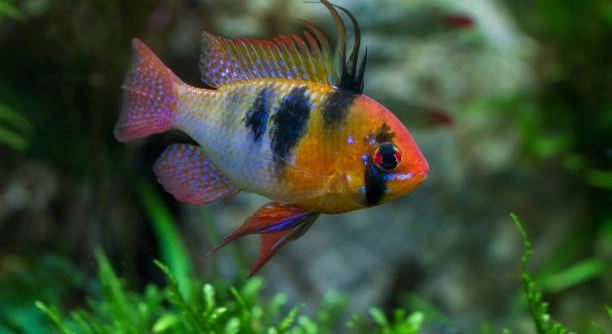
Convict cichlids are vibrant and active fish, but their rapid breeding can quickly overwhelm a tank. Managing their population requires careful attention and planning to maintain a balanced and healthy aquarium environment for all inhabitants.
Preventing overbreeding in convict cichlids involves controlling tank conditions, monitoring mating pairs, providing appropriate hiding spaces, and separating males and females when necessary. Maintaining optimal water quality and feeding routines also helps reduce excessive reproductive behavior.
Managing these factors early will help maintain a stable tank. Implementing the right strategies ensures your convict cichlids remain healthy and your aquarium stays balanced.
Understanding Convict Cichlid Breeding Behavior
Convict cichlids are naturally prolific breeders, and their behavior can become intense in confined spaces. They form strong pairs and often defend territories aggressively. Males establish dominance while females focus on protecting eggs and fry. In small tanks, this can quickly lead to overcrowding. Providing enough space and monitoring interactions is key to preventing stress-related aggression and accidental overbreeding. Observing their behavior closely allows you to identify potential breeding pairs before they start laying eggs. Environmental cues, such as temperature, water quality, and hiding spots, can trigger mating, so managing these factors helps control reproduction. Regular tank maintenance, including substrate cleaning and water changes, reduces triggers for spawning. By creating a balanced habitat, you minimize territorial conflicts and ensure fish remain healthy. Understanding their natural instincts gives you control over breeding without interfering too much with their behaviors. Small adjustments often prevent large-scale overpopulation issues.
Controlling breeding requires observation and timely intervention to maintain a peaceful tank.
By setting up separate areas and limiting suitable nesting sites, you can prevent multiple pairs from forming simultaneously. Managing tank temperature and feeding routines further discourages constant breeding, while ensuring adults remain healthy and stress-free.
Tank Management and Population Control
Providing sufficient space is crucial for controlling convict cichlid populations. Crowded tanks encourage stress and excessive breeding.
Using tank dividers or separate breeding tanks allows selective pairing without overwhelming the main tank. Removing eggs or fry promptly can prevent overpopulation. Monitoring male-to-female ratios ensures that no single pair dominates the tank. Consistent water changes, substrate cleaning, and hiding spaces reduce breeding triggers. Feeding schedules should be regulated, as excessive food can accelerate reproductive cycles. Maintaining stable water parameters supports overall fish health and decreases stress-related aggression. Avoid adding new fish that could disturb the established hierarchy, as this may provoke additional spawning. Careful observation and intervention, combined with environmental control, help keep populations manageable. These strategies create a more balanced tank where convict cichlids can thrive without overbreeding. Proper planning and consistent maintenance are essential to prevent population issues from escalating.
Controlling Pair Formation
Separating males and females prevents unwanted pairings and reduces overbreeding. Only allow selected pairs to interact, limiting the number of active breeders in the tank. This method helps maintain a stable population without stressing other fish.
Using dividers or separate breeding tanks ensures that only intended pairs mate. Observing the behavior of potential pairs allows you to make adjustments before eggs are laid. Preventing multiple males from competing in the same territory avoids aggression and overbreeding. Timing interactions carefully, such as limiting contact during peak breeding periods, helps maintain control over reproduction. This approach reduces the chances of overcrowding while allowing natural breeding behavior in a controlled setting. Regular monitoring ensures that no accidental pairings occur, and fish remain healthy. Separating pairs strategically balances population management with the cichlids’ natural instincts.
Maintaining consistent conditions in both divided and main tanks ensures fish do not experience unnecessary stress. Proper hiding spots and stable water parameters further reduce aggressive or competitive behavior among pairs, keeping reproduction manageable and the tank environment stable.
Monitoring Egg Laying
Regularly checking for eggs helps prevent unexpected population surges. Removing or relocating eggs gives better control over breeding cycles.
Tracking egg development allows you to decide whether to leave them or transfer them to a nursery. If left unchecked, multiple clutches can quickly overwhelm a tank. Using shallow containers or breeding traps helps manage egg care efficiently. Observation also identifies overly aggressive pairs, which can be separated to reduce stress on others. Managing the timing and placement of eggs ensures fry survival without compromising tank balance.
Maintaining a clear routine for monitoring egg-laying includes daily inspections, careful handling, and immediate relocation when necessary. Observing parental behavior helps anticipate aggression or over-protection, allowing timely intervention. Controlling egg distribution across different tanks prevents overcrowding and reduces competition among fry. Combined with proper feeding and water maintenance, this approach ensures a healthier environment for both adults and juveniles. Consistent monitoring creates a predictable breeding pattern and minimizes surprises, keeping your convict cichlid population manageable while supporting healthy growth for each generation.
Managing Tank Size
A larger tank helps reduce stress and limits overcrowding. Providing enough space allows fish to establish territories without constant conflict, which naturally lowers breeding frequency.
Overcrowded tanks encourage aggressive behavior and increase reproductive activity. Ensuring adequate swimming and hiding areas keeps the population balanced and maintains healthier fish overall.
Controlling Water Conditions
Stable water conditions are essential to prevent frequent breeding. Sudden changes in temperature or chemistry can trigger spawning, so maintaining consistency helps manage reproduction effectively. Proper filtration and regular water changes support a calm environment that reduces stress and reproductive triggers.
Limiting Hiding Spots
Reducing excess hiding places discourages constant breeding. Fewer shelters mean less territory to defend, which helps control population growth naturally.
FAQ
How can I tell if my convict cichlids are overbreeding?
Signs of overbreeding include constant territorial disputes, multiple clutches of eggs appearing in a short period, and overcrowding in the tank. Adults may become stressed and aggressive, and fry numbers can grow faster than the tank can support. Monitoring behavior and egg-laying patterns helps identify overbreeding early.
What is the best way to separate breeding pairs?
Use tank dividers or separate breeding tanks to isolate pairs. Only allow intended pairs to interact, limiting the chance of accidental mating. Observing their behavior before and during spawning ensures the separation is effective and reduces stress for other fish in the tank.
Should I remove eggs or fry immediately?
Yes, relocating eggs or fry helps prevent overpopulation. You can use shallow containers, breeding traps, or nursery tanks. Removing them also reduces stress on adults and allows you to manage fry growth in a controlled environment, ensuring survival without overcrowding the main tank.
How often should I check for eggs?
Daily inspections are recommended, especially during peak breeding periods. Regular monitoring lets you remove or transfer eggs promptly and prevents multiple clutches from overwhelming the tank. Observing parental behavior during inspections also helps identify aggressive pairs.
Does tank size affect breeding frequency?
Yes, smaller tanks encourage overbreeding because fish compete for territory and resources. Larger tanks reduce conflict, giving cichlids enough space to establish territories without constant spawning. Proper tank size, combined with hiding spots and environmental management, keeps breeding manageable.
How does water quality impact breeding?
Stable water conditions reduce stress and discourage constant spawning. Sudden changes in temperature, pH, or ammonia levels can trigger breeding behavior. Regular water changes, filtration, and monitoring parameters ensure a calm environment that limits unnecessary reproduction.
Can hiding spots cause overbreeding?
Excess hiding places can encourage multiple pairs to form and defend territories. Limiting shelters and nesting sites helps reduce breeding opportunities while still providing security for fish, balancing comfort with population control.
How do I manage multiple breeding pairs?
Monitor the tank closely and separate pairs when necessary. Limiting interactions and controlling male-to-female ratios prevents conflicts and overbreeding. Using dividers or separate breeding tanks ensures only selected pairs mate while others remain calm.
What role does feeding play in breeding control?
Overfeeding can accelerate reproductive cycles. Providing a balanced diet on a regulated schedule supports health without stimulating excessive breeding. Controlled feeding reduces energy available for constant spawning, helping manage population naturally.
Is it okay to mix adult and juvenile cichlids?
Mixing adults and juveniles can increase aggression and trigger early breeding behavior. Separate juvenile tanks allow fry to grow safely while adults maintain controlled breeding patterns. This separation helps maintain tank balance and prevents stress-induced overbreeding.
How long should breeding pairs be allowed together?
Only allow pairs together during planned spawning periods. Removing them afterward prevents repeated clutches and reduces territorial disputes. Controlled timing ensures adults stay healthy and limits population growth in a manageable way.
Can I prevent breeding without removing eggs?
Yes, controlling tank conditions, space, and hiding spots can discourage constant breeding. Strategic separation, temperature management, and regulated feeding help prevent overbreeding while still allowing natural behaviors. This method reduces intervention while maintaining a balanced tank.
How often should I monitor tank population?
Regular checks, at least weekly, are necessary to assess overcrowding, aggression, and breeding activity. Daily observation during active spawning periods ensures timely intervention and helps maintain a healthy environment for all fish.
What is the safest way to introduce new fish?
Introduce new fish slowly and in controlled conditions. Avoid disrupting established pairs or territories, as this can trigger additional breeding. Quarantining new arrivals ensures they do not introduce disease or stress the existing population, keeping breeding manageable.
How can I keep my cichlids healthy while preventing overbreeding?
Maintain water quality, tank size, hiding spots, and feeding routines. Monitor behavior and manage pairs carefully. Strategic interventions and consistent care prevent overbreeding without harming fish health. This approach balances natural instincts with tank management effectively.
Managing convict cichlids can feel overwhelming at times, especially when their natural breeding instincts start to take over your tank. These fish are naturally prolific, and without proper control, they can quickly create overcrowded and stressful environments. Understanding their behavior and needs is the first step in maintaining a balanced aquarium. Providing enough space, monitoring pairs, and keeping water conditions stable helps prevent excessive breeding while keeping the fish healthy. Simple adjustments like separating males and females, limiting hiding spots, and observing egg-laying patterns can make a significant difference in controlling population growth without interfering too much with their natural habits. Over time, consistent care and attention will help you anticipate issues before they become serious problems, making the tank more peaceful for all the inhabitants.
It is also important to remember that controlling breeding does not mean restricting natural behaviors completely. Convict cichlids thrive when their environment feels safe, and part of that includes having opportunities to establish territories and care for eggs. By using dividers, separate breeding tanks, or nursery setups, you can manage population growth in a structured way while still allowing the fish to display normal reproductive behavior. Monitoring their behavior daily, especially during peak breeding periods, ensures that adults do not become aggressive toward one another or toward fry. Regular inspections of eggs and fry help prevent overpopulation while supporting healthy growth. Adjusting feeding schedules, water temperature, and tank maintenance routines also plays a role in keeping breeding manageable. Small, consistent changes often have the biggest impact on tank stability and overall fish health.
Finally, maintaining a balanced convict cichlid tank is about planning, observation, and timely intervention. Every fish has its own personality, and breeding patterns can vary widely, so staying attentive is key. Large tanks, proper hiding spaces, and controlled interactions allow the fish to live comfortably without overwhelming their environment. Keeping water quality stable, regulating food, and managing pairs reduces stress and prevents frequent or accidental breeding. By following these practices, you create a calm, structured habitat where cichlids can thrive naturally. Over time, you will gain a better understanding of your fish and be able to maintain a healthy, stable tank that avoids overbreeding while supporting the overall wellbeing of every convict cichlid.

Hello,
If you enjoy the content that we create, please consider saying a "Thank You!" by leaving a tip.
Every little bit helps us continue crafting quality advice that supports the health, happiness, and well-being of pets around the world, for pets of all shapes, sizes, and species.
We really appreciate the kindness and support that you show us!