
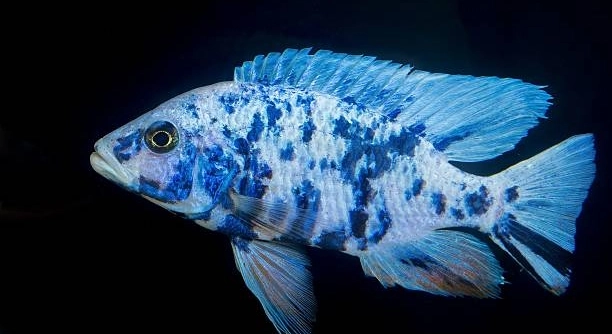
Many fish owners struggle with keeping their young fry safe from larger tank mates. Fry are delicate and require careful attention, as even minor aggression from other fish can quickly put them at risk.
One effective strategy to protect fry is to provide a separate breeding or nursery tank. Using dense plants, hiding spots, and proper filtration reduces stress and predation. Maintaining stable water conditions and monitoring fish behavior further ensures fry survival.
By applying these protective measures, you can significantly increase the chances of your fry growing healthy and strong. Careful planning creates a safer, more controlled environment for them.
Creating a Safe Nursery Tank
Setting up a separate nursery tank is the most effective way to protect your fry. Choose a tank with enough space for them to swim freely while avoiding overcrowding. Add fine-leaved plants or floating moss to give fry hiding spots. These areas help them feel secure and reduce stress, which is crucial for healthy growth. Gentle filtration is important to maintain clean water without strong currents that could sweep the fry away. Keep the water temperature stable, matching the main tank as closely as possible. Feeding small amounts multiple times a day ensures the fry get proper nutrition without fouling the water. Monitor the tank daily for any signs of illness or aggressive behavior from older fish if they are in the same tank. Regular water changes help maintain optimal conditions, reducing the risk of disease and promoting stronger fry development.
Separating fry in a dedicated tank increases survival and allows for closer monitoring of their growth.
With proper hiding spots and careful feeding, fry can develop in a stress-free environment. Consistent water quality, gentle filtration, and temperature control create ideal conditions for healthy growth. Using dense plants and moss not only provides security but also offers surfaces for microorganisms, which serve as a natural food source. By avoiding overcrowding and limiting exposure to larger fish, fry have more opportunities to thrive. Daily observation lets you catch any issues early, preventing loss and ensuring a stronger, more resilient batch of fry.
Choosing Compatible Tank Mates
Selecting the right tank mates is critical to fry survival. Avoid aggressive or overly large fish that may harm the young.
Smaller, peaceful fish species are ideal companions for fry. They share the tank without causing stress or predation. Introducing only calm fish reduces competition for food and minimizes risks, allowing fry to feed and grow safely. Observation is important when combining species, as behavior can vary. Maintaining proper stocking levels and avoiding overcrowding ensures the tank remains balanced. Careful selection supports a peaceful environment, giving fry the best chance at healthy development.
Using Plants as Hiding Spots
Dense plants give fry places to hide and feel safe. They reduce stress and limit exposure to larger fish, making survival more likely.
Live or artificial plants with fine leaves are ideal. They create small spaces where fry can swim through and avoid detection. Plants also help maintain water quality by absorbing excess nutrients and providing surfaces for beneficial microorganisms. Fry can feed on these microorganisms, which adds natural nutrition. Position taller plants in areas where fry tend to gather, while leaving open swimming space in the center. Avoid sharp or coarse plants that can injure delicate fry. Changing plants carefully prevents disturbing fry or stressing them. Over time, plants can become a natural nursery, providing protection and nutrition simultaneously.
Proper placement and density of plants encourage fry to explore safely. They learn to use cover while swimming and gradually build confidence. Observation helps adjust plant arrangement for optimal protection. Consistent care keeps plants healthy, which supports both fry growth and water stability.
Regular Water Changes
Frequent water changes keep the tank clean and reduce harmful substances. They prevent buildup of toxins that stress fry, which is critical for healthy growth.
Changing 10–20% of the water weekly maintains stable conditions without shocking fry. Use water treated to remove chlorine and match the tank’s temperature to avoid temperature stress. Monitor water parameters like ammonia, nitrite, and nitrate regularly to ensure the environment remains safe. Fry are sensitive to sudden changes, so gradual adjustments are essential. Avoid disturbing plants or fry during changes. Maintaining a clean tank reduces disease risk and supports strong immune systems. Proper filtration complements water changes by keeping debris and waste under control. Regular observation helps identify when additional water adjustments are needed.
Consistent water maintenance creates a stable environment that supports fry health. Combined with proper feeding and hiding spots, clean water reduces stress, boosts growth rates, and limits the chances of disease. Stability allows fry to develop naturally, promoting stronger, more resilient fish as they mature. Monitoring water conditions ensures the tank remains balanced, preventing long-term issues. Over time, regular maintenance becomes routine, making it easier to track fry progress and adjust care as needed.
Feeding Small Portions
Feeding fry small amounts several times a day ensures they get enough nutrition without fouling the water. Overfeeding can quickly pollute the tank and stress the young fish.
Use finely crushed flakes, baby brine shrimp, or specialized fry food. Feed only what they can consume in a few minutes.
Monitoring Tank Behavior
Watch both fry and adult fish closely for signs of aggression. Early detection of bullying can prevent injury or loss.
If aggression occurs, consider separating fry or rearranging hiding spots. Observing daily helps maintain a calm environment and ensures fry have a safe space to grow.
Avoiding Sudden Changes
Sudden changes in water, temperature, or lighting can stress fry, reducing survival rates. Maintain stable conditions at all times.
Gentle Filtration
Strong currents can sweep fry away or cause exhaustion. Use gentle filtration that circulates water without disturbing fry or their hiding spots.
FAQ
How often should I feed fry?
Fry need frequent, small feedings throughout the day. Feeding three to five times daily is ideal, depending on how fast they consume the food. Use finely crushed flakes, powdered fry food, or baby brine shrimp. Remove any leftover food promptly to avoid fouling the water, which can stress the fry and increase the risk of disease. Observing their feeding habits helps adjust portion sizes. Overfeeding can cause water quality problems, while underfeeding slows growth. Consistent, moderate feeding ensures fry receive enough nutrition for healthy development.
Can fry be kept with adult fish?
Keeping fry with adult fish is risky because adults may see them as food. If adults are peaceful and small, you can try separating fry in a designated area of the tank with hiding spots. Dense plants, moss, or breeding nets offer protection. Observe interactions closely and be ready to move fry if aggression occurs. Separation is often the safest choice for the first few weeks of life until fry grow larger and stronger.
What type of plants are best for fry?
Fine-leaved plants like java moss, hornwort, or water sprite work well. They create small hiding spots and surfaces for microorganisms, which serve as natural food for fry. Avoid coarse or sharp plants that could injure them. Floating plants also provide shelter near the surface. Position taller plants along the edges of the tank, leaving open swimming space in the center. Regular trimming keeps the tank manageable while maintaining cover for fry. Proper plant selection reduces stress and supports healthy growth by giving fry areas to explore safely.
How often should I change the water?
Water changes should be done weekly, around 10–20% of the tank volume. Frequent small changes maintain stable conditions without shocking the fry. Always treat water to remove chlorine and match the temperature to the tank. Monitor ammonia, nitrite, and nitrate levels regularly. Avoid sudden large changes, as fry are sensitive to rapid fluctuations. Regular maintenance ensures a clean environment, reduces disease risk, and supports steady growth.
What is the best way to prevent predation?
Separate fry from larger or aggressive fish when possible. Use a nursery tank, breeding box, or heavily planted areas to reduce exposure. Provide plenty of hiding spots, such as moss, floating plants, or fine-leaved species. Observe behavior daily to detect bullying or chasing. Adjust tank layout or separation if necessary. Prevention through controlled environment and observation is more effective than reacting to injuries after they occur.
How do I know if fry are stressed?
Signs include hiding constantly, erratic swimming, loss of appetite, or pale coloration. Stress often results from poor water quality, overcrowding, or aggressive tank mates. Maintain stable temperature, gentle filtration, and regular water changes. Provide sufficient hiding places. Removing sources of stress early helps fry remain healthy and grow properly.
Can I use artificial plants for fry?
Yes, artificial plants with soft, fine leaves can work well. They are easy to clean and don’t affect water chemistry. Avoid hard or sharp edges that could injure fry. Combine with floating plants or moss to increase shelter. Proper placement of artificial plants allows fry to hide and explore safely while maintaining water flow and tank visibility.
How long should fry stay in a separate tank?
Keep fry separated until they are large enough to avoid predation, usually a few weeks depending on the species. Monitor growth and behavior. Once fry are strong swimmers and show less vulnerability, gradual introduction to the main tank can occur. Continue providing hiding spots to reduce stress during this transition.
What is the best filtration for fry tanks?
Gentle filtration is essential. Sponge filters are ideal because they provide water movement without strong currents that can sweep fry away. They also support beneficial bacteria for water quality. Avoid strong power filters that can harm fry. Regular cleaning and maintenance of the filter ensure optimal function without disturbing the tank environment.
How do I maintain water temperature for fry?
Keep temperature consistent according to the species’ requirements. Sudden changes can stress fry and reduce survival. Use a reliable heater with a thermostat and monitor daily. Avoid placing the tank near drafts, windows, or heating vents. Gradual adjustments are safer if temperature changes are necessary.
Are fry more sensitive to water quality than adult fish?
Yes, fry are highly sensitive to ammonia, nitrites, and temperature fluctuations. Even minor issues can quickly become dangerous. Regular testing and maintenance, including water changes and gentle filtration, are crucial. Providing a stable and clean environment supports healthy growth and reduces mortality rates.
Can I feed fry adult fish food?
Adult fish food is often too large or nutrient-dense for fry. Crush flakes or use specialized fry food. Baby brine shrimp and microworms are excellent alternatives. Properly sized food ensures fry can eat efficiently without contaminating the water. Overfeeding adult food can harm water quality and stress young fish.
How do I encourage fry to eat?
Offer tiny portions multiple times a day and use foods that sink slowly or stay suspended. Observe feeding behavior to ensure all fry get food. A mix of live or frozen foods encourages natural feeding instincts. Consistent feeding schedules help fry learn when and how to eat, supporting steady growth.
What are the most common causes of fry death?
Predation, poor water quality, overfeeding, and stress are the main causes. Lack of hiding spots or incompatible tank mates increases risk. Maintaining stable water conditions, separating fry, and providing proper nutrition minimizes losses. Regular observation allows quick intervention if problems arise, giving fry the best chance at survival.
How do I transition fry to the main tank?
Introduce fry gradually once they are large enough to avoid predation. Rearrange plants or add extra hiding spots in the main tank. Monitor interactions closely during the first few days. Gradual acclimation reduces stress and increases survival rates, allowing fry to integrate safely.
What should I do if a fry gets injured?
Separate injured fry immediately to prevent further harm or infection. Maintain pristine water conditions and consider a mild treatment for wounds if appropriate. Provide gentle food and reduce stressors. Observation and prompt action improve recovery chances for delicate fry.
How important is observation in fry care?
Daily observation is crucial. Fry are vulnerable, and early detection of stress, aggression, or illness can prevent losses. Watching feeding, swimming, and interactions ensures a safe environment. Adjusting conditions quickly keeps fry healthy and supports consistent growth.
Can fry survive without hiding spots?
Survival rates drop significantly without adequate cover. Fry are instinctively cautious and need places to escape predators and explore safely. Plants, moss, or artificial alternatives improve safety. Lack of hiding areas increases stress and mortality, making protective measures essential.
Is water hardness important for fry?
Yes, water hardness affects growth and health. Most species require moderately soft to moderately hard water. Maintain consistent parameters and avoid sudden shifts. Regular testing and small adjustments keep fry comfortable and reduce stress-related issues.
How can I reduce stress during cleaning?
Move fry carefully if needed and avoid strong currents. Clean plants and substrate gently, performing partial water changes. Maintain temperature and pH stability. Minimizing disturbances ensures fry remain healthy and less prone to disease.
What is the ideal tank size for fry?
A small, separate tank is better than leaving them in a crowded main tank. Even 10–20 liters can work for a small batch. More space allows free swimming, reduces stress, and prevents overcrowding. Adjust tank size as fry grow for optimal conditions.
How do I know when fry are ready for adult food?
When fry are strong swimmers, show steady growth, and can consume larger particles, transition gradually to adult food. Mix with smaller portions at first to ensure they can eat properly. Monitor health and feeding behavior during this change.
Can fry tanks have decorations?
Yes, simple decorations that provide hiding spots are useful. Avoid sharp edges or small objects fry could get stuck in. Decorations can include smooth rocks, PVC tubes, or dense plants. They help fry feel secure while keeping the tank visually manageable.
Are live foods better than dry foods for fry?
Live foods like baby brine shrimp encourage natural feeding behavior and provide high nutrition. Dry foods are convenient but may not be as easily consumed. Combining both ensures balanced nutrition while maintaining water quality. Live foods also promote activity and growth.
How do I prevent fungus or disease?
Maintain clean water, proper temperature, and gentle filtration. Avoid overcrowding and remove uneaten food promptly. Observation helps detect early signs of fungus or disease. Quarantine or treat affected fry quickly to prevent spread. Good hygiene and regular care are key preventive measures.
What is the best lighting for fry tanks?
Moderate lighting works best. Too bright can stress fry, while too dim may hinder plant growth. A consistent day-night cycle supports normal behavior. Lighting helps plants grow, creating natural hiding areas and improving water quality.
How do I acclimate fry to a new tank?
Float the fry container in the new tank to match temperature. Slowly add small amounts of new water over time. Avoid sudden transfers or large water changes. Gradual acclimation reduces stress and prevents shock.
Can fry survive in a community tank?
Only if they are fast-growing, strong, and have adequate hiding spots. Most species are too vulnerable for long-term survival with larger or aggressive fish. Separate tanks remain the safest method for raising young fish successfully.
What is the ideal pH for fry?
Maintain a stable pH suitable for the species, usually slightly acidic to neutral. Sudden changes can stress fry and reduce survival. Test water regularly and make small adjustments gradually to ensure a safe environment.
How important is aeration for fry?
Adequate aeration ensures oxygen levels remain high without creating strong currents. Fry need calm, oxygen-rich water to thrive. Sponge filters provide both gentle filtration and aeration, supporting healthy growth and development.
Can fry survive in tap water?
Only if treated to remove chlorine and chloramines and conditioned to the correct temperature and hardness. Untreated tap water can be lethal to delicate fry. Proper preparation ensures a safe environment for young fish.
How long does it take fry to grow?
Growth depends on species, food, and tank conditions. Generally, fry become juveniles in a few weeks to a few months. Consistent care, proper nutrition, and stable water conditions accelerate growth and improve survival rates.
Should fry be handled?
Avoid handling fry directly. They are delicate, and handling can cause injury or stress. Use nets or containers carefully if moving them is necessary, and minimize disturbance to maintain health.
Can fry survive without plants?
Survival is possible but significantly reduced. Plants provide shelter, reduce stress, and support natural feeding. Without them, fry are more exposed to aggression and environmental stressors, increasing mortality rates.
What is the best temperature range for fry?
Maintain a stable temperature appropriate for the species, often between 24–28°C. Sudden fluctuations can stress fry and reduce survival. Use a reliable heater and monitor daily for consistency.
How do I prevent fry from getting lost in the tank?
Provide dense plants or floating moss for visibility and hiding. Keep the tank layout simple, avoiding tight spaces where fry could get trapped. Observation ensures all fry remain accounted for and safe.
Are baby brine shrimp necessary for fry?
They are highly beneficial, offering protein and encouraging natural feeding. While not strictly necessary, they greatly improve growth and survival rates. Combine with other small foods for balanced nutrition.
How often should I check water parameters?
Check at least weekly for ammonia, nitrite, nitrate, and pH. Fry are sensitive to changes, so frequent monitoring prevents stress and promotes healthy development. Adjustments should be gradual.
What is the best way to clean a fry tank?
Perform partial water changes, clean substrate gently, and avoid disturbing plants or fry. Use soft nets and careful techniques. Maintain stable water conditions and temperature.
How can I reduce fry mortality?
Separate them from larger fish, provide hiding spots, maintain clean water, feed small portions, and observe daily. Consistent care, gentle handling, and stable conditions greatly improve survival rates.
Are fry sensitive to light?
Yes, bright or sudden light can stress them. Moderate lighting with a consistent day-night cycle supports normal behavior. Floating plants can help diffuse light and provide shelter.
Can fry survive with strong currents?
No, strong currents exhaust fry and increase mortality. Gentle water movement or sponge filters provide adequate circulation without stressing young fish.
How do I introduce fry to a community tank?
Ensure they are large enough, provide plenty of hiding spots, and monitor interactions closely. Gradual introduction reduces stress and predation risk.
What signs indicate healthy fry?
Active swimming, steady growth, normal coloration, and regular feeding are key indicators. Healthy fry respond to stimuli and explore their environment without excessive hiding.
How long should fry be observed daily?
A few minutes each day is sufficient to monitor feeding, swimming, and interactions. Early detection of problems allows prompt intervention, improving survival chances.
Can fry survive in low oxygen conditions?
No, fry are highly sensitive to oxygen levels. Ensure proper aeration, gentle filtration, and regular water changes to maintain oxygen-rich water.
How do I prevent overcrowding in a fry tank?
Provide enough space, separate batches if needed, and monitor growth. Overcrowding leads to stress, poor water quality, and reduced survival rates.
What is the ideal tank depth for fry?
Shallow to moderate depth is best. Too deep increases stress and reduces visibility for feeding. Proper depth supports healthy swimming and access to hiding spots.
Can fry survive sudden pH changes?
No, sudden pH shifts can be fatal. Maintain stable pH through gradual adjustments and consistent monitoring.
How important is daily observation for fry?
Daily checks help catch stress, illness, or predation early. Observation ensures a safe, stable environment and promotes healthy growth.
Can fry survive with adult fish in the same tank?
Generally no, unless adults are very small and non-aggressive. Fry are vulnerable, so separation is safer for survival.
How do I prevent fry from being eaten?
Provide hiding spots, separate them from larger fish, and monitor interactions closely. Dense plants, moss, or nursery tanks are effective.
Are fry sensitive to temperature fluctuations?
Yes, even minor fluctuations can stress fry and reduce survival. Maintain consistent temperature using a reliable heater and monitor daily.
Can fry live without food for a few days?
Short periods may be tolerated depending on species, but consistent feeding is crucial. Starvation slows growth and weakens immune systems.
How can I improve fry growth rates?
Feed multiple small portions, maintain clean water, provide hiding spots, and ensure stable temperature and pH. Healthy, low-stress conditions support faster growth.
What should I do if water quality drops?
Perform partial water changes, test parameters, remove uneaten food, and adjust filtration. Monitoring and immediate action prevent stress and mortality.
Are fry sensitive to noise or vibrations?
Yes, excessive vibrations or tapping can stress fry. Place the tank in a quiet, stable location to minimize disturbances.
Can fry survive in a heated tank without filtration?
Filtration is important for waste removal and oxygenation. Heated water alone is insufficient for long-term survival and growth.
How often should I feed live food?
Offer live food once or twice daily alongside prepared fry food. Rotate food types for balanced nutrition and to encourage natural feeding behavior.
Can fry survive in slightly brackish water?
Only if the species tolerates it. Most freshwater fry need soft to moderately hard water. Brackish conditions can stress or kill sensitive fry.
How do I handle fry when moving tanks?
Use a soft net or container and move slowly. Minimize stress by matching water temperature and parameters between tanks. Avoid direct handling.
Can fry survive in a tank with decorations?
Yes, as long as decorations are smooth and safe. They provide hiding spots without injuring fry. Avoid tight spaces where fry could get trapped.
How do I prevent fungal infections?
Maintain clean water, remove uneaten food, avoid overcrowding, and observe daily. Early treatment of affected fry prevents spread.
What is the best type of food for newly hatched fry?
Microworms, baby brine shrimp, or powdered fry food are ideal. They are small, nutritious, and easy for fry to consume.
Can fry survive in outdoor ponds?
Only in controlled conditions with protection from predators, stable temperature, and clean water. Most fry are too delicate for unprotected ponds.
How do I prevent fry from being stressed by tank mates?
Separate them from larger or aggressive fish, provide hiding spots, and monitor interactions. Gentle, calm companions reduce stress and improve survival.
What is the best way to introduce live foods?
Release small amounts at a time, ensuring fry can access it without competition. Observe feeding to prevent overfeeding and water fouling.
Can fry survive if water temperature drops suddenly?
No, sudden drops can be fatal. Gradual adjustments and stable heating are necessary to maintain fry health.
How do I prevent fry from escaping during tank maintenance?
Use covers or nets when working in the tank. Move fry carefully if needed, minimizing disturbance to water and hiding spots.
Are fry more vulnerable to disease than adults?
Yes, fry have weaker immune systems. Maintaining clean water, proper nutrition, and stable conditions reduces susceptibility to illness.
What is the best way to acclimate fry to tap water?
Treat water to remove chlorine and match temperature and hardness gradually. Introduce fry slowly to avoid shock and stress.
How do I know if fry are ready to leave the nursery tank?
They are strong swimmers, large enough to avoid predation, and show steady growth. Gradual introduction to the main tank is safest.
Can fry survive in the main tank without separation?
Most species are too vulnerable. Survival rates are higher when fry are kept in a separate tank or protected area until larger.
How important is tank cleanliness for fry survival?
Extremely important. Dirty tanks increase stress, disease risk, and mortality. Consistent maintenance supports healthy growth and development.
Can fry survive in tanks with strong lights?
Bright, direct lights can stress fry. Moderate lighting with some shaded areas from plants works best.
How do I prevent overfeeding in a fry tank?
Offer small amounts multiple times per day and remove uneaten food promptly. Observing feeding ensures proper nutrition without fouling water.
What is the best way to remove uneaten food?
Use a small net or siphon carefully to avoid disturbing fry. Regular removal prevents water quality issues and disease.
Can fry survive in tanks with high nitrate levels?
No, elevated nitrates stress fry and reduce survival. Regular water changes and monitoring keep levels safe.
How do I prevent fry from being stressed by cleaning equipment?
Move slowly, avoid splashing, and maintain stable water conditions. Minimize direct contact with fry and plants.
**Are
Raising fry can feel challenging, but with careful attention, it is very manageable. Fry are delicate and require consistent care to grow healthy and strong. The key factors are proper feeding, safe hiding spaces, and clean water. Using a separate nursery tank or providing dense plants in the main tank can reduce stress and protect them from larger fish. Observing their behavior daily allows you to spot problems early and make necessary adjustments. Even small changes in water quality, temperature, or overcrowding can have a big impact on fry survival. By maintaining a stable and calm environment, you give your young fish the best chance to thrive and develop normally.
Feeding fry the right food in the correct amounts is another important part of their care. Small, frequent meals such as crushed flakes, powdered fry food, or live baby brine shrimp provide necessary nutrients without fouling the water. Overfeeding can lead to poor water quality and stress, while underfeeding slows growth. Providing natural microorganisms through plants or moss can also supplement their diet. Alongside nutrition, gentle filtration and proper aeration ensure the tank remains clean and oxygen-rich without causing strong currents that could harm the fry. Together, these measures create a safe, controlled environment where fry can explore, feed, and grow at a steady pace.
Finally, patience and observation are essential when raising fry. Daily monitoring helps prevent aggression, illness, or stress from impacting their development. Adjusting the tank setup, water conditions, and feeding schedule based on what you observe allows you to respond effectively to any issues. Over time, maintaining this level of care becomes routine and ensures long-term survival and healthy growth. Fry benefit from a stable environment, adequate nutrition, and protection from harm, which makes the process rewarding. By applying these practices consistently, you can raise strong, healthy fish that adapt well when eventually moved to a larger tank or community setup. Careful attention and simple, consistent habits are what make fry raising successful and satisfying.

Hello,
If you enjoy the content that we create, please consider saying a "Thank You!" by leaving a tip.
Every little bit helps us continue crafting quality advice that supports the health, happiness, and well-being of pets around the world, for pets of all shapes, sizes, and species.
We really appreciate the kindness and support that you show us!