
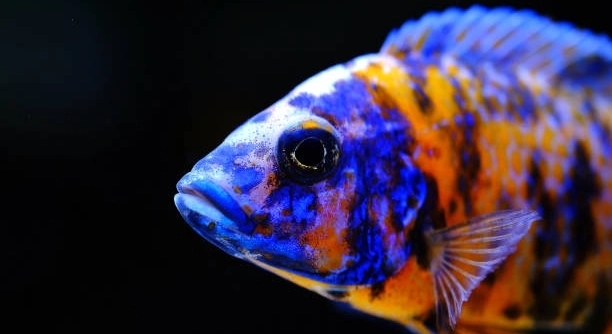
Convict cichlids are popular freshwater fish known for their bright colors and lively behavior. Many aquarists wonder if these fish need a mate to thrive or if they can be content living alone in a tank.
Convict cichlids do not require a mate to be happy. They are capable of thriving independently, exhibiting natural behaviors such as foraging and territory establishment. While pairing can influence breeding and social interaction, it is not essential for their well-being.
Knowing how to care for a single convict cichlid can make a big difference in its health and overall happiness in your aquarium.
Understanding Convict Cichlid Behavior
Convict cichlids are naturally territorial and active. They enjoy exploring their tank and establishing areas they feel are their own. Even without a mate, these fish display interesting behaviors like digging, rearranging gravel, and defending spaces. Watching them interact with their environment can be rewarding, as they often show personality and intelligence. Proper tank setup with hiding spots and plants helps them feel secure and reduces stress. They can recognize humans over time and may even react to your presence at feeding time. Social interaction with other fish is possible, but careful planning is needed to prevent aggression. Observing body language such as flared fins or color changes helps identify their mood and health. Understanding these behaviors is crucial for providing an environment that keeps them stimulated and safe, which contributes directly to their overall happiness and quality of life.
Providing mental stimulation and space is more important than pairing them with another fish.
By offering a well-arranged tank with plenty of room, you can encourage natural behaviors. Enrichment items like rocks, caves, and varied substrate allow them to explore and interact safely. Even single convict cichlids form habits and routines that make them more active and visually engaging. Maintaining stable water conditions and a consistent feeding schedule also helps reduce stress. Observing their behavior daily allows you to spot early signs of illness or discomfort. When housed properly, these fish thrive alone and remain healthy. Pairing is optional and should be considered only if breeding is desired. Keeping them occupied and comfortable ensures they express natural behaviors, stay vibrant, and avoid destructive tendencies. Over time, you may notice their personality developing, which can be just as rewarding as watching a bonded pair. Proper care creates a stable environment that promotes both physical and emotional well-being.
Housing and Tank Setup
A proper tank setup is essential for a happy convict cichlid. Providing space, hiding spots, and appropriate substrate helps them thrive.
Tank size should allow free swimming and areas for exploration. Decorations like rocks and caves create territories and reduce stress. Plants, either live or artificial, offer shelter and mimic their natural habitat. Water quality must be consistent, with proper filtration and regular changes to prevent illness. Lighting should reflect a natural day-night cycle, helping regulate activity and mood. Substrate choice matters because they enjoy digging; sand or fine gravel works best. Avoid overcrowding to reduce aggression and territorial disputes. Observing how they interact with the tank and adjusting elements as needed helps maintain a peaceful environment. A well-thought-out setup allows them to display natural behaviors, feel secure, and maintain health. Environmental enrichment is key for their mental stimulation and overall happiness.
Proper diet and feeding routines complement a good tank setup. Providing high-quality flakes, pellets, and occasional live or frozen foods ensures balanced nutrition. Feeding small portions multiple times a day helps maintain energy levels and reduces waste in the tank. Rotating food types prevents boredom and supports growth. Fresh vegetables like peas or spinach can be added occasionally for variety. Monitoring their eating habits ensures all fish get enough nutrition and helps identify any health issues early. Combining a stable environment with a balanced diet keeps convict cichlids active, healthy, and vibrant. Attention to these details fosters content, stress-free fish that display natural behaviors even without a mate.
Social Interaction and Compatibility
Convict cichlids can live with other fish, but careful selection is crucial. Aggressive or territorial species may cause stress. Choosing similar-sized, robust fish reduces conflicts. Observation is key during introductions to ensure safety.
Even though convict cichlids are independent, they still react to tankmates. Properly chosen companions can stimulate activity and create a more dynamic tank environment. Avoid overcrowding and provide multiple hiding spaces to minimize territorial disputes. Introducing fish gradually allows everyone to adjust and reduces stress. Compatible species help maintain a peaceful environment and encourage natural behavior without forcing social dependency.
Over time, you may notice how your convict cichlid establishes boundaries and routines with other fish. Some interactions include chasing, occasional nips, or asserting dominance over certain areas. Monitoring these behaviors ensures they remain healthy and uninjured. Providing visual barriers like rocks or plants helps mediate conflicts and gives each fish a sense of security. Even without a mate, proper social arrangements promote mental stimulation, reduce boredom, and allow them to display instinctive behaviors. Structured observation and tank management are essential for maintaining harmony.
Breeding Considerations
Pairing is necessary only if breeding is intended. Without a mate, convict cichlids remain healthy and active.
When breeding is desired, providing a compatible pair is essential. Tanks should include flat surfaces for egg-laying and areas for the pair to defend their territory. Proper nutrition supports reproductive health and energy levels. Monitor water quality closely, as fluctuations can affect breeding behavior and egg viability. Breeding pairs may become highly territorial, so separating aggressive fish or providing extra hiding spots is recommended. Observing interactions between the pair allows you to manage conflicts and ensure both fish remain healthy throughout the process.
Breeding convict cichlids involves understanding their natural instincts and preparing the tank carefully. Selecting a healthy, compatible pair increases the chance of successful spawning. Conditioning with high-protein foods improves fertility and encourages bonding. Once eggs are laid, parents may guard and fan them to provide oxygen and protection. Constant observation is necessary to prevent stress or injury to either parent. If aggression becomes extreme, temporary separation may be required. Raising fry requires a controlled environment with appropriate food and gentle water flow. Proper planning and management make breeding rewarding while maintaining the safety and health of all fish involved.
Feeding and Nutrition
Convict cichlids thrive on a varied diet. High-quality flakes or pellets form the base, supplemented with occasional live or frozen foods. Balanced nutrition supports growth, energy, and vibrant coloration.
Fresh vegetables like peas or spinach can be offered occasionally. Feeding small portions multiple times a day prevents overeating and keeps water quality stable.
Tank Maintenance
Regular water changes and filtration are essential. Clean tanks prevent disease, reduce stress, and maintain a healthy environment. Monitoring water parameters like pH, temperature, and hardness ensures optimal conditions. Consistency in maintenance supports the fish’s immune system and overall well-being, making them more active and less prone to aggression.
Signs of Stress
Lethargy, loss of appetite, or faded color may indicate stress. Addressing water quality, diet, and tank setup can help resolve these issues.
Environmental Enrichment
Providing rocks, caves, and plants allows convict cichlids to explore, hide, and establish territories. A stimulating environment encourages natural behavior, reduces boredom, and promotes mental and physical health, even for solitary fish.
FAQ
Do convict cichlids need a mate to be happy?
Convict cichlids do not require a mate to live a happy, healthy life. They are capable of displaying natural behaviors such as digging, exploring, and defending their territory independently. Pairing is only necessary if breeding is your goal. Even alone, they remain active and vibrant in a well-maintained tank.
Can convict cichlids live with other fish?
Yes, they can, but careful selection is crucial. Choose robust, similarly sized fish to reduce aggression. Avoid overly timid or small species, as they may be bullied. Providing plenty of hiding spots and visual barriers helps maintain peace. Introductions should be gradual to allow all fish to adjust.
How large should the tank be for a single convict cichlid?
A tank of at least 20 gallons is recommended for a single convict cichlid. Larger tanks allow them to swim freely and explore. Extra space reduces stress and prevents aggressive behavior. Decorations, rocks, and hiding spots enhance their environment and help them establish territories comfortably.
What is the best diet for convict cichlids?
A varied diet works best. High-quality flakes or pellets form the foundation. Supplement with live or frozen foods such as brine shrimp or bloodworms. Occasional vegetables like peas or spinach can be added for variety. Feeding small portions multiple times a day helps maintain health and water quality.
How do I know if my convict cichlid is stressed?
Common signs of stress include lethargy, loss of appetite, faded colors, or hiding excessively. Aggressive chasing of tankmates may also indicate stress. Checking water quality, reviewing diet, and ensuring proper tank setup usually helps reduce stress. Observing behavior daily allows for early intervention.
Can convict cichlids be left alone for a few days?
Yes, they can be alone for short periods if you prepare adequately. Automated feeders or careful meal planning ensures they are fed. Make sure the tank environment is stable, with proper filtration and water conditions. Avoid sudden changes to minimize stress during your absence.
Do they need special lighting or plants in the tank?
Lighting should mimic a natural day-night cycle to regulate activity. Live or artificial plants provide hiding spots and help reduce stress. Rocks and caves allow them to explore and establish territories. Environmental enrichment encourages natural behavior and keeps the fish mentally and physically active.
How often should water be changed for convict cichlids?
Regular water changes are essential, ideally 20-25% weekly. This maintains water quality, reduces toxins, and supports health. Monitor pH, temperature, and hardness consistently. Clean tanks reduce disease risk and create a stable environment, helping convict cichlids thrive even without a mate.
Is it necessary to pair them for breeding?
Yes, breeding requires a compatible pair. Provide flat surfaces for egg-laying and proper nutrition to support reproductive health. Monitor territorial behavior, as pairs can become aggressive. If you do not plan to breed, pairing is unnecessary and your fish will remain healthy alone.
What behaviors should I expect from a single convict cichlid?
Even without a mate, they display digging, rearranging substrate, exploring, and defending territory. They may flare fins or change colors depending on mood. They can become attached to their environment and recognize humans over time. Proper enrichment keeps them active, healthy, and engaged in daily activities.
How do I reduce aggression in a shared tank?
Provide plenty of hiding spots, visual barriers, and space. Avoid overcrowding and monitor interactions. Gradual introductions of new tankmates reduce stress. Structured tank design and careful species selection help maintain harmony and allow convict cichlids to coexist with minimal conflict.
Can I keep a convict cichlid alone long-term?
Absolutely. With proper care, tank setup, diet, and enrichment, a single convict cichlid can live a long, happy life. They remain active, display natural behaviors, and do not require social interaction with another of their species for mental or physical well-being.
This FAQ addresses the most common concerns about convict cichlids, ensuring they stay healthy, active, and stress-free in any setup.
Convict cichlids are resilient, adaptable fish that do not need a mate to live a happy and healthy life. Their natural behaviors, such as exploring, digging, and defending territory, can all be expressed independently. Even in a single-fish setup, they remain active and engaging when provided with the right environment. Tank size, water quality, and enrichment are the most important factors in keeping them healthy. By focusing on these aspects, you can ensure that a single convict cichlid thrives, showing vibrant colors and active behavior without relying on companionship. Understanding their needs and instincts helps create a stable and comfortable environment where they feel secure.
A well-arranged tank makes a big difference in their well-being. Providing hiding spots, rocks, caves, and plants allows them to establish territories and reduces stress. Regular maintenance, such as water changes and monitoring pH and temperature, is crucial for their health. A varied diet of high-quality flakes, pellets, and occasional live or frozen foods supports growth and energy levels. Even solitary convict cichlids benefit from structured routines, proper nutrition, and environmental enrichment. Paying attention to their behavior helps detect early signs of stress or illness. Observing how they interact with their environment can be rewarding and ensures they continue to express their natural instincts.
Breeding is an optional activity that requires careful planning and the presence of a compatible pair. Without the intention to breed, a single convict cichlid can live a long, content life. They can coexist with compatible tankmates if introductions are done gradually and space is provided to reduce conflicts. Aggression can be managed through careful species selection, hiding spots, and sufficient room. Ultimately, providing a stable, enriched environment and proper care is the key to their happiness. Even alone, convict cichlids can be lively, interactive, and visually interesting additions to your aquarium. A focus on their health, comfort, and mental stimulation ensures they flourish regardless of companionship.

Hello,
If you enjoy the content that we create, please consider saying a "Thank You!" by leaving a tip.
Every little bit helps us continue crafting quality advice that supports the health, happiness, and well-being of pets around the world, for pets of all shapes, sizes, and species.
We really appreciate the kindness and support that you show us!