
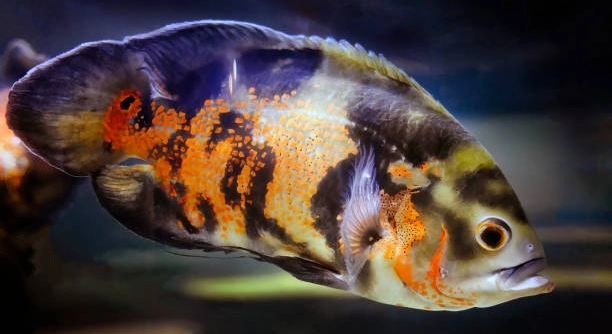
Convict cichlids are lively fish with unique personalities that often go unnoticed. Observing them closely can reveal subtle patterns in their daily routines, interactions, and ways of communicating with each other. Many owners miss these quiet behaviors.
Convict cichlids display a variety of behaviors that indicate social hierarchy, mating readiness, territorial defense, and stress levels. Recognizing these actions, such as digging, nipping, or specific swimming patterns, provides insight into their natural instincts and overall well-being.
Learning to identify these behaviors can improve your care for them. Paying attention to small details allows you to create a healthier, more comfortable environment.
Digging and Rearranging Substrate
Convict cichlids often spend time moving sand, gravel, or rocks in their tank. This behavior is normal and reflects their natural instinct to prepare a safe space for eggs or fry. Even when they are not breeding, digging helps them explore their environment and mark territories. Sometimes, you might notice them picking up small stones or pushing sand into piles near plants or decorations. This action is also a way to keep the area around their hiding spots clean and comfortable. Observing these movements can give you clues about their mood. If digging becomes excessive, it may signal stress, lack of stimulation, or the need for more hiding spaces. Providing smooth rocks, hiding caves, and stable plants can help direct their energy positively. Watching them dig can be surprisingly soothing, as each shift of substrate shows their personality and sense of ownership over their space.
This digging behavior strengthens their instincts and keeps them active in the tank.
Understanding this activity helps you meet their environmental and emotional needs, creating a healthier habitat. Paying attention to where they dig, how often, and the patterns they create can indicate comfort levels and social dynamics in the aquarium. By arranging hiding spots, sturdy plants, and open areas thoughtfully, you encourage natural behaviors and reduce stress. Over time, you may notice certain spots that your cichlids prefer for digging or rearranging. These choices reflect their preference for shelter and security. Adjusting the tank layout slightly to respect these preferences can make them feel more confident. In some cases, pairing them with compatible tank mates in a space with clear territories prevents aggression. Overall, their digging and substrate rearranging is an essential, instinctive behavior that reveals both personality and needs.
Nipping and Fin Flicking
Nipping and fin flicking are common forms of communication among convict cichlids.
These movements often signal dominance, warnings, or territorial claims.
Paying attention to when nipping occurs helps you understand social structure and hierarchy within the tank. These behaviors also indicate stress levels, especially if paired with rapid swimming or hiding. Observing the direction and frequency of flicking allows you to see who is asserting control and which fish may feel threatened. In breeding pairs, gentle nipping can strengthen bonds, while aggressive gestures warn off competitors. Adjusting tank space and adding visual barriers can reduce conflict. Recognizing these behaviors is key to keeping a balanced, healthy community.
Chasing and Following
Chasing is a typical behavior in convict cichlids, especially during breeding or territory defense. One fish may follow another closely, asserting dominance or encouraging movement. This behavior is normal but can become aggressive if space is limited.
Chasing helps establish social order and signals dominance within the tank. It often occurs near hiding spots, decorations, or food areas. Watching who chases whom reveals the pecking order and can indicate which fish is more confident or territorial. During breeding, chasing increases as partners guard eggs or fry, ensuring no intruders approach. Even outside of breeding, this behavior shows their instinct to patrol and monitor territory. Over time, you may notice patterns, such as one fish repeatedly following another, which reflects ongoing social dynamics.
If chasing becomes too intense, it usually means the tank lacks enough space or hiding areas. Adding plants, rocks, or other barriers can reduce tension. Proper tank layout encourages natural behavior while minimizing harm. Observing chasing patterns also helps predict stress points and allows adjustments to maintain harmony among all fish in the aquarium.
Tail Shaking
Tail shaking is a frequent signal in convict cichlids, used to communicate with others. It can indicate alertness, readiness, or minor irritation.
Tail shaking often happens near food or breeding sites and signals presence or caution to other fish. Watching the context of the shake helps interpret its meaning.
This behavior is part of normal social interactions, from asserting territory to courting a partner. Frequent shaking may indicate excitement or heightened awareness of surroundings. During breeding, both parents shake tails to signal each other and ward off potential threats. Observing tail shaking alongside other movements, like chasing or fin flaring, gives a full picture of social dynamics. It’s subtle but revealing, showing mood, hierarchy, and readiness for action. Consistent observation helps distinguish harmless communication from signs of stress or aggression. Over time, recognizing patterns makes caring for convict cichlids more intuitive.
Hiding in Caves
Convict cichlids often retreat to caves or sheltered spots. This behavior provides safety, privacy, and comfort.
Hiding is especially common during breeding or when fish feel stressed. Providing multiple hiding spaces reduces aggression and helps them feel secure.
Flaring Fins
Flaring fins is a clear display of aggression or dominance. Fish spread their fins wide to appear larger, often accompanied by chasing or nipping. This is a natural way to establish hierarchy without serious injury.
Bubble Nesting
Some convict cichlids create small bubble nests on surfaces or near plants. This behavior is linked to breeding instincts and signals readiness to spawn. Watching bubble nests appear helps identify active, healthy fish.
FAQ
Why do convict cichlids dig so much?
Digging is a natural behavior for convict cichlids. They move substrate to create hiding spots, mark territory, and prepare areas for eggs. Even when they are not breeding, digging helps them feel secure and gives them mental stimulation. Providing rocks, caves, and plants can guide this behavior positively.
Is chasing among cichlids normal?
Yes, chasing is normal and helps establish social hierarchy. It often happens near food, hiding spots, or during breeding. Occasional chasing is fine, but constant aggressive chasing may indicate limited space or insufficient hiding areas. Adjusting tank layout can reduce stress and prevent injuries.
What does tail shaking mean?
Tail shaking communicates alertness, minor irritation, or readiness. It can signal territory, courtship, or presence to other fish. Observing context is key—tail shaking near eggs or fry often relates to breeding, while shaking during feeding or territory disputes reflects social interactions.
Why do they flare their fins?
Flaring fins is a display of dominance, aggression, or territory assertion. Fish spread fins to appear larger and warn rivals. It is normal but should be monitored. Excessive flaring combined with chasing or nipping may indicate stress or overcrowding. Creating barriers and visual breaks can reduce tension.
Do convict cichlids hide a lot?
Yes, hiding is a sign they feel safe or need privacy. Fish often retreat to caves, rocks, or plant cover. Frequent hiding during daytime may indicate stress, bullying from tank mates, or sudden changes in water conditions. Multiple hiding spots improve security and reduce aggression.
Do they create bubble nests?
Some male convict cichlids build bubble nests, signaling breeding readiness. Nests appear on surfaces, near plants, or close to cave entrances. Bubble nesting is a sign of healthy, active fish and often coincides with egg-laying and parental care behaviors. Monitoring nests helps track breeding activity.
How can I reduce aggression in my tank?
Aggression can be reduced by providing enough space, hiding spots, and visual barriers. Avoid overcrowding and ensure tank mates are compatible. Observing social interactions and separating overly aggressive individuals can prevent injuries while maintaining natural behaviors.
When should I be concerned about chasing or nipping?
Occasional chasing and nipping are normal. Concern arises if injuries occur, a fish hides constantly, or aggression disrupts feeding. Overcrowding, lack of territory, or incompatible tank mates often cause heightened aggression. Adjusting tank layout, adding shelters, and monitoring interactions can restore balance.
Do they have favorite areas in the tank?
Yes, convict cichlids often select preferred spots for hiding, digging, or patrolling. These areas are usually near decorations, plants, or caves. Observing preferred zones helps in arranging the tank to reduce stress and encourage natural behaviors while ensuring safety.
Can tail shaking indicate stress?
Tail shaking can signal stress if paired with hiding, rapid swimming, or fin clamping. Changes in water quality, overcrowding, or aggressive tank mates often trigger stress. Monitoring overall behavior alongside tail shaking helps identify environmental or social issues early.
Do they bond with their tank mates?
While convict cichlids are territorial, they may form pair bonds, especially during breeding. Paired fish often share responsibilities like guarding eggs and fry. Bonding is mostly observed between mates rather than unrelated fish. Understanding these dynamics helps maintain a peaceful tank environment.
How often do they dig or rearrange substrate?
Digging frequency varies based on breeding, stress, or exploration. Active fish may rearrange substrate daily, while calmer individuals do it less often. Providing a mix of soft substrate, rocks, and plants satisfies this instinctive behavior and keeps them engaged.
Do cichlids flare at reflections or glass?
Yes, they may flare at their reflection or glass walls, mistaking it for another fish. This is normal, especially in tanks without visual breaks. Adding plants, decorations, or rearranging the tank reduces this behavior and prevents unnecessary stress.
Are nipping and chasing signs of poor tank conditions?
Not always. These behaviors are natural, but excessive aggression can indicate overcrowding, lack of hiding spots, or poor water conditions. Regular water checks, tank layout adjustments, and monitoring interactions ensure a balanced environment and reduce harmful behavior.
Can I train or influence their behavior?
You can influence behavior by providing proper space, environmental enrichment, and compatible tank mates. Observing patterns like digging, chasing, or tail shaking allows you to anticipate needs and adjust the environment, promoting calm and healthy interactions in the aquarium.
Do they show aggression more during breeding?
Yes, breeding increases territorial and protective behavior. Both males and females guard eggs or fry and may chase or nip intruders. Understanding this natural increase in aggression helps you manage tank space and prevent injuries while supporting breeding success.
How do I know if their behavior is normal?
Normal behaviors include digging, chasing, tail shaking, hiding, fin flaring, and bubble nesting. Patterns are predictable, and fish appear healthy and active. Sudden changes, lethargy, or injuries may indicate stress, illness, or environmental issues that require attention.
What can I do to encourage natural behaviors?
Providing varied substrate, rocks, caves, plants, and enough space encourages natural behaviors. Observing preferences and adjusting tank layout allows cichlids to dig, hide, patrol, and interact safely. Supporting these instincts promotes mental stimulation, reduces stress, and creates a more balanced aquarium.
Can I keep multiple pairs in the same tank?
Yes, but space must be sufficient, and hiding spots should be abundant. Territorial disputes are common, so monitoring interactions is necessary. Visual barriers and large tanks reduce conflict, allowing multiple pairs to coexist with minimal aggression while expressing natural behaviors.
How do I interpret tail shaking with other signals?
Tail shaking combined with chasing, flaring, or hiding provides insight into social dynamics. Context matters—during feeding, it may indicate excitement; near eggs, it signals guarding. Observing patterns over time helps differentiate between harmless communication and stress responses.
Is aggression always bad?
No, aggression is part of social structure and breeding behavior. Controlled aggression maintains hierarchy and protects territory. It only becomes problematic when it causes injuries, chronic stress, or disrupts feeding. Proper tank design, hiding spots, and monitoring keep aggression at healthy levels.
Do they respond to tank rearrangements?
Yes, convict cichlids notice changes and may dig, hide, or flare in response. Rearranging decorations or substrate stimulates exploration but can temporarily increase stress. Gradual adjustments allow them to adapt while still encouraging natural behaviors.
How can I track their behavior effectively?
Observing daily and noting digging spots, chasing patterns, tail shaking, and hiding tendencies helps track behavior. Recording breeding activity, aggression levels, and preferred areas provides insights into social dynamics, stress indicators, and environmental needs. Consistent tracking ensures healthier fish and a balanced tank environment.
Are some behaviors seasonal or timed?
Yes, breeding seasons trigger increased digging, chasing, flaring, and bubble nesting. Outside of breeding, these behaviors reduce but still appear at lower intensity. Understanding timing helps anticipate changes and manage the tank to reduce stress while supporting natural instincts.
Do they show personality differences?
Individual fish display distinct activity levels, aggression, and preferences. Some dig constantly, while others prefer hiding. Observing these traits allows tailored tank setups and better care, respecting their unique personalities. Recognizing differences improves social harmony and overall well-being.
Can stress mimic natural behaviors?
Yes, stress can amplify normal behaviors like chasing, fin flaring, or hiding. Water quality, overcrowding, or aggression often trigger these exaggerated behaviors. Monitoring frequency and intensity distinguishes stress responses from routine activity, guiding corrective measures.
Do bubble nests always indicate breeding?
Mostly, but not always. Bubble nests usually signal readiness to spawn. Occasionally, males may build small nests even without female presence. Observing interactions with potential mates and subsequent egg-laying confirms breeding activity.
How can I reduce competition over territory?
Providing multiple hiding spots, visual breaks, and sufficient open space reduces competition. Separating aggressive individuals or increasing tank size allows each fish to establish territory safely. Structured environments minimize conflict while supporting natural behaviors.
Is tail shaking more common in males?
Males often tail shake more during territory displays or courtship, but females also use it to signal alertness or protect eggs. Observing context and frequency helps determine whether behavior is normal or stress-related.
Do they interact with other species?
Convict cichlids can interact with compatible species, but aggression may occur. Tank mates should be similar in size and temperament. Observing behaviors like chasing, hiding, or fin flaring ensures peaceful coexistence and minimizes stress across species.
Can observation improve tank management?
Yes, noting digging, chasing, tail shaking, hiding, and flaring informs tank layout, social balance, and environmental adjustments. Understanding individual and group behaviors leads to healthier fish, less stress, and a more engaging aquarium.
How often should I monitor behavior?
Daily observation is ideal. Short, consistent checks reveal changes in digging, chasing, hiding, or breeding activity. Frequent monitoring helps detect stress, aggression, or health issues early, allowing timely interventions for balanced tank management.
Do they remember specific areas or interactions?
Yes, convict cichlids remember preferred hiding spots, feeding areas, and dominant or subordinate individuals. This memory influences territory establishment, social interactions, and routine behaviors. Respecting these patterns reduces stress and promotes natural behavior expression.
Can behaviors indicate water quality issues?
Yes, sudden increases in hiding, chasing, or tail shaking may indicate poor water conditions. Regular testing for ammonia, nitrite, nitrate, and pH levels ensures a safe environment. Correcting imbalances often restores normal behavior and reduces stress.
Do convict cichlids require enrichment?
Yes, enrichment like caves, plants, varied substrate, and visual barriers encourages natural behaviors. It keeps them active, reduces stress, and prevents boredom-related aggression. Thoughtful enrichment improves both physical and mental health.
Can aggression affect breeding success?
Excessive aggression may injure fish or prevent pairs from guarding eggs properly. Providing space, hiding spots, and compatible tank mates supports successful breeding while allowing natural territorial behaviors.
How long does it take to recognize individual behaviors?
A few weeks of observation usually reveals digging preferences, chasing patterns, tail shaking tendencies, and hiding habits. Recording these behaviors allows better tank management and understanding of social dynamics.
Do they change behavior with age?
Yes, younger fish may be more active and exploratory, while adults focus on territory and breeding. Awareness of age-related changes helps in adjusting tank setup and monitoring social interactions appropriately.
Are some behaviors inherited or instinctual?
Most behaviors are instinctual, such as digging, chasing, tail shaking, and bubble nesting. These traits are hardwired and essential for survival, reproduction, and social organization. Providing an environment that allows these instincts to be expressed ensures healthy, balanced fish.
Can environmental changes alter behavior?
Yes, changes in lighting, substrate, decorations, or tank mates affect activity levels, aggression, and hiding. Gradual adjustments minimize stress, while careful observation ensures fish adapt without disrupting social hierarchy.
Do they sleep or rest visibly?
Yes, convict cichlids rest quietly near substrate, caves, or plants. Resting periods are essential for energy conservation and health. Observing consistent rest patterns helps identify stress or illness if activity levels change suddenly.
How can I tell if behavior is abnormal?
Abnormal behavior includes lethargy, constant hiding, excessive aggression, loss of appetite, or erratic swimming. Comparing current behavior with normal digging, chasing, tail shaking, hiding, and bubble nesting patterns helps identify problems early. Early detection improves outcomes.
Is group size important for behavior?
Yes, tank size and group composition influence aggression, territoriality, and social interactions. Adequate space and compatible numbers reduce stress and support natural behavior expression, maintaining harmony in the aquarium.
Do convict cichlids enjoy interaction with humans?
While not social in the same way as mammals, they recognize feeding routines and may follow your movements. Interaction is mainly curiosity-driven, and consistent feeding schedules help them feel secure.
Can behavior indicate health problems?
Yes, changes like reduced digging, excessive hiding, fin clamping, or erratic swimming can signal illness. Observing behavior alongside water quality and physical appearance helps detect health issues early.
Do they adjust behavior to tank mates?
Yes, convict cichlids modify chasing, hiding, and territorial displays based on tank mate size, temperament, and number. Observing these adjustments helps maintain peaceful coexistence and reduces stress-related aggression.
Are bubble nests fragile?
Yes, nests can break due to water currents, disturbances, or tank mate interference. Males often rebuild nests, and observing them helps monitor breeding progress and parental investment.
How long do they guard eggs or fry?
Guarding usually lasts until fry are free-swimming, often one to two weeks. Both parents may participate, using chasing, fin flaring, and tail shaking to protect offspring. Providing safe hiding spaces enhances survival.
Do behaviors differ between males and females?
Males generally display more chasing, fin flaring, and tail shaking during territory establishment and breeding. Females focus on guarding eggs or fry and may dig or hide more. Recognizing gender-based patterns aids in interpreting interactions.
Is observing behavior enough to ensure well-being?
Observing behavior is vital but should be combined with water quality checks, proper diet, and regular tank maintenance. Together, these measures support health, reduce stress, and encourage natural behaviors.
Do they interact with other species peacefully?
They can coexist with compatible species, but territorial and aggressive behaviors may surface. Monitoring interactions, providing space, and choosing similar-sized, non-aggressive tank mates reduces conflict.
Can behavior predict breeding success?
Yes, frequent digging, bubble nesting, tail shaking, and guarding behaviors indicate readiness and health. Observing these patterns allows better preparation for breeding and ensures offspring survival.
Do they need specific lighting or temperature for behaviors?
Stable temperature and moderate lighting support natural activity, breeding, and feeding behaviors. Sudden changes can stress fish, alter digging, chasing, or hiding patterns, and reduce overall activity. Maintaining consistency promotes healthy behavior.
How do I prevent bullying in the tank?
Provide multiple hiding spots, visual breaks, and sufficient space. Separating overly aggressive individuals and monitoring interactions reduces bullying while allowing natural hierarchy formation.
Can behavior be used to identify individual fish?
Yes, patterns in digging, chasing, tail shaking, hiding, and bubble nesting are unique to individuals. Observing these behaviors over time helps recognize personalities, social roles, and preferences.
Is fin flaring dangerous?
Occasional flaring is natural. It becomes concerning if paired with constant chasing, nipping, or stress. Monitoring intensity and providing environmental enrichment prevents injury and reduces tension.
Do they remember aggressive encounters?
Yes, they remember previous interactions, influencing future chasing, hiding, and territorial behavior. Recognizing these patterns helps manage tank dynamics and minimize repeated conflicts.
How do I encourage bubble nesting?
Provide flat surfaces, calm water, and minimal disturbances. Ensuring male-female pairs are comfortable and that the tank has adequate hiding spots promotes nesting behavior. Observing construction and guarding helps track breeding readiness.
Can multiple males build nests in the same tank?
Yes, but competition can be intense. Providing space, hiding spots, and visual barriers minimizes conflict. Monitoring interactions ensures nests are not destroyed and aggression remains controlled.
Do they respond to sound or vibrations?
Convict cichlids detect vibrations in water, which may trigger chasing, hiding, or fin flaring. Gentle tank handling and careful maintenance reduce stress from unnecessary disturbances.
Can diet affect behavior?
Yes, proper nutrition influences energy levels, aggression, and breeding activity. High-quality food encourages activity, digging, and bubble nesting, while poor diet may reduce energy and increase stress-related behaviors.
Are convict cichlids suitable for observing natural behavior?
Yes, they display a wide range of instinctive behaviors, including digging, chasing, tail shaking, fin flaring, hiding, and bubble nesting. Observing these actions provides insight into social dynamics, health, and environmental needs.
Do water changes influence behavior?
Sudden or large water changes may cause stress, temporary hiding, or increased aggression. Gradual, consistent water changes help maintain natural behavior while keeping fish healthy.
How long do behaviors remain consistent?
Most instinctive behaviors remain consistent throughout life, though intensity may vary with age, breeding, or tank conditions. Observing long-term patterns ensures proper tank management.
Can tank layout change behavior?
Yes, rearranging plants, rocks, and caves influences digging, chasing, hiding, and territorial behavior. Thoughtful design encourages natural actions while minimizing conflict.
Do convict cichlids interact socially outside breeding?
Yes, they establish hierarchies, chase, and communicate through tail shaking and fin flaring. Social interactions continue even without breeding activity and reflect normal instincts.
Are hiding spots essential for well-being?
Absolutely. Hiding spots reduce stress, prevent injuries, and provide security. Multiple shelters support natural behaviors, allow territorial boundaries, and improve overall health.
How do I know if chasing is excessive?
Excessive chasing leads to injuries, persistent hiding, or disruption of feeding. Monitoring interactions and tank layout ensures aggression remains within natural limits, keeping all fish safe.
Do convict cichlids form long-term bonds?
Pair bonds form mainly during breeding. Mates cooperate in guarding eggs and fry. Outside breeding, social bonds are less pronounced, but individual recognition influences interactions and territory use.
Can behavior help identify illness early?
Yes, changes in activity, digging, chasing, fin flaring, hiding, or bubble nesting may indicate illness. Early detection allows timely treatment and prevents worsening conditions.
Is fin clamping a concern?
Fin clamping can signal stress, illness, or poor water conditions. Observing alongside other behaviors helps determine cause. Addressing environmental factors often restores normal activity.
Do they prefer open or covered spaces?
They use both. Open spaces allow patrolling and social interaction, while covered areas provide hiding and security. Balanced tank design supports natural instincts and reduces stress.
Can stress suppress breeding behavior?
Yes, poor water quality, overcrowding, or constant aggression can reduce digging, tail shaking, and bubble nesting. Reducing stress restores normal breeding activity.
How do I track individual behavior in a group?
Observe preferred hiding spots, chasing patterns, tail shaking, and digging. Recording daily interactions helps identify personalities, monitor health, and manage social hierarchy effectively.
Do they interact differently with males and females?
Yes, males are more territorial and aggressive, especially during breeding. Females guard eggs and fry, often hiding more. Observing gender-based differences helps interpret social dynamics.
Can water temperature change activity levels?
Yes,
Convict cichlids are fascinating fish with a range of behaviors that often go unnoticed. From digging and rearranging substrate to chasing, tail shaking, and fin flaring, each action has a purpose rooted in their natural instincts. Observing these behaviors carefully allows you to understand their social structure, moods, and needs. Even small actions, like hiding in caves or creating bubble nests, tell a story about how these fish interact with their environment and with each other. Over time, recognizing these patterns becomes easier, and you can anticipate what each fish needs to feel secure and healthy. Paying attention to subtle behaviors also helps identify stress, illness, or discomfort before it escalates, allowing timely adjustments in tank management.
Providing an environment that encourages natural behaviors is important for the well-being of convict cichlids. Adequate space, hiding spots, plants, and decorations allow them to express instincts without causing harm or excessive aggression. Territorial behaviors, such as chasing or fin flaring, are normal, but they can become problematic if the tank is too small or lacks visual breaks. By arranging the tank thoughtfully, you can reduce conflict while still allowing the fish to establish hierarchy and protect their territory. Bubble nests, digging, and tail shaking are all enhanced by a suitable environment that supports breeding and daily activity. Observing preferences, like favorite hiding spots or substrate areas for digging, can help you adjust tank layouts to better suit their needs.
Understanding convict cichlid behavior also strengthens the connection you have with them as a caretaker. Watching their interactions, responses to tank changes, and subtle signals gives insight into their personality and health. Each fish develops individual habits, preferences, and reactions that reflect both instinct and experience. By monitoring these behaviors regularly, you can provide proper care, reduce stress, and promote a balanced tank environment. Encouraging natural actions, managing aggression, and supporting breeding instincts are all part of creating a habitat where convict cichlids can thrive. With careful observation and thoughtful tank design, these fish display their full range of behaviors, allowing you to appreciate their complexity and ensuring long-term health and happiness in your aquarium.

Hello,
If you enjoy the content that we create, please consider saying a "Thank You!" by leaving a tip.
Every little bit helps us continue crafting quality advice that supports the health, happiness, and well-being of pets around the world, for pets of all shapes, sizes, and species.
We really appreciate the kindness and support that you show us!