
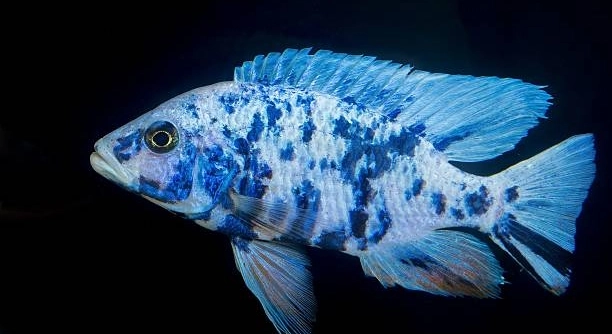
Cichlids are fascinating fish that often show unique behaviors before spawning. Observing their actions closely can reveal early signs of breeding, helping aquarists prepare the tank and ensure a healthy environment for their fry.
Before cichlids spawn, several behavioral and physical changes become apparent. These include increased territoriality, changes in coloration, nest preparation, frequent cleaning of surfaces, paired swimming, guarding tendencies, and a rise in feeding activity. Recognizing these signs can guide timely interventions.
Noticing these subtle shifts in your aquarium can improve your ability to care for the fish and support a successful spawning experience.
Increased Territorial Behavior
When cichlids are about to spawn, one of the first things you might notice is their territorial nature. They often pick a specific area of the tank and guard it fiercely. Other fish that enter this space may be chased away quickly. This behavior can include flaring fins, sudden darting movements, and even nudging or biting intruders. It is their way of protecting a potential nesting site. Males tend to be more aggressive, but females can also show protective behavior around preferred surfaces or rocks. You may also notice that they spend more time patrolling the boundaries of their chosen area, making their presence known. Observing these changes can give you a clear signal that spawning is near. Preparing the tank and ensuring hiding spots for less dominant fish can help reduce stress and prevent injury.
Territorial behavior is a clear precursor to spawning. Fish often claim and defend specific areas aggressively to secure a safe space for eggs and fry. Recognizing this helps you anticipate breeding activity and manage tank dynamics.
Watching these territorial displays can be fascinating. It allows you to see which areas the fish value most and how they interact with each other before laying eggs.
Changes in Coloration
Cichlids often exhibit noticeable changes in coloration before they spawn. Their colors can become brighter and more intense, especially along the fins and body. Males usually display the most dramatic shifts, signaling readiness to attract a mate. Females may also show subtle changes, often highlighting areas near the belly. These color changes are temporary, usually fading once spawning is complete. The transformation can also indicate the health and vitality of the fish, with dull colors sometimes pointing to stress or illness. Observing these shifts helps in identifying which individuals are preparing to breed. Tank lighting and water quality can influence how vivid these changes appear, so maintaining a stable environment is important. Even minor adjustments in diet or water conditions can affect coloration, making it a useful but sensitive sign of reproductive readiness.
Color changes serve as visual cues for mating and social interactions. They indicate which fish are ready and help reduce conflict in the tank.
Paying attention to these subtle shifts allows you to better understand your cichlids’ behavior. It also helps you create an environment that encourages natural spawning. Proper lighting, clean water, and a balanced diet enhance these visual signals and ensure the fish are in optimal condition. Observing coloration along with other behaviors gives a more complete picture of breeding readiness. These changes are often the easiest signs for hobbyists to notice, making them practical indicators for tank management. Over time, you can even predict which pairs are likely to spawn together. Maintaining stable conditions during this period is essential, as stress can delay or prevent breeding despite visible color cues.
Nest Preparation
Cichlids start arranging surfaces or digging pits before spawning. They move gravel, rearrange rocks, and clean flat areas. This is done to create a safe place for eggs and to attract a mate. Both males and females participate in preparing the nest.
Nest building is a very active process. Fish may push small stones or sand into specific spots, sometimes creating shallow pits or clearing smooth surfaces on rocks. They also clean these areas repeatedly, removing debris or algae. This behavior signals readiness for breeding and helps eggs stay safe. Watching this activity can show which fish are serious about spawning. Nest preparation can take several days, with repeated adjustments as the fish fine-tune their chosen site.
Some species prefer caves or hollow spaces, while others favor open flat areas. The chosen spot is often defended vigorously. Understanding nest preferences can guide tank setup, helping the fish feel secure and increasing the chances of successful spawning. Providing multiple potential sites can reduce stress and prevent conflicts between pairs competing for the same space.
Paired Swimming
Before spawning, cichlids often swim together closely, matching movements and staying near each other. This behavior strengthens bonds and signals readiness for reproduction. Paired swimming is more frequent at specific times of day.
This synchronized swimming allows the fish to coordinate their roles during spawning. One may lead while the other follows, and they often circle or hover around the nest together. It also helps establish trust between the pair. Watching this behavior can indicate which individuals are likely to mate soon. Paired swimming is usually accompanied by gentle nudges and occasional displays, showing mutual recognition and comfort.
During paired swimming, both fish become more aware of their surroundings and potential threats. The coordinated behavior minimizes conflicts with other tank mates and helps protect the nesting site. Observing these patterns can help you anticipate breeding activity and adjust tank conditions. Providing enough space and hiding spots supports safe interaction, reducing stress for both fish and increasing the likelihood of successful spawning.
Guarding Behavior
Cichlids begin guarding their chosen area more intensely before spawning. They chase away intruders and patrol the territory constantly. Both males and females may participate, depending on the species.
This protective behavior ensures that eggs and fry will have a safe environment. Fish remain vigilant, often staying near the nest and reacting quickly to any perceived threats.
Frequent Cleaning
Cichlids clean surfaces repeatedly in preparation for laying eggs. Rocks, leaves, and flat areas are scrubbed until smooth. This behavior removes debris and algae, providing a suitable surface for eggs to adhere to. Clean surfaces also reduce the risk of fungal infections, improving survival rates for future fry.
Increased Feeding Activity
Before spawning, cichlids often eat more than usual. They consume extra food to build energy for the breeding process and to prepare for caring for eggs and fry.
How can I tell when my cichlids are ready to spawn?
Cichlids show several clear signs before spawning. Territorial behavior is one of the easiest to notice—they will claim an area and defend it aggressively. Color changes also indicate readiness, with males usually displaying brighter, more intense colors. Nest preparation is another strong signal; fish will dig pits, clean surfaces, and rearrange gravel or rocks to create a suitable site for eggs. Paired swimming, where the male and female stay close and move together around the nest, is another indicator. Guarding behavior intensifies as spawning nears, and feeding may increase slightly to provide extra energy for reproduction. Observing these combined behaviors can reliably signal that spawning is imminent.
Do all cichlids display the same pre-spawning behaviors?
Not all cichlid species behave identically before spawning. While many exhibit territorial aggression and nest preparation, the exact form can vary. Some species prefer caves or hollow spaces over open pits, and their cleaning habits may differ. Color changes may be subtle in some species but dramatic in others. Paired swimming might be brief for certain types and extended for others. Even guarding behavior can vary in intensity, with some species leaving fry more exposed than others. Observing your specific species is key, and learning their normal patterns can help you notice subtle changes that signal spawning.
How long does it take for cichlids to spawn once signs appear?
The time from pre-spawning behavior to actual egg-laying can range from a few days to over a week, depending on species and environmental conditions. Temperature, water quality, and tank setup influence timing. Fish may repeatedly prepare and clean a nest before depositing eggs. The pair often synchronizes movements through paired swimming to ensure coordination. Territorial defense remains active during this time, and any disturbance can delay spawning. Providing a stable environment with clean water, adequate hiding spots, and minimal stress helps ensure the process proceeds efficiently. Observation during this period is essential to predict when eggs will appear.
What should I do to prepare my tank for spawning cichlids?
Prepare a safe and suitable environment for your cichlids by arranging multiple nesting spots and providing flat surfaces, rocks, or caves, depending on the species. Keep water clean and stable, with proper temperature and pH levels. Avoid overcrowding, as territorial aggression can escalate during this time. Ensure that less dominant fish have hiding places to reduce stress. Feeding a balanced diet with extra protein can help both male and female build energy for spawning. Removing aggressive tankmates temporarily may also prevent injury. Observing pre-spawning behavior allows you to anticipate which areas the pair will use and adjust the tank setup accordingly.
How can I reduce stress for cichlids during spawning?
Stress can prevent spawning or harm eggs and fry. Keep the tank quiet and avoid sudden movements or water changes. Maintain consistent water temperature and chemistry, as fluctuations can disrupt behavior. Provide ample hiding spots for both the spawning pair and other tank mates. Avoid overcrowding and separate overly aggressive fish if necessary. Feeding a nutritious diet supports energy and reduces competition over food. Observing without interfering allows fish to maintain natural behaviors, improving the likelihood of successful spawning. Reducing stress also helps the pair remain focused on nest preparation, egg-laying, and later guarding their fry.
When should I separate fry from adult cichlids?
Separating fry depends on species and tank setup. Many adult cichlids will aggressively protect their young, but some may eat them once they become mobile. If the tank is small or overcrowded, transferring fry to a separate rearing tank ensures higher survival. Use gentle methods, like a fine net or breeder box, to avoid harming the fry. Keep water conditions consistent and maintain feeding with appropriate-sized food. Observing the adult pair closely helps determine the safest time for separation. Some pairs can cohabit with fry safely if the tank is large and has plenty of hiding spots.
What should I feed cichlids before and after spawning?
Before spawning, cichlids benefit from a diet rich in protein and nutrients to build energy for reproduction. High-quality flakes, pellets, frozen brine shrimp, or bloodworms work well. After spawning, continue feeding both the adults and fry appropriately. Fry require finely crushed or specialized fry food, while adults need maintenance diets to recover energy. Proper nutrition supports egg production, fry growth, and the parents’ health. Consistent feeding routines help reduce competition and stress in the tank. Avoid overfeeding, as leftover food can pollute water, creating unhealthy conditions that interfere with spawning and fry survival.
How do I know if eggs or fry are healthy?
Healthy eggs are usually clear, smooth, and attached firmly to the chosen surface. Cloudy or discolored eggs may indicate fungus or poor water conditions. Fry should be active and grow steadily, with clear eyes and a normal swimming pattern. Parents often guard the young, and their involvement is a good sign. Monitoring water quality, including temperature, pH, and cleanliness, ensures eggs and fry remain in optimal conditions. Observing feeding behavior and growth helps track health. Any sudden changes in activity, color, or survival rates may require intervention, such as improving water quality or gently relocating fry.
Can environmental changes delay spawning?
Yes, changes in temperature, pH, or water hardness can delay spawning. Sudden disturbances, like moving the tank, adding new fish, or performing large water changes, can also disrupt behavior. Cichlids rely on stable conditions to feel secure enough to breed. Maintaining consistent light cycles, clean water, and proper nutrition helps prevent delays. Stress from tankmates or overcrowding can also slow the process. Observing behavior over time provides insight into how environmental factors affect readiness. Minimizing disruptions during the pre-spawning period improves the likelihood of timely egg-laying and increases the chances of fry survival.
How can I increase the chances of successful spawning?
Focus on stable water conditions, suitable nesting sites, and a balanced diet. Monitor fish behavior and respond to aggression or stress promptly. Provide hiding spots for other tankmates to reduce conflict. Avoid frequent disturbances during pre-spawning and spawning phases. Observing paired behaviors like synchronized swimming and nest preparation helps anticipate breeding. Ensure temperature, pH, and cleanliness are optimal. Feeding nutrient-rich foods supports both adult health and fry development. Over time, maintaining these conditions consistently encourages natural breeding cycles, increases egg survival, and ensures that fry grow in a safe, healthy environment.
Caring for cichlids during their spawning period requires attention, patience, and a careful approach to the tank environment. Observing their behaviors closely can make a big difference in ensuring successful breeding. From territorial displays to nest preparation and paired swimming, each action provides insight into the fish’s readiness to spawn. These signs are subtle at first but become more obvious over time. By understanding them, you can make simple adjustments to the tank that help reduce stress, provide security, and support the natural reproductive process. Paying attention to these details shows respect for the fish’s needs and can make breeding a smoother, more predictable process.
Providing a stable and healthy environment is essential. Maintaining clean water, consistent temperature, and proper pH helps the cichlids feel secure, which encourages natural behaviors. Adequate hiding spaces, multiple nesting areas, and a well-arranged substrate allow them to establish territory without constant conflict. Feeding a balanced diet with enough protein ensures that both males and females have the energy they need for spawning and caring for eggs or fry. Even small changes, like adjusting lighting or adding smooth rocks for cleaning, can make a noticeable difference in the fish’s comfort and readiness. Observing the fish without constant interference allows them to engage in their natural patterns, which increases the chances of successful breeding.
Understanding and responding to the pre-spawning behaviors of cichlids also helps you anticipate and support the care of eggs and fry. Guarding behaviors, cleaning, and feeding patterns indicate when the fish are preparing to reproduce, giving you time to adjust tank conditions or provide extra resources. Watching these behaviors closely allows for better intervention if needed, such as separating fry or offering additional nutrition. Over time, experience with your specific species will make it easier to predict their actions and needs. Focusing on these aspects not only supports healthy reproduction but also strengthens your connection with the tank and the fish you care for, making the experience both practical and rewarding.

Hello,
If you enjoy the content that we create, please consider saying a "Thank You!" by leaving a tip.
Every little bit helps us continue crafting quality advice that supports the health, happiness, and well-being of pets around the world, for pets of all shapes, sizes, and species.
We really appreciate the kindness and support that you show us!