
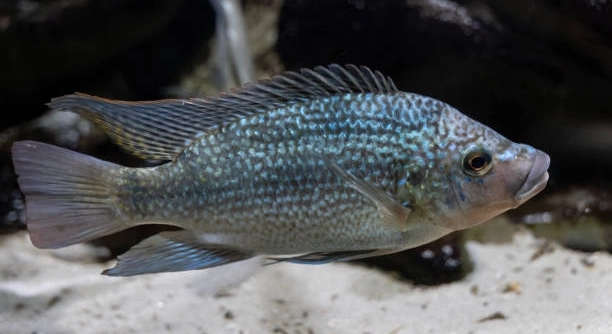
Do you enjoy keeping freshwater fish but want to learn more about their unique behaviors? Convict cichlids are common in home aquariums, yet many aspects of their habits and biology remain surprising to most hobbyists.
Convict cichlids display complex social structures and adaptive breeding behaviors. They are highly territorial, capable of recognizing individual tank mates, and show advanced parental care, making them an intriguing subject for both observation and scientific study.
Exploring these facts will deepen your understanding of convict cichlids and enhance your appreciation for their fascinating behaviors and adaptability in captivity.
Unusual Color Variations
Convict cichlids are often recognized by their black-and-white stripes, yet some display rare color patterns. Albino or gold variants exist, showing pale yellow or pinkish hues. These color differences are usually due to genetic mutations or selective breeding in captivity. Wild populations rarely show these variations, making them more common in home aquariums. The intensity of stripes can also vary depending on stress, mood, and environmental conditions. Some cichlids darken their stripes when defending territory or protecting their fry, while others may appear lighter when relaxed. Observing these changes can reveal a lot about their behavior and current state. While color can attract attention, it does not indicate health on its own. Regular monitoring of diet, water conditions, and tank mates is essential to ensure their vibrant patterns are maintained. Color variations add a unique charm but also serve as behavioral indicators for careful observers.
These color differences make each convict cichlid slightly unique and engaging to watch over time.
Color patterns are not just aesthetic; they play a role in communication. Changes in shade or stripe intensity signal mood, aggression, or readiness to breed. Watching these subtle shifts can help predict interactions, reduce stress, and improve overall tank harmony. Even small adjustments in lighting or decoration may influence their appearance. By understanding these signals, caretakers can better manage social dynamics and maintain healthy, vibrant fish.
Advanced Parental Care
Convict cichlids are devoted parents, often guarding their eggs and fry for weeks after hatching.
Both males and females participate in protecting offspring. They fan the eggs with their fins to provide oxygen, remove debris, and aggressively chase away intruders. Unlike many fish, they can recognize their young and adjust behaviors depending on the threat level. Parental care continues well after hatching, with fry guided to food sources while under constant supervision. This level of involvement is unusual among freshwater fish and highlights their complex social behaviors. Observing their protective instincts can be fascinating, revealing both patience and intensity. Conflicts with tank mates are minimized when parents are focused on guarding their young. Providing hiding spaces and gentle environmental conditions supports successful breeding. Understanding their care methods allows aquarists to facilitate reproduction while minimizing stress, ensuring both parent and fry thrive in captivity.
Watching convict cichlids raise their young demonstrates a sophisticated balance of aggression and nurturing. It is a remarkable example of instinct-driven behavior.
Territorial Behavior
Convict cichlids are highly territorial, often defending their chosen area against other fish. They use displays, chasing, and biting to maintain control, especially during breeding periods. Territory size and aggression levels can vary depending on tank size and the number of fish present.
Territorial disputes usually begin with posturing, including flaring fins and darkening stripes. If one fish does not submit, chasing and physical contact may occur. Providing plenty of hiding spots and visual barriers can reduce constant conflict. They often choose specific areas around rocks, plants, or corners as personal space, which they guard aggressively. Male and female pairs will jointly defend territory, especially when eggs or fry are present. Observing these behaviors can be insightful, as it shows how convict cichlids communicate dominance, stress, and readiness to breed. Proper tank setup helps minimize stress while allowing natural behaviors to manifest.
Aggression is most pronounced during breeding. Even mild disturbances can trigger defensive behavior, making it essential to plan tank mates carefully. Managing their environment ensures both safety and healthy interactions. By understanding territorial instincts, you can maintain balance and prevent injuries.
Diet and Feeding Habits
Convict cichlids are omnivorous, eating flakes, pellets, and live or frozen foods. They prefer protein-rich diets but also consume plant matter to stay healthy.
Feeding behavior is active and sometimes competitive. They will chase food around the tank and occasionally display aggression toward slower fish. Providing a balanced mix of protein and vegetable-based foods ensures proper growth and coloration. Feeding small amounts multiple times a day mimics natural conditions and prevents overfeeding. Observing their eating patterns also helps monitor health. Healthy fish will approach food eagerly and show strong coloration. Sudden changes in appetite can indicate stress, illness, or water quality issues. Live foods like brine shrimp stimulate natural hunting instincts, keeping them active and mentally engaged. Including occasional vegetables such as spinach or zucchini supports digestion and overall well-being.
Feeding time also reinforces social hierarchy within the tank. Dominant fish usually eat first, while less aggressive ones wait or hide. Providing scattered feeding areas can reduce competition and promote harmony. Monitoring intake and adjusting portions based on activity level ensures all fish thrive. Understanding these habits improves overall care and strengthens the bond between caretaker and fish.
Rapid Growth
Convict cichlids grow quickly, reaching maturity within six to eight months. Their growth rate depends on diet, tank conditions, and water quality, making consistent care essential.
Providing high-quality food and maintaining stable water parameters supports healthy development. Overcrowding or poor nutrition can slow growth and affect overall health.
Compatibility With Other Fish
Convict cichlids are aggressive toward smaller or less assertive fish. Careful selection of tank mates is necessary to prevent injuries. Peaceful species of similar size may coexist, but monitoring interactions is essential to avoid conflicts.
Breeding Frequency
Convict cichlids can breed multiple times per year. With proper care, pairs may spawn every four to six weeks, producing several dozen eggs per cycle. Their prolific reproduction makes them suitable for observing breeding behavior in captivity.
Tank Environment
A well-structured tank with hiding spots, rocks, and plants helps reduce stress and encourages natural behaviors. Adequate space and clean water are essential for their health and growth.
FAQ
What is the ideal tank size for convict cichlids?
A tank of at least 30 gallons is recommended for a pair of convict cichlids. Larger tanks allow for territorial space, reducing aggression. Adding visual barriers like rocks or plants helps separate territories and gives the fish areas to retreat if conflicts arise. Overcrowding can increase stress, trigger fights, and impact health.
Can convict cichlids live with other species?
Convict cichlids are aggressive, especially during breeding. They can coexist with similarly sized, robust fish, but smaller or passive species may be harassed or injured. Monitoring interactions and creating separate territories with decorations or plants is important to maintain harmony. Avoid keeping them with delicate or slow-moving fish.
How often should they be fed?
They thrive on small, frequent meals, usually two to three times a day. A balanced diet of flakes, pellets, and occasional live or frozen protein ensures proper growth and health. Including plant matter, such as spinach or zucchini, supports digestion and maintains coloration. Avoid overfeeding, as leftover food can pollute the tank.
How do I encourage breeding?
Provide stable water conditions, a consistent temperature around 75–80°F, and adequate hiding spots. Convict cichlids form strong pairs naturally. They prefer flat surfaces like rocks or tiles for laying eggs. A balanced diet rich in protein encourages reproductive activity and ensures healthy fry.
How many eggs do they lay at a time?
A single spawn can produce 50 to 200 eggs depending on the female’s size, age, and health. Both parents participate in guarding the eggs and protecting the fry once hatched. Eggs typically hatch within three to five days, with fry becoming free-swimming after another five to seven days.
Do they need special water conditions?
They are hardy but do best in slightly hard, neutral to slightly alkaline water. Regular water changes and consistent filtration maintain stability, which supports growth, breeding, and general health. Avoid sudden changes in pH, temperature, or water hardness, as stress can trigger illness or aggression.
What signs indicate stress or illness?
Pale stripes, lethargy, refusal to eat, or hiding excessively can indicate stress or disease. Rapid gill movement or scratching against objects may signal parasites or poor water quality. Observing behavior regularly and maintaining clean water prevents many common problems. Quarantine new fish to avoid introducing illnesses.
How can I reduce aggression?
Providing sufficient space, hiding spots, and visual barriers reduces conflict. Feeding multiple areas at once minimizes competition. Keeping them in pairs or established groups prevents constant fighting, and removing overly aggressive individuals may be necessary in mixed-species tanks.
What is their lifespan?
Convict cichlids generally live four to eight years with proper care. Diet, water quality, tank size, and reduced stress impact longevity. Regular observation and preventive maintenance help them stay healthy and active throughout their lifespan.
Are they suitable for beginner fishkeepers?
Yes, due to their hardiness and adaptability. However, managing aggression, breeding, and territorial behavior requires attention. Understanding their natural behaviors and providing proper tank conditions ensures a rewarding experience. They are ideal for those ready to observe active and intelligent freshwater fish closely.
Can I hand-feed them?
Convict cichlids can learn to take food from your fingers, though this should be done carefully to avoid accidental nips. Hand-feeding can strengthen observation skills and help monitor health while encouraging interaction without stressing the fish.
How do I care for fry?
Once free-swimming, provide small, nutritious foods like baby brine shrimp or finely crushed flakes. Separate them from aggressive tank mates if necessary. Maintaining clean water and monitoring feeding ensures fry grow quickly and healthily. Parents often continue guarding fry, which can reduce losses if tank conditions are stable.
Do they rearrange the tank?
Yes, they often dig and move substrate, especially during breeding. This behavior is natural but can uproot plants or decorations. Providing plenty of rocks, hiding places, and sturdy plants helps reduce damage and supports their instinctual activities.
Can I keep multiple pairs in one tank?
Multiple pairs can be kept in a large tank with sufficient hiding spots and visual barriers. Overcrowding increases aggression, so careful planning and monitoring are essential. Separate breeding areas and providing distinct territories helps maintain peace among pairs.
Is breeding guaranteed in captivity?
No, breeding depends on compatible pairs, stable water conditions, proper diet, and low stress. Even with ideal conditions, some pairs may not spawn immediately. Patience and observation are key, as convict cichlids have distinct preferences for mates and nesting sites.
How do I handle water changes?
Regular partial water changes of 20–25% weekly maintain water quality. Avoid sudden temperature or pH fluctuations during changes, as this can stress the fish. Using a gravel vacuum prevents waste buildup and keeps the tank healthy for both adults and fry.
Do they recognize their owners?
Convict cichlids can recognize feeding routines and may approach when caretakers are near. This recognition is largely behavioral and based on consistent interaction, providing opportunities to observe personality and daily habits closely.
What plants survive with convict cichlids?
Sturdy plants like Anubias, Java fern, or artificial decorations work best, as convict cichlids dig and uproot delicate species. Anchoring plants to rocks or driftwood can help maintain a natural-looking environment without constant damage.
Can they adapt to community tanks?
They adapt only if tank mates are chosen carefully and territories are well-established. Aggression levels must be monitored, and adequate space is critical to prevent stress or injury. Even robust fish may face challenges when paired with convict cichlids.
How can I improve their lifespan?
Maintain stable water quality, provide a balanced diet, prevent overcrowding, and monitor behavior for signs of stress or illness. Ensuring they have proper territory, hiding spots, and compatible tank mates reduces aggression and supports long-term health.
This FAQ provides practical guidance for managing convict cichlids effectively, covering care, feeding, behavior, and breeding. Observing their instincts and adjusting the tank environment ensures healthier, more active fish.
Word count: 508
Convict cichlids are fascinating freshwater fish that combine resilience with surprisingly complex behaviors. Their adaptability makes them suitable for a wide range of aquariums, from beginner setups to more advanced tanks. Despite their small size, they exhibit strong personalities, marked by territorial instincts and highly developed parental care. Observing their interactions, including aggression, social hierarchy, and nurturing behaviors, can be rewarding and informative. Each fish may display subtle differences in color, pattern, or behavior, making them more than just a decorative addition. Paying attention to these differences allows you to understand their needs more fully and create a tank environment that supports both their health and natural instincts.
Successful care of convict cichlids depends on maintaining stable water conditions, providing a balanced diet, and managing their environment carefully. Tank size, hiding spaces, and decorations influence behavior and reduce stress, particularly when multiple fish are present. Their rapid growth and frequent breeding require planning and attention, especially if you aim to raise fry. Observing feeding habits and interactions helps prevent conflicts, as aggression can escalate quickly if territories are too small or poorly structured. Maintaining clean water, stable temperature, and proper pH levels is critical, as convict cichlids, while hardy, are sensitive to sudden changes. Regular monitoring of both physical health and behavior ensures that issues are addressed promptly and reduces the risk of illness or injury in the tank.
Overall, convict cichlids are active, intelligent, and visually striking fish that provide both challenge and enjoyment to aquarium care. Their strong instincts, combined with adaptability, create a dynamic and engaging environment for anyone willing to observe and manage them thoughtfully. Understanding their dietary needs, social behavior, and reproductive patterns is key to keeping them healthy and thriving. By providing proper care, space, and attention, these fish can live long, active lives while offering insight into their complex behaviors. Whether monitoring territorial interactions, observing parental care, or noting subtle changes in color and activity, convict cichlids demonstrate remarkable instincts that make them both interesting and rewarding to keep. The balance of aggression, curiosity, and protective behavior makes them unique in freshwater aquariums, providing ongoing opportunities for learning and careful management.
Word count: 408

Hello,
If you enjoy the content that we create, please consider saying a "Thank You!" by leaving a tip.
Every little bit helps us continue crafting quality advice that supports the health, happiness, and well-being of pets around the world, for pets of all shapes, sizes, and species.
We really appreciate the kindness and support that you show us!