
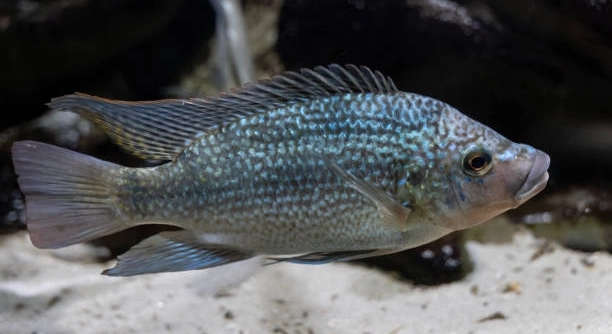
Have you ever found yourself with extra cichlid fry after a successful spawn, unsure of the next step? Many aquarists face this moment, balancing excitement with responsibility as tiny fish quickly outgrow their nursery tanks.
The appropriate course of action for excess cichlid fry involves responsible rehoming, controlled population management, or collaboration with local aquarists and retailers. These methods reduce overcrowding, support fish welfare, and maintain stable aquarium conditions while aligning with ethical fishkeeping practices.
Clear choices and thoughtful planning can turn a crowded tank into a balanced system that benefits both fish and keeper.
Rehoming and Responsible Placement
Extra cichlid fry can quickly overwhelm a home aquarium, so finding safe placement matters. Local fish stores often accept healthy juveniles, especially when species are clearly identified. Aquarium clubs and online hobby groups also provide reliable options, since members understand proper care. When offering fry, be honest about age, size, and temperament. This helps prevent mismatched tanks and losses. I have found that sharing photos and water parameters builds trust and speeds responses. Proper transport is equally important. Use clean bags, stable temperatures, and minimal handling. Avoid releasing fish into local waterways, as this harms ecosystems and is illegal in many areas. Responsible placement protects your fish and supports the wider aquarium community. With planning, excess fry can become valued additions elsewhere rather than a source of stress at home. This approach also reduces overcrowding, improves water quality, and allows you to focus on maintaining stable, humane conditions long term.
Raising fry with a clear plan lowers anxiety and keeps tanks manageable. Simple steps like early sorting and outreach make a noticeable difference. It also prevents rushed decisions later, which can compromise fish health and create unnecessary losses during critical growth stages for developing juveniles in captivity over time consistently.
Another option is managing numbers within your own setup. Separating sexes early limits uncontrolled breeding. Adjusting temperature, diet, and tank layout can slow spawning frequency without harming adults. Some keepers choose to raise only select fry while allowing natural attrition in larger tanks. This must be done carefully, with adequate space and filtration. I learned that restraint is part of good care. Overcrowding leads to stunted growth and stress. By setting firm limits, you protect water stability and fish wellbeing. This approach requires honesty about your capacity, but it keeps the aquarium healthy and sustainable over time for keepers everywhere.
Ethical Choices and Long Term Care
Every decision involving fry reflects personal responsibility. Thoughtful handling, realistic limits, and respect for aquatic life ensure outcomes that align with ethical fishkeeping and long term stability. These choices shape daily care routines and influence how successfully tanks function under changing conditions within a home environment over many years ahead.
Keeping cichlids means accepting their strong breeding instincts. Planning ahead prevents frustration and supports healthier systems. Start by learning the species specific behaviors, since some breed constantly while others are seasonal. Maintain extra grow out tanks only if space, time, and budget allow. Track numbers honestly and avoid emotional decisions based on size or color alone. I remind myself that not every fry needs to be raised. Consistent maintenance, strong filtration, and regular water changes remain essential as populations shift. Building relationships with stores or clubs before fry appear saves time later. Clear labeling and records help when sharing fish. Ethical management reduces waste and improves survival rates for those you keep. In the end, balanced tanks are calmer, easier to maintain, and more rewarding to observe over time. This approach encourages patience and consistency. It also keeps costs predictable and workloads reasonable. By respecting limits, you avoid burnout and sudden losses. Over time, confidence grows, and care decisions feel clearer. A stable system reflects thoughtful planning and steady habits that support both fish health and personal enjoyment. This mindset helps maintain balance even during unexpected spawns or changes in tank conditions without compromising daily care standards for responsible aquarists.
Selective Raising at Home
Keeping a limited number of fry can be a practical choice when space allows. Select the healthiest individuals early and move them to a grow out tank. This reduces strain on filtration, simplifies feeding, and supports steady growth without constant overcrowding issues for long term home aquarium stability overall management.
Daily care becomes more manageable when numbers are controlled. Fry need frequent feeding, clean water, and observation for uneven growth. Smaller groups allow you to notice aggression early and separate fish if needed. I have found that slower growth often improves color and structure. Overstocked tanks push fish to compete, which increases stress. By limiting how many you raise, you protect adult tanks from sudden bio load spikes. This method takes patience, but it creates healthier juveniles that adapt better when rehomed or moved later over time with consistent routines and careful record keeping that support stable long term care.
Equipment plays a role in successful selective raising. Sponge filters protect small fry and keep water gentle. Bare bottom tanks make cleaning easier and reduce waste buildup. Consistent water changes matter more than tank size at this stage. I prefer simple setups because problems are easier to spot. Label tanks clearly to avoid mixing groups. Keep notes on hatch dates and parent pairs. Organization prevents confusion and accidental overcrowding. With fewer fry, each step feels controlled, and daily maintenance stays realistic alongside other household responsibilities without sacrificing fish health, time, or long term system stability and balance overall daily care.
When Letting Nature Decide
Some aquarists allow natural population control in larger setups. Fry survival depends on hiding spaces, adult behavior, and tank layout. This method avoids constant intervention. I only consider it in spacious tanks with strong filtration. Losses will occur, so expectations must stay realistic. When done carefully, it maintains balance without extra tanks or daily sorting tasks and suits keepers with limited time and resources available while prioritizing system stability, fish welfare, and long term sustainability.
This approach is not suitable for every situation. Aggressive species may eliminate most fry quickly, while calmer tanks may still become crowded. Monitor numbers closely during early weeks. I watch feeding responses and hiding behavior to gauge balance. Dense rockwork and plants increase survival rates, which may defeat the purpose. Adjust decor if numbers climb too fast. Never rely on this method in small aquariums. Ethical care still applies, even when nature plays a role. If stress signs appear, intervention becomes necessary. The goal is stability, not neglect, and that line requires honest observation and restraint. Over time, experience helps determine when adjustment is required to protect overall system health while avoiding unnecessary losses, frustration, and reactive decisions during unexpected spawning events in home aquariums.
Working With Local Fish Stores
Local fish stores can be a practical outlet for extra fry. Call ahead and ask about species preferences and size requirements. Healthy, well grown juveniles are more likely to be accepted and treated properly once transferred into store systems. Clear communication helps everyone involved avoid confusion and delays later thereafter.
Some shops offer store credit rather than cash, which can still be useful. I prefer this option because it supports maintenance costs. Always confirm quarantine practices and transport expectations so fry experience minimal stress during the handoff process. This step protects health and improves survival rates after placement there overall.
Selling or Trading Fry Independently
Selling or trading fry directly gives you control over placement. Online listings and local groups work best when details are clear. Include species, age, size, and care notes. I keep prices reasonable to prioritize good homes. Meet in safe public locations or arrange porch pickups. Never ship fish without proper experience and materials. Use insulated containers and heat packs only when necessary. Screen interested buyers by asking about tank size and experience. This reduces losses and protects your reputation. Clear boundaries prevent last minute pressure. Thoughtful exchanges benefit both parties and encourage responsible fishkeeping habits over time with consistent care.
Avoiding Improper Disposal
Releasing fry into local waters is never acceptable. It damages ecosystems and may be illegal. Even unwanted fish deserve humane treatment. Planning ahead prevents rushed decisions. Responsible options protect native species, maintain ethical standards, and reflect respect for the animals under your care as a long term keeper overall values.
FAQ
How many fry can I safely raise at home?
The number of cichlid fry you can raise depends on tank size, filtration, and adult population. Small grow out tanks work best for limited numbers. I usually start with no more than 15–20 in a 20-gallon tank. Overcrowding slows growth, increases aggression, and stresses both fry and adults. Keeping numbers low allows easier monitoring of health and feeding, and makes water maintenance manageable. For larger tanks, you can raise more, but always account for bio load and filtration capacity to avoid water quality issues that can quickly affect survival rates.
What should I feed extra fry?
Fry need frequent, small feedings with appropriate food. Newly hatched brine shrimp, finely crushed flakes, or powdered fry food works well. I feed 3–4 times a day in tiny amounts so food doesn’t pollute the water. As fry grow, gradually introduce larger pellets or chopped foods. Consistency helps fry develop evenly and reduces competition. Rotate foods occasionally to provide balanced nutrition. Avoid overfeeding, because excess food leads to ammonia spikes, poor water quality, and stunted growth. Observing their behavior during feeding helps gauge whether adjustments are needed, ensuring healthier growth long term.
When is it okay to separate fry from adults?
Separating fry early is critical for species prone to predation or aggressive behavior. I remove fry once they can swim independently and adults start chasing them. Some cichlids guard their young, while others may eat them unintentionally. Use sponge filters and bare-bottom tanks to simplify care. Separating fry reduces stress, prevents injuries, and allows controlled feeding. Timing matters because removing them too early can stress young fry, while leaving them too long can risk losses. Observation is key: watch interactions, and intervene when adults display aggression or fry show signs of exhaustion or hiding.
Can I keep fry in the main tank?
Keeping fry in the main tank is possible for calm species or large setups with plenty of hiding spaces. I only try this if adults tolerate juveniles, and the tank is heavily planted or has caves. Dense decor increases survival rates but can complicate maintenance. Feeding must be carefully managed so fry get access without adults eating all the food. Watch growth and behavior closely, separating fry if they lag or get bullied. Main tank raising is convenient but carries higher risk, and requires constant vigilance to prevent unnecessary losses or stunted development over time.
How long should fry stay in grow out tanks?
Fry stay in grow out tanks until they are large enough to handle safely with adults. This varies by species, but generally 6–12 weeks is enough for small cichlids. I monitor size, body shape, and swimming strength. Growth rate depends on food quality, water parameters, and stress levels. Once fry reach a size where adults no longer see them as prey, they can be introduced to community tanks or other setups. Keeping notes on hatch dates helps plan transfers and prevents overcrowding in grow out tanks while maintaining steady, controlled development for healthier, more resilient fish over time.
What is the best way to transport fry?
Transport requires careful handling to minimize stress. Use clean, oxygenated bags or small containers with minimal water movement. I avoid sudden temperature changes and limit transport time. For longer trips, insulated boxes help stabilize conditions. Never crowd fish; overcrowding increases risk of injury or disease. Secure bags to prevent tipping or shaking. Inform recipients of water parameters and feeding routines. Transport is safest when fry are active and healthy, reducing mortality. Proper preparation, gentle handling, and clear communication make the process smoother, ensuring fry survive relocation without added stress to their developing immune systems or growth potential.
Can I sell fry online safely?
Yes, but only if handled responsibly. I list fry with clear species, size, and care information. Use experienced shipping methods for live fish, including insulated packaging, heat packs if needed, and oxygenation. Screen buyers for adequate tank size and experience. Avoid mailing during extreme temperatures. Meet in person when possible for smaller orders. Keep accurate records of transactions and follow up to ensure fry arrive safely. Selling responsibly reduces losses and maintains ethical standards while helping others access healthy fish. Clear instructions and preparation protect both fry and the reputation of the seller in long term community interactions.
What if I have too many fry and no options?
Too many fry require immediate planning. I consider rehoming, offering to clubs, or contacting stores. I never release them into local waters. Temporary grow out tanks can reduce stress, but long-term overcrowding is harmful. If options are limited, prioritize raising only the strongest fry and planning transfers carefully. Documenting numbers and ages helps coordinate placement. Overcrowding can be prevented in the future with better breeding control, sex separation, or limiting spawning conditions. Responsible planning protects both fish and ecosystem health while maintaining ethical standards and avoiding unnecessary losses in home aquariums.
How often should I monitor water conditions for fry?
Daily checks of temperature, ammonia, nitrite, and pH are important for young fry. I use simple test kits and keep logs. Frequent monitoring allows quick response to spikes or drops. Fry are sensitive to changes, and small fluctuations can cause mortality. Perform partial water changes when needed, keeping adjustments gradual to avoid stress. Observing behavior alongside water tests provides a complete picture of tank health. Consistency is critical; it ensures stable growth and survival. Maintaining stable water conditions supports immune system development and reduces susceptibility to disease, improving overall outcomes for growing fry over time.
Raising cichlid fry can feel overwhelming at first, especially when a single spawn produces more fish than expected. Managing numbers, feeding schedules, and water quality can quickly become a lot to handle. I have learned that keeping a clear plan helps reduce stress. Deciding early whether you will raise some fry at home, rehome them, or collaborate with local stores or clubs makes a noticeable difference. Even small steps, like separating the healthiest fry or preparing a temporary grow out tank, can prevent losses and create a more stable environment. Every decision matters for the fish’s health, water quality, and long-term tank stability, so careful planning from the start is essential.
The most important factor in successfully managing fry is maintaining consistent care. Daily feeding, water testing, and observation help prevent issues before they become serious. I make notes of hatch dates, growth rates, and behavior to track progress and identify any fry that need special attention. Limiting overcrowding and adjusting tank conditions gradually also reduces stress and supports proper development. Whether raising a few selected fry or allowing natural population control in a larger tank, attention to detail is key. Even small changes, like using sponge filters or adjusting hiding spaces, can improve survival rates. With steady routines, fry grow stronger, healthier, and more adaptable, which is rewarding and makes handling them in the future much easier.
Planning ahead also helps with ethical responsibilities as a fishkeeper. Releasing fry into local waters is never an option, and responsible rehoming or sharing with trusted hobbyists keeps both your fish and local ecosystems safe. Working with local stores, aquarium clubs, or other hobbyists allows extra fry to thrive under good care. Even if you only raise a few at home, thinking about long-term outcomes ensures the fish have a stable life and your tank remains manageable. By setting limits, monitoring closely, and making thoughtful decisions, you protect both your fry and your own enjoyment of the hobby. Over time, this careful approach makes keeping cichlids less stressful and more rewarding, creating healthy, balanced tanks that are easier to maintain and watch grow over months and years.

Hello,
If you enjoy the content that we create, please consider saying a "Thank You!" by leaving a tip.
Every little bit helps us continue crafting quality advice that supports the health, happiness, and well-being of pets around the world, for pets of all shapes, sizes, and species.
We really appreciate the kindness and support that you show us!