
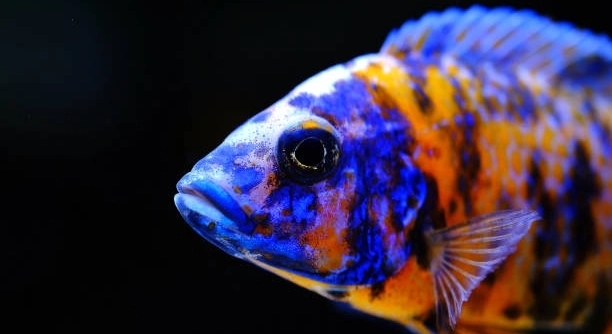
Convict cichlids are lively fish that bring energy to any aquarium. Their bold colors and active behavior make them a favorite among freshwater enthusiasts looking to create a dynamic tank.
Creating a suitable tank layout for convict cichlids involves considering their territorial nature, preferred hiding spots, and water parameters. Strategic placement of rocks, plants, and caves supports natural behaviors and reduces stress, promoting a healthy and balanced environment.
Proper planning ensures both the fish and the tank thrive. These layout ideas will inspire a functional and visually appealing setup.
Rocky Territory Layout
Using rocks as the main feature in a convict cichlid tank provides natural hiding spots and helps define territories. Arrange rocks to create caves and ledges of varying sizes. This allows each fish to claim its own area, reducing aggression and stress. Flat rocks can serve as resting places, while stacked formations offer vertical space. Make sure the rocks are stable to prevent accidents, especially during digging. Avoid sharp edges that could injure the fish, and rinse thoroughly before placing them in the tank. You can mix small and large rocks to add visual depth. The gaps between rocks also encourage exploration, letting the cichlids swim freely while maintaining a sense of security. Pairing rocks with sand or fine gravel enhances the natural look. This layout mimics the rocky habitats of their native environment, keeping behaviors more natural. Minimal decoration outside the rocks can prevent overcrowding and territorial disputes.
Adding rocks alone provides both function and visual interest while keeping cichlids active.
The rocky layout creates strong visual contrast in the aquarium. Fish can dart through openings, explore ledges, and hide when stressed. Over time, cichlids may rearrange loose rocks, showing their instinctive behaviors. Adding some hardy plants around the base or in gaps softens the hardscape and offers extra cover. Overall, this setup emphasizes natural activity while keeping aggression in check.
Sandy and Open Layout
A sandy floor with open swimming areas works well for active cichlids. It allows them to dig and move freely.
Open layouts with sand mimic riverbeds and encourage natural behaviors. Include a few scattered rocks or driftwood to break the monotony without cluttering the tank.
With a sandy and open design, cichlids can dig and explore safely. Avoid overcrowding the tank with decorations, as they prefer room to move. Flat stones can act as platforms for resting or spawning. Using sand also makes it easier to spot waste and maintain cleanliness. Driftwood adds texture and color while offering temporary hiding spots. Low, sparse plants along the edges provide shelter without taking over the open space. This layout suits a more active aquarium, highlighting the fish’s natural digging tendencies. Sand should be deep enough for them to dig without disturbing equipment. Overall, it’s a simple, low-maintenance design that encourages healthy behavior while keeping the tank visually balanced and functional.
Planted Hideaway
Adding live plants gives convict cichlids extra hiding spots and breaks up the tank visually. Choose hardy species that tolerate digging, like Java fern or Anubias.
Plants help reduce stress by offering cover and defining territories. Place taller plants in the back and sides, leaving open swimming space in the center. Use pots or anchored roots to prevent uprooting. Hardy plants withstand digging and still provide shelter for shy or subordinate fish. The greenery also balances the tank’s appearance, making the environment feel natural without overcrowding. Avoid delicate plants that may be destroyed quickly, and trim them regularly to maintain space. Combining plants with rocks or driftwood creates multiple layers of hiding spots, encouraging exploration and natural behavior. Floating plants can provide shade and diffuse light, keeping the tank calm. Plant density should allow swimming paths while maintaining secure areas, ensuring each cichlid can find its own spot.
Plants contribute to water quality by absorbing nutrients and reducing algae growth. They create microhabitats for fish to explore and rest.
Healthy plant placement encourages natural behaviors, giving cichlids a sense of security. Regular maintenance, like trimming and cleaning, prevents overcrowding and ensures the tank stays balanced and visually appealing. Combining rooted plants with pots or driftwood adds variety, offering multiple territories. Some species may even use leaves for shelter or spawning, supporting breeding behavior. Plant density should match the tank size to avoid limiting swimming space. Proper lighting helps plants thrive and keeps the tank vibrant. This layout promotes both active swimming and resting zones, creating a calm yet dynamic environment for convict cichlids.
Driftwood Maze
Driftwood adds structure, creating tunnels and hiding spots while keeping the tank natural. Place pieces strategically to form layers and pathways.
Driftwood provides cover and helps define territories without taking up too much open swimming space. Combine pieces of different shapes and sizes to create complexity. Secure larger pieces to prevent movement and allow fish to explore safely. Driftwood also slowly releases tannins, slightly coloring the water and mimicking natural habitats. Pair it with sand or fine gravel to enhance the aesthetic. Placing some plants around driftwood adds shelter while maintaining open areas. Avoid overcrowding, as too much wood can limit swimming paths. Rounded edges are safer for fish, and gaps between pieces create interesting exploration routes. This setup emphasizes activity while supporting territorial behaviors. The maze-like layout encourages curiosity and reduces stress by providing multiple escape routes.
Driftwood enhances both function and visual appeal. Fish interact with structures naturally, exploring crevices and resting in shaded areas, creating a dynamic and balanced aquarium.
Layered Rock Shelves
Stacked rock shelves create vertical space and hiding spots for cichlids. Use flat rocks to form ledges and caves, allowing fish to claim different levels.
Ensure stability by placing larger rocks at the bottom. Small gaps between shelves give fish areas to explore safely and rest.
Mixed Substrate Design
Combining sand, gravel, and small pebbles adds texture and visual interest. This mix allows cichlids to dig and sift naturally while providing varied surfaces for movement and exploration. Arrange substrates to create gentle slopes, keeping open swimming areas central. The layered design supports natural behaviors and keeps the tank visually dynamic.
Driftwood Accent
A single piece of driftwood can anchor the tank’s layout. It offers shade, hiding spots, and a natural touch to the environment.
FAQ
How often should I rearrange my convict cichlid tank?
Rearranging the tank too often can stress your fish, as they are territorial and rely on familiar landmarks. It’s best to make minor adjustments gradually, like moving a rock slightly or adding a new plant. Large changes should be spaced out over weeks to give cichlids time to adapt. Observing their behavior after each change helps you see if they are comfortable or stressed. Small tweaks to hiding spots or ledges are safer than completely reorganizing the tank, especially if fish are breeding.
Can I mix convict cichlids with other fish?
Convict cichlids are aggressive and territorial, especially during breeding. Mixing them with peaceful species often leads to stress or injury. If you want tank mates, choose similarly sized and robust fish, such as other cichlid species that tolerate competition. Avoid small or slow-moving fish, as they may become targets. Providing plenty of hiding spots and visual barriers can reduce aggression but does not eliminate it entirely. Monitor interactions closely and be prepared to separate fish if fights escalate.
What is the best substrate for digging behavior?
Sand and fine gravel are ideal for convict cichlids because they allow natural digging without harming their mouths. These substrates also make it easier to spot waste and maintain cleanliness. Avoid sharp gravel, as it can injure the fish while digging. Layering sand over some gravel can combine aesthetics with function. Some cichlids like to move small pebbles or rearrange rocks, so ensuring stability and safe edges is important. Keeping the substrate depth sufficient for digging encourages natural activity and reduces stress.
Do convict cichlids need live plants?
Live plants are not mandatory but provide hiding spots, shade, and enrichment. Hardy species like Java fern, Anubias, or Vallisneria survive digging and create cover for shy fish. Potted plants or anchored roots help prevent uprooting, while floating plants can diffuse light and reduce aggression. Plants also support water quality by absorbing nutrients and reducing algae growth. Combining plants with rocks or driftwood creates layered territories and keeps the tank visually appealing. Even a few well-placed plants make a difference for both fish behavior and tank aesthetics.
How do I prevent aggression in a small tank?
Aggression is natural for convict cichlids, but careful tank design can help. Provide plenty of hiding spots, caves, and visual barriers to break lines of sight. Avoid overcrowding and monitor territorial disputes. Maintaining proper water quality and feeding routines also reduces stress and irritation. In small tanks, consider keeping fewer fish to ensure each has space. Rearranging the layout slightly can distract aggressive individuals, but major changes should be minimal to prevent added stress. Balancing open swimming areas with shelters helps maintain a calmer environment.
Can convict cichlids coexist with plants or decorations?
Yes, but placement is key. Rocks, driftwood, and hardy plants can coexist with digging behavior if secured. Avoid delicate or easily uprooted items that can frustrate fish. Decorations should provide both hiding spots and open swimming areas. Layered layouts or spaced-out hardscape pieces reduce conflicts. Some fish may move smaller decorations while establishing territories. Anchoring items firmly ensures safety and prevents damage to both fish and aquarium. Over time, the arrangement may evolve naturally as fish explore, dig, or rest among structures, creating an active, dynamic tank environment.
What is the ideal tank size for convict cichlids?
A minimum 30-gallon tank is recommended for a pair, but larger tanks reduce aggression and provide more territory. For multiple fish, 55 gallons or more is preferable. Larger tanks allow for complex layouts with rocks, plants, and open swimming space. Depth and height also matter, as cichlids enjoy vertical territories. More space reduces stress and promotes natural behaviors. Open areas combined with multiple hiding spots make the environment functional and stimulating. Proper tank size ensures healthy growth, breeding success, and long-term wellbeing for convict cichlids.
How do I maintain water quality in a planted or decorated tank?
Regular water changes, monitoring ammonia, nitrite, and nitrate levels, and proper filtration are essential. Live plants help absorb excess nutrients, while substrate vacuuming prevents buildup. Avoid overcrowding and remove uneaten food promptly. Driftwood or decorations may release tannins, so test water parameters after introducing new items. Stable conditions support fish health and reduce aggression. Filtration and circulation should accommodate both the bioload and layout complexity. Keeping the tank clean ensures plants thrive, decorations remain safe, and fish can interact naturally without additional stress.
Can convict cichlids breed in a decorated tank?
Yes, they often use caves, rocks, or plant-covered areas for spawning. Providing secure, flat surfaces and multiple hiding spots encourages natural breeding. Separate pairs may be necessary in community settings to prevent interference. Consistent water conditions and a stable layout reduce stress during breeding. Observing territorial behaviors and protecting eggs from aggressive tankmates ensures higher survival rates. Spawning sites should be easy to access but safe from sudden disturbances. Decorations like driftwood, rocks, or potted plants can enhance breeding success while keeping the tank visually appealing.
Are there risks with rearranging decorations or rocks?
Yes, sudden or large changes can stress convict cichlids, causing aggression or hiding. Always move items gradually and observe behavior afterward. Ensure rocks and driftwood are stable to prevent collapses that could injure fish. Small adjustments are safer and allow cichlids to establish new territories without disruption. Avoid frequent complete rearrangements, especially during breeding. Even minor shifts can alter pecking orders or provoke fights if spaces become contested. Gradual, thoughtful changes maintain both fish safety and tank balance while allowing for visual updates or enrichment.
Convict cichlids are active, territorial fish that respond well to thoughtfully designed tank layouts. Providing hiding spots, open swimming areas, and stable decorations helps them feel secure and reduces stress. Each layout option, whether rocky, sandy, planted, or driftwood-based, supports natural behaviors like digging, exploring, and establishing territories. By considering their instincts and tendencies, you can create an environment that encourages healthy activity while minimizing aggression. Proper planning of tank space and decoration placement ensures every fish has room to claim a territory and interact safely with others. Stability and safety of rocks, driftwood, and plants are important to prevent accidents, as cichlids often move objects while exploring or nesting. Maintaining these elements helps the tank remain functional and visually appealing over time.
A balanced layout combines aesthetics with functionality. Rocks and caves provide shelter and territory markers, while plants soften the environment and offer additional cover. Sandy or mixed substrates allow digging, which is a natural and important behavior for convict cichlids. Open areas encourage active swimming and reduce conflicts by giving each fish space to move freely. Driftwood adds texture, shade, and areas for resting or hiding, complementing other decorations. Combining multiple elements thoughtfully can create layers of activity and shelter. The goal is not just to make the tank look attractive but also to make it supportive of natural behaviors. Even simple arrangements, when planned with the fish’s needs in mind, provide a stable and engaging environment that helps maintain long-term health and reduces stress-induced aggression.
Regular maintenance is essential to keep any layout effective. Monitoring water quality, trimming plants, and checking the stability of decorations ensures the tank remains safe and comfortable. Observing fish behavior can guide adjustments, such as adding extra hiding spots or shifting objects slightly to balance territories. Over time, fish may rearrange loose elements or establish preferred spaces, so a layout should allow flexibility while staying organized. Paying attention to tank size, substrate depth, and decoration placement helps prevent overcrowding and allows cichlids to thrive. A well-thought-out tank encourages exploration, natural activity, and breeding behavior, making it satisfying for both the fish and the caretaker. With careful planning, the tank becomes more than just a display—it is a functional habitat that promotes the wellbeing of convict cichlids.

Hello,
If you enjoy the content that we create, please consider saying a "Thank You!" by leaving a tip.
Every little bit helps us continue crafting quality advice that supports the health, happiness, and well-being of pets around the world, for pets of all shapes, sizes, and species.
We really appreciate the kindness and support that you show us!