
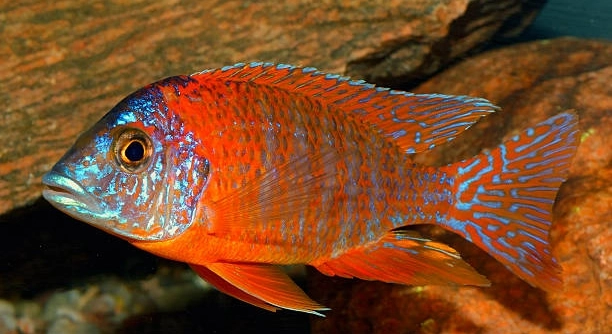
Cichlids are popular aquarium fish known for their vibrant colors and interesting behaviors. Fry require care and attention during their early days to ensure healthy growth and survival in a safe aquatic environment.
If cichlid fry are left alone, they are highly vulnerable to starvation, disease, and predation from adult fish. Without proper feeding and protection, mortality rates increase rapidly, and their chances of reaching maturity are significantly reduced.
Proper care and monitoring are essential for fry development, making it important to understand their specific needs and potential risks in an aquarium.
Why Cichlid Fry Need Constant Care
Cichlid fry are extremely fragile during their early life stages. Without regular attention, they struggle to find enough food, especially when adult fish are present. The tank environment must be carefully maintained, including water temperature, cleanliness, and oxygen levels, to prevent stress and disease. Even minor changes can cause them to weaken quickly. Fry are also at risk from larger cichlids or other tank mates that may see them as food. Providing hiding spots, such as plants or breeding cones, increases their survival chances. Frequent observation allows you to spot illness or signs of malnutrition early. A consistent feeding schedule with appropriate fry food is essential. Small portions several times a day ensure they get enough nutrition without polluting the water. Maintaining these practices helps fry grow stronger, develop properly, and reduces the likelihood of sudden death in a home aquarium.
Proper care during these first weeks directly impacts how many fry survive to adulthood, making attention essential.
Caring for cichlid fry may seem demanding at first, but the rewards are noticeable as they grow. Watching them become healthy juveniles is satisfying, and the effort put into feeding, cleaning, and monitoring the tank pays off. Using fine fry food, keeping water parameters stable, and ensuring the tank is safe from adult aggression all contribute to their well-being. Over time, fry that receive this care develop strong immune systems, vibrant colors, and natural behaviors. The early investment in their care reduces future problems and allows you to maintain a balanced and thriving aquarium. It is a small commitment compared to the loss that comes from neglect.
Common Risks When Fry Are Left Alone
Neglecting fry care can lead to rapid mortality, poor growth, and weakened immunity.
When cichlid fry are left alone, multiple risks develop quickly. Starvation is a primary concern, as fry cannot compete with adults for food. Even if food is present, they may not access it adequately. Water quality deteriorates faster in unmonitored tanks, allowing toxins like ammonia to build up, which fry are especially sensitive to. Predation is another major risk; adult cichlids may attack or eat fry, significantly reducing their numbers. Disease can spread rapidly in a neglected environment, with weak fry unable to fight infections effectively. Fry left without hiding places or proper care experience constant stress, which further compromises their development and survival. Consistent feeding, tank maintenance, and protection are essential to ensure fry grow into healthy adult fish capable of reproducing and thriving in the aquarium.
Feeding Strategies for Cichlid Fry
Frequent, small feedings are critical for fry survival. They need high-protein food suitable for their tiny mouths. Overfeeding can pollute the water, so balancing portions and timing is important. Regular observation ensures they are eating and growing properly.
Using finely crushed flakes, powdered food, or specialized fry pellets provides necessary nutrients for healthy development. Feed small amounts several times a day to prevent competition with adult fish. Ensuring all fry get access to food reduces stunted growth and improves survival rates. Avoid leaving uneaten food in the tank, as it can quickly foul the water and harm sensitive fry. Consistent feeding routines help them grow steadily and maintain energy for proper immune function.
Live food such as baby brine shrimp or microworms can enhance growth and vitality. Incorporating live or frozen options encourages natural hunting behavior and improves overall strength. Monitor fry closely to ensure they are feeding adequately and adjust food types as they develop. Providing variety in their diet supports proper coloration, skeletal growth, and long-term health, reducing the risk of deformities or illness in later stages.
Protecting Fry From Adult Fish
Separation or barriers prevent adult fish from harming fry. Hiding spots are essential for their safety.
Adult cichlids may see fry as prey, even in well-maintained tanks. Using breeding boxes, mesh separators, or dense plant areas keeps fry safe. Carefully observing interactions between fry and adults prevents accidental attacks.
Tank layout plays a major role in fry protection. Providing floating plants, caves, or small hiding spaces allows fry to escape adult aggression. Even gentle adults can unintentionally injure fry during normal swimming or feeding. Regular checks help identify potential threats and adjust tank structures accordingly. Creating safe zones for fry ensures higher survival rates, allowing them to grow without constant stress or injury.
Water Quality and Fry Health
Maintaining clean water is essential for fry survival. Ammonia and nitrite levels must be closely monitored. Frequent water changes prevent toxins from building up and keep the tank environment stable. Proper filtration supports oxygen levels and overall health.
Temperature stability is also important. Sudden fluctuations can stress fry, slowing growth and weakening immunity. Using a reliable heater and thermometer ensures consistent conditions. Regularly testing water parameters allows quick adjustments to prevent illness. Fry are particularly sensitive to poor water quality, so keeping the environment clean and stable directly improves survival and healthy development.
Signs of Malnutrition in Fry
Fry that are not feeding properly appear smaller and less active than their siblings.
Pale coloration, lethargy, and slow growth are common signs of malnutrition. Observing feeding behavior closely helps identify which fry are struggling. Adjusting feeding methods or providing live food can improve their condition. Consistent nutrition prevents long-term health issues.
Preventing Overcrowding in the Tank
Overcrowded tanks increase stress and reduce survival rates. Fry need space to swim, hide, and feed freely.
FAQ
What happens if cichlid fry are left alone in the tank?
If cichlid fry are left alone, they face multiple risks. Starvation is a primary concern since fry cannot compete with adult fish for food. Poor water quality can quickly affect them, as ammonia and nitrite levels rise faster in unmonitored tanks. Predation from adult cichlids or other tank mates also becomes a serious threat. Additionally, stress from lack of hiding places or constant movement around adults weakens their immune system, making them prone to disease. Without intervention, mortality rates increase rapidly, and very few fry survive to reach maturity.
How often should I feed cichlid fry?
Cichlid fry need small, frequent meals to grow properly. Feeding them three to five times a day with finely crushed flakes, powdered food, or specialized fry pellets ensures they get enough nutrients without overloading the tank with waste. Live or frozen foods like baby brine shrimp or microworms can be introduced to improve growth and vitality. Observing fry during feeding helps ensure all are eating and none are left behind. Removing uneaten food prevents water quality issues that could harm the fry.
Do adult cichlids harm fry even if they are well-fed?
Yes, adult cichlids may harm fry even when they are fed adequately. Instinctive behavior can drive adults to see fry as prey, particularly in crowded or poorly structured tanks. Using breeding boxes, mesh separators, or dense plant areas provides fry with safe hiding spaces. Even adults that seem calm can accidentally injure fry while swimming or during feeding. Regular observation and adjusting tank layout are necessary to prevent unnecessary losses and stress for the fry.
How do I know if fry are healthy?
Healthy fry are active, show normal swimming behavior, and maintain consistent growth. Bright coloration and proper response to food are good indicators of health. Pale, lethargic, or stunted fry may indicate malnutrition, poor water quality, or stress. Observing behavior daily helps detect problems early. Fry that feed well, hide when needed, and swim freely are generally on track for proper development. Regular monitoring of water parameters and proper nutrition supports these signs of health.
What water conditions are best for cichlid fry?
Stable water temperature and clean conditions are critical. Most cichlid fry thrive in slightly warm water, around 78–82°F (25–28°C), depending on species. pH should remain stable within the species-specific range. Frequent small water changes prevent toxic buildup, while proper filtration maintains oxygen levels. Sudden fluctuations in temperature, pH, or ammonia can stress fry, slow growth, and increase susceptibility to disease. Maintaining consistent water conditions significantly improves fry survival and development.
Can I mix fry from different cichlid species?
Mixing fry from different species is possible but requires caution. Aggressive species may attack smaller or weaker fry. Differences in growth rates, feeding needs, and behavior can create competition or stress. Providing separate tanks or using dividers for vulnerable fry ensures better survival. Monitoring interactions and providing ample hiding spaces helps reduce conflict. Understanding each species’ requirements allows fry to grow safely without unnecessary risk from tank mates.
How long do cichlid fry stay vulnerable?
Fry remain most vulnerable during the first few weeks after hatching. During this time, they require constant feeding, clean water, and protection from adults. After several weeks, fry grow stronger, become more agile, and start establishing natural behaviors that improve their chances of survival. Even then, careful observation is important until they reach juvenile size and can tolerate standard tank conditions with adult fish.
Is live food necessary for fry growth?
Live food is highly beneficial but not strictly mandatory. It provides essential nutrients, stimulates natural hunting behavior, and can improve survival rates. Baby brine shrimp, microworms, and other tiny live options support proper development and coloration. However, high-quality powdered or finely crushed pellet food can also sustain fry if live food is unavailable. Mixing both options often yields the best results for health, growth, and energy levels.
How can I prevent overpopulation in my tank?
Monitoring the number of fry is essential to avoid overcrowding. Overpopulation increases stress, reduces available food, and encourages aggressive behavior from adults. Removing some fry to separate tanks or sharing them with other hobbyists prevents crowding. Providing ample hiding spaces and adjusting feeding strategies helps manage numbers in the tank. Proper planning ensures fry have enough room to grow safely while maintaining water quality.
What are the most common mistakes with cichlid fry care?
The most common mistakes include neglecting feeding schedules, overfeeding, ignoring water quality, failing to protect fry from adults, and overcrowding. Skipping daily observation can allow small issues like disease, malnutrition, or stress to escalate quickly. Using improper food or inconsistent routines can stunt growth. Proper care involves balancing feeding, water maintenance, tank structure, and monitoring fry closely to ensure optimal development.
Caring for cichlid fry requires attention, consistency, and a clear understanding of their needs. These tiny fish are extremely vulnerable during their early life stages, and neglect can lead to high mortality rates. Maintaining clean water, providing appropriate food, and protecting fry from adult fish are all essential steps for ensuring their survival. Even small changes in water temperature, pH, or ammonia levels can affect their health, so regular monitoring is critical. Fry need frequent, small feedings to support growth, and overfeeding or leaving uneaten food in the tank can quickly compromise water quality. Providing both powdered or crushed food and live options like baby brine shrimp can enhance development and help fry reach juvenile stages with strong immune systems.
Separation from adult fish is another key factor for success. Even adult cichlids that appear calm may unintentionally harm fry, as predatory instincts or normal movement can injure or stress them. Using breeding boxes, mesh dividers, or densely planted areas allows fry to hide and reduces aggression-related deaths. Tank structure and layout play a significant role in their safety. Fry that have access to hiding spots grow more steadily and experience less stress, which improves feeding behavior and overall health. Observing fry daily ensures that problems such as poor feeding, illness, or aggressive adult behavior are addressed quickly, allowing for adjustments in diet, tank setup, or care routines.
Fry care may seem demanding at first, but the rewards are worth the effort. Successfully raising healthy cichlid fry allows them to develop into strong, vibrant adults capable of reproducing and thriving in a home aquarium. Attention to detail in feeding, water maintenance, and protection reduces long-term health problems and prevents preventable losses. By establishing consistent routines, maintaining proper conditions, and closely monitoring their development, you can significantly improve fry survival rates and growth. Each step taken to support their early life ensures that your aquarium remains balanced, your fry grow into healthy adults, and you gain a sense of satisfaction in creating a thriving environment for your cichlids. With patience, observation, and proper care, the delicate early stages of cichlid life can become manageable and rewarding, giving these fish the best chance to thrive.

Hello,
If you enjoy the content that we create, please consider saying a "Thank You!" by leaving a tip.
Every little bit helps us continue crafting quality advice that supports the health, happiness, and well-being of pets around the world, for pets of all shapes, sizes, and species.
We really appreciate the kindness and support that you show us!