
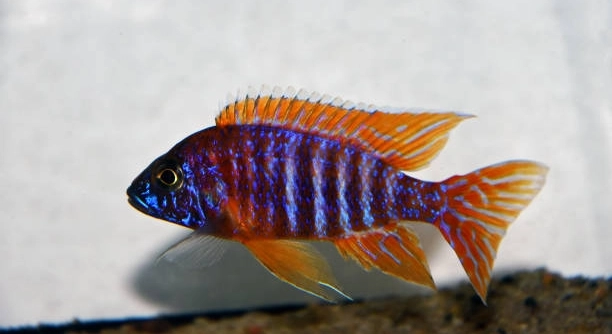
Cichlids often display complex parenting behaviors, yet sudden aggression toward fry can surprise even experienced keepers within home aquariums, influenced by environment, stress, and social dynamics that shape survival instincts during early developmental stages periods.
The primary triggers include territorial stress, overcrowding, inadequate nutrition, unstable water conditions, perceived threats, hierarchy disputes, and hormonal shifts, all of which can activate defensive or opportunistic behaviors that override parental care and increase fry predation within captive breeding environments.
By examining each trigger closely, aquarists can reduce losses and support healthier breeding outcomes through informed tank management practices consistently.
Territorial Stress and Space Limits
Territorial stress is one of the strongest factors behind cichlids chasing their fry in home tanks. When space feels limited, protective instincts can quickly shift into aggressive behavior. I have noticed this happens more often in smaller setups with too many visual barriers removed. Without enough defined areas, adult cichlids struggle to establish safe zones for breeding. This constant tension raises stress levels and reduces tolerance toward fry movement. Even minor disturbances can feel threatening during this period. Fry that wander too far may be seen as intruders rather than offspring. Over time, repeated stress responses condition the adults to react first rather than assess the situation calmly. This behavior is not rooted in malice but survival-driven instinct. Providing adequate tank size, clear territory markers, and consistent layouts can greatly reduce these reactions. Stability allows parents to focus on guarding instead of chasing, which supports healthier fry development overall consistently.
Limited space also increases constant encounters between adults and fry. These repeated interactions raise agitation levels and shorten patience. I have found that even experienced parents may abandon care when they cannot retreat. Simple adjustments, such as adding rocks or plants, help restore balance within confined aquarium environments for stability.
Creating stable territories requires planning rather than constant rearranging. Cichlids rely on memory to navigate their surroundings, especially while guarding fry. When decor is moved often, stress responses increase. I prefer leaving breeding tanks untouched during early fry stages. This consistency lowers defensive reactions and reduces unnecessary chasing. Visual breaks help separate zones without blocking movement entirely. Each adult benefits from knowing where boundaries begin and end. Fry also gain safer paths to retreat when startled. With thoughtful spacing and patience, territorial stress becomes manageable, allowing parental behavior to remain focused and predictable throughout the breeding period at home tanks.
Unstable Water Conditions and Stress Signals
Water conditions play a direct role in how cichlids respond to their fry. Sudden changes in temperature, pH, or cleanliness can trigger stress reactions. I have seen calm parents shift behavior quickly when water quality slips, even slightly during sensitive early stages of fry development in enclosed tanks at home.
Poor water stability affects oxygen levels, waste buildup, and overall comfort within the tank. When conditions fluctuate, adult cichlids focus on self-preservation rather than care. I always associate increased chasing with missed maintenance routines. Elevated ammonia or nitrate levels irritate gills and heighten agitation. This discomfort reduces tolerance for constant fry movement. Temperature swings also interfere with hormonal balance, increasing impulsive reactions. Fry become vulnerable because parents respond to irritation instead of protection. Consistent testing helps identify problems before behavior shifts occur. Gentle water changes maintain balance without shocking the system. I avoid large changes during breeding periods for this reason. Filtration should be reliable but not overly strong, as excessive flow adds stress. Clean water supports calm behavior and clearer parental instincts. When the environment feels predictable, cichlids are less likely to view fry as burdens. Stable conditions encourage guarding rather than chasing, which improves survival rates. Small, regular adjustments often prevent larger behavioral problems from forming. Over time, this approach creates a calmer tank, reduces losses, and supports long-term breeding success for keepers managing sensitive cichlid species at home with confidence and consistency through attentive care routines and observation habits developed gradually over repeated spawning cycles indoors consistently.
Overcrowding and Social Pressure
Overcrowding places constant pressure on breeding cichlids and leaves little room for calm behavior. When too many fish share one space, movement never stops. Fry become overstimulating targets. I have noticed adults grow impatient quickly, especially when they cannot separate themselves from others nearby during active spawning periods at home.
I have kept tanks where crowding slowly changed parental behavior without obvious warning signs. Adults spent more time defending space than guiding fry. Each pass through the tank felt like a threat. This constant alert state drains energy and patience. Fry that drift too close are pushed away repeatedly. Over time, chasing becomes routine rather than protective. Reducing stock levels made an immediate difference for me. Fewer fish allowed adults to relax and focus. Fry survival improved once movement slowed and boundaries became clear within the tank environment and stress signals became far less frequent overall during breeding cycles consistently.
Managing numbers is not only about tank size but also about timing. Breeding pairs need space away from community traffic. I prefer separating pairs before fry appear. This prevents sudden pressure spikes. Even visual crowding matters. Too many fish passing by keeps parents tense. When tension rises, tolerance drops. Fry suffer first. Simple planning avoids this chain reaction. Thoughtful stocking keeps behavior stable and reduces unnecessary losses over repeated spawns in shared tanks where multiple species compete for space and attention constantly during sensitive early fry development stages at home setups without constant intervention from the keeper over time daily.
Perceived Threats From Tank Mates
Other fish often trigger chasing when they come too close to fry. Even peaceful species can raise alarm signals. I have seen parents react strongly to harmless movement. Shadows, reflections, and quick turns are enough. The response escalates fast. Fry caught between adults and perceived threats often pay the price. This stress builds during daylight hours in busy community tanks where activity rarely slows for long periods and patience wears thin quickly for breeding pairs.
Perceived threats do not need to be real to influence behavior. Cichlids respond to movement patterns, not intent. I learned that constant motion near nesting areas keeps parents defensive. Each pass reinforces the idea that danger is near. Over time, adults redirect that tension toward fry that wander. This response is amplified in clear tanks with bright lighting. Visual exposure never stops. Reducing line of sight helped in my setups. Tall plants and rock stacks created calmer zones. Fry stayed closer to shelter and parents relaxed. Once external movement decreased, chasing dropped noticeably. Creating visual breaks is a simple but effective adjustment that supports natural guarding behavior during early stages when fry are most vulnerable to stress and adults are highly alert within confined tanks.
Inadequate Nutrition and Feeding Issues
Poor nutrition affects behavior more than many realize during breeding periods. When adults lack proper protein and nutrients, stress increases quickly. I have seen well intentioned feeding routines fail fry because parents were underfed and irritable, leading to short tempers and reduced tolerance inside the tank during active spawning cycles.
Inconsistent feeding schedules confuse parental instincts and raise aggression levels. I learned that skipping meals or offering low quality food often triggered chasing. Balanced portions given regularly kept adults calmer. Once nutrition improved, parents spent less energy reacting and more time guiding fry toward safer areas within the tank environment.
Hormonal Shifts During Breeding Cycles
Hormonal changes during breeding strongly influence how cichlids treat their fry. Spawning, guarding, and repeated stress alter hormone levels tied to aggression. I noticed behavior shifts after multiple broods in short timeframes. Parents became less patient and more reactive. This is not neglect but exhaustion. Continuous breeding drains energy reserves. Without rest periods, instincts become inconsistent. Adults may abandon care or chase fry that move unpredictably. Separating pairs after spawning helped reset behavior in my tanks. Allowing recovery time restored balance. Stable lighting and predictable routines also reduced hormonal strain. When the body stabilizes, behavior follows, resulting in calmer responses.
Hierarchy Conflicts Within the Tank
Hierarchy disputes can redirect aggression toward fry, especially in mixed groups. Dominant fish constantly assert control, raising tension. I have seen parents lose focus while defending rank. Fry nearby become easy targets. Separating breeding pairs prevents status conflicts and keeps attention centered on care during sensitive early development stages periods.
Why do cichlids suddenly chase their fry even after seeming calm?
Cichlids can appear calm for hours, but small triggers can suddenly shift their behavior. Stress from overcrowding, sudden movements, or environmental changes can make adults act defensively. I’ve seen pairs that seemed perfectly peaceful become aggressive within minutes when fry wandered too far or other fish approached. Even subtle changes, like reflections on the glass or shadows from tank decorations, can prompt chasing. It isn’t random; it is survival instinct at work. Parents prioritize territory and safety over patience, especially in confined spaces. Once the perceived threat passes, behavior often calms again, but repeated triggers can condition adults to chase more frequently.
How does tank size affect fry chasing behavior?
Tank size plays a major role in stress levels and parental behavior. Smaller tanks leave less room for both adults and fry, increasing accidental encounters. I noticed that moving pairs to slightly larger tanks immediately reduced aggressive episodes. When space is limited, every movement feels like intrusion. Adults constantly monitor fry, and fry have no safe paths to retreat. Larger tanks allow adults to establish clear territories and provide fry hiding spots, reducing tension. Even a few extra gallons or added vertical structures make a noticeable difference. It’s not just about volume; layout and available hiding spaces matter just as much.
Can diet influence aggression toward fry?
Yes, nutrition directly affects parental tolerance. Adults lacking protein or essential nutrients often become irritable. I learned this after switching to a higher quality pellet and supplement routine; chasing decreased within days. Poor feeding schedules or insufficient variety can make parents redirect frustration toward fry. Balanced, consistent feeding helps maintain calm behavior. High-quality live or frozen foods, combined with routine feeding, provide energy needed for guarding rather than chasing. Underfed adults are more likely to see fry as competitors or stress factors instead of focusing on protection.
Do water parameters really matter that much?
Absolutely. Unstable water conditions, including pH shifts, temperature fluctuations, and rising ammonia or nitrate levels, increase stress in adults. I’ve experienced calm parents turn aggressive after a minor temperature swing. Cichlids are sensitive to these changes, and fry quickly feel the effects. Regular testing, gentle water changes, and stable filtration are essential. Even small daily inconsistencies can add up, causing defensive behaviors to appear more often. Fry survival improves when water is stable, because adults remain focused on care rather than reacting to discomfort.
How do other tank mates influence fry safety?
Other fish often trigger chasing indirectly. Adults perceive sudden movements or unfamiliar fish near fry as threats. I have noticed even peaceful species provoke defensive behavior if they approach nesting areas. Visual exposure, shadows, or reflections can also be enough to prompt chasing. I reduce this by adding hiding spots and visual barriers. Separating fry or providing dense plant cover helps parents feel secure and reduces unnecessary aggression. Adults are naturally vigilant; the presence of other fish can heighten stress and redirect attention from nurturing to defense.
Is chasing always a sign of poor parenting?
Not necessarily. Chasing is often instinctive, not intentional neglect. I’ve observed adults chase fry to maintain territory or reinforce boundaries rather than harm them. Protective behavior can look aggressive when parents try to guide fry back to safe zones. Understanding context is key. Adults may chase fry for a few moments and then resume care. Regular monitoring helps distinguish normal parental instincts from chronic aggression caused by stress, overcrowding, or poor conditions. Providing stable tanks, adequate nutrition, and hiding spaces often reduces chasing without intervention.
Can hormonal changes increase aggression?
Yes, hormonal shifts during breeding cycles influence tolerance and patience. After multiple broods, adults may become exhausted, causing inconsistent behavior. I’ve noticed pairs chase fry more when recovering from recent spawning. Hormones regulate aggression and defense; when energy reserves are low, chasing increases. Rest periods and controlled breeding cycles help stabilize behavior. Predictable lighting, feeding, and tank routines reduce hormonal stress. Adults respond better when given time to recover, improving fry survival and maintaining calmer interactions in the tank during sensitive early development stages.
What steps can prevent chasing before it starts?
The best approach is proactive management. I ensure adequate tank size, consistent feeding, stable water conditions, and structured layouts with plenty of hiding spots. Limiting tank mates during breeding reduces perceived threats. Regular observation allows early intervention if chasing starts. Small adjustments, like adding plants or adjusting decor for visual breaks, often prevent escalation. Providing recovery time after each spawning and maintaining calm, predictable routines keep adults focused on care rather than reacting defensively. With planning, chasing can be minimized, allowing fry to grow safely and adults to perform natural parental behaviors consistently.
Caring for cichlids and their fry requires patience and careful observation. These fish have strong instincts that guide their behavior, and even well-fed, healthy parents can sometimes chase their fry. Understanding why this happens helps reduce stress and losses. Environmental factors like tank size, overcrowding, and water conditions play a major role. A tank that feels too small or chaotic can make adults act defensively, even toward their own offspring. By providing clear territories and plenty of space, you allow parents to focus on protection rather than reacting aggressively. Observing your fish regularly helps identify early signs of stress, so you can adjust the tank layout or feeding routine before problems escalate. Over time, small changes in the environment can have a significant impact on fry survival and overall tank harmony.
Nutrition and consistent care are equally important. Adult cichlids need balanced diets to maintain calm behavior, especially during breeding periods. Inadequate feeding often leads to irritability and more chasing. Offering high-quality food on a consistent schedule ensures that parents have the energy required to guard their fry. Hormonal shifts after multiple breeding cycles can also influence aggression. Allowing time for recovery between spawnings reduces stress and supports calmer, more predictable behavior. Stable water parameters are critical as well. Fluctuations in temperature, pH, or water quality trigger stress responses, which can make adults more likely to chase fry. Maintaining a stable, clean environment creates conditions where parental instincts are expressed more naturally, rather than being overridden by stress.
Attention to tank setup and social dynamics further supports fry survival. Adding plants, rocks, or visual barriers provides hiding spots for fry and reduces constant exposure to other tank mates. Limiting interactions with unrelated fish during sensitive early stages lowers perceived threats and helps adults focus on nurturing. Overcrowding and hierarchy conflicts are major triggers for chasing, so controlling stock levels and separating breeding pairs when necessary can prevent aggressive incidents. Small, consistent interventions make a difference. By combining proper nutrition, stable water conditions, adequate space, and attention to social dynamics, it is possible to minimize chasing and encourage healthier parental behavior. This approach allows fry to grow safely and gives adults the opportunity to perform natural parenting behaviors without unnecessary stress, supporting long-term success for both the fish and the keeper.

Hello,
If you enjoy the content that we create, please consider saying a "Thank You!" by leaving a tip.
Every little bit helps us continue crafting quality advice that supports the health, happiness, and well-being of pets around the world, for pets of all shapes, sizes, and species.
We really appreciate the kindness and support that you show us!