
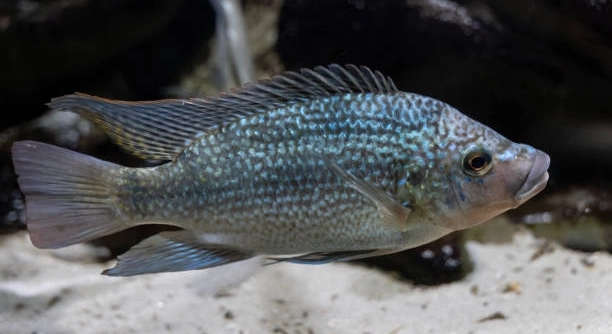
Convict fry are small, striped freshwater fish that often hide in plants and rocks. They have unique behaviors that make them more interesting than their size suggests. Observing them can reveal surprising patterns of survival and interaction.
Convict fry exhibit instinctive behaviors such as schooling, hiding, and feeding responses that are essential for their survival. These instincts help them avoid predators, find food efficiently, and interact with other fry, ensuring higher chances of growth and safety in their environment.
Even though they seem simple, these little fish display instincts that show how smart and adaptable they are in their watery world.
Schooling Instincts
Convict fry naturally gather in groups, moving together almost like a single unit. This instinct keeps them safer from predators, as there is strength in numbers. When one fry senses danger, the others respond quickly, scattering or hiding. Even in small tanks, you can notice them following each other closely, adjusting their positions constantly. The pattern seems simple but is highly effective. They swim in a synchronized manner, often weaving through plants or along the tank walls. Schooling also helps them find food efficiently. When one fry finds a small piece of algae or leftover flakes, others quickly join. Observing these movements shows their constant communication, whether it is through subtle body shifts or rapid turns. This behavior is not learned but instinctual, passed down genetically. It improves survival rates dramatically in the wild.
Their schooling instinct is vital for safety and coordinated feeding, keeping them alert and responsive at all times.
By swimming together, convict fry reduce the chance of being singled out by predators. This behavior also reinforces social bonds and teaches younger fry how to respond to environmental threats effectively, making the group more resilient overall.
Hiding Instincts
Convict fry instinctively seek shelter in plants, rocks, or crevices whenever they feel threatened.
Hiding is essential for survival. They instinctively know to disappear into cover when larger fish approach, relying on natural camouflage. In a tank, providing dense plants or small caves allows them to display this instinct safely. Some fry may remain hidden for long periods, only emerging to feed when the area seems safe. Even in groups, shy fry will retreat first, letting more confident fry test the surroundings. Hiding helps them conserve energy, avoid unnecessary confrontations, and reduce stress. It also gives them time to observe their environment and learn patterns of movement around them. This instinct is linked to their natural habitats, where predators are common, and quick access to shelter is crucial. Tanks that lack adequate hiding spots can see fry behaving nervously or clustering unnaturally. Observing how they choose hiding spots provides insight into their comfort levels, preferences, and hierarchy within the group. Over time, fry develop favorite spots that provide both safety and easy access to food, balancing risk and reward naturally.
Feeding Instincts
Convict fry are quick to react when food is present. They dart toward flakes or small particles, often competing gently with each other. Their instincts guide them to nibble constantly, ensuring growth and energy for survival.
These fry show remarkable precision when feeding. Even in a crowded tank, they find small gaps between plants or between tank decorations to reach food. Their tiny mouths move rapidly, and they often pause to assess their surroundings, ensuring they stay safe while eating. Feeding is not just about nutrition; it is also a way they practice coordination and spatial awareness. Fry learn to follow older siblings or other fry to locate new sources of food. Observing their approach and timing highlights their natural problem-solving skills.
Feeding instincts also include recognizing what is edible and what is not. Fry can ignore harmful substances or unfamiliar items, focusing only on food that supports growth. This careful selection increases their survival rate, especially in environments where resources are limited. Their instinctual feeding behavior demonstrates both caution and efficiency.
Territorial Instincts
Even as fry, convict fish show small bursts of territorial behavior, often around chosen plants or corners. They may chase intruders briefly but rarely cause serious harm.
Territorial instincts help fry claim safe zones. They recognize areas that provide food access, shelter, and space to move freely. When another fry approaches, brief displays of flaring fins or quick dashes communicate boundaries. These instincts also teach fry about personal space and dominance subtly. Over time, they learn which areas are safest and which interactions to avoid. Territorial behavior is usually mild in early stages but sets the foundation for adult social structures.
Territorial instincts contribute to survival and social learning. Fry that understand boundaries face less conflict and gain consistent access to resources. Observing these patterns can reveal which fry are more confident or assertive, and which prefer safer, less contested areas. This behavior influences growth, stress levels, and overall health. It also helps them establish a hierarchy within the tank, reducing chaos as they develop. By claiming small territories early, fry prepare for adult life where competition for mates, food, and space becomes more pronounced.
Predator Awareness
Convict fry are naturally alert to potential threats. Sudden movements or shadows make them scatter or hide immediately, keeping them safe from predators.
Even small disturbances trigger quick reactions. Fry may freeze or dart into plants, showing a highly tuned instinct for survival and risk assessment.
Resting Patterns
Fry rest in short bursts throughout the day, often hiding among plants. This helps them conserve energy while staying alert for danger. Their resting is light, never deep, allowing immediate response if needed.
Social Bonding
Fry interact constantly with each other, following and mimicking movements. These interactions teach coordination, reinforce safety in groups, and establish early social structures among siblings and tank mates.
Environmental Adaptation
Convict fry adjust their behavior based on water conditions, light, and space. They change swimming patterns, feeding, and hiding strategies to optimize comfort and survival in their environment.
FAQ
How often should convict fry be fed?
Convict fry need frequent small meals, usually three to four times a day. Their tiny stomachs cannot hold much food at once, so offering small amounts helps them grow steadily. Overfeeding can cause water quality problems, so it is better to feed lightly and consistently.
What is the best type of food for fry?
High-quality fry food, finely crushed flakes, or baby brine shrimp work well. These foods provide the necessary protein for growth. It is important to ensure the particles are small enough for the fry to eat comfortably without choking. Fresh or frozen foods can also be used, but they should be rinsed to avoid water contamination.
How can I tell if fry are healthy?
Healthy fry are active, swim evenly, and respond quickly to food. Their stripes should be clear and consistent, with no signs of fungus, swelling, or unusual spots. Fry that linger at the bottom or appear lethargic may be stressed or sick.
Do fry need hiding spaces in the tank?
Yes, hiding spaces are essential. Plants, rocks, and small caves provide security and reduce stress. Fry instinctively hide when they sense danger, even in a tank with no predators. Having enough cover encourages normal behavior and improves survival rates.
Can convict fry be kept with adult fish?
It is risky to keep fry with adult fish, even if the adults are the same species. Adults may see fry as food, and their size and strength can harm smaller fish. If combining them, provide plenty of hiding spaces and monitor interactions carefully.
How fast do convict fry grow?
Growth depends on feeding, water quality, and temperature. On average, fry double in size every few weeks under ideal conditions. Regular observation helps track growth and detect any developmental issues early. Fry in colder or crowded tanks may grow more slowly.
Is it necessary to change water frequently for fry?
Yes, water changes are crucial. Fry produce waste quickly, which can degrade water quality. Regular partial water changes, about 20-30% weekly, maintain healthy conditions. Avoid sudden large changes, as fry are sensitive to fluctuations in temperature and chemistry.
Can fry recognize each other?
Fry show basic recognition of group members through schooling and coordinated movements. While they do not have complex social memory, familiar fry often swim closer together, improving safety and feeding efficiency. This instinct helps them develop social skills needed as they grow.
What temperature is best for fry survival?
A stable temperature around 24-28°C (75-82°F) is ideal. Extreme cold slows growth and weakens fry, while excessive heat can increase metabolism too much, causing stress. Using a reliable heater and thermometer ensures consistent conditions for healthy development.
How do fry react to sudden light or movement?
Fry are highly sensitive to sudden changes. Bright light or rapid movement can trigger hiding, darting, or freezing behavior. These reactions are instinctual responses to potential threats and demonstrate their natural predator awareness. Providing a calm, stable environment reduces unnecessary stress.
Should fry tanks be filtered?
Gentle filtration is important. Strong currents can exhaust fry, but a mild filter maintains water quality. Sponge filters are ideal because they provide aeration and cleaning without pulling fry into the system. Regular maintenance of the filter keeps conditions safe.
How can I improve fry survival rates?
Provide frequent small feedings, hiding spaces, and clean water. Avoid overcrowding and monitor for signs of disease. Maintaining stable temperature and calm surroundings supports growth. Observing fry behavior helps identify stressors or competition issues before they impact survival.
Can fry be trained to eat specific foods?
Fry quickly learn to recognize and accept small food particles. Repeated exposure to the same food encourages them to feed efficiently. Introducing high-protein foods early supports growth and helps establish consistent feeding habits.
How long do fry stay small before adulthood?
Fry grow steadily over several months, reaching juvenile size within 2-3 months under optimal conditions. Sexual maturity occurs later, usually around 3-4 months, depending on tank conditions, diet, and overall health. Careful observation ensures proper development and survival.
What signs indicate stress in fry?
Stress signs include hiding excessively, erratic swimming, loss of appetite, and pale coloration. Causes may be poor water quality, overcrowding, aggressive tank mates, or sudden environmental changes. Identifying and correcting these issues quickly helps maintain healthy, active fry.
Are fry sensitive to water chemistry changes?
Yes, fry are more sensitive than adult fish. Sudden shifts in pH, hardness, or temperature can be fatal. Consistent water parameters and gradual adjustments when necessary support healthy growth and prevent stress-related illnesses.
Final Thoughts
Convict fry are small but fascinating creatures, showing a surprising range of instincts from the moment they hatch. Their behaviors, such as schooling, hiding, and feeding, are not learned but natural responses that help them survive in the wild. Observing these instincts can reveal just how adaptable and alert they are, even in a simple tank environment. Each fry has its own personality, with some being bold and others shy, yet all rely on these instincts to navigate their surroundings safely. Over time, these patterns become more noticeable, and it is easy to see how each instinct contributes to growth and well-being. The way they move, interact, and respond to stimuli reflects the careful balance between survival and social learning that is built into their nature.
Providing the right conditions for fry is essential for their development. Clean water, stable temperature, proper hiding spots, and frequent small feedings all play a role in supporting their natural behaviors. Fry tanks that are too crowded or lacking cover can lead to stress, slower growth, or higher mortality rates. It is important to remember that even minor changes in water quality or temperature can affect their behavior and health. By paying attention to these details, you can create an environment that allows fry to express their instincts fully. Watching them adapt to the tank, recognize food, and respond to mild threats is rewarding and provides insight into the early life stages of fish. Small measures, like adding plants or gentle currents, can significantly improve their comfort and safety.
Understanding convict fry instincts also helps prepare for their transition to adulthood. Early behaviors, such as feeding efficiency, hiding preferences, and social interactions, set the foundation for survival skills later in life. Recognizing the importance of these instincts encourages more thoughtful tank management and observation. Over time, fry that are supported in expressing natural behaviors are healthier, more active, and better prepared for future challenges in their environment. Observing their instincts fosters appreciation for the complexity hidden in such small fish and shows how instinctive behaviors ensure survival. By respecting these natural patterns, you create a healthier and more harmonious environment, allowing convict fry to thrive and grow into strong, adaptive adults.

Hello,
If you enjoy the content that we create, please consider saying a "Thank You!" by leaving a tip.
Every little bit helps us continue crafting quality advice that supports the health, happiness, and well-being of pets around the world, for pets of all shapes, sizes, and species.
We really appreciate the kindness and support that you show us!