
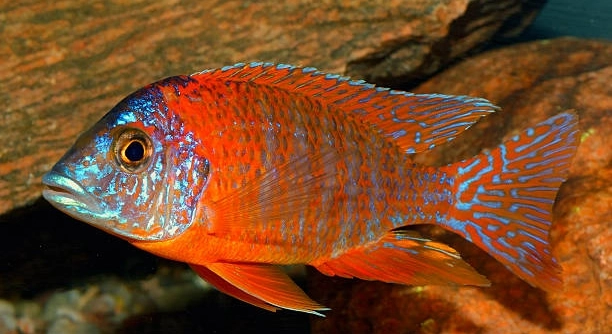
Fry is a small convict fish that faces many challenges in its environment. From finding food to avoiding predators, survival is a constant effort. Observing its behavior reveals clever strategies that keep it alive in the wild.
Convict fry survive by using instinctive behaviors such as hiding among plants, schooling together, feeding efficiently, and avoiding threats. These actions maximize safety and energy use, ensuring the young fish grow and mature despite environmental pressures and predators.
These simple yet effective strategies show how adaptable convict fry are. Each behavior plays a role in keeping them safe and helping them thrive.
Hiding in Plants
Convict fry spend a lot of time hiding among plants in their tank or natural habitat. The dense leaves provide protection from predators and strong currents. I’ve noticed that when plants are thick and healthy, the fry seem calmer and more active, swimming confidently between the stems. Hiding is not just about safety; it also allows them to observe food sources without being exposed. Younger fry, in particular, rely heavily on this strategy because they are small and vulnerable. Even a short lapse in cover can make them an easy target. Providing ample hiding spots can reduce stress and improve their chances of growing strong. Over time, fry learn which plants are safest and which areas are risky. Watching them navigate these spaces can be surprisingly engaging. The interplay between their instincts and environment shows how naturally they balance risk with survival, even at a tiny size. Dense vegetation is a key survival tool.
Hiding among plants helps fry avoid predators and reduces stress, creating a safer environment for growth and development.
Creating a tank with varied plant coverage is essential. Fry will move cautiously, using stems and leaves as shields. By observing their behavior, you can see how they balance feeding with safety. Fry also use plant roots to anchor themselves in currents, keeping energy for foraging. A well-planted tank replicates their natural shelter, improving health and survival rates.
Schooling Together
Convict fry often swim in groups, staying close to one another. This behavior increases their safety and helps them detect danger quickly.
Swimming in schools reduces the chance of any single fry being caught. Groups confuse predators and make it harder to target an individual. I’ve seen fry adjust positions constantly, keeping weaker ones near the center. This behavior is instinctive, but it also shows adaptability. Even in small tanks, schooling creates a sense of security, encouraging fry to explore more areas for food. It’s fascinating to watch their coordination, almost like they understand the benefit of numbers. The more fry there are together, the safer they feel, which promotes growth. In addition to protection, schooling can improve feeding efficiency. Fry move together toward food, reducing competition and helping weaker individuals get a share. Maintaining a stable group supports both survival and social behavior. Observing their patterns can teach a lot about instinctive group survival strategies. Proper care ensures that schooling remains effective in captivity.
Quick Feeding
Convict fry eat small amounts frequently. They search constantly for tiny food particles, making sure they get enough nutrients to grow quickly.
Feeding is a delicate balance. Fry need high-protein foods, like baby brine shrimp or finely crushed flakes, to support rapid development. I often watch them dart around, picking up bits of food almost nonstop. Timing is important—overfeeding can pollute the water, stressing the fry and slowing growth. I’ve learned that offering several small portions throughout the day works best. Fry adjust quickly, swimming eagerly when they sense food. Their constant motion shows how survival depends on staying nourished while avoiding risks.
Rapid feeding also helps fry build energy for other survival behaviors. Well-fed fry are more active, able to hide effectively and join schools when needed. Observing this balance between hunger and safety gives insight into their natural instincts. Maintaining consistent nutrition ensures they stay healthy and resilient, ready to respond to environmental challenges.
Avoiding Predators
Fry are highly alert to movements and shadows around them. They instinctively dart into cover when a potential threat appears.
Even small disturbances can trigger instant responses. I’ve noticed fry freeze, then suddenly scatter into plants or corners of the tank. This reaction is critical for survival because predators often rely on quick strikes. Fry use speed, agility, and awareness of their surroundings to reduce danger. Some fry remain in the center of a school, relying on numbers for protection, while others hug the tank edges. Each movement is calculated, showing instinct and learning combined. The ability to react quickly improves their chances of living past the vulnerable early weeks.
Over time, fry become more skilled at reading their environment. They learn which areas are safest and which routes allow quick escape. Watching them practice these behaviors is fascinating—they adjust paths, time their dashes, and sometimes pause to reassess. Even in a controlled tank, predator avoidance instincts remain strong. Careful observation can reveal subtle cues about stress and comfort levels. Supporting this natural behavior through hiding spots and minimal sudden disruptions enhances survival and promotes growth.
Staying Close to the Bottom
Fry often stay near the bottom of the tank or riverbed. This keeps them safer from mid-water predators and allows them to find small food particles.
Remaining low also gives them more control over movement. I’ve observed fry using the substrate to hide or rest briefly.
Using Current for Movement
Convict fry take advantage of gentle currents to move efficiently. Instead of swimming constantly, they let the water carry them while adjusting direction as needed. This saves energy and helps them explore without exposing themselves to predators. I often notice fry drifting between plants, using the flow to reach new feeding spots safely.
Recognizing Safe Zones
Fry quickly learn which areas of the tank are safer. They repeatedly return to corners, dense plants, or shaded regions, avoiding open water where risks are higher.
Quick Reflexes
Fry react instantly to sudden changes around them. Fast reflexes allow them to dodge predators, currents, and obstacles, improving survival odds significantly.
FAQ
How often should I feed convict fry?
Fry need small amounts of food several times a day. I usually offer finely crushed flakes or baby brine shrimp every three to four hours. Overfeeding can make the water dirty quickly, stressing the fry. Smaller, frequent meals help them grow steadily and stay active.
What type of food is best for their growth?
High-protein foods work best. Baby brine shrimp, microworms, or finely crushed flakes provide essential nutrients. I’ve noticed fry become more energetic and alert when their diet is consistent and protein-rich. Feeding them this way supports strong development and improves survival rates.
How can I make the tank safer for fry?
Dense plants, rocks, and corners create hiding spots. I arrange decorations to give fry multiple safe zones. Avoid strong currents and aggressive tank mates. Even small changes in tank setup can make fry feel secure and reduce stress.
Why do fry school together?
Schooling provides protection. Fry confuse predators and reduce individual risk by staying in groups. I’ve seen smaller fry instinctively move toward the center of the school, letting stronger fry face more danger. This behavior improves overall survival.
How do fry react to predators?
They freeze and dart instantly when sensing danger. Quick reflexes are key for survival. I observe fry adjusting positions constantly, balancing hiding and feeding. Even subtle shadows or movements trigger defensive behavior, showing strong instinctive survival skills.
Is it important for fry to stay near the bottom?
Yes, the bottom offers more cover and access to food. Fry stay low to avoid mid-water predators and use the substrate to hide temporarily. I notice they feel calmer and move more confidently near the bottom, especially in densely planted tanks.
Can fry survive without hiding spots?
Survival rates drop significantly without cover. Fry become stressed and exposed to danger. I always ensure there are plants, rocks, or decorations for them to retreat to, which helps them feed and grow safely.
How do currents affect fry?
Gentle currents help fry conserve energy. I watch them drift with the flow, making small corrections to stay on course. Strong currents can exhaust them, while still water limits exploration. Using mild water movement is ideal for healthy development.
Do fry recognize safe zones over time?
Yes, they return to familiar hiding spots repeatedly. I notice fry memorizing corners, dense plants, and shaded areas. These zones reduce stress and allow them to feed more confidently, improving growth and survival chances.
How important are reflexes for fry survival?
Reflexes are essential. Quick reactions help fry avoid predators, obstacles, and sudden changes in water conditions. I observe fry darting instantly when startled, showing that instinctive speed is a major factor in early survival.
Can I improve fry survival through observation?
Absolutely. By watching how fry feed, hide, and react to changes, I can adjust tank conditions. Adding plants, regulating food, and controlling currents all improve safety. Careful observation allows fry to thrive while supporting their natural instincts.
How long does it take for fry to grow strong enough to face open water?
It depends on diet, safety, and environment. In a well-planted tank with frequent feeding, fry become more active and confident in a few weeks. I notice they gradually explore more open areas as they gain strength and learn to react quickly.
Do fry interact with each other beyond schooling?
Yes, they sometimes nudge or follow each other while feeding. These interactions are subtle but important for learning movement, feeding spots, and safe zones. I find that observing these small behaviors gives insight into how fry coordinate and survive as a group.
Are there signs that fry are stressed or unsafe?
Yes, constant hiding, erratic swimming, or refusing food are common signs. I monitor these behaviors closely. Adjusting the environment, adding cover, or reducing disturbances usually helps them regain normal activity levels.
Can fry survive without plants at all?
Survival is much harder without plants. I’ve seen fry struggle without hiding spots, leading to higher stress and vulnerability. Even a few artificial plants or rocks significantly increase safety and confidence, making feeding and growth more consistent.
How does feeding schedule affect survival?
Consistent feeding keeps fry active and strong. Irregular meals can weaken them, making them slower to react to threats. I stick to small, frequent portions that match their natural feeding behavior, which helps maintain energy and resilience.
What are the key behaviors that indicate healthy fry?
Active swimming, frequent feeding, schooling, hiding appropriately, and quick reflexes indicate health. I look for balanced energy—fry that are too still or constantly stressed may need better nutrition or safer conditions. Observing these behaviors helps maintain high survival rates.
Do fry learn from their environment or instinct alone?
Both. Instinct drives immediate survival behaviors, like hiding and darting. Experience teaches them safe zones, feeding spots, and currents. I see fry gradually becoming more confident in their environment, showing that learning supplements natural instincts effectively.
How can I support fry growth in the first few weeks?
Provide constant food, hiding spots, gentle currents, and minimal disturbances. I also maintain clean water and consistent temperatures. Observing behavior and adjusting tank setup as needed ensures fry develop strong reflexes, grow efficiently, and increase survival chances.
What is the most common mistake in raising fry?
Overcrowding, overfeeding, or lack of cover are common issues. I’ve noticed that even minor stressors reduce survival. Careful observation, regular maintenance, and understanding fry behavior make a big difference in raising healthy, thriving young fish.
Final Thoughts
Raising convict fry is a careful balance of providing safety, nutrition, and space. These tiny fish have natural instincts that guide their survival, but they also rely on the environment we create for them. From hiding in plants to schooling together, each behavior plays an important role in keeping them safe. I’ve noticed that when their surroundings are well-planned, fry seem more confident and active. Dense plants, gentle currents, and multiple hiding spots allow them to explore while still feeling protected. Fry that feel secure are more likely to feed regularly, grow strong, and develop the reflexes they need to survive. Even small changes in tank setup can make a big difference. Observing how fry interact with their environment shows just how sensitive they are to stress or disturbances. Providing the right conditions early on can prevent problems later and helps fry reach maturity successfully.
Feeding plays a central role in their survival. Fry eat small amounts frequently, and maintaining a consistent schedule is key. High-protein foods like baby brine shrimp or finely crushed flakes help them grow quickly. I often see that fry with regular, small meals are more active, react faster to potential threats, and engage more confidently with other fry. Overfeeding, however, can quickly pollute the water, increasing stress and disease risk. Balancing nutrition with cleanliness ensures fry stay healthy and develop efficiently. Quick reflexes and alert behavior depend on energy, so proper feeding supports both physical growth and survival instincts. Even subtle cues, like how eagerly fry swim toward food, indicate whether they are thriving. Watching these patterns over time helps me adjust care to better support them.
Fry also learn from their surroundings while relying on instinct. They memorize safe zones, adjust to currents, and navigate hiding spots more efficiently as they grow. I notice that fry that experience minimal stress and have plenty of cover quickly become more independent and confident. Schooling together provides safety in numbers, while remaining near the bottom or using currents strategically conserves energy. These behaviors combine to increase their chances of survival in early life stages. Observing these tiny fish shows how adaptable and resilient they are, even in a controlled environment. By providing a stable, well-thought-out habitat, supporting proper nutrition, and respecting their natural behaviors, it is possible to help convict fry grow into healthy, strong adults. Attention to these details creates a supportive environment where instinct and care work together to ensure survival and long-term well-being.

Hello,
If you enjoy the content that we create, please consider saying a "Thank You!" by leaving a tip.
Every little bit helps us continue crafting quality advice that supports the health, happiness, and well-being of pets around the world, for pets of all shapes, sizes, and species.
We really appreciate the kindness and support that you show us!