
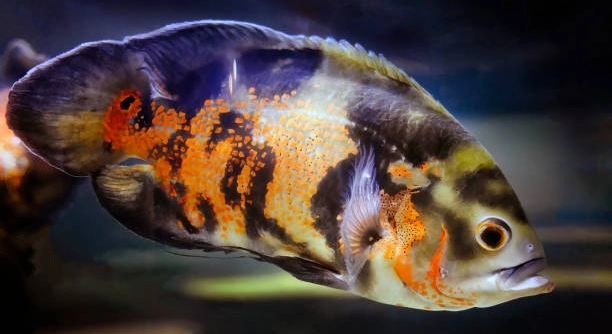
Do your convict fry seem to hide more than usual or avoid certain areas of the tank? Observing their behavior closely can reveal subtle changes that may indicate stress or social issues among the group.
Convict fry being bullied often show signs such as fin nipping, chasing, hiding, reduced feeding, erratic swimming, pale coloration, and isolation. Recognizing these behaviors early is essential for ensuring proper growth, health, and survival in captivity.
Understanding these warning signs allows you to take action before the stress becomes harmful. Maintaining a balanced environment supports their overall well-being.
Recognizing Fin Nipping and Chasing
Fin nipping and chasing are among the most visible signs that convict fry are experiencing bullying. When fry constantly chase one another, it can lead to torn fins, stress, and injury. Observing the tank regularly helps in identifying which fish are being targeted and which are aggressive. Aggression often occurs around feeding times or in confined spaces. Fry may dart quickly to escape a persistent nipper, sometimes hiding behind decorations or plants. Over time, repeated harassment can stunt growth and affect overall health. It is important to note that even small fry can display dominant behavior, and aggression is not always obvious at first glance. Adjusting tank conditions, adding hiding spots, or separating aggressive individuals can reduce stress and improve survival rates. Keeping careful notes of observed behavior allows for better management of social dynamics within the tank and ensures fry develop safely.
Early detection of chasing and fin damage allows you to intervene before injuries worsen.
Providing adequate space, dense foliage, and monitoring interactions consistently helps fry maintain normal growth. Observing behavior patterns over several days is crucial, as aggression can vary depending on tank conditions and individual temperaments. Sometimes separating aggressive fry temporarily can help restore balance, while maintaining water quality and proper nutrition supports recovery. Reducing stress through thoughtful tank setup allows all fry to thrive and develop without constant harassment.
Hiding and Isolation
Fry that hide excessively or isolate themselves often face persistent bullying.
Hiding and isolation can indicate that fry feel threatened or stressed due to tankmates’ behavior. Constant harassment leads them to seek shelter in plants, behind rocks, or in corners of the aquarium. Over time, these fry may feed less, lose weight, or show slower growth. Providing ample hiding spaces and rearranging decorations can give shy fry more confidence. Monitoring interactions carefully helps identify aggressive individuals, and temporary separation may be necessary. Maintaining clean water and balanced nutrition supports stressed fry and improves their resilience. Consistent observation ensures that isolated fry receive attention before long-term health issues develop. Recognizing isolation as a serious sign of bullying helps prevent avoidable loss and promotes a calmer, healthier tank environment for all fry.
Reduced Feeding
Fry that are bullied often eat less. Aggressive tankmates can chase them away from food, leaving them weaker and slower to grow. Observing mealtimes closely helps identify which fry are not getting enough nutrition.
When fry are unable to access food due to bullying, their growth and overall health are affected. They may appear smaller than their peers, show pale coloration, and swim less energetically. Consistent underfeeding can weaken their immune system, making them more susceptible to disease. Adjusting feeding practices, such as distributing food in multiple areas or using small amounts more frequently, ensures all fry get proper nutrition. Temporary separation of aggressive fry can also allow bullied individuals to feed without interruption. Tracking feeding behavior over several days helps identify persistent issues and ensures interventions are effective. Providing an environment that minimizes stress supports stronger, healthier fry overall.
Proper diet and careful observation are key. Giving extra attention to weaker fry helps maintain balance.
Pale Coloration
Pale or faded coloration often signals stress or bullying. Fry under constant pressure may lose their natural vibrancy, appearing washed out compared to others.
Chronic stress from aggression affects pigment production in fry. Bullying can lead to frequent hiding, disrupted feeding, and constant flight, which weakens the body and dulls color. Monitoring color changes alongside behavior helps determine the severity of bullying. Improving hiding spots, providing gentle food access, and reducing aggressive interactions can restore confidence and health. In some cases, separating the most aggressive fry temporarily allows victims to regain strength and coloration. Maintaining clean water, stable temperature, and a consistent diet also supports recovery. Tracking these factors ensures that pale fry do not remain under prolonged stress, allowing them to return to normal development.
Addressing bullying quickly reduces stress and restores vitality. Ensuring fry have a calm environment supports their natural growth and color.
Erratic Swimming
Fry that swim erratically or dart suddenly may be reacting to bullying. Sudden movements often indicate fear or attempts to escape more dominant tankmates.
Erratic swimming can also result from stress caused by constant chasing or overcrowding. Observing these behaviors helps identify which fry are struggling and need intervention.
Fin Damage
Torn or frayed fins are a clear sign of aggression among fry. Aggressive nipping can leave lasting injuries if not addressed quickly. Maintaining close observation and providing hiding spaces reduces repeated attacks.
Isolation
Fry that separate themselves from the group frequently are often victims of bullying. Isolation allows them to avoid aggression but can affect feeding and growth.
FAQ
How can I tell if my convict fry are being bullied?
Fry being bullied often display clear behavioral signs. They may hide frequently, swim erratically, eat less, or isolate themselves from the group. Physical indicators like torn fins, pale coloration, and slower growth are also common. Observing interactions over time helps confirm patterns of aggression.
What should I do if I notice fin nipping?
When fin nipping occurs, separate aggressive fry if possible or provide extra hiding spots. Rearranging decorations or plants can break territorial dominance. Ensuring proper feeding and tank space reduces stress, and monitoring for repeated attacks helps prevent long-term injuries.
Why is my fry’s color fading?
Pale coloration usually signals stress or constant bullying. Aggressive interactions, lack of access to food, and prolonged hiding can reduce pigment production. Maintaining clean water, proper nutrition, and safe spaces helps fry regain color and overall health.
How can I help fry that are avoiding food?
Distribute food in multiple areas to prevent stronger fry from dominating. Offer smaller, frequent meals to ensure everyone eats. Isolating weaker fry temporarily can allow them to feed safely and maintain growth. Observing feeding habits consistently ensures no fry is left underfed.
Are hiding spots really effective?
Yes, hiding spots reduce stress by giving bullied fry safe spaces to escape. Dense plants, rocks, or small decorations allow fry to rest, recover, and avoid constant attacks. Changing decorations occasionally can prevent dominant fry from claiming territories and encourage fairer interactions.
Is separating aggressive fry necessary?
In some cases, temporary separation is the most effective way to stop bullying. Aggressive fry can be moved to another tank or isolated section until tension decreases. Separation prevents injury, ensures all fry get food, and allows victims to recover both physically and mentally.
How does stress affect fry development?
Constant stress slows growth, reduces feeding, weakens the immune system, and may lead to illness. Stressful environments also dull color and make fry less active. Addressing bullying early ensures fry develop properly and maintain overall health.
Can overcrowding cause bullying?
Yes, overcrowding increases competition for space, food, and hiding spots, which often leads to aggression. Maintaining appropriate stocking levels and providing enough territories and visual barriers reduces bullying and supports calmer social interactions.
How long does it take for fry to recover from bullying?
Recovery depends on the severity of the bullying, access to food, and environmental conditions. With proper care, hiding spaces, and temporary separation from aggressors, fry can regain color, grow normally, and return to healthier behavior within several days to a few weeks.
What is the best way to monitor fry interactions?
Observe the tank at consistent times, especially during feeding. Take notes on who is aggressive, who is hiding, and which fry are underfed. Recording behavior helps track recurring issues and identify when intervention is needed, ensuring all fry remain healthy and safe.
Can diet help reduce bullying effects?
A balanced, frequent diet ensures weaker fry maintain strength despite occasional bullying. Nutritious food supports immune function, growth, and recovery from stress. Feeding smaller portions multiple times per day reduces competition and allows all fry to access sufficient nutrients.
Should I rearrange the tank regularly?
Yes, changing decorations occasionally prevents dominant fry from controlling territories. Rearranging plants, rocks, and hiding spots redistributes territorial influence, allowing shy fry to explore and feed safely while reducing repeated aggression.
How can I prevent bullying long-term?
Maintaining proper stocking levels, providing hiding spaces, monitoring feeding, and separating aggressive fry when needed helps prevent long-term bullying. Observing behavior consistently ensures fry develop in a safe, balanced environment.
What signs indicate immediate intervention is needed?
Torn fins, constant chasing, extreme hiding, and severe underfeeding require immediate action. These behaviors indicate high stress and risk of injury. Interventions like separation, additional hiding spaces, or dietary adjustments are critical to protect fry health and survival.
Is it normal for fry to show some aggression?
Some level of aggression is natural, especially as fry establish territories. Mild chasing or occasional nipping is common but should not be persistent or harmful. Monitoring intensity and frequency ensures aggression does not escalate into harmful bullying.
How often should I check on fry behavior?
Daily observation is ideal, especially during feeding. Consistent monitoring allows early detection of bullying signs and ensures timely intervention. Keeping notes on behavior patterns helps identify problem fry and maintain a healthy, balanced environment.
Can water conditions influence bullying?
Poor water quality increases stress, which can trigger aggression. Maintaining stable temperature, clean water, and proper filtration supports calmer behavior, reduces competition, and helps bullied fry recover more quickly.
Are there signs of bullying that are easy to miss?
Yes, subtle signs include slight fin damage, minor color fading, less active swimming, or avoidance of specific tank areas. Tracking behavior over time helps identify persistent bullying that might otherwise go unnoticed.
Does bullying affect all fry equally?
No, some fry are more dominant while others are naturally shy. Weaker fry are more likely to hide, lose color, eat less, and grow slower. Recognizing these differences ensures interventions target the most vulnerable individuals.
Can aggression change as fry grow?
Yes, dominant fry may become more aggressive with age, while shy fry may gain confidence. Continuous observation and adjusting the tank environment help manage changing social dynamics and maintain balance among the group.
How important is tank layout for preventing bullying?
Tank layout is crucial. Providing adequate hiding spaces, plants, and territories reduces constant chasing and aggression. Thoughtful design ensures fry can feed, rest, and swim safely, minimizing stress and supporting healthier growth for all individuals.
Should I separate fry based on size?
Separating fry by size can reduce bullying since smaller individuals are often targeted by larger, dominant fry. Temporary separation allows equal access to food, space, and hiding spots, helping weaker fry grow and recover safely.
Can bullying lead to long-term health issues?
Yes, persistent bullying can stunt growth, reduce immunity, and cause chronic stress. Early detection, environmental adjustments, and proper care prevent long-term health problems and support fry reaching full developmental potential.
Is it normal for fry to hide occasionally?
Occasional hiding is normal, but constant isolation usually indicates stress or bullying. Ensuring fry have multiple hiding options allows shy individuals to feel secure without negatively impacting feeding or growth.
How can I encourage bullied fry to be more active?
Provide safe spaces, distribute food widely, and reduce aggressive interactions. Gradual exposure to open areas and gentle feeding encourages shy fry to explore and feed, promoting healthier behavior and stronger growth over time.
What role does nutrition play in stress recovery?
Proper nutrition supports energy, immune function, and growth. Well-fed fry recover faster from bullying-related stress, regain coloration, and maintain activity levels. Offering high-quality food in appropriate amounts ensures all fry remain healthy.
How long should I monitor fry after interventions?
Monitoring for at least several days to a week after interventions ensures aggression does not resume and bullied fry regain confidence. Continuous observation helps identify any recurring issues early and ensures long-term health and balance.
Can changing water temperature affect aggression?
Sudden temperature fluctuations can increase stress and trigger aggression. Maintaining stable water conditions minimizes tension, supports calmer interactions, and helps bullied fry recover more effectively.
How can I tell if hiding fry are eating enough?
Observe feeding times and watch for shy fry leaving cover to eat. If fry consistently avoid food, try smaller, frequent meals or temporary separation to ensure proper nutrition and growth.
What are the most effective ways to reduce bullying long-term?
Maintaining proper tank density, providing hiding spaces, distributing food evenly, and monitoring fry behavior consistently reduces long-term bullying. Temporary separation of aggressive fry and adjusting decorations as needed keeps social dynamics balanced and fosters a healthier environment.
Can bullying affect breeding later on?
Persistent stress during early fry stages can impact growth and development, potentially affecting reproductive readiness later. Ensuring fry grow in a calm, well-fed, and low-stress environment supports proper sexual maturation and long-term health.
How important is observation for managing fry bullying?
Observation is critical. Identifying subtle behaviors, tracking feeding, color, and interactions ensures interventions happen early. Consistent monitoring helps maintain a balanced, safe tank where all fry can thrive without persistent stress or injury.
Can multiple small interventions be more effective than one large change?
Yes, small adjustments like adding hiding spots, redistributing food, or separating aggressive fry gradually can reduce stress without shocking the tank. Incremental changes allow fry to adapt and improve social dynamics more effectively than sudden large interventions.
How can I tell if fry have fully recovered from bullying?
Healthy fry display normal coloration, active swimming, regular feeding, and no signs of fin damage. Confidence in moving around the tank without hiding constantly indicates recovery and reduced stress levels.
Is bullying common in all types of convict fry setups?
Yes, aggression can occur in any setup, especially in overcrowded tanks or environments with few hiding spots. Managing stocking levels, tank layout, and feeding practices reduces the risk across all setups.
What role does tank size play in bullying prevention?
Larger tanks reduce competition for space and hiding areas, lowering aggression. Ensuring fry have room to swim and avoid dominant individuals supports calmer social interactions and healthier development.
Can adding plants alone stop bullying?
Plants help, but they are most effective combined with proper tank density, careful feeding, and monitoring behavior. Hiding spots reduce stress but may not fully prevent aggressive interactions if dominant fry control food or territory.
How often should hiding spots be changed?
Occasional changes every few weeks prevent dominant fry from claiming territories and encourage shy fry to explore safely. This helps maintain balanced social interactions and reduces repeated aggression.
Can bullying fry ever stop on their own?
Sometimes mild aggression decreases as fry grow and social hierarchies stabilize. However, persistent harmful behavior usually requires intervention to prevent injury, stress, and long-term health issues.
What is the most important thing to remember when managing bullying?
Early detection, proper tank conditions, consistent feeding, hiding spaces, and observation are key. Timely interventions prevent stress, injury, and ensure all fry develop safely and healthily.
How do I balance feeding and space to reduce bullying?
Provide multiple feeding points, small frequent meals, and sufficient space for fry to avoid dominant individuals. Balancing nutrition and room reduces competition, stress, and aggression while supporting healthy growth and development.
What signs mean bullying is severe?
Persistent fin damage, extreme hiding, continuous chasing, underfeeding, and faded color indicate severe bullying. Immediate action is necessary to protect fry and prevent lasting health problems.
Can stress from bullying affect water quality indirectly?
Yes, stressed fry may eat less or produce uneven waste, affecting water chemistry. Maintaining clean, stable water helps reduce stress and prevents secondary health issues.
How long does it take for interventions to show results?
Improvements in color, activity, and feeding may be visible within days, while full recovery of growth and confidence may take one to two weeks depending on the severity of bullying.
Are there any preventive measures for new fry batches?
Provide ample hiding spaces, proper tank density, monitor feeding closely, and separate aggressive fry early. A well-prepared environment reduces early-stage bullying and promotes healthier, calmer fry behavior.
What is the best overall approach to fry bullying?
Consistent observation, balanced feeding, adequate space, hiding spots, and timely interventions create a safe environment. Addressing aggression promptly prevents stress, injury, and long-term developmental issues, ensuring all fry thrive.
How does bullying affect fry social behavior later?
Early bullying can influence confidence, territorial behavior, and social interactions as fry mature. Managing aggression ensures healthier social development and reduces ongoing stress-related behaviors in adulthood.
Can tank mates influence bullying severity?
Yes, aggressive or territorial individuals increase bullying risk. Choosing compatible fry, maintaining balance, and monitoring interactions reduce overall aggression and support calmer, safer environments.
Is it necessary to document fry behavior?
Recording observations helps identify patterns, track recovery, and make informed interventions. Documentation ensures no fry is overlooked and supports consistent management of social dynamics.
What are signs that interventions are working?
Fry regain color, swim confidently, feed regularly, and show reduced hiding. Aggressive fry may calm, and previously bullied individuals become more active and healthy, indicating successful management of the tank environment.
How important is water quality in conjunction with bullying management?
Stable, clean water supports fry health and reduces stress, which in turn lowers aggression. Good water conditions make other interventions like hiding spots and feeding strategies more effective.
Can small changes in tank layout reduce bullying immediately?
Yes, moving decorations or adding plants can disrupt territories and reduce aggressive interactions. Small adjustments often yield quick improvements in fry behavior and reduce stress.
Does bullying only occur during certain fry stages?
Aggression can occur at any stage, but it is most noticeable as fry grow and compete for space, food, or territory. Early monitoring prevents long-term stress and injury.
Are there long-term behavioral consequences if bullying is not addressed?
Yes, chronic stress can stunt growth, weaken immunity, reduce feeding, and affect social confidence. Addressing bullying early prevents lasting developmental and behavioral problems.
What is the best daily routine to prevent bullying?
Observe fry during feeding, check water quality, maintain hiding spaces, and monitor aggressive interactions. Address issues immediately to keep a calm, balanced environment.
Can nutrition alone prevent bullying?
Nutrition helps fry remain strong but does not stop aggression. Proper tank layout, hiding spaces, and monitoring behavior are equally necessary to prevent stress and injury.
How do I know if aggressive fry need permanent separation?
If repeated attacks persist despite environmental adjustments, separating aggressive individuals permanently may be required to protect weaker fry and maintain overall tank balance.
What are subtle signs of stress from bullying?
Minor fin fraying, pale color, brief hiding, or reduced feeding are subtle signs. Early detection prevents escalation and protects overall health.
Can bullying affect fry lifespan?
Persistent bullying increases stress, reduces feeding, and can lead to disease, all of which may shorten lifespan if not addressed promptly.
How can I encourage shy fry to integrate back into the group?
Provide safe feeding areas, gradual exposure to open spaces, and reduce aggressive interactions. Over time, fry regain confidence, feed regularly, and rejoin the group naturally.
What equipment helps reduce bullying?
Plants, rocks, PVC tubes, and tank partitions provide hiding spots and break lines of sight. Proper filtration and stable water parameters reduce stress, indirectly lowering aggression.
Are there environmental factors besides space and hiding that influence bullying?
Temperature stability, water quality, consistent feeding, and minimal disturbances all influence aggression. A calm environment reduces stress and encourages balanced social behavior.
Can bullying be completely eliminated?
Some level of aggression is natural, but proper tank management, hiding spaces, feeding strategies, and observation minimize harmful bullying and support safe development.
How do I prioritize which interventions to try first?
Start with hiding spaces and feeding adjustments, then monitor behavior. Separate aggressive fry if necessary. Prioritize actions based on severity and frequency of bullying observed.
Is it normal for aggressive fry to settle down as they grow?
Yes, dominant fry may calm once territories are established and social hierarchies stabilize. Continuous observation ensures minor aggression does not escalate into harmful bullying.
How can I tell if my tank setup is contributing to bullying?
Frequent chasing, limited hiding spots, overcrowding, and competition for food indicate the environment may be promoting aggression. Adjusting space, layout, and feeding practices can alleviate these issues.
What is the most effective combination of interventions?
Providing hiding spaces, multiple feeding points, observing behavior, adjusting tank layout, and temporarily separating aggressive fry creates a balanced and safe environment for all fry.
How do I maintain fry health while managing bullying?
Ensure proper diet, clean water, hiding spots, and monitoring. Intervene when necessary to reduce stress, prevent injury, and support normal growth.
Can bullying affect fry swimming patterns long-term?
Yes, chronic stress may cause persistent erratic swimming, hesitation, or avoidance behavior. Early management ensures fry regain normal swimming habits.
Are there behavioral signs that indicate a fry is recovering?
Increased activity, normal feeding, returning coloration, and reduced hiding indicate recovery. Fry gradually become confident and healthier after interventions.
How important is consistent monitoring?
Consistent monitoring allows early detection, timely intervention, and ensures all fry thrive without prolonged stress or injury, maintaining a balanced tank environment.
Can multiple interventions be used together?
Yes, combining hiding spots, feeding strategies, tank adjustments, and temporary separation often produces the best results, reducing aggression and supporting fry development.
What mistakes should I avoid when addressing bullying?
Avoid ignoring subtle signs, overstocking, inconsistent feeding, sudden water changes, or failing to provide hiding spaces. These mistakes worsen stress and increase aggression.
How do I ensure shy fry recover fully?
Provide safe areas, frequent small meals, and monitor interactions. Gradual exposure to open spaces and calm conditions allow shy fry to regain strength, color, and confidence.
What is the role of observation versus intervention?
Observation identifies bullying patterns, while intervention addresses aggression, provides safety, and supports recovery. Both are equally essential for healthy fry development.
Can bullying affect fry growth rate?
Yes, bullied fry may grow slower due to reduced feeding, stress, and constant hiding. Early management helps restore normal growth rates and overall health.
How long should I continue monitoring fry after recovery?
Continue daily observation for at least several weeks to ensure aggression does not recur and fry maintain healthy behavior and growth patterns.
What is the key takeaway for managing fry bullying?
Early detection, proper tank setup, hiding spaces, balanced feeding, and careful observation are essential. Interventions prevent stress, injury, and long-term health issues, ensuring fry thrive in a safe environment.
How can I maintain long-term tank balance?
Regular monitoring, maintaining adequate space, providing hiding spots, consistent feeding, and adjusting tank layout as needed supports a stable environment and reduces the risk of recurring bullying.
Can bullying be completely prevented in future batches?
While minor aggression is natural, proper planning, tank preparation, and consistent management reduce harmful bullying, ensuring safer conditions for future fry.
How do I support bullied fry while keeping the tank intact?
Provide multiple hiding spots, adjust feeding practices, and observe interactions. Temporary separation of aggressive fry allows victims to recover without disrupting the overall tank setup.
What is the simplest daily routine to reduce bullying?
Check water quality, observe behavior during feeding, provide hiding spots, and intervene immediately if aggression is persistent. Consistency ensures a balanced environment.
Does bullying affect fry behavior permanently?
Severe or prolonged bullying may cause lasting stress-related behavior, reduced confidence, and slower growth. Early intervention prevents long-term impacts and supports normal development.
How can I identify which fry are most vulnerable?
Shy fry, smaller individuals, and
Fry bullying is a common issue in convict fry tanks, and it can have serious effects if not addressed. Observing behavior closely is essential because the signs are often subtle at first. Fry may hide more than usual, swim erratically, avoid food, or isolate themselves from the group. Physical indicators like torn fins, pale coloration, and smaller size compared to their peers are also clear signals of stress caused by aggression. Recognizing these signs early allows for timely interventions that can prevent injuries and long-term health problems. Regular observation, noting patterns in feeding and interactions, helps identify which fry are being bullied and which individuals are aggressive. This careful monitoring is the foundation of maintaining a healthy environment for all fry in the tank.
Providing an environment that reduces stress is key to supporting fry growth and health. Adding hiding spaces like plants, rocks, or small decorations gives bullied fry places to rest and avoid aggression. Adjusting the layout of the tank occasionally can disrupt territorial dominance and make shy fry feel more secure. Proper feeding practices also play an important role. Offering small, frequent meals in multiple locations ensures that weaker fry have access to food without being chased away. Temporary separation of aggressive fry can allow victims to regain strength and confidence. Maintaining clean, stable water conditions further reduces stress and supports overall health, making fry more resilient and able to thrive despite social challenges.
Understanding fry behavior and addressing bullying early helps ensure a balanced and healthy tank environment. Even small fry can display strong social hierarchies, and aggression left unchecked can stunt growth, weaken immunity, and lead to injury or death. By providing adequate space, hiding spots, and proper nutrition, and by monitoring interactions consistently, you can reduce the impact of bullying and support the natural development of all fry. These steps also foster calmer social interactions over time, helping fry regain confidence and normal behavior. With careful attention and intervention, you can create a safe environment where every fry has the chance to grow, feed, and swim without constant stress or harassment. This approach ensures their long-term well-being and helps them reach full developmental potential.

Hello,
If you enjoy the content that we create, please consider saying a "Thank You!" by leaving a tip.
Every little bit helps us continue crafting quality advice that supports the health, happiness, and well-being of pets around the world, for pets of all shapes, sizes, and species.
We really appreciate the kindness and support that you show us!