
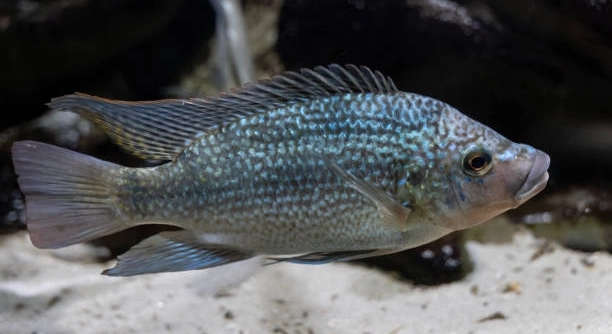
Keeping African cichlids can be exciting, especially for aquarists who enjoy colorful and active fish. These fish are known for their vibrant patterns and unique behaviors, making them a popular choice for home aquariums.
Housing convicts alongside African cichlids is generally not recommended. Convict cichlids are highly territorial and aggressive, which can lead to conflicts with African cichlids. Mixing these species often results in stress, injuries, and disrupted tank dynamics.
Proper tank planning and species compatibility are essential to maintain a peaceful and healthy aquarium environment for all fish.
Understanding Convict and African Cichlid Behavior
Convict cichlids are very territorial and aggressive, especially during breeding. They claim areas in the tank and defend them fiercely, often chasing or biting other fish. African cichlids, depending on the species, also show high levels of aggression and territoriality. Combining these two types can create constant conflict. The larger or more dominant fish will usually control space, while the smaller fish become stressed or injured. Stress can weaken the immune system, making fish more susceptible to disease. Proper aquarium size and hiding spaces are critical, but even with precautions, these species rarely coexist peacefully. Water parameters for both species are similar, with hard, alkaline water preferred. While some cichlid keepers experiment with mixed tanks, results are unpredictable. Observation is key, but long-term peace is unlikely. If the goal is a visually appealing and low-stress tank, housing them separately is the safer option.
Aggression between convicts and African cichlids is immediate and often unavoidable.
Even when divided by rocks or plants, boundaries are often tested. Convicts may dig up decorations or chase intruders, and African cichlids can respond with equal intensity. Conflicts may escalate quickly, leading to constant tension in the tank. Tank size matters, but space alone does not eliminate disputes. Without clear dominance, fights can cause injuries and disrupt feeding. Breeding periods heighten territorial instincts, making coexistence nearly impossible. Aquarists who ignore compatibility risk losing fish and spending extra time managing injuries or stress. Stress-induced behaviors, like hiding or loss of appetite, are common when these species are mixed. Planning for species-specific tanks simplifies care and promotes healthier, happier fish. Providing separate environments for convicts and African cichlids allows each species to thrive according to its natural behavior patterns. A well-maintained tank with compatible fish reduces aggression, ensures better growth, and provides more enjoyable observation without constant conflict.
Tank Design and Compatibility Tips
A tank with multiple hiding spots and large territories can slightly reduce aggression between these species.
Proper planning for tank layout is essential when considering any aggressive cichlids. Rocks, caves, and plants create visual barriers, giving fish spaces to retreat and claim territory. Even with careful design, mixing convicts with African cichlids is risky due to their similar aggression levels. Smaller tanks intensify conflicts, so a very large aquarium is needed to attempt cohabitation. Separating feeding zones and providing numerous hiding spots can help reduce direct confrontations. Monitoring behavior daily is critical, as minor disagreements can escalate quickly. Some aquarists find that keeping one species in a different section of a divided tank works better, but this requires barriers and vigilance. Ensuring water parameters suit both species is also important, as stress from unsuitable conditions can worsen aggression. Ultimately, choosing compatible species or maintaining separate tanks provides the most stable and healthy environment. Careful observation and thoughtful design improve overall fish welfare while minimizing injuries and stress in an aquarium setting.
Feeding and Nutrition Considerations
Both convict and African cichlids require high-protein diets for proper growth and health. Pellets, flakes, and occasional live or frozen foods provide essential nutrients. Overfeeding can lead to water quality issues, so portions should be carefully measured.
Feeding multiple aggressive cichlid species in one tank can create competition. Convicts often dominate feeding areas, leaving African cichlids with less food. Uneven feeding can weaken less aggressive fish and increase stress. Offering food in different locations simultaneously can reduce competition and ensure all fish get enough nutrition. Watching feeding behavior helps adjust portions and placement for fairness. Proper diet supports immune systems, reduces disease risk, and promotes vibrant colors. Separating feeding times or zones can help maintain balance in aggressive tanks.
Providing variety in diet is important for both species. Including vegetables like peas or spinach along with protein sources ensures proper digestion and overall health. Supplements like spirulina can enhance coloration and energy levels. Feeding schedules should be consistent to establish routine and reduce territorial disputes over food. Even with separate feeding spots, some chasing is inevitable, so careful observation is necessary. Adjusting diet based on growth, health, and activity levels prevents malnutrition or obesity. Combining nutrition planning with tank design creates a safer environment for both species, minimizing conflict while maintaining proper growth.
Monitoring Tank Health
Regular water testing is crucial to maintain safe ammonia, nitrite, and nitrate levels. Aggressive fish produce more waste, affecting water quality rapidly.
High aggression leads to frequent injuries, which can introduce infections. Prompt treatment of wounds is necessary. Filtration and frequent water changes reduce toxins and maintain oxygen levels. Uneaten food should be removed quickly to prevent decay. Monitoring behavior helps identify stressed or ill fish early. Tank plants and hiding spots improve water quality and provide security, reducing stress. Consistency in maintenance ensures both species thrive without health setbacks.
Overcrowding amplifies aggression and deteriorates water quality. African cichlids and convicts require enough space to establish territories. Too many fish in a confined area increase ammonia and nitrite levels, which can harm gills and overall health. Filtration systems must handle high bioloads and be regularly cleaned. Frequent partial water changes prevent sudden chemical spikes. Monitoring pH, hardness, and temperature ensures conditions remain stable. Observing interactions and separating overly aggressive individuals prevents injuries. Well-maintained aquariums support growth, coloration, and natural behaviors while minimizing stress. Planning stocking density carefully balances aggression, reduces disease risk, and promotes a healthy community environment.
Breeding Challenges
Convict cichlids breed frequently and aggressively, often defending nests with intense territorial behavior. African cichlids also protect their eggs and fry, which increases tension when mixed.
Breeding periods make aggression worse. Convicts dig up substrate and chase other fish, while African cichlids defend their offspring fiercely. Conflicts are almost unavoidable during these times.
Tank Size Recommendations
A larger aquarium helps reduce direct confrontations by giving each fish its own territory. For a mixed aggressive tank, at least 75 gallons is suggested. Adding rocks, caves, and plants further divides space, allowing fish to retreat and avoid constant conflict. Observing behavior and adjusting layout is necessary to prevent injuries.
Signs of Stress
Hiding constantly, loss of appetite, or faded coloration indicate stress in cichlids. These signs require immediate attention to prevent illness and injury.
FAQ
Can convict cichlids and African cichlids ever live together?
Convict and African cichlids have very similar aggressive and territorial behaviors. Mixing them is possible only in extremely large tanks with multiple hiding spaces, but even then conflicts are frequent. Most aquarists find that keeping them separate is the safest option for both species’ health and well-being.
What tank size is needed to attempt cohabitation?
If you still want to try housing them together, a minimum tank of 75 to 100 gallons is recommended. Larger tanks provide more territories and reduce direct interactions. Adding rocks, caves, and plants helps divide space and gives fish a place to retreat.
How can aggression be minimized in a mixed tank?
Aggression can be slightly reduced by providing multiple hiding spots, dense decorations, and visual barriers. Feeding in several areas at the same time also helps prevent dominant fish from monopolizing food. Still, occasional chasing and disputes are inevitable with these species.
What signs indicate that the fish are stressed?
Stress in cichlids is shown by hiding excessively, loss of appetite, faded coloration, or constant chasing. Injuries from bites are also common. Early detection is critical because stress can weaken immune systems and make fish more prone to disease.
Can breeding worsen conflicts?
Yes. Convicts are frequent breeders and will fiercely defend nests, digging up substrate and chasing intruders. African cichlids also guard eggs and fry aggressively. During breeding, even large tanks may not prevent conflicts, and injuries are likely if species are mixed.
Is water quality affected by keeping these fish together?
Both species produce a high bioload, which can quickly degrade water quality. Aggression increases uneaten food and waste, raising ammonia and nitrite levels. Strong filtration and regular water changes are necessary to maintain safe conditions and prevent illness.
Should feeding schedules be adjusted in a mixed tank?
Yes. Feeding in multiple locations simultaneously ensures all fish receive adequate nutrition. Observing dominant fish helps prevent others from being starved. Including protein-rich pellets along with occasional vegetables supports growth and reduces stress.
What is the best long-term solution for housing these cichlids?
The most effective approach is separate tanks for each species. This ensures territorial needs are met, aggression is minimized, and both species can thrive. A properly maintained tank with compatible fish promotes health, natural behavior, and vibrant coloration without constant conflict.
Can plants help reduce aggression?
Plants provide hiding spaces and visual separation, which can slightly reduce stress. However, dense planting alone cannot prevent territorial disputes between convict and African cichlids. Rocks, caves, and multiple zones are equally important to help establish boundaries and retreats.
How often should tank maintenance be performed?
Frequent monitoring and partial water changes are essential. Checking ammonia, nitrite, nitrate, pH, and temperature regularly ensures a stable environment. Aggressive and high-bioload fish require more attention than peaceful species to maintain water quality and prevent illness.
Are there compatible alternatives to mixing these cichlids?
Yes. Consider mixing less aggressive species with either convicts or African cichlids. For example, some peaceful community fish can coexist with African cichlids in large tanks. Researching species compatibility carefully prevents stress, injuries, and long-term health issues.
How can injuries be treated if they occur?
Small bites can be treated with antibacterial solutions or medicated food. Severe injuries may require temporary isolation in a hospital tank. Quick action prevents infections and helps stressed fish recover more effectively.
Is it worth attempting cohabitation for aesthetic purposes?
While combining colorful species may seem appealing, the risks often outweigh benefits. Frequent aggression, injuries, and stress make mixed tanks challenging to maintain. Separate tanks provide a safer, more sustainable environment for both convicts and African cichlids, preserving their health and appearance.
What should I monitor daily in a mixed tank?
Daily observation of behavior, feeding, coloration, and signs of injury is critical. Even with large tanks and hiding spaces, disputes can escalate quickly. Regularly adjusting layout, decorations, and feeding strategies helps maintain some balance and prevents severe conflicts.
Can convicts dominate African cichlids in certain situations?
Yes. Dominance depends on size, temperament, and territory. A smaller or less aggressive African cichlid may be bullied or stressed by convicts. Careful selection and observation are necessary, but conflicts are still likely, even in larger tanks.
How important is filtration in a tank with these cichlids?
Filtration is very important due to high waste production. Strong mechanical and biological filters maintain water clarity and chemistry. Overloading the tank can lead to ammonia spikes, stress, disease, and even death if not carefully managed.
What is the role of hiding spots in aggression control?
Hiding spots give fish areas to retreat and reduce direct confrontations. Rocks, caves, and plants break line of sight and allow territorial boundaries to form. However, hiding spots cannot eliminate aggression completely, especially during breeding or feeding periods.
Can diet influence behavior in these cichlids?
Yes. Proper nutrition reduces stress and promotes energy levels, which can make fish less irritable. Feeding a balanced mix of protein and vegetables helps maintain health and coloration, though it will not remove inherent territorial instincts.
How do I know if cohabitation is failing?
Signs include constant chasing, injuries, faded colors, refusal to eat, or hiding excessively. Persistent stress indicates that the tank setup is not working, and separating species is the safest solution to prevent further harm.
Are there any successful examples of mixed tanks?
Some very large and carefully structured tanks have succeeded temporarily, but these cases are rare. Success requires constant monitoring, numerous hiding places, and careful feeding management. Most aquarists find long-term peace is only possible by keeping the species separate.
This FAQ provides practical guidance to help anyone considering convict and African cichlids understand the risks, requirements, and best practices for their care and coexistence.
Final Thoughts
Housing convict cichlids with African cichlids is a challenge that most aquarists should approach with caution. Both species are naturally territorial and aggressive, and their behaviors can easily clash in the same tank. Even in large aquariums with plenty of hiding spaces and decorations, conflicts often occur. Convict cichlids are persistent diggers and defenders of their space, while African cichlids are known for their strong territorial instincts and occasional dominance over other fish. When these two species are placed together, it is common to see chasing, biting, and stress-related behaviors. Stress can lead to weakened immune systems, loss of appetite, and increased susceptibility to disease. While it may be tempting to combine these fish because of their color and activity, the risks usually outweigh the benefits. Keeping them separate is a much safer choice for maintaining a peaceful and healthy aquarium.
Proper tank setup is essential if attempting any level of cohabitation, though even the most carefully planned environment cannot guarantee harmony. Large aquariums of at least 75 gallons, multiple hiding spots, caves, rocks, and plants are necessary to reduce direct interactions. Feeding strategies must also be carefully considered, with food offered in multiple areas to prevent dominant fish from monopolizing meals. Monitoring behavior daily is critical to spot early signs of stress or injury. Even with these precautions, aggressive behaviors often persist, especially during breeding periods or when establishing territory. Observing interactions and being ready to separate the species is essential to prevent long-term health issues. Water quality is equally important, as both species produce a high bioload. Regular testing and water changes help maintain safe ammonia, nitrite, and nitrate levels, which supports overall fish health and reduces stress.
Ultimately, the most effective way to care for convict and African cichlids is to provide species-specific tanks. Each species thrives in its own environment where territorial behaviors do not lead to constant conflict. Separate tanks allow for proper growth, vibrant coloration, and natural behaviors without compromise. For aquarists who want to enjoy both types of fish, maintaining two tanks ensures that feeding, water quality, and breeding needs are met safely. While mixed tanks may seem visually appealing or challenging, prioritizing the health and well-being of the fish will result in a more enjoyable and sustainable aquarium experience. Planning, observation, and a willingness to provide separate environments are the keys to keeping these cichlids healthy, active, and stress-free over the long term.

Hello,
If you enjoy the content that we create, please consider saying a "Thank You!" by leaving a tip.
Every little bit helps us continue crafting quality advice that supports the health, happiness, and well-being of pets around the world, for pets of all shapes, sizes, and species.
We really appreciate the kindness and support that you show us!