
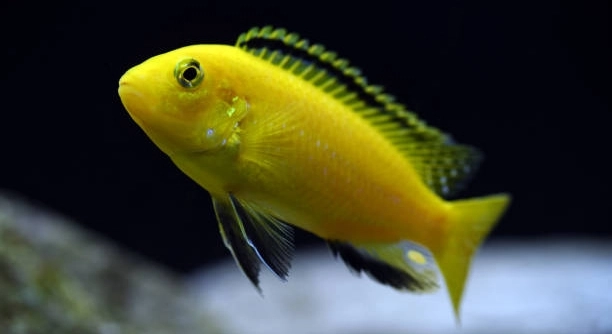
Keeping cichlids in a community tank can be tricky, especially when choosing companions that won’t trigger aggression. Many aquarists seek calm, peaceful species that coexist well without constant stress or territorial disputes.
Several fish species are naturally non-aggressive and can tolerate cichlids’ presence. Suitable tankmates include certain catfish, tetras, rainbowfish, and danios. These species are hardy, avoid confrontation, and occupy different tank levels, reducing direct competition and stress for all fish.
Learning about compatible tankmates ensures a peaceful aquarium environment. The following guide highlights options that balance calmness, safety, and compatibility with your cichlids.
Corydoras Catfish
Corydoras catfish are small, bottom-dwelling fish that rarely provoke cichlids. They spend most of their time scavenging along the substrate, keeping to themselves while cleaning leftover food. Their peaceful nature and small size make them ideal companions for larger, more territorial cichlids. Corydoras move in groups, which also helps reduce stress for each individual fish. They are hardy and adapt well to different water conditions, thriving in tanks with moderate flow and plenty of hiding spots. These catfish have a calm temperament and do not compete aggressively for food or space, making them reliable tankmates. Regular feeding with sinking pellets or wafers keeps them healthy and content without drawing attention from more dominant fish. A group of six or more is recommended, as they feel safer in numbers. Watching their gentle, bottom-dwelling behavior can also bring balance and serenity to the tank environment.
Their small size and peaceful behavior make them compatible with almost any community setup.
Corydoras catfish enhance tank dynamics by cleaning debris while avoiding conflict. They prefer soft substrate to protect their barbels and multiple hiding spots to feel secure. Even when housed with active or larger cichlids, they are rarely harassed, as their non-confrontational behavior signals no threat. Regular group activity creates visual interest while keeping the bottom layer of the tank lively, contributing to a balanced ecosystem. By maintaining proper water parameters and feeding routines, Corydoras remain healthy, peaceful additions. Their presence not only reduces uneaten food but also adds calm movement at the tank bottom.
Otocinclus
Otocinclus catfish are tiny algae eaters that do not disturb cichlids.
They are excellent for controlling algae naturally, staying small, and avoiding direct interactions. Otocinclus are peaceful and thrive in planted tanks with stable water conditions.
These fish are sensitive to water quality, so regular maintenance is crucial. They are best kept in groups of at least four, as social behavior reduces stress and encourages normal feeding. Otocinclus feed mainly on algae and biofilm, helping maintain a cleaner environment without competing with cichlids for food. Despite their small size, they are active and can occupy mid to lower levels of the tank, ensuring minimal territorial overlap with larger, dominant fish. Hiding places like plants or driftwood are essential, as they provide refuge and reduce anxiety. When cared for properly, Otocinclus remain healthy, vibrant, and largely ignored by cichlids. Their subtle movement and algae-cleaning habits make them a practical and peaceful addition to a community tank, contributing to a calmer, more balanced aquatic environment.
Neon Tetras
Neon tetras are small, colorful, and peaceful fish that rarely attract aggression from cichlids. They swim in groups, which helps them feel secure and reduces stress in a community tank. Their size and calm nature make them compatible with most cichlid species.
Neon tetras thrive in schools of six or more, creating a lively but non-threatening presence. Their bright colors add visual interest to the middle and upper levels of the tank. They prefer slightly acidic to neutral water and stable temperatures. Feeding is simple with high-quality flake or micro-pellets, which they consume quickly without disturbing larger tankmates. Neon tetras’ quick, schooling movements are usually ignored by cichlids focused on territory or bottom-dwelling fish. Regular tank maintenance keeps water conditions ideal, ensuring their vibrant coloration and health. Their adaptability and peaceful temperament make them a low-maintenance, harmonious choice for mixed tanks.
These tetras occupy upper and mid-level spaces, leaving bottom areas free for cichlids and other tankmates. Group movement reduces stress, and their small size keeps them safe from most territorial disputes. Neon tetras also help create a layered tank effect, enhancing the overall aesthetic while maintaining harmony. Proper diet, stable water, and adequate schooling ensure they remain active, healthy, and visually appealing. Their presence supports a calm, balanced aquarium environment without provoking aggression.
Guppies
Guppies are small, lively fish that coexist peacefully with cichlids. Their vibrant colors and active swimming add life to the upper tank levels. They are hardy and adapt easily to community environments, making them practical companions.
Guppies reproduce quickly if both males and females are present, so tank population should be monitored. They thrive in clean, well-filtered water and enjoy a diet of flakes, micro-pellets, and occasional live food. Their small size and non-aggressive behavior help them avoid conflict with more dominant cichlids. Guppies’ continuous movement across the tank creates interest without challenging territorial boundaries. They are social, preferring groups of at least five, which encourages normal behavior and reduces stress. Proper care ensures bright colors, active swimming, and overall health, enhancing tank aesthetics without provoking aggression.
Despite their small size, guppies are remarkably resilient when water conditions are stable. Their social behavior encourages schooling, while their active, curious movements make the tank feel lively without interfering with cichlids’ routines. Regular feeding and monitoring of population growth maintain a balanced environment. Guppies occupy upper levels, allowing cichlids to dominate middle or bottom areas. Their presence contributes to a dynamic but peaceful aquarium, supporting visual variety and ecosystem balance. Careful observation ensures harmony, health, and vibrancy for all species in the tank.
Harlequin Rasboras
Harlequin rasboras are peaceful, schooling fish that fit well with cichlids. They prefer groups of six or more and spend most of their time in the middle levels, avoiding confrontation with larger, territorial fish. Their small size reduces stress in the tank.
They are hardy and adapt well to standard community tank conditions. Feeding is simple with flakes or micro-pellets, and they remain active without bothering other fish.
Kuhli Loaches
Kuhli loaches are bottom-dwelling, eel-like fish that rarely provoke cichlids. They spend most of their time hiding or burrowing in the substrate, which keeps them out of sight. Their nocturnal behavior ensures minimal interaction with active cichlids, supporting a peaceful tank environment. They are social, so keeping them in groups of three or more reduces stress and encourages natural behavior. Proper substrate, such as sand, and plenty of hiding spots allow them to feel secure. Feeding at night with sinking food keeps them nourished without attracting cichlid aggression. Their calm, secretive nature makes them reliable tankmates for various cichlid species.
Rainbowfish
Rainbowfish are medium-sized, active fish that occupy upper and middle tank levels. They are peaceful, avoid confrontation, and tolerate cichlids well. Their schooling behavior and vibrant colors enhance visual interest, while their movement is unobtrusive and does not trigger territorial disputes.
White Cloud Minnows
White cloud minnows are small, hardy fish that adapt easily to community tanks. They swim actively in the upper levels, avoiding territorial conflicts, and their peaceful nature ensures minimal stress for cichlids.
FAQ
Which tankmates are safest for aggressive cichlids?
Peaceful, non-territorial species such as Corydoras catfish, Otocinclus, Neon tetras, Guppies, Harlequin rasboras, Kuhli loaches, Rainbowfish, and White Cloud minnows are generally tolerated by cichlids. These fish avoid conflict by staying small, schooling, or occupying different tank levels, which minimizes direct competition for space and food. Choosing hardy species that can handle similar water conditions is essential. Groups of social species, like tetras or loaches, reduce stress and make aggression less likely. Maintaining enough hiding spots, plants, and open swimming areas ensures all fish can coexist comfortably, further improving tank harmony.
Can I mix multiple peaceful species in the same tank with cichlids?
Yes, as long as the tank is large enough and offers sufficient space for all species. Mixing several peaceful species requires careful attention to population density, water conditions, and hiding spaces. Overcrowding increases stress and may trigger aggression. Schooling fish should be kept in groups, and bottom dwellers like Corydoras or Kuhli loaches need soft substrate and shelters to avoid confrontation. Mid-to-upper swimming fish like tetras, rasboras, and rainbowfish generally do well together. Monitoring interactions during the first weeks helps ensure compatibility. With proper planning, multiple peaceful species can coexist alongside cichlids without constant conflict.
How many of each species should I keep with cichlids?
Schooling or social species should be kept in groups to encourage natural behavior and reduce stress. For example, Neon tetras and Harlequin rasboras need at least six individuals, while Kuhli loaches should have three or more. Corydoras prefer six or more, and Otocinclus thrive in groups of four or higher. Guppies can be kept in small groups, ideally with a ratio of more females than males to reduce stress and breeding competition. Maintaining proper group sizes allows each species to feel secure, lowers aggression from cichlids, and creates a more balanced and harmonious tank environment overall.
Do cichlids ever bother these peaceful tankmates?
Occasionally, territorial or aggressive cichlids may show mild interest in smaller or slower-moving fish, particularly during breeding. However, peaceful species that occupy different tank levels or move in schools are generally ignored. Providing hiding spots like plants, driftwood, and caves gives smaller fish refuge. Observing tank dynamics is important, especially during the first weeks. Adjusting the number of hiding areas, rearranging decorations, or slightly increasing group sizes can reduce unwanted attention. Most peaceful species learn to avoid dominant cichlids, and over time, tank interactions usually stabilize without harming the smaller companions.
What should I feed these tankmates in a cichlid tank?
Feeding should be targeted to suit the specific species while minimizing competition. Bottom dwellers like Corydoras, Kuhli loaches, and Otocinclus eat sinking pellets or algae wafers. Mid-to-upper swimmers like Neon tetras, Harlequin rasboras, and Guppies prefer flakes, micro-pellets, or occasional live food. Rainbowfish enjoy a mix of flakes and small frozen foods. Feeding in multiple areas or at different tank levels ensures all fish receive adequate nutrition without triggering aggression from cichlids. Monitoring feeding behavior is essential to prevent weaker fish from being outcompeted.
Can these peaceful fish survive long-term with cichlids?
Yes, with proper tank setup, water conditions, and species selection, these fish can thrive long-term. Ensuring sufficient space, hiding spots, and compatible water parameters is critical. Schooling species benefit from company, while bottom dwellers need soft substrate. Regular observation and maintenance prevent stress and reduce conflicts. Healthy diets and stable environments allow these species to remain active, colorful, and harmonious within a cichlid tank for years. Consistency in care and attention to tank dynamics are key to long-term coexistence.
Is it necessary to separate cichlids during breeding?
Yes, breeding cichlids can become highly territorial. During this time, smaller tankmates may be harassed or chased. Temporary separation, additional hiding areas, or tank rearrangements can protect peaceful fish until breeding behavior subsides. Afterward, the tank can return to normal, allowing all species to coexist safely.
Cichlids are known for their strong personalities and territorial instincts, which can make choosing compatible tankmates a challenge. Selecting peaceful, non-aggressive species is essential to maintain harmony in a community aquarium. Fish like Corydoras catfish, Otocinclus, Neon tetras, Guppies, Harlequin rasboras, Kuhli loaches, Rainbowfish, and White Cloud minnows are excellent options because they either stay small, school together, or occupy different tank levels. These traits help them avoid conflict with larger, more dominant cichlids. Ensuring each species has space to swim freely and sufficient hiding spots reduces stress and prevents territorial disputes. A carefully planned tank with compatible species allows both cichlids and their companions to thrive without constant monitoring or intervention.
Maintaining proper water conditions is another important factor for a peaceful tank. Most peaceful tankmates require stable temperatures, clean water, and appropriate pH levels similar to those preferred by cichlids. Regular water changes, proper filtration, and attention to feeding routines help keep all species healthy. Bottom dwellers such as Corydoras and Kuhli loaches benefit from soft substrate and plenty of shelters, while mid-to-upper swimming species like Neon tetras and Harlequin rasboras need open swimming areas and safe zones away from cichlid territories. Keeping schooling fish in groups not only reduces stress but also encourages natural behavior. Observation during the first few weeks helps identify any tension or aggressive interactions so adjustments can be made promptly.
Choosing the right tankmates for cichlids is about balance and understanding each species’ behavior. Peaceful companions can enhance the tank’s visual appeal, create a lively but calm environment, and help maintain cleanliness through algae-eating and bottom-scavenging activities. With attention to space, hiding spots, group sizes, and feeding routines, cichlids and their tankmates can coexist for years. Successful community tanks require planning and consistent care, but the result is a vibrant, healthy aquarium where all fish display natural behaviors and remain largely stress-free. A well-balanced tank not only looks appealing but also supports the long-term well-being of every species inside.

Hello,
If you enjoy the content that we create, please consider saying a "Thank You!" by leaving a tip.
Every little bit helps us continue crafting quality advice that supports the health, happiness, and well-being of pets around the world, for pets of all shapes, sizes, and species.
We really appreciate the kindness and support that you show us!