
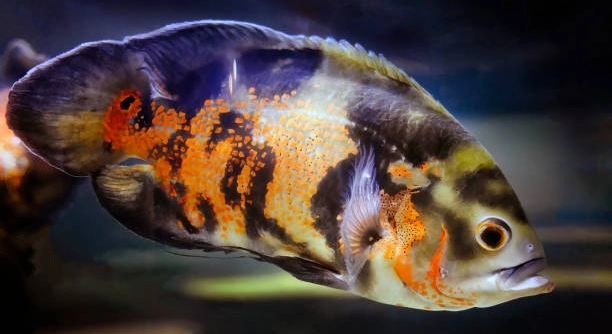
Many cichlid owners enjoy watching their fish interact, but sometimes the fish seem distant or avoid one another. Observing these behaviors can be puzzling, especially when you expect a lively and active aquarium community.
Cichlids may avoid each other due to territorial disputes, stress from overcrowding, differences in size or species, or environmental factors such as water quality and hiding spaces. Addressing these conditions helps maintain harmony and reduces avoidance behaviors.
Knowing what causes avoidance can improve the health and well-being of your fish. Understanding their interactions ensures a more balanced and peaceful aquarium environment for everyone.
Understanding Territorial Behavior
Cichlids are naturally territorial fish, and this instinct can lead to them avoiding each other. In many aquariums, certain species claim specific areas as their own, such as caves, plants, or open swimming spaces. When one fish feels its space is threatened, it may retreat or ignore others rather than engage directly. This behavior is more pronounced in smaller tanks where space is limited. Even if the fish appear healthy, the stress of defending territory can make them less social. Observing where your cichlids spend most of their time can help identify which areas are being contested. Providing enough hiding spots and visual barriers can reduce tension and encourage interaction. Fish that feel secure in their territory are more likely to explore and display natural behaviors. By understanding these instincts, you can adjust tank setup and population to balance territorial needs and maintain a peaceful environment for all cichlids.
Territorial disputes often decrease when aquariums have ample space and hiding spots, reducing stress and encouraging more social interactions.
Creating defined areas for each fish can prevent constant chasing and aggression. Placing rocks, plants, or decorations strategically helps establish boundaries. This setup not only reduces avoidance but also promotes a more natural and calm environment. Fish that feel secure are healthier and more active, enhancing the tank’s overall balance. Observing their movement patterns helps fine-tune arrangements to suit each species’ territorial tendencies. Small adjustments, such as repositioning decorations or adding extra caves, can make a significant difference in reducing avoidance. Over time, these measures encourage cichlids to explore and interact instead of hiding, making the aquarium more lively. Territorial behavior is a natural instinct, and respecting it ensures your fish can coexist without constant stress or confrontation.
Water Quality and Environmental Stress
Poor water quality is a major factor in why cichlids may avoid each other. Parameters such as pH, temperature, and ammonia levels directly impact their comfort and willingness to interact. Fish in suboptimal conditions may isolate themselves or become lethargic. Stress from sudden changes, overcrowding, or incompatible tankmates can also influence social behavior. Regular testing and maintenance are essential to maintain stability. Ensuring proper filtration, consistent temperature, and clean water allows cichlids to feel secure. Fish that sense danger in their environment naturally keep their distance from others. Monitoring water conditions closely and making gradual adjustments helps reduce stress. A well-maintained tank encourages fish to explore, feed, and engage with one another, creating a healthier and more harmonious aquarium where avoidance behaviors are minimized.
Maintaining stable water conditions is key to promoting healthy interactions and reducing stress-induced avoidance among cichlids.
Stressful environments can lead to significant behavioral changes in cichlids. Fish under constant environmental pressure may hide, avoid eating, or stay in corners to minimize exposure. Overcrowding increases competition for food and space, amplifying avoidance behaviors and tension. Even minor fluctuations in water parameters, like temperature swings or pH changes, can trigger prolonged stress responses. Some species are particularly sensitive to light levels, noise, or sudden movements near the tank. Providing consistent care, routine water changes, and adequate space allows fish to establish a sense of security. By observing their behavior and adjusting conditions accordingly, you can encourage more natural interactions. Ensuring a calm environment and reducing sudden disturbances allows cichlids to gradually feel safe and engage with tankmates. Environmental stability supports overall health, activity levels, and long-term social harmony. Properly managed tanks help cichlids thrive without unnecessary conflict or avoidance behaviors.
Species Compatibility
Different cichlid species have varying temperaments, which can lead to avoidance. Aggressive species often dominate shy ones, forcing them to retreat. Mixing highly territorial and passive species increases the likelihood of one group hiding or avoiding the other consistently.
Carefully selecting tankmates based on size, temperament, and activity levels can reduce conflict. Fish with similar social behaviors are more likely to interact without stress. Observing how new additions integrate helps prevent long-term avoidance issues. Some species coexist peacefully in small groups, while others need more space or separate tanks. Planning ahead for compatibility ensures a more stable and harmonious environment where each fish can thrive. Proper research before introducing new cichlids saves time, reduces stress, and prevents injuries.
Even among compatible species, individual personalities affect interactions. Some cichlids are naturally more reserved, preferring to spend time alone or in hidden areas. Others are bold and assertive, often taking the lead in swimming patterns or territory claiming. Recognizing these tendencies helps in arranging the tank and providing adequate hiding spots. Pairing shy fish with overly dominant tankmates can exacerbate avoidance behaviors. Monitoring daily interactions allows adjustments in decor, feeding spots, and territory boundaries to ensure all fish feel secure. Balancing personalities encourages more natural exploration, reduces stress, and supports healthier social behavior in mixed-species aquariums.
Feeding and Social Hierarchy
Cichlids often avoid each other during feeding due to dominance and social hierarchy. More aggressive individuals may monopolize food, leaving timid fish to retreat and wait. This behavior can cause smaller or less assertive fish to remain isolated during meals.
Establishing a feeding routine and distributing food across multiple locations reduces conflict. Ensuring that all fish have access to nutrition prevents prolonged avoidance. Observing feeding patterns helps identify dominant and submissive fish, allowing adjustments to feeding strategies. Some owners separate particularly aggressive fish temporarily during feeding to reduce stress. Providing hiding spots near feeding areas also encourages shy fish to eat comfortably. Adjusting food type, size, and presentation can further support all cichlids in maintaining health.
Social hierarchy is a natural aspect of cichlid behavior. Dominant fish claim the best territories and resources, which can result in avoidance by lower-ranking individuals. Recognizing the structure of your aquarium allows you to accommodate both dominant and submissive fish. Adjusting tank layout, adding multiple feeding points, and ensuring even food distribution helps lower-ranking fish feel secure. Over time, establishing a balanced hierarchy reduces stress-related avoidance and promotes smoother interactions. Maintaining awareness of these dynamics ensures that all cichlids receive proper nutrition, space, and social stability, creating a calmer and healthier tank environment.
Overcrowding
Too many cichlids in a tank can cause constant stress and avoidance. Limited space forces fish to compete for territory, hiding spots, and swimming areas, making them withdraw from each other.
Overcrowding also increases aggression, as dominant fish have less space to assert control. Shy or smaller cichlids often retreat, leading to prolonged isolation. Ensuring the tank has enough room for each fish, along with hiding places and visual barriers, helps reduce avoidance. Adjusting population or upgrading tank size supports healthier interactions, less stress, and more natural behaviors among all inhabitants.
Illness and Weakness
Sick or weak cichlids often avoid others to conserve energy and prevent further stress. Illness may also make them targets for more aggressive fish, prompting isolation.
Monitoring health closely and separating affected fish ensures proper recovery and reduces stress on the rest of the tank population.
Lighting and Environment
Excessive light or sudden changes in lighting can make cichlids uncomfortable. Fish may hide or avoid areas with too much brightness, altering normal social behaviors.
Water Changes and Maintenance
Regular water changes help maintain clean, stable conditions. Inconsistent maintenance can stress cichlids, causing them to avoid tankmates.
FAQ
Why are my cichlids hiding all the time?
Cichlids hide when they feel threatened, stressed, or uncomfortable in their environment. Common causes include overcrowding, aggressive tankmates, poor water quality, or insufficient hiding spaces. Providing caves, plants, and decorations allows them to feel secure. Stable water conditions and proper tank setup encourage fish to explore rather than remain hidden.
Can cichlids ever stop avoiding each other?
Yes, avoidance can decrease if underlying issues are addressed. Ensuring compatible species, proper tank size, and balanced social hierarchies helps. Adjusting decorations, adding hiding spots, and maintaining clean water allow shy or submissive fish to feel more comfortable interacting with others over time.
Is it normal for cichlids to ignore each other?
Some avoidance is natural, especially with shy species or when dominant fish are present. Not all cichlids are highly social. Individual personalities and natural territorial instincts often lead to periods of isolation, even in a healthy, well-maintained aquarium.
How can I reduce aggression in my cichlid tank?
Reducing aggression involves providing enough space, visual barriers, and hiding places. Avoid mixing highly aggressive species with timid ones. Maintaining proper water parameters and ensuring multiple feeding spots also helps prevent dominant fish from monopolizing resources, which can trigger avoidance in weaker fish.
Should I separate shy fish from aggressive tankmates?
Separating shy or bullied cichlids temporarily can reduce stress and allow them to recover confidence. Using a divider or a quarantine tank gives them space to eat and explore safely. Over time, gradual reintroduction into the main tank can help them integrate without excessive fear or avoidance.
Do water parameters affect cichlid behavior?
Absolutely. Cichlids are sensitive to pH, temperature, ammonia, nitrites, and nitrates. Even small fluctuations can increase stress, causing fish to hide or avoid others. Maintaining stable, clean water through regular testing and partial water changes promotes healthier interactions and reduces avoidance behaviors.
Can tank decorations improve social interactions?
Yes, decorations like rocks, caves, and plants help define territories and reduce direct confrontations. Visual barriers give shy fish a sense of security, while open swimming areas allow active fish to move freely. Proper placement supports balanced social behavior and reduces avoidance in the tank.
How often should I monitor my cichlids’ behavior?
Daily observation is best. Watching feeding habits, swimming patterns, and hiding behavior helps identify stress, illness, or aggression early. Promptly addressing unusual behaviors prevents long-term avoidance and ensures a stable, harmonious environment for all fish.
Will adding more fish help reduce avoidance?
Adding more fish is only helpful if species are compatible and the tank is spacious enough. Overcrowding increases stress and aggression, worsening avoidance. Carefully planning additions and considering personality, size, and temperament is essential to maintain balance and healthy social interactions.
Do lighting and noise impact cichlid interactions?
Yes, sudden changes in lighting or frequent external disturbances can make cichlids anxious. Bright lights, shadows, or loud vibrations may lead fish to hide or avoid each other. Maintaining consistent lighting and minimizing disruptions supports calmer, more natural social behavior.
Can shy cichlids become more social over time?
Shy cichlids may gradually become more confident when environmental stressors are reduced. Adequate hiding spots, consistent feeding, compatible tankmates, and stable water conditions all contribute. Observing progress and allowing gradual interaction helps them integrate without unnecessary stress or fear.
How do I know if avoidance is serious?
Avoidance is concerning if it is prolonged, accompanied by poor appetite, lethargy, or visible signs of stress or illness. Persistent hiding, rapid breathing, or fin damage may indicate underlying issues that require attention, such as water quality problems, disease, or aggressive tankmates.
Can diet affect cichlid behavior?
Yes, a proper diet impacts energy levels and social interaction. Malnourished or overfed fish may become lethargic or overly aggressive. Feeding a balanced diet appropriate for the species supports activity, reduces stress, and encourages normal social behavior among tankmates.
Is it better to have single-species or mixed-species cichlid tanks?
Single-species tanks reduce conflicts caused by differing temperaments and territorial behaviors. Mixed-species tanks can work with careful selection and management but require attention to compatibility, size differences, and territorial needs. Both setups can thrive with proper planning and observation.
How long does it take for cichlids to stop avoiding each other?
The time varies depending on species, personalities, tank setup, and stressors. Some fish adjust in a few days after environmental improvements, while others may take weeks or months. Consistency in water quality, tank layout, and compatible companions is key to long-term social balance.
What should I do if aggression continues despite changes?
If aggression persists, consider separating dominant fish or creating additional territories. Re-evaluating tank size, population, and species compatibility may be necessary. Consulting with an experienced aquarist or veterinarian can provide tailored advice to resolve persistent avoidance and maintain a healthy aquarium.
Can illness in one fish cause others to avoid it?
Yes, sick fish may emit stress signals or become lethargic, prompting healthy tankmates to avoid them. Isolating affected fish for treatment protects both their recovery and the overall social balance of the tank, preventing stress or the spread of disease.
Do water temperature changes affect social behavior?
Sudden temperature swings can make cichlids sluggish or stressed, causing avoidance. Stable temperatures appropriate to the species are crucial. Minor fluctuations over time are less disruptive, but rapid changes often trigger hiding or reduced interactions, impacting overall tank dynamics.
Is it normal for cichlids to have preferred companions?
Yes, some cichlids form loose social bonds or swim in small groups. They may avoid other fish they perceive as threats or competitors. Recognizing natural affinities and arranging the tank accordingly can support more harmonious interactions and reduce avoidance.
Can adding plants help reduce avoidance?
Yes, live or artificial plants provide cover and break lines of sight, helping shy or subordinate fish feel secure. Plants create natural barriers, reduce stress, and encourage more confident swimming and interaction, improving overall social balance in the tank.
How important is tank size for cichlid interactions?
Tank size directly affects social behavior. Crowded tanks increase stress, aggression, and avoidance. Providing adequate swimming space and separate territories allows both dominant and submissive fish to coexist peacefully, minimizing hiding and promoting natural behaviors.
What should I do if avoidance suddenly increases?
Sudden increases in avoidance may indicate stress, illness, water changes, or aggressive newcomers. Check water quality, observe fish health, and ensure environmental stability. Adjusting tank setup or temporarily isolating aggressive fish helps restore balance and reduces prolonged hiding.
Can breeding behavior affect avoidance?
Yes, during breeding, cichlids may become more territorial and aggressive. Non-breeding or weaker fish often avoid nesting areas to prevent confrontation. Providing extra hiding spaces and monitoring interactions can help maintain peace during this period.
Are certain cichlid species more prone to avoidance?
Shy or highly territorial species are more likely to hide or avoid others. Species with strong dominance hierarchies or high aggression levels naturally influence social dynamics, requiring careful tank planning to minimize stress and promote peaceful interactions.
How do I know if my tankmates are compatible?
Compatibility is based on size, temperament, and territorial behavior. Observing initial interactions and researching species-specific traits helps. Gradual introductions and maintaining multiple territories allow fish to establish social hierarchies without excessive avoidance or stress.
Does tank decoration placement affect avoidance?
Yes, poor placement can increase exposure and stress. Creating visual barriers, hiding spots, and clearly defined territories helps reduce conflicts. Thoughtful arrangement encourages shy fish to explore while allowing dominant fish to maintain control over their preferred areas.
Is it normal for avoidance to fluctuate over time?
Yes, cichlid behavior can change with age, growth, environmental changes, or social shifts. Temporary avoidance may occur during stress, illness, or dominance re-establishment. Monitoring behavior and adjusting conditions ensures long-term stability and reduces prolonged hiding.
Can I prevent avoidance completely?
Avoidance can rarely be eliminated entirely, as it is a natural behavior. However, proper tank setup, compatible species selection, stable water conditions, and sufficient space can significantly reduce stress and isolation, promoting a healthier and more interactive aquarium environment.
Cichlids are fascinating fish, and their behaviors often reflect a balance of natural instincts, environmental conditions, and social interactions. Avoidance is a common part of their daily life and usually signals that something in the tank is not ideal for all fish. Understanding why your cichlids avoid each other helps create a healthier and more stable aquarium. Factors like territorial instincts, species compatibility, water quality, and even lighting or tank decorations can influence how often and how strongly your fish choose to keep their distance. Observing their behavior carefully and noting patterns can provide valuable insight into what each fish needs to feel secure. Small adjustments, such as adding hiding spots, rearranging decorations, or improving water conditions, often make a noticeable difference.
It is important to remember that each cichlid has a unique personality. Some are naturally shy or reserved, while others are more dominant and assertive. Even within the same species, one fish may be more outgoing, while another prefers to spend time alone or in a hiding spot. These differences affect interactions and may result in temporary or ongoing avoidance. By paying attention to these individual traits, you can better support each fish’s comfort and well-being. For example, providing extra caves or plants allows shy fish to feel safe without forcing interaction. Similarly, ensuring open swimming areas for active or dominant fish reduces stress for both parties. Understanding personality differences along with species behavior helps prevent unnecessary stress and keeps the aquarium environment calm and balanced.
Creating a healthy tank environment requires attention to both physical and social needs. Maintaining clean, stable water, providing enough space, and ensuring compatible tankmates all contribute to reducing avoidance. Monitoring daily behaviors, including feeding patterns and movement around the tank, is an effective way to catch potential issues early. When cichlids feel secure in their environment, they are more likely to explore, feed, and engage with others naturally. Adjustments may take time, and improvements might appear gradually, but consistent care leads to long-term stability. By respecting each fish’s instincts, personality, and environmental needs, you create a peaceful and balanced aquarium where avoidance behaviors are minimized, and your cichlids can thrive.

Hello,
If you enjoy the content that we create, please consider saying a "Thank You!" by leaving a tip.
Every little bit helps us continue crafting quality advice that supports the health, happiness, and well-being of pets around the world, for pets of all shapes, sizes, and species.
We really appreciate the kindness and support that you show us!