
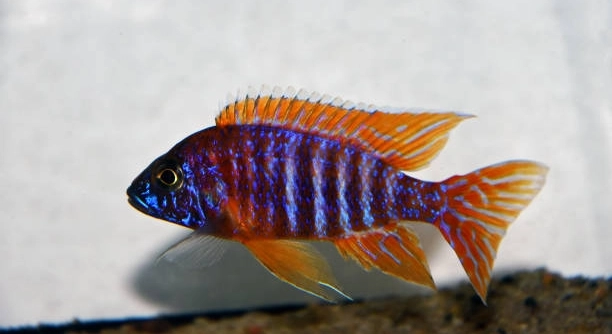
Cichlids are fascinating fish, known for their intelligence and vivid colors. Many aquarists enjoy watching them interact, but building bonds between them can sometimes be surprisingly difficult and unpredictable in a home aquarium setting.
Several factors can prevent cichlids from bonding, including incompatible species, limited tank space, poor water quality, inadequate hiding spots, stress from overcrowding, improper diet, and lack of consistent socialization. Addressing these issues is essential for promoting healthy interactions.
Understanding these barriers will help improve your tank’s environment and create stronger connections between your cichlids. Their social behaviors are rewarding when properly supported and nurtured.
Incompatible Species
When keeping cichlids, choosing compatible species is key. Some species are naturally aggressive or territorial, making bonding nearly impossible. Mixing peaceful cichlids with highly aggressive ones often results in constant chasing and fighting. Even fish with similar sizes may clash if their temperaments differ. Observing how each species behaves in groups can prevent stress and injury. Pairing species that share similar water needs, feeding habits, and social behavior increases the chances of harmonious interaction. Avoiding naturally dominant or highly territorial species in shared tanks can reduce aggression. Providing enough space and visual barriers helps limit confrontations, but careful species selection is the first step. Even within compatible species, individual personalities can differ, so monitoring their behavior over time is important. Successful bonding depends on balance, patience, and awareness of each species’ unique traits, ensuring your cichlids can coexist peacefully without constant tension or competition.
Proper species selection saves time and reduces stress for both fish and keeper.
Watching compatible cichlids interact is rewarding. They may form pairs or small groups that coexist calmly, exploring the tank together. Observing small displays of dominance and submission is normal, but severe aggression should be addressed. Over time, compatible species can establish clear social hierarchies, reducing conflict and encouraging natural behaviors. Careful attention to species traits, tank layout, and observation helps maintain peace, allowing fish to bond safely.
Limited Tank Space
Crowding a tank prevents cichlids from forming bonds. When space is tight, fish cannot establish territories or retreat from aggression. Overcrowding causes stress, which increases irritability and reduces social interaction. Fish may hide constantly or attack each other, hindering bonding. Providing ample swimming room and hiding spots allows cichlids to engage comfortably, reducing tension and encouraging natural behaviors.
A spacious tank supports healthier relationships and lowers stress levels among fish.
With more room, cichlids can claim territories without conflict. They can interact, explore, and establish pecking orders naturally. Adding rocks, caves, and plants creates visual barriers and personal spaces, giving shy or less dominant fish areas to rest. Sufficient space also allows for proper distribution of food and reduces competition. When cichlids feel secure in their environment, aggression decreases, and bonding becomes possible. Tank size should reflect the number and type of cichlids, ensuring everyone has room to thrive. Balancing territory, hiding spots, and swimming space is essential. A well-planned tank not only supports social structures but also encourages healthy activity, feeding habits, and overall well-being, fostering better interactions and stronger bonds.
Poor Water Quality
Dirty or unstable water makes cichlids stressed and irritable, preventing bonding. High ammonia, nitrite, or nitrate levels can cause sickness, aggression, or hiding. Regular testing and maintenance are essential for healthy interactions and calm behavior.
Cichlids are sensitive to changes in water chemistry. Fluctuating pH, temperature swings, or high toxin levels can disrupt their immune system and stress them, reducing social behaviors. Fish may become withdrawn, avoid each other, or show sudden aggression. Maintaining consistent water parameters ensures a stable environment, allowing natural interactions and bonding. Regular water changes, proper filtration, and monitoring help cichlids feel secure, encouraging them to explore, interact, and establish social hierarchies safely within the tank.
Stable water quality supports normal feeding, activity, and social patterns. Stress-free fish are more likely to display natural behaviors, including pairing or forming peaceful groups. Ensuring clean, balanced water is essential for promoting long-term harmony and interaction among your cichlids.
Inadequate Hiding Spots
Without sufficient hiding places, cichlids feel exposed and stressed, which discourages bonding. Rocks, caves, and plants give them security and space to retreat when needed, reducing aggression and tension.
Providing well-distributed hiding spots allows shy or subordinate cichlids to avoid dominant fish while still exploring the tank. Fish can establish territories with boundaries, making interactions safer and more predictable. Hiding spots reduce stress during feeding and minimize confrontations, allowing cichlids to display natural behaviors. A tank with varied structures encourages peaceful exploration, encourages shy fish to socialize gradually, and supports bonding.
Hiding places also help reduce visual stress by breaking lines of sight between aggressive individuals. This allows multiple fish to coexist without constant conflict. Well-placed structures create micro-territories, encouraging natural pecking orders while giving all fish a sense of safety. Over time, cichlids learn to navigate their environment confidently, using retreats and safe zones effectively. Properly designed tanks balance activity and security, letting shy, dominant, or mid-level fish interact at their own pace, fostering gradual bonding and reducing injury risk.
Stress from Overcrowding
Too many cichlids in one tank leads to constant stress. Fish cannot establish territories, and conflicts increase, preventing bonding and causing aggression.
Overcrowding limits movement, reduces access to food, and makes hiding impossible. Fish feel threatened constantly, which disrupts social interactions and increases illness risk.
Improper Diet
Feeding cichlids an unbalanced diet affects their health and behavior. Poor nutrition can make them lethargic, irritable, or overly competitive for food, interfering with bonding and social interactions.
Lack of Socialization
Cichlids that are rarely exposed to other fish may struggle to bond. Limited interaction prevents them from learning social cues and establishing relationships naturally.
FAQ
How do I know if my cichlids are compatible?
Compatible cichlids usually share similar temperaments, size, and environmental needs. Observe their interactions: peaceful swimming together, occasional displays of dominance without injury, and shared feeding times are good signs. Avoid mixing naturally aggressive species with peaceful ones to reduce stress and conflict.
What is the best tank size for bonding?
A larger tank allows cichlids to claim territories and avoid constant confrontation. Overcrowding increases aggression and prevents social structures from forming. The exact size depends on the species and number of fish, but a tank that offers at least three times the minimum recommended volume is ideal for bonding.
How often should I change the water?
Regular water changes are essential for healthy interactions. A 20–30% water change weekly helps maintain stable parameters, removing toxins that stress fish. Consistent quality allows cichlids to explore, establish territories, and interact naturally without fear of sudden environmental stress.
What hiding spots work best for bonding?
Rocks, caves, and plants create secure areas for shy or less dominant fish. Visual barriers reduce aggression and allow fish to retreat safely. Distributing hiding spots evenly across the tank gives multiple fish space to feel secure and encourages gradual socialization without constant stress.
Can diet affect cichlid bonding?
Yes, poor nutrition can cause irritability, lethargy, or over-competition for food. Feeding a balanced diet with high-quality flakes, pellets, and occasional live or frozen foods keeps cichlids healthy, reduces stress, and encourages calmer social interactions. Consistent feeding routines also help maintain order during meals.
How do I reduce aggression in the tank?
Introduce more space, hiding spots, and visual barriers. Rearranging decorations occasionally can reset territories and reduce dominance conflicts. Avoid sudden changes in lighting, temperature, or water chemistry, as these can trigger aggressive behavior and prevent bonding. Consistent maintenance and monitoring are key.
How long does it take for cichlids to bond?
Bonding time varies depending on species, tank conditions, and individual personalities. Some pairs may form quickly within weeks, while groups may take months. Providing proper space, hiding spots, stable water, and balanced nutrition accelerates the process. Patience is essential for long-term harmony.
Should I separate aggressive fish?
Separating overly aggressive individuals can prevent injuries and allow remaining fish to interact safely. Aggression may be temporary during territory establishment, but persistent attacks require intervention. Using a divider or moving the aggressive fish to a different tank maintains peace and supports bonding among calmer fish.
Does tank décor influence bonding?
Yes, décor impacts how fish interact. Rocks, caves, and plants create territories, reduce visual stress, and give fish private spaces. A well-structured tank encourages exploration, natural behaviors, and social hierarchy formation, all of which promote bonding. Avoid open, featureless tanks that increase conflict and stress.
Can water temperature affect social behavior?
Temperature affects metabolism and activity levels. Water that is too cold or too warm can stress fish, reduce feeding, and trigger aggression. Maintaining the ideal temperature range for the specific cichlid species ensures healthy activity, calmer interactions, and a higher chance of bonding.
How do I introduce new cichlids without disrupting bonding?
Quarantine new fish to prevent disease, then introduce them gradually. Use visual barriers at first and allow the newcomers to acclimate. Rearranging tank décor before introduction can minimize territorial disputes. Monitoring interactions closely during the first days is crucial to prevent injuries and encourage social integration.
Can cichlids form bonds with multiple tank mates?
Yes, many cichlids form small social groups or pairs within a larger community. Hierarchies develop naturally, and shy fish learn to navigate relationships. Providing adequate space, hiding spots, and balanced nutrition supports peaceful coexistence and helps multiple cichlids bond safely.
What signs indicate successful bonding?
Cichlids that are bonded swim together peacefully, share territory without constant fighting, and engage in natural behaviors like feeding and exploring. Reduced chasing, minimal injury, and calmer social interactions are clear indicators that your fish are forming positive relationships.
How often should I monitor interactions?
Daily observation is important, especially during the initial introduction or changes in tank conditions. Watch for signs of stress, aggression, or illness. Early intervention prevents injuries and helps maintain an environment where cichlids can bond naturally over time.
Can stress from external factors affect bonding?
Yes, sudden loud noises, excessive handling, or vibrations near the tank can stress cichlids. Stress makes them more aggressive or withdrawn, disrupting social dynamics. Creating a calm environment and limiting disturbances supports healthier interactions and bonding.
What role does individual personality play in bonding?
Even within the same species, individual temperaments differ. Some fish are naturally dominant, shy, or playful. Understanding these personalities helps in arranging tank space, hiding spots, and feeding strategies, allowing each fish to adjust and form positive social connections.
Can bonding be encouraged through feeding routines?
Structured feeding routines reduce competition and stress. Feeding at consistent times, spreading food across the tank, and offering varied nutrition allow all cichlids to eat without conflict. Calm mealtime interactions foster trust and help fish bond over time.
Is it normal for bonded cichlids to have occasional conflicts?
Yes, minor displays of dominance or brief chases are normal as fish maintain hierarchy. These conflicts rarely result in injury if the tank is spacious and has hiding spots. Monitoring ensures that interactions remain healthy and bonding continues without escalation.
How do I prevent regression in bonding?
Maintain stable water quality, sufficient space, hiding spots, and proper nutrition. Avoid sudden changes in tank setup or aggressive additions. Regular observation and timely interventions prevent conflicts and support long-term social stability among your cichlids.
What should I do if bonding fails?
Reevaluate species compatibility, tank size, décor, and social dynamics. Adjust water parameters, add hiding spots, or separate aggressive individuals. Patience and careful management often resolve issues, allowing fish to eventually establish safe and harmonious relationships.
This FAQ provides practical steps to help cichlids form bonds, reduce aggression, and maintain a healthy, social aquarium environment. By addressing environmental, dietary, and behavioral factors, bonding becomes achievable with consistent care and observation.
Word count: 523
Caring for cichlids and helping them form bonds requires attention to both their environment and behavior. These fish are intelligent and social, but they can be sensitive to changes in water quality, tank size, and the presence of other fish. Maintaining stable water conditions is essential, as fluctuations in pH, temperature, or chemical levels can stress them and disrupt social interactions. Regular water testing, proper filtration, and consistent water changes are necessary to keep your tank healthy. When cichlids feel safe and secure in their environment, they are more likely to explore, interact, and establish relationships naturally. Stress-free fish display more predictable behaviors, allowing you to observe their personalities and social dynamics without the constant worry of conflict or illness. A well-maintained tank not only supports bonding but also encourages natural behaviors like territorial establishment, feeding routines, and interaction with other tank mates.
Tank layout and design also play a significant role in cichlid bonding. Providing hiding spots, rocks, caves, and plants gives each fish a place to retreat when needed. These spaces reduce visual stress and prevent aggression by allowing less dominant or shy fish to feel safe. Proper distribution of these hiding spots ensures that multiple fish can occupy the tank without constant confrontation. Overcrowding, even with compatible species, can lead to stress and fighting because fish have no space to establish territories. The balance between open swimming areas and secure retreats is important, as it allows fish to engage socially while still maintaining a sense of security. By carefully arranging the tank, you can encourage peaceful interactions and gradual social bonding. Observing your cichlids over time helps you understand their preferences and adjust the tank setup to support harmonious behavior.
Lastly, diet, socialization, and individual temperament are key factors in successful bonding. Feeding a balanced diet with proper nutrition keeps fish healthy, energetic, and less prone to aggressive competition. Structured feeding routines reduce stress and encourage calm interactions. Socialization is important, especially for species that rely on group behaviors or pairs. Fish that are rarely exposed to others may struggle to understand social cues, making bonding difficult. Each cichlid has a unique personality, and understanding these traits helps in managing interactions. Some fish are naturally dominant, while others are shy or playful, and acknowledging these differences allows for better tank management. Patience is crucial because bonding takes time, and not all fish will interact immediately. By maintaining consistent care, observing behaviors, and providing a supportive environment, cichlids can form stable relationships that enhance their overall well-being and create a more peaceful, enjoyable aquarium.
Word count: 406

Hello,
If you enjoy the content that we create, please consider saying a "Thank You!" by leaving a tip.
Every little bit helps us continue crafting quality advice that supports the health, happiness, and well-being of pets around the world, for pets of all shapes, sizes, and species.
We really appreciate the kindness and support that you show us!