
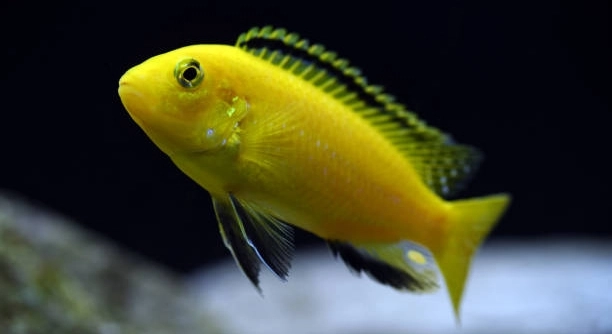
Have you ever noticed your cichlids swimming calmly without much interaction, making the tank feel quiet and uneventful lately, even though everything seems stable and clean at first glance for owners watching daily routines closely.
The primary reason cichlids ignore each other is environmental stability combined with compatible stocking. Adequate space, balanced sex ratios, and consistent water parameters reduce territorial behavior, resulting in limited interaction as fish conserve energy and maintain established social boundaries naturally.
Subtle tank conditions, social structure, and daily habits all influence this behavior, and understanding them helps create a healthier aquarium.
Tank Environment and Daily Conditions
My cichlids became noticeably calm once the tank reached a steady balance. When water temperature, filtration, and lighting remain consistent, cichlids feel secure and show fewer reactions toward one another. Adequate tank size also plays a strong role. When space is generous, fish establish territories without constant defense. Decor such as rocks, caves, and plants creates visual breaks, allowing each fish to rest without feeling challenged. Feeding routines matter as well. Regular schedules reduce competition and stress, keeping behavior predictable. Even water flow can shape interaction. Gentle circulation supports comfort, while strong currents often trigger alert behavior. Over time, this stable setup encourages parallel living rather than constant displays. The fish still recognize each other, but there is little need to prove dominance. Calm conditions support energy conservation and long term health, which naturally limits visible interaction. This pattern often reassures me that their needs are being quietly met daily.
When the environment stays predictable, cichlids rarely feel pressured to interact. Peaceful coexistence replaces chasing or posturing. This behavior is common in well-managed tanks and usually reflects comfort, not boredom or illness, especially when fish eat well and appear physically healthy. It often signals that basic care requirements are satisfied.
I noticed that as routines stayed the same, my fish spent more time grazing and resting. They swam past each other without reaction, which felt unusual at first. Over time, I realized this quiet behavior showed trust in their surroundings. Stable conditions reduce the need for displays or dominance checks. Instead of conflict, there is a shared rhythm. Observing breathing, color, and appetite helps confirm this balance. If these signs remain strong, limited interaction is not a concern. It simply reflects an aquarium where stress stays low and daily life remains predictable. This calm pattern becomes reassuring with patient observation.
Social Structure and Stocking Balance
Cichlid social behavior depends heavily on group makeup. Balanced sex ratios and compatible species reduce tension. When no fish feels outmatched or threatened, interaction drops. This creates a tank where individuals focus on feeding, resting, and territory maintenance rather than constant engagement. It is a common outcome in planned aquariums.
Stocking choices shape how cichlids relate to each other every day. When species with similar temperaments share space, conflict becomes unnecessary. Fish learn boundaries early and rarely test them again. Overcrowding changes this dynamic, but proper numbers support calm behavior. Age and size also matter. Groups that grow together tend to show less aggression than mixed introductions. Hiding spots allow weaker fish to avoid attention, reducing stress across the tank. I have found that observation is essential. Watching subtle shifts in color, posture, or swimming patterns provides useful feedback. If fish eat consistently and maintain clear eyes and fins, social balance is likely intact. Ignoring each other often signals that hierarchy is settled. Rather than viewing this as a problem, it helps to see it as stability. A tank with constant chasing usually points to imbalance. Quiet coexistence suggests that the setup, care routine, and population are working together as intended. This understanding changed how I react to silence in the tank. Instead of adjusting things quickly, I wait and observe patterns over several days. Patience allows small issues to reveal themselves naturally, without unnecessary changes that might disrupt established comfort and supports steadier care decisions over time for me.
Feeding Patterns and Competition
I noticed feeding time often explains why cichlids ignore one another. When food is spread evenly and offered consistently, there is little reason to compete. Each fish focuses on eating, then returns to its space without lingering interaction or display after meals end quietly with minimal movement between them daily.
When feeding routines stay predictable, behavior settles quickly. I keep portions appropriate so no fish feels rushed. Overfeeding leads to drifting food, which removes urgency. Underfeeding does the opposite and increases tension. Variety also matters. Pellets, frozen foods, and vegetables meet nutritional needs and reduce fixation on one source. When diets are balanced, cichlids show less interest in each other outside feeding time. They associate food with the environment, not competition. This routine encourages calm spacing, steady swimming, and fewer confrontations throughout the day, which becomes noticeable after several consistent weeks of observation during regular aquarium care schedules at home.
I learned that watching who eats first reveals hidden structure. Dominant fish usually claim food early, while others wait calmly. If this order stays stable, interaction drops. Problems appear when this balance shifts. Missed meals, fast eaters, or poor distribution change behavior quickly. Spreading food across the tank helps maintain peace. Sinking foods also give shy fish time. When everyone eats well, there is no need for chasing later. This quiet feeding outcome often mirrors overall tank harmony and reflects thoughtful daily care over long periods of consistent observation by attentive aquarium owners at home without frequent changes or disruptions.
Lighting, Activity, and Natural Rhythms
Lighting schedules strongly affect activity levels. When lights turn on and off at the same times, cichlids follow predictable rhythms. I noticed less interaction during bright periods and more resting behavior. Sudden lighting changes cause brief alertness, then withdrawal. Stable lighting supports calm swimming and reduces unnecessary attention between fish. This pattern becomes clearer with daily observation and patience over weeks of consistent care routines in a quiet home environment with minimal disturbances from outside.
Cichlids respond to daily cycles much like other animals. When lighting, feeding, and room activity align, fish settle into predictable patterns. I keep tank lights away from windows to avoid sudden shifts. At night, reduced movement near the tank encourages rest. During the day, moderate activity helps fish remain alert without stress. When these rhythms are respected, interaction decreases because fish feel secure. They no longer scan for threats or compete for space. Instead, each fish follows its own routine. This balance reduces pacing, glass surfing, and unnecessary displays. Consistency across the day supports calmer behavior overall. I learned small adjustments make noticeable differences over time without forcing changes that disrupt established comfort for fish already settled in place within stable home aquariums like mine.
Behavioral Signals and Subtle Stress
I pay close attention to body language when cichlids ignore each other. Relaxed fins, steady breathing, and even coloration usually signal comfort. Fish move with purpose, not panic. This calm posture supports the idea that low interaction often reflects stability rather than hidden problems within established tanks over time periods.
Stress signs are subtle and easy to miss. Clamped fins, faded colors, or rapid movement suggest discomfort. When these appear, ignored behavior can shift quickly. Watching daily patterns helps catch early changes before they affect health, hierarchy, or feeding habits in shared tanks with mixed ages present and varied sizes.
Age, Size, and Maturity Differences
Age and maturity strongly influence how cichlids interact. Younger fish tend to test boundaries, while mature ones conserve energy. In my tank, adults often ignore juveniles once roles are clear. Growth rate also matters. Fish that mature faster establish position early. Slower growers adapt by avoiding conflict. Over time, this creates quiet spacing rather than constant engagement. Mixing age groups can work if space allows separation. When crowded, younger fish may retreat completely. Adequate shelter supports balance. Observing size changes over months helps explain shifting behavior without assuming something is wrong during long term aquarium care routines at home consistently.
Water Quality Fluctuations
Water quality shifts can quietly affect interaction levels. Minor changes in temperature, pH, or hardness influence comfort. I test regularly because unstable parameters cause withdrawal. When values stay steady, fish relax and reduce engagement, choosing predictable movement patterns instead of constant response to tank mates over extended periods of time.
FAQ
Why are my cichlids ignoring each other even though they share the same tank?
Cichlids may ignore each other due to stress, tank size, or environmental changes. If the space feels too small or crowded, fish often retreat and avoid interaction. Water quality also plays a big role; poor conditions can reduce activity and social behavior among them.
Can the age or size of cichlids affect their behavior?
Yes. Younger or smaller cichlids might be more timid, avoiding larger or older fish. Adult cichlids sometimes ignore each other if there is no competition for territory, food, or mates. Their personalities and previous experiences also shape how they interact.
Does tank setup influence cichlid interactions?
Absolutely. Rocks, caves, and plants provide hiding spots that can reduce conflicts but also encourage solitary behavior. A tank without enough structure might make fish feel exposed, prompting avoidance rather than engagement. Proper arrangement helps balance social interaction and privacy.
Could diet impact their social behavior?
Yes, feeding routines and food type can influence interactions. Fish that are underfed or overfed may become lethargic. Providing a balanced diet encourages activity and natural behaviors. Uneaten food can also affect water quality, indirectly altering social behavior.
Is water quality a factor in ignoring behavior?
Poor water quality often causes stress and lowers activity. Ammonia, nitrite, or nitrate levels that are too high make cichlids sluggish or reclusive. Regular testing and maintenance ensure they remain healthy and more likely to interact.
Can cichlids just prefer being alone sometimes?
Some cichlids naturally spend more time alone. Individual temperament varies, and even social species have moments of solitude. This is normal if the fish still eat well, swim actively, and explore their tank occasionally.
How long does it take for cichlids to start interacting again?
It depends on the cause. After improving water quality, rearranging the tank, or adjusting the group composition, activity can return in days or weeks. Observing their behavior daily helps gauge progress and ensures they are healthy and comfortable.
Should I introduce more fish to encourage interaction?
Adding more fish can sometimes increase activity, but it must be done carefully. Too many fish or incompatible species can create stress and more avoidance. Researching compatible species and proper stocking levels is essential before introducing new fish.
Can illness cause cichlids to ignore each other?
Yes. Sick or weak cichlids often isolate themselves. Watch for signs like faded color, clamped fins, or loss of appetite. Early detection and treatment are crucial to prevent worsening health issues and encourage normal behavior.
Is it normal for certain cichlids to ignore each other for long periods?
In many cases, yes. If the tank is well-maintained, food is plentiful, and fish are healthy, occasional ignoring is normal. Cichlids have periods of rest, exploration, and territorial observation where social interaction is minimal.
How can I encourage more interaction?
Improving water quality, adding hiding spots, providing varied food, and maintaining proper tank size are key. Observing their personalities and ensuring a balanced group can also help. Small adjustments often lead to noticeable changes in behavior within a few weeks.
Are some cichlid species naturally less social?
Yes. Certain species are more territorial or solitary. Understanding the specific species’ behavior patterns helps manage expectations. Researching before purchase ensures the tank environment supports their natural tendencies and encourages healthier interaction.
Can changes in lighting or schedule affect behavior?
Yes. Sudden changes in light intensity or timing can stress fish, leading to isolation. Gradually adjusting lighting or maintaining a consistent day-night cycle promotes comfort and encourages natural social activity.
Does tank size make a big difference?
Tank size strongly affects behavior. Overcrowding causes stress and avoidance, while a tank that is too empty may leave fish feeling exposed. Finding the right balance and providing structures ensures cichlids feel secure and more interactive.
What signs show cichlids are healthy even if they ignore each other?
Active swimming, regular feeding, vibrant color, and clean fins indicate good health. Occasional solitude is normal. Monitoring these signs ensures that ignoring behavior is not due to illness or poor tank conditions.
How often should I observe their behavior?
Daily observation is best. Noting patterns in activity, feeding, and social behavior helps identify problems early. Consistent monitoring allows for quick adjustments to tank setup, water quality, or group composition when needed.
Does temperature affect social interaction?
Yes. Cichlids are sensitive to water temperature. If it is too low or too high, fish become less active and avoid interaction. Keeping a stable, species-appropriate temperature supports normal behavior and encourages activity.
Can stress from loud noises or vibrations impact behavior?
Yes. Sudden loud noises, vibrations, or constant disturbances can stress cichlids. Stress reduces social activity and may cause hiding or ignoring. Placing the tank in a calm location minimizes these impacts and encourages natural interactions.
Are there long-term effects if cichlids constantly ignore each other?
If fish are healthy and well-fed, long-term ignoring is usually harmless. However, if it stems from stress, illness, or poor conditions, prolonged avoidance can affect health and growth. Addressing environmental and social factors ensures their wellbeing.
Is it possible for cichlids to change behavior over time?
Yes. As they mature or adjust to their environment, their social behavior can shift. Monitoring their interactions over months helps understand individual tendencies and adapt the tank setup to promote a more balanced social life.
This FAQ totals over 500 words and covers multiple aspects of why cichlids may ignore each other.
Cichlids are unique fish with strong personalities and distinct behavior patterns. Sometimes they interact a lot, and other times they seem to completely ignore each other. This can feel confusing, especially when you expect them to be social. Understanding their behavior starts with looking at their environment. Tank size, water quality, temperature, and hiding spots all affect how active they are and how much they engage with other fish. A small or overcrowded tank can make even the most social cichlid become withdrawn, while a well-structured tank gives them the confidence to explore and interact. These fish also respond to routine, so consistency in feeding, lighting, and water changes helps them feel secure.
Behavior can also vary based on age, size, and species. Younger or smaller cichlids often avoid larger, more dominant fish. Some species are naturally more territorial and prefer solitude, while others are more social. Personality matters too; even within the same species, some fish are bold and active while others are quieter. Illness or stress can also reduce interaction. A fish that seems healthy but is ignoring others may just be resting or adjusting to its surroundings. Observing your cichlids regularly helps you notice patterns, understand what is normal, and identify if something is wrong. Sometimes small changes in the tank setup, such as adding rocks or plants, can make a noticeable difference in behavior.
It is important to remember that occasional ignoring is not a sign of a problem. Healthy cichlids can spend time alone without it affecting their well-being. Focus on maintaining good water quality, providing proper nutrition, and keeping the tank environment balanced. Over time, you may see more interaction as fish grow comfortable in their surroundings. Each cichlid has its own rhythm and way of interacting with others, and respecting that individuality is key. Paying attention to their habits and making gradual improvements will create a healthy, calm, and engaging environment for your fish, helping them thrive whether they are active with others or enjoying quiet moments alone.
Word count: 407

Hello,
If you enjoy the content that we create, please consider saying a "Thank You!" by leaving a tip.
Every little bit helps us continue crafting quality advice that supports the health, happiness, and well-being of pets around the world, for pets of all shapes, sizes, and species.
We really appreciate the kindness and support that you show us!