
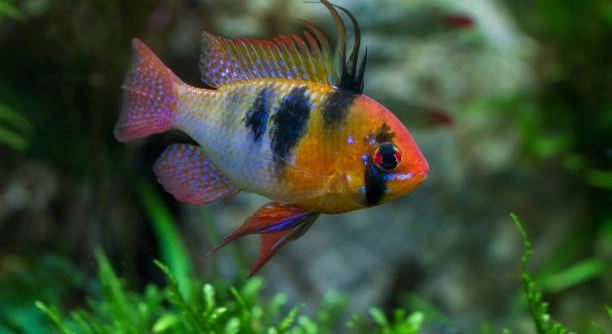
Do you enjoy keeping cichlids but sometimes notice they act differently in new tanks? Many fish owners observe changes in behavior when cichlids are moved, raising thoughts about memory and environmental adaptation.
Cichlids have the capacity to remember aspects of their previous tanks, including layout, hiding spots, and interactions with other fish. This memory can influence their stress levels, territorial behavior, and social responses in new environments.
Understanding how past environments affect cichlids helps improve tank setups and ensures healthier, more confident fish over time.
How Cichlids Learn and Remember
Cichlids have a strong ability to recognize patterns and objects in their environment. Over time, they memorize the layout of their tank, familiar hiding spots, and locations of food. These memories affect their comfort level and how they interact with other fish. When moved to a new tank, cichlids may initially hide or behave cautiously. Their prior experiences can influence how quickly they adjust. Fish that were stressed in a previous tank may carry some of that anxiety into a new environment. On the other hand, fish that had a stable, enriched habitat often adapt faster. Observing your cichlid’s reactions during the first few days in a new tank can provide insight into what it remembers. Even simple elements like decorations or substrate can trigger recognition and guide behavior. This ability to retain information shows that cichlids have more than instinct—they learn from experience.
Their memory helps them navigate new spaces more confidently over time.
By studying their behavior, we can create environments that reduce stress. Proper tank setup, consistent feeding routines, and gradual introduction to new spaces support mental stability. Cichlids remember interactions with other fish, including signs of dominance or aggression. If a tank had aggressive neighbors, they may show caution in a new group. Conversely, positive social experiences can encourage exploration. Consistent environmental cues, like familiar hiding places or decorations, reinforce security. Removing abrupt changes helps fish adapt without prolonged stress. Feeding routines, water quality, and even lighting patterns can become associated with safety. Fish owners can observe subtle signs of recognition, such as returning to a favored area or reacting to certain stimuli. By applying these insights, it is possible to enhance both the physical and emotional well-being of cichlids. Thoughtful care supports long-term adaptation and overall vitality.
Signs Your Cichlid Remembers Its Past Tank
Cichlids often revisit familiar spots or decorations, showing recognition of previous environments.
Memory influences behavior in ways that are easy to notice. Fish may show hesitation or curiosity when encountering similar setups. Reactions to familiar structures or companions can indicate retained memory. Observing these behaviors helps tailor tank changes to support comfort. Subtle actions like cautious swimming or exploring hidden corners suggest prior experiences are guiding decisions. Recognizing these patterns allows owners to make informed adjustments. Understanding these memory cues can prevent unnecessary stress.
Repeated observation shows cichlids retain knowledge for weeks or months. They remember feeding times, tank layout, and social hierarchies. When moved, some fish explore cautiously, returning to familiar objects instinctively. This recognition helps reduce stress and encourages natural behaviors like foraging and hiding. Memory also affects interactions with other fish; a previously dominant cichlid may assert control, while one that was submissive may remain cautious. Tank enrichment and consistent routines reinforce positive memories and reduce anxiety. Even subtle changes, like new plants or decorations, can trigger recognition of past experiences. Owners who monitor reactions can predict stress points and adjust environments accordingly. Over time, these small observations improve care quality. Understanding memory in cichlids highlights their intelligence and sensitivity. It also provides practical guidance for creating stable, supportive habitats that promote healthy, confident fish.
How Tank Changes Affect Cichlid Memory
Cichlids react strongly to changes in their environment. New tanks, decorations, or tankmates can trigger caution or stress. Familiar objects and layouts help them feel secure, while sudden shifts may slow their adjustment and affect behavior.
Stress responses in cichlids are often linked to memory. Fish that remember negative experiences in previous tanks may hide, refuse food, or display aggression when introduced to similar situations. Even subtle changes, like moving a favorite plant or rearranging rocks, can cause hesitation. Fish rely on prior knowledge to navigate spaces, and sudden alterations challenge their confidence. Providing gradual changes and maintaining consistent cues supports adaptation and reduces stress, allowing cichlids to retain positive memories without unnecessary anxiety.
Environmental consistency plays a key role in memory reinforcement. Regular feeding schedules, stable water conditions, and predictable social interactions create patterns that cichlids recognize. Over time, these routines help them feel secure and confident, reducing the stress of adapting to new setups. Fish that experience stable, enriched environments adjust more quickly when moved and retain positive associations longer. Observing reactions during initial tank changes allows owners to notice stress signs and adapt conditions accordingly. Memory not only affects comfort but also social dynamics, as fish remember hierarchies and interactions from prior experiences, shaping behavior in new tanks.
Encouraging Positive Memory in Cichlids
Consistent routines and stable tank setups support healthy memory and reduce stress in cichlids.
Positive reinforcement strengthens memory in fish. Regular feeding, safe hiding spots, and gentle handling help cichlids form good associations. Memory is influenced by repeated exposure to familiar cues, and consistent care encourages exploration while minimizing fear. Fish that associate the tank with safety show more active behavior. Providing enrichment, like varied decorations or small hiding areas, helps retain curiosity without causing anxiety. Gradual introductions of changes or new companions prevent negative experiences from forming lasting stress. Observing how fish respond to adjustments ensures the tank remains comfortable, promoting mental and emotional stability.
Long-term memory in cichlids can be supported by careful tank management. Predictable feeding times, stable water quality, and consistent lighting create patterns fish recognize. Positive interactions with other fish, minimal sudden disturbances, and repeated exposure to safe hiding spots reinforce confidence. Memory also affects social behavior; fish remember past encounters and can adapt interactions accordingly. Enrichment, like rearranged decorations introduced slowly, provides stimulation without triggering fear. By monitoring reactions, owners can determine which environmental elements support comfort. Over time, cichlids develop reliable memory of their tank layout, companions, and routines. This knowledge helps maintain emotional well-being, encourages natural behavior, and promotes a balanced, healthy environment for long-term care.
Recognizing Familiar Objects
Cichlids often react positively to objects they remember from previous tanks. Rocks, plants, and decorations can trigger exploration or comfort. Familiarity helps reduce stress and encourages natural behaviors like hiding, swimming, and foraging in specific areas.
Memory of past objects can also guide social behavior. Fish may return to familiar spots during conflicts or when seeking safety. Recognition of objects provides a sense of control and security, influencing how they interact with tankmates. Even small items can be important cues that reduce anxiety and support confidence in new environments.
Impact of Tankmates on Memory
Cichlids remember interactions with other fish, including dominance and aggression patterns. These memories affect behavior when introduced to new groups. Submissive fish may stay cautious, while dominant ones assert control early. Memory of prior social hierarchies guides feeding, territory, and hiding behavior.
Maintaining Positive Experiences
Providing consistent care reinforces positive memory in cichlids. Safe spaces, steady routines, and minimal sudden changes help fish feel secure and confident.
FAQ
Do cichlids really remember their previous tanks?
Yes, cichlids can remember aspects of their previous tanks. They recall layouts, hiding spots, decorations, and even social interactions with other fish. This memory helps them navigate new spaces more confidently and can influence behavior for weeks or months after relocation.
How long can cichlids retain memory?
Cichlids can retain memories for several weeks or even months. They remember familiar objects, feeding schedules, and interactions with other fish. Memory retention is stronger when positive experiences are repeated, such as consistent feeding routines or stable environments, which helps reduce stress during changes.
Do tank changes stress cichlids?
Yes, sudden tank changes can cause stress. New environments, unfamiliar tankmates, or rearranged decorations may trigger hiding, aggression, or refusal to eat. Gradual introductions, familiar objects, and consistent routines help cichlids adjust while minimizing anxiety.
Can cichlids remember other fish?
Cichlids recognize other fish and remember past interactions. Dominant or aggressive encounters are recalled, influencing social hierarchy and behavior in new groups. Submissive fish often remain cautious, while dominant fish assert themselves based on past experiences.
Does tank decoration affect memory?
Yes, decorations like rocks, plants, or caves can serve as memory cues. Cichlids associate familiar objects with safety and food, which encourages exploration and natural behaviors. Removing or moving these items suddenly may lead to stress or hesitation in the fish.
How can I make my cichlid feel secure in a new tank?
Maintain some familiarity by keeping similar decorations, plants, and hiding spots. Introduce gradual changes and maintain steady routines for feeding and lighting. Observing reactions during the first days helps identify stress points and allows adjustments to support comfort.
Do cichlids have long-term memory?
Cichlids exhibit long-term memory for environments and social interactions. They remember past layouts, routines, and other fish, which influences behavior months after a change. Consistent positive experiences strengthen memory retention and help fish adapt more smoothly.
Can cichlids forget previous experiences?
While they can forget minor details over time, strong or repeated experiences, especially stressful or rewarding ones, are retained longer. Fish that have had stable, enriched environments are more likely to retain positive memories and respond confidently in new situations.
Is it important to maintain routines for cichlids?
Yes, predictable routines reinforce memory and reduce stress. Regular feeding times, stable water conditions, and familiar hiding spots help fish feel secure, making it easier for them to adapt to small changes in their tank or new companions.
How do I observe if my cichlid remembers something?
Watch for reactions to familiar objects, spots, or tankmates. Returning to favorite hiding spots, exploring familiar decorations first, or showing recognition of past companions are clear signs they remember previous experiences. These observations help guide care and adjustments to support mental and emotional well-being.
Can memory affect cichlid health?
Yes, memory influences behavior and stress levels, which can impact overall health. Fish that retain positive memories of safe environments are more active, eat well, and show normal social behavior. Stressful memories, if reinforced repeatedly, can lead to illness or reduced vitality.
Are all cichlids equally capable of remembering?
Memory capacity varies by species, age, and individual experiences. Some cichlids adapt quickly to new environments, while others rely heavily on familiarity. Observing individual behavior helps tailor care practices to ensure comfort and minimize stress for each fish.
Does handling affect cichlid memory?
Gentle handling or minimal disturbance supports positive associations, while rough or sudden handling may create negative memories. Fish can remember interactions with owners or caretakers, influencing trust and responsiveness in daily routines.
How can I reinforce positive memory?
Provide stable conditions, safe hiding spots, and consistent feeding routines. Introduce changes slowly and maintain familiar objects. Rewarding behaviors, like exploring or eating, strengthens positive associations and helps cichlids feel secure in their environment.
Do cichlids react to previous stress?
Yes, past stressful experiences influence behavior. Fish may hide, swim cautiously, or show aggression when reminded of previous negative interactions. Reducing triggers and maintaining stability can help overwrite stressful memories with safer, positive experiences.
Can memory affect breeding behavior?
Cichlids remember past breeding experiences and tank conditions. Positive environments encourage natural courtship and parental behaviors, while stressful or unfamiliar settings may delay or inhibit breeding. Providing consistency supports reproductive success.
Is it helpful to keep similar tanks for multiple cichlids?
Yes, similar tank layouts and routines help fish feel secure when moved between tanks. Familiarity reduces stress and supports natural behavior, allowing cichlids to retain confidence while adjusting to minor changes in their environment.
Can enrichment improve memory?
Yes, enriched tanks with varied hiding spots and decorations stimulate learning and memory. Introducing new objects gradually encourages exploration and retention of positive experiences, while minimizing stress from unfamiliar surroundings.
Do older cichlids have better memory than younger ones?
Memory capacity can improve with age and experience. Older cichlids often remember routines, objects, and interactions more reliably. Younger fish may be more cautious and take longer to form strong memories, requiring gradual exposure to new experiences.
What is the most effective way to support cichlid memory?
Consistency, stability, and gradual changes are key. Maintain familiar objects, predictable routines, and safe environments. Observe reactions and adjust as needed to reinforce positive experiences. Supporting memory improves comfort, reduces stress, and promotes natural, healthy behaviors over time.
How can I tell if memory is causing stress?
Watch for hiding, refusal to eat, aggressive behavior, or reduced activity. These signs often indicate previous experiences are influencing behavior. Addressing triggers and restoring familiar cues can reduce stress and improve well-being.
Does water quality affect memory?
Stable water conditions support mental clarity and reduce stress. Poor water quality can interfere with normal behavior and make it harder for fish to respond to familiar cues or retain positive memories. Maintaining proper conditions is crucial for overall health and memory retention.
Can memory improve tank adaptation?
Yes, fish that retain positive memories adapt faster to new environments. Familiar objects, routines, and social interactions guide exploration and reduce stress. Reinforcing positive experiences ensures smoother transitions and encourages natural behaviors.
Are cichlids aware of their environment?
Cichlids actively observe and interact with their surroundings. Their memory of objects, tankmates, and routines shows a level of environmental awareness that guides behavior and decision-making in daily life.
How do I prevent negative memory from affecting my cichlids?
Avoid sudden changes, stressful interactions, and rough handling. Introduce new objects or tankmates gradually and maintain consistency. Positive reinforcement through safe spaces, enrichment, and predictable routines helps overwrite negative memories and support emotional stability.
Do cichlids remember feeding routines?
Yes, cichlids quickly learn and remember feeding schedules. Regular feeding times reinforce positive memory and encourage active foraging behavior. Disrupting routines can cause stress and hesitation, so maintaining consistency benefits both memory and well-being.
Can memory help in training cichlids?
Memory allows fish to learn simple behaviors or respond to cues. Repetition, consistency, and positive reinforcement support learning. For example, fish may anticipate feeding times or explore specific areas when trained gradually with patience and stable routines.
How do I use memory to improve care?
Observe reactions to familiar objects, routines, and tankmates. Maintain stability, provide enrichment, and introduce changes slowly. Using knowledge of memory supports comfort, reduces stress, and promotes confident, healthy behavior in cichlids.
Is social memory important for cichlids?
Yes, remembering past interactions shapes social dynamics. Fish recall dominance, aggression, and cooperative behavior. Social memory helps reduce conflicts, maintain hierarchy, and guide behavior in multi-fish tanks.
Can memory be measured in cichlids?
Behavioral observation is the main way to assess memory. Responses to familiar objects, locations, or tankmates indicate recall. Consistent patterns, like returning to favorite spots or reacting to previous companions, demonstrate retention and influence of past experiences.
Does temperature affect memory?
Stable temperatures support normal activity and memory function. Sudden fluctuations can cause stress, making fish less responsive to familiar cues and impacting behavior. Maintaining proper conditions ensures memory and overall well-being are preserved.
How does enrichment influence social memory?
Enrichment encourages exploration, recognition of objects, and positive social interactions. Introducing new elements gradually reinforces memory while minimizing fear, helping fish remember safe spaces and maintain natural social behavior.
Can cichlids forget negative experiences over time?
Yes, consistent positive experiences can help overwrite stressful memories. Gradual exposure to safe environments and predictable routines supports recovery, allowing fish to adapt confidently without lingering fear from past events.
Does tank size impact memory?
Adequate space allows cichlids to explore and establish territories, reinforcing memory of locations and social interactions. Crowded or constantly changing environments can confuse fish and reduce the effectiveness of memory cues.
How important is observation for memory-based care?
Close observation helps identify stress, preferences, and reactions to familiar cues. Recognizing memory-driven behavior allows for targeted adjustments to improve comfort, security, and overall tank management.
Can memory help prevent aggression?
Yes, remembering past encounters with tankmates helps fish navigate social hierarchies. Submissive fish avoid conflict, while dominant fish assert themselves appropriately. Awareness of prior interactions reduces unnecessary aggression and supports harmony in the tank.
Does diet influence memory?
Proper nutrition supports brain function and overall health, which affects memory retention. A balanced diet ensures cichlids can learn, recognize familiar cues, and respond to routines without added stress or confusion.
Are memory cues the same for all cichlids?
Cues vary by species and individual. Some fish rely more on decorations, others on social interactions or routines. Observing each fish’s behavior helps identify which cues are most important for reducing stress and reinforcing positive memory.
Do cichlids show recognition when reintroduced to old tanks?
Yes, many fish show familiarity with previous environments. They may explore confidently, return to favorite hiding spots, or react differently to old companions, demonstrating retained memory even after time away.
Can memory affect feeding behavior?
Yes, fish may anticipate feeding at familiar spots or times. They remember locations associated with food and may become less active if routines are disrupted, highlighting the importance of consistency for mental well-being.
How can memory support enrichment activities?
Familiar objects combined with gradual introduction of new items encourage exploration and learning. Positive associations strengthen memory, while careful observation ensures changes do not create stress.
Does age impact social memory?
Older fish often retain social experiences longer and respond more reliably to familiar companions. Younger fish may need more time to establish recognition and adjust to social hierarchies.
Is memory important for survival in tanks?
Yes, remembering safe hiding spots, food locations, and past interactions with tankmates helps fish navigate environments confidently, reducing stress and improving health outcomes in captive conditions.
How do I balance memory and novelty?
Provide familiar cues while slowly introducing changes. This allows fish to retain positive memories while adapting to enrichment and new companions. A careful balance supports confidence, natural behavior, and overall well-being.
Can memory help with illness recovery?
Stable routines and familiar objects reduce stress during illness, supporting recovery. Fish remember safe spaces and feeding patterns, which encourages eating and normal behavior while regaining strength.
Do cichlids remember owners?
Yes, they can recognize caretakers through repeated interaction and feeding routines. Positive experiences reinforce trust, while sudden or rough handling can create stress-related memories that affect behavior.
Can memory improve training for feeding or interaction?
Yes, fish learn routines and recognize signals over time. Repetition and consistency allow cichlids to respond reliably to feeding cues or gentle interaction, showing that memory can guide behavior and learning effectively.
Does tank complexity affect memory retention?
Enriched tanks with varied hiding spots, decorations, and plants provide cues that strengthen memory. Complexity supports learning, exploration, and confidence, while simple or constantly changing environments may reduce memory effectiveness.
How do I know if my cichlid has a strong memory?
Indicators include returning to favorite spots, reacting to familiar tankmates, anticipating feeding times, or exploring decorations confidently. Consistent observation allows owners to assess memory strength and guide care accordingly.
Can memory reduce stress in multi-fish tanks?
Yes, fish that remember previous social interactions navigate hierarchies better, avoid unnecessary conflict, and feel secure. Positive reinforcement of memory supports calm behavior in group settings.
Does water flow affect memory?
Stable water flow allows fish to focus on familiar cues without disruption. Sudden or uneven currents can stress fish and make recognition of objects, territories, or companions more difficult.
Can cichlids remember previous illnesses?
Cichlids may associate certain environments or events with negative experiences, including illness. Providing gentle care and stable routines helps override stressful memories and supports confidence during recovery.
Is memory important for breeding success?
Yes, remembering safe spaces, favorable conditions, and past courtship experiences promotes natural breeding behavior. Consistent environments increase confidence and reduce stress, supporting reproductive success.
Can memory be enhanced through enrichment?
Yes, gradual introduction of new objects, hiding spots, and structured environments encourages learning and retention. Positive experiences strengthen memory while minimizing stress, supporting healthy, confident behavior.
Does personality affect memory in cichlids?
Individual differences influence how quickly fish learn and retain information. Bold or curious fish may explore and remember more quickly, while shy or cautious fish rely heavily on familiar cues for confidence.
Are memory-based behaviors predictable?
Yes, fish often react consistently to familiar objects, spots, or tankmates. Predictable responses allow owners to plan care, feeding, and enrichment while reducing stress and promoting comfort.
Can memory affect energy levels?
Yes, confident fish that remember safe spaces and routines tend to be more active. Stress from unfamiliar environments or negative past experiences may reduce energy and activity.
Does memory influence exploration?
Familiar cues encourage safe exploration. Fish use memory to navigate territories, investigate new objects gradually, and assess risks, promoting natural behavior and confidence in their environment.
How do I use memory to improve social harmony?
Recognize past interactions and hierarchy. Maintain familiar spaces and routines to reduce conflict. Gradual introductions of new fish or rearranged objects prevent stress and support balanced social behavior.
Does memory affect hiding behavior?
Yes, fish hide in familiar areas when stressed or cautious. Recognizing safe spots allows them to feel secure, supporting emotional well-being and natural defensive behaviors.
Can memory influence feeding hierarchy?
Yes, dominant or experienced fish remember previous interactions at feeding sites. This guides access to food and prevents unnecessary conflict among tankmates.
How do I support memory in young cichlids?
Introduce stable routines, familiar objects, and gentle social interactions. Gradually add enrichment and new experiences to build positive memory without causing stress, ensuring confident behavior as they mature.
Is memory affected by stress levels?
High stress can impair recall and learning. Consistent environments, gentle handling, and predictable routines reduce anxiety and support memory retention, leading to more confident and healthy behavior.
Does memory affect territory formation?
Yes, fish remember previous territories and preferred locations. Memory guides where they establish territory, interact with tankmates, and retreat when threatened, promoting natural behavior.
Can memory affect compatibility with new fish?
Yes, prior experiences shape reactions to new tankmates. Familiarity with social cues reduces aggression, while previous negative interactions may increase caution or defensive behavior, affecting group dynamics.
Do cichlids remember feeding locations?
Yes, fish associate specific spots with food. Consistent placement reinforces memory, encourages active foraging, and reduces stress when feeding times occur.
Can memory support long-term health?
Yes, stable environments, positive experiences, and consistent routines strengthen memory, reduce stress, and encourage natural behavior, promoting overall physical and emotional health.
Does memory influence activity patterns?
Familiar environments and routines guide daily movement. Fish may explore confidently during active periods and retreat to safe spots during rest, reflecting memory of tank layout and past experiences.
How can I observe memory without stress?
Watch natural behaviors, like returning to hiding spots, interacting with tankmates, or exploring familiar objects. Avoid sudden changes, allowing fish to demonstrate recall comfortably.
Can memory be used to encourage natural behavior?
Yes, familiar objects, consistent routines, and gradual enrichment reinforce positive experiences. Memory helps fish engage in exploration, foraging, and social behavior, supporting overall well-being and confidence.
Does memory affect aggression levels?
Yes, fish recall previous dominance or submission patterns. Recognizing familiar hierarchies reduces unnecessary aggression and helps maintain harmony in multi-fish tanks.
Is memory linked to intelligence?
Cichlids’ ability to recall objects, routines, and social interactions reflects cognitive capability. Strong memory supports adaptation, learning, and natural behavior in their environment.
How do I use memory to prevent tank stress?
Maintain stable conditions, familiar objects, and predictable routines. Gradual introductions and consistent care reinforce positive experiences, helping fish feel secure and confident while minimizing stress.
Can memory help with tank rearrangements?
Yes, introducing changes slowly while retaining familiar cues allows fish to recognize safe areas, reducing stress and promoting confident exploration.
Does memory affect reaction to water changes?
Fish may remember past disturbances, reacting cautiously during water changes. Gradual procedures and gentle handling minimize stress and support positive memory retention.
How do I support memory during illness or recovery?
Maintain familiar hiding spots, feeding routines, and gentle interactions. Stable environments reinforce positive memory, reduce stress, and promote confidence, helping fish recover efficiently.
Can memory improve tank management?
Yes, understanding what fish remember allows owners to plan feeding, enrichment, and social arrangements, creating a stable environment that supports mental, emotional, and physical health.
Do all cichlids respond the same way to memory cues?
Individual fish and species vary. Observation helps determine which cues—objects, routines, or social interactions—are most important for comfort and positive memory reinforcement.
Does memory affect exploration of new objects?
Yes, familiar cues increase confidence. Fish use memory to gauge safety when investigating new items, promoting curiosity without excessive stress.
Can memory influence parental care?
Yes, fish remember safe nesting sites and prior breeding experiences. Consistent environments support proper courtship, egg care, and fry protection, ensuring successful reproduction.
How can memory improve tank harmony?
Recognize past social interactions, maintain familiar spaces, and introduce changes gradually. This supports confident behavior, reduces conflict, and encourages cooperation among tankmates.
Does memory affect swimming patterns?
Yes, fish recall safe routes and territories. Familiar layouts guide movement, ensuring confident exploration and reduced stress during daily activity
Cichlids are more intelligent and observant than many people assume. Their ability to remember aspects of their previous tanks—such as layout, hiding spots, and social interactions—affects how they respond in new environments. Fish that have experienced consistent, stable conditions tend to adjust more quickly and confidently when introduced to a different tank. Those with negative or stressful past experiences may initially hide, act cautiously, or show signs of anxiety. Understanding that cichlids retain memory of their surroundings allows owners to create a more supportive environment that reduces stress and encourages natural behaviors. Recognizing these patterns can help prevent unnecessary aggression, excessive hiding, or refusal to eat, all of which can impact their health over time. Simple steps, like keeping familiar objects, maintaining stable feeding routines, and providing adequate hiding spots, make a significant difference in how fish perceive and respond to their environment.
Memory in cichlids also plays a key role in social interactions. Fish remember past encounters with tankmates, including dominance and submission patterns, which affects group dynamics in new tanks. Submissive fish may remain cautious and avoid conflict, while dominant individuals assert themselves based on prior experience. This awareness helps maintain stability within a tank, as each fish can navigate relationships with reduced stress once they recognize the hierarchy. Additionally, familiar surroundings influence exploration and activity levels. Cichlids tend to explore confidently when they recognize objects or areas they have encountered before, while sudden changes can lead to hesitation. Observing fish behavior provides insight into what they remember and helps owners identify areas that may need attention. By supporting both environmental and social memory, it is possible to create a tank that encourages confident behavior, natural exploration, and overall well-being.
Maintaining consistent routines and a stable environment is essential for promoting positive memory in cichlids. Predictable feeding schedules, stable water conditions, and gradually introduced changes help reinforce confidence and reduce stress. Providing enrichment, such as varied decorations, plants, and safe hiding spots, stimulates curiosity while still allowing fish to rely on familiar cues. Memory also influences long-term health, as fish that feel secure are more active, eat well, and display natural social behaviors. Even subtle adjustments, like rearranging a few rocks or adding a plant gradually, can be managed in a way that respects their memory and reduces anxiety. By understanding the role memory plays in behavior, owners can make informed decisions that improve both the emotional and physical well-being of their cichlids. These practices support confident, healthy fish that adapt more smoothly to changes, interact positively with tankmates, and maintain consistent daily routines, creating a harmonious and thriving aquarium environment.

Hello,
If you enjoy the content that we create, please consider saying a "Thank You!" by leaving a tip.
Every little bit helps us continue crafting quality advice that supports the health, happiness, and well-being of pets around the world, for pets of all shapes, sizes, and species.
We really appreciate the kindness and support that you show us!