
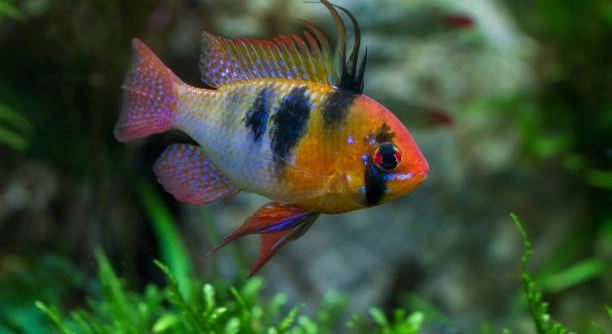
Cichlids are known for their vibrant colors and interesting behaviors, but sometimes these fish display aggression toward their mates. Observing such behavior can be surprising, especially for those new to keeping these freshwater fish species.
A cichlid may eat its mate due to territorial disputes, stress, overcrowding, insufficient food, incompatible pairings, illness, or disruptions in breeding conditions. These factors can trigger aggressive instincts, leading to cannibalistic behavior even among bonded pairs.
Understanding the reasons behind this behavior can help you maintain a healthier environment for your cichlids and reduce the risk of such incidents in your aquarium.
Territorial Disputes
Cichlids are naturally territorial, especially during breeding. When a tank is too small or lacks hiding spots, a dominant fish may attack its mate to secure space. Even a previously calm pair can turn aggressive if one fish feels threatened or crowded. Providing adequate space, plants, and decorations can reduce these incidents. Observing your fish regularly helps identify signs of tension before they escalate. Aggression often peaks during spawning, when instincts to protect eggs or fry are strongest. Adjusting tank layout or temporarily separating fish can prevent losses.
Aggression due to territory is more common in smaller tanks or among highly dominant cichlid species.
Managing territory involves providing a larger tank, adding barriers like rocks, and monitoring behavior closely. Separating aggressive individuals during breeding or adjusting the environment can prevent harm and maintain a peaceful aquarium, ensuring both fish thrive without risking injury or loss.
Stress
Stress can trigger unexpected aggression in cichlids, even toward their mates. Changes in water temperature, poor water quality, or sudden movement in the tank can make fish anxious and irritable.
When stressed, cichlids may bite or even eat their mate. Stress reduces their tolerance for normal social interaction and heightens defensive instincts. Overcrowding is another major stress factor, as it limits personal space and increases competition for food and shelter. Even minor disruptions, such as rearranging decorations or introducing new fish, can provoke violent responses. Keeping water parameters stable, maintaining a clean tank, and avoiding frequent disturbances can significantly reduce stress levels. Observing behavior patterns allows you to intervene before aggression escalates. Providing hiding spaces and maintaining a calm environment helps fish feel secure. Stress management is key to preventing aggression, ensuring both mates coexist safely while breeding and maintaining healthy interactions.
Insufficient Food
When cichlids do not receive enough food, aggression can increase. Hunger may trigger attacks on a mate, especially during breeding periods.
A lack of proper nutrition can make fish more irritable and prone to cannibalistic behavior. Even with regular feeding, if the diet is not balanced or lacks protein, fish may view their mate or fry as an alternative food source. Ensuring consistent feeding schedules and providing high-quality pellets, frozen, or live food can reduce aggression caused by hunger. Feeding smaller portions multiple times a day helps maintain energy levels and keeps territorial instincts in check.
Observing feeding behavior is crucial. If one fish consistently dominates food, the other may become stressed and aggressive. Adjusting feeding routines, offering separate feeding areas, or using feeding rings can help. A well-fed cichlid is calmer, more social, and less likely to harm its mate.
Incompatible Pairings
Some cichlid species are not compatible due to size differences or temperament. Pairing aggressive with passive fish increases the risk of attacks.
Incompatible pairings often lead to repeated fights. Even if fish initially seem compatible, one may become dominant over time, attacking or eating the mate. Matching species with similar temperament, size, and breeding habits is essential. Avoid combining overly aggressive cichlids with timid ones, as stress and fear can escalate aggressive behavior. Monitoring interactions early allows for timely separation if conflicts arise. Observing compatibility during the juvenile stage can prevent problems later, especially when preparing for breeding. Maintaining balance in the tank reduces the risk of mate attacks.
Environmental adjustments, like adding hiding spots and visual barriers, can help temporarily. However, permanent pairing changes are often necessary to ensure safety. Selecting compatible species carefully is the most effective long-term solution.
Illness
Sick cichlids may act unpredictably, including attacking their mate. Weakness or pain can trigger stress and aggression.
Illness can also cause confusion or irritability, making fish more likely to lash out. Prompt diagnosis and treatment are essential to protect both mates and prevent further aggression in the tank.
Overcrowding
Too many fish in one tank increases tension and fights. Limited space causes constant territorial disputes and stress. Overcrowding reduces hiding spots and makes it hard for fish to escape confrontations. Adjusting population or upgrading the tank size can restore balance and reduce mate aggression.
Disrupted Breeding Conditions
Changes in water parameters, lighting, or tank layout during breeding can trigger aggression. Stability is key to maintaining peaceful interactions between cichlid pairs.
FAQ
Why would my cichlid suddenly attack its mate?
Sudden attacks often result from stress, territorial disputes, or illness. Even previously compatible pairs can become aggressive if water conditions change, the tank is overcrowded, or food is insufficient. Monitoring your cichlids’ behavior and tank environment is crucial to identify triggers early and prevent serious injuries.
Can changing the tank layout help reduce aggression?
Yes. Adding hiding spots, rocks, or plants allows fish to retreat and establish personal space. Visual barriers reduce direct confrontations and make it easier for both mates to feel secure. Regularly rearranging decorations should be done cautiously, as sudden changes can also cause stress.
Does diet play a role in mate aggression?
Absolutely. Poor nutrition can heighten irritability and trigger attacks. Feeding high-quality pellets, frozen, or live food in balanced portions prevents hunger-driven aggression. Offering multiple feeding points or using feeding rings ensures both fish get enough food without competition.
How can I tell if my pair is incompatible?
Incompatible pairs often display frequent chasing, fin nipping, or dominance behavior. Size differences or mismatched temperaments can worsen aggression over time. Observing juvenile interactions helps, but adult behavior is the most reliable indicator. Sometimes separating the fish is the only solution to prevent injury.
What role does breeding play in aggression?
Breeding amplifies territorial instincts. Egg protection or fry defense can make even calm fish aggressive. During spawning, conflicts may escalate if one fish feels threatened. Providing separate breeding tanks or partitions can help maintain safety during these periods.
Can illness cause a cichlid to eat its mate?
Yes. Sick or injured fish may become stressed or disoriented, leading to unexpected aggression. Illness weakens their normal social behavior and increases defensive responses. Quick diagnosis, quarantine, and proper treatment are essential to protect both mates and maintain overall tank health.
Is overcrowding a common cause of mate attacks?
Overcrowding significantly raises aggression levels. Limited space prevents fish from escaping conflicts, increases competition for food, and disrupts territorial boundaries. Maintaining an appropriate tank population and providing hiding areas are essential strategies to prevent stress-related attacks.
How can I prevent mate aggression long-term?
Consistent water quality, adequate space, compatible pairings, balanced nutrition, and stress reduction are all key. Observing behavior regularly and intervening early when signs of tension appear helps maintain a peaceful environment. Planning tank layout and population carefully can prevent many aggression issues.
Should I separate aggressive pairs immediately?
Separation is often necessary if attacks are frequent or severe. Even small injuries can escalate, so timely action protects both fish. Temporary partitions or moving one fish to another tank can reduce stress while you evaluate long-term solutions.
Can environmental stressors trigger aggression?
Yes. Sudden temperature changes, strong currents, bright lighting, or excessive noise can make fish irritable. Stability in water parameters and a calm environment are crucial. Gradual adjustments to the tank help minimize stress and maintain harmony between mates.
How important is observation for preventing mate attacks?
Very important. Watching daily behavior allows you to spot early signs of aggression, feeding issues, or stress. Quick intervention can prevent serious harm. Keeping notes on interactions, feeding habits, and tank changes helps identify patterns and maintain a safe environment.
Are some cichlid species more prone to eating their mate?
Yes. Highly territorial species or those with strong breeding instincts are more likely to attack mates under stress. Understanding species-specific behavior helps prepare the tank environment and manage aggression risks effectively.
Can hiding spots fully prevent aggression?
Hiding spots reduce conflicts but may not eliminate aggression entirely. They provide escape routes and help reduce stress, but other factors like food, breeding, and compatibility must also be managed for long-term safety.
What should I do if aggression continues despite changes?
Persistent aggression may require permanent separation or pairing adjustments. Re-evaluating tank size, population, and compatibility is necessary. Providing quarantine areas for breeding or aggressive individuals ensures safety for all fish. Consistency and observation remain critical to maintaining a balanced aquarium.
How can I balance aggression and breeding needs?
Create designated breeding areas with barriers or partitions. Monitor interactions closely and maintain high-quality nutrition. Balancing space, hiding spots, and calm conditions helps fish reproduce safely without risking mate attacks. Regular checks and adjustments keep both breeding success and fish safety in mind.
What are early signs of aggression to watch for?
Chasing, nipping fins, hiding excessively, and sudden color changes often precede attacks. Observing these behaviors early allows intervention before serious injuries occur. Adjusting tank conditions or separating fish at this stage prevents escalation and helps maintain a stable environment.
How does tank size affect mate aggression?
Small tanks limit personal space and increase territorial conflicts. Larger tanks provide room to establish territories and reduce constant confrontations. Adequate space combined with hiding spots and careful population management significantly lowers the risk of aggressive incidents.
Can aggression be reduced naturally without separating fish?
Yes. Providing space, hiding spots, balanced food, and maintaining stable water conditions often reduces aggression. Pairing compatible species and minimizing disturbances helps fish coexist. However, some cases may still require separation to ensure safety.
Are there signs that a pair is permanently incompatible?
Continuous attacks, stress-induced hiding, or repeated injuries indicate permanent incompatibility. Even with environmental adjustments, some pairs cannot coexist safely. Early observation and intervention are essential to prevent long-term harm to both fish.
Does stress always lead to mate attacks?
Not always, but it greatly increases the likelihood. Stress reduces tolerance for social interactions and triggers defensive behavior. Managing environmental stability, feeding, and tank conditions minimizes the chance that stress will escalate into aggression.
How often should I check water conditions to prevent aggression?
Daily observation is ideal for spotting sudden changes. Regular testing of temperature, pH, and ammonia levels prevents stress-related aggression. Stable water parameters are one of the most effective ways to maintain peaceful behavior between mates.
Can introducing new fish affect existing pairs?
Yes. New fish can disrupt established hierarchies, provoke territorial disputes, and stress the original pair. Introducing new fish gradually, with partitions if necessary, reduces the risk of aggression toward mates or newcomers.
Are there behavioral signs of a happy, non-aggressive pair?
Peaceful swimming, mutual cleaning, shared territory without chasing, and calm feeding habits indicate harmony. Consistent observation of these behaviors ensures the pair is thriving and minimizes the chance of unexpected aggression.
What role does lighting play in aggression?
Excessive or sudden changes in lighting can stress fish. Gradual light transitions and consistent lighting schedules help reduce irritability, creating a calmer environment that lowers the risk of attacks on mates.
How long should I wait before pairing cichlids for breeding?
Allow juveniles to grow and observe temperament before pairing. Rushing the process increases incompatibility risks. Proper timing and careful observation help form safer, more compatible pairs for breeding success.
Can aggressive behavior be reversed once it starts?
Sometimes. Adjusting environment, nutrition, and tank conditions can calm stressed fish. However, persistent aggression may require permanent separation. Early detection improves the chances of restoring peaceful interactions, but not all behaviors can be reversed once established.
How does water flow affect aggression?
Strong currents can tire fish, increase stress, and trigger territorial behavior. Gentle, consistent water flow supports comfort, reduces irritation, and allows both mates to coexist without unnecessary conflict.
Cichlids are fascinating fish with complex behaviors, and understanding why they sometimes attack their mate is important for anyone keeping them in an aquarium. Aggression can occur for a variety of reasons, including territorial disputes, stress, overcrowding, insufficient food, incompatible pairings, illness, and changes in breeding conditions. Each of these factors can influence a fish’s behavior, and recognizing the signs early is key to preventing serious problems. Providing a stable, well-maintained environment helps reduce aggression and supports the health of both mates. Observing their interactions regularly allows you to address potential issues before they escalate into attacks, keeping your aquarium a safer space for all the fish.
Maintaining proper care is central to managing aggression in cichlids. Adequate tank size and well-structured layouts with hiding spots can reduce stress and territorial disputes, giving each fish a sense of security. A balanced diet and consistent feeding schedule ensure that hunger does not trigger aggressive behavior. Pairing compatible species and monitoring their temperament can prevent conflicts from occurring in the first place. Even small adjustments, like adding partitions during breeding or rearranging decorations carefully, can make a noticeable difference. Consistency in water quality, temperature, and lighting also contributes to calmer behavior, reducing the likelihood of mate attacks. The more predictable and stable the environment, the less chance there is for sudden, aggressive incidents.
Even with careful planning, some aggression may still occur. In cases where attacks are frequent or severe, temporary or permanent separation may be necessary to protect both fish. Understanding that aggression is often instinctual, rather than personal, helps in making rational decisions to manage the situation. Observing behavior, adjusting the environment, and intervening when necessary are all part of responsible cichlid care. By taking these steps, you can support a healthier, safer aquarium where both mates can coexist, thrive, and even successfully breed without putting each other at risk. Proper attention and care create an environment where aggression is minimized, and your cichlids’ natural behaviors can be appreciated safely.

Hello,
If you enjoy the content that we create, please consider saying a "Thank You!" by leaving a tip.
Every little bit helps us continue crafting quality advice that supports the health, happiness, and well-being of pets around the world, for pets of all shapes, sizes, and species.
We really appreciate the kindness and support that you show us!