
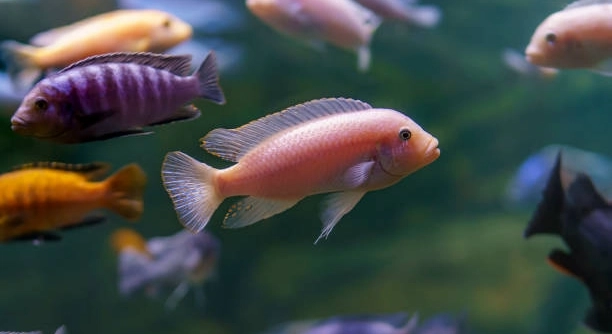
Cichlids are popular aquarium fish that many people enjoy keeping. They are known for their bright colors and lively personalities. Many owners spend time watching how these fish interact with each other in their tanks.
Cichlids are capable of recognizing familiar individuals even after periods of separation. Studies suggest that visual cues, chemical signals, and social memory play key roles in helping these fish identify and remember each other.
Learning more about cichlids’ social recognition can improve their care. Observing their behavior offers insights into their interactions and well-being in home aquariums.
How Cichlids Recognize Each Other
Cichlids rely on several senses to identify one another. Their primary tool is vision; they can recognize color patterns and body shapes of familiar fish. Chemical signals in the water also help, as cichlids release and detect pheromones unique to each individual. Social interactions play a part too, especially among species that form hierarchies. Fish that spend time together often develop long-term recognition, remembering each other even after days or weeks apart. Some studies show that cichlids respond differently to familiar versus unfamiliar fish, demonstrating memory and learning. Observing your fish closely can reveal subtle behaviors, like swimming patterns or changes in aggression, which indicate recognition. The combination of visual, chemical, and social cues makes it possible for cichlids to maintain relationships despite temporary separation. Understanding this can make aquarium management easier, especially when introducing new fish.
Cichlids are not only smart but also sensitive to changes in their environment. Recognition helps reduce stress.
Memory and recognition in cichlids also influence feeding habits and territorial behavior. Fish are more likely to tolerate or cooperate with familiar individuals during group activities, such as defending a territory or competing for food. Unfamiliar fish may trigger aggression or cautious behavior, while recognized companions are often met with calmer responses. In breeding pairs, recognition is essential, helping partners coordinate and care for offspring effectively. Even after a temporary separation, these bonds can persist, showing that cichlids remember each other beyond immediate encounters. For hobbyists, this means that fish reintroduced to the same tank often resume previous social roles, avoiding unnecessary conflict. Recognizing these patterns can improve tank dynamics, making daily care smoother. Observing subtle gestures, like fin displays or chasing patterns, reveals the depth of their memory and social awareness. Over time, this understanding can enhance both the fish’s well-being and the owner’s experience in managing a balanced aquarium.
Factors Affecting Recognition
Separation duration can influence whether cichlids remember each other.
Stress, tank changes, and species differences impact memory and recognition. Cichlids separated too long or exposed to new environments may show hesitation when reintroduced. Young fish may take longer to recognize others, while adults often remember prior companions. Environmental enrichment, such as plants or hiding spots, supports memory retention and reduces aggression. Some species are naturally more social, making recognition easier, while solitary types rely heavily on visual cues. Water quality also plays a role, as poor conditions can impair sensory perception and learning. Timing and consistency in tank routines can strengthen recognition over time. Observing interactions after reintroduction helps determine if fish remember each other. Small signs, like following or synchronized swimming, indicate familiarity. Adjusting tank setups gradually ensures smoother reunions, minimizing stress for all fish involved.
Memory in cichlids extends beyond recognition of individuals. It shapes social hierarchies, feeding order, and territory establishment. When fish are familiar with their companions, they show more predictable behavior, which reduces conflict. Recognition also affects breeding success, as pairs that remember each other coordinate better in protecting eggs and fry. Stressful separations or abrupt introductions of new fish can disrupt established social networks, increasing aggression and anxiety. Maintaining stable environments with consistent companions helps cichlids form long-lasting bonds. Species-specific tendencies, such as territoriality or schooling behavior, influence how memory operates in social contexts. Aquarists can use these patterns to create harmonious tanks. By understanding the sensory and behavioral mechanisms behind recognition, caretakers can improve fish welfare, optimize feeding routines, and reduce unnecessary fighting. Overall, recognition in cichlids is a complex, multi-sensory process that plays a central role in their daily behavior and long-term well-being, making thoughtful tank management essential for healthy communities.
Visual Cues and Recognition
Cichlids use color patterns and body shapes to identify familiar fish. Distinct markings and fin movements make it easier for them to remember companions, even after separation.
Visual memory helps cichlids maintain social bonds. Fish notice subtle differences in coloration, size, and swimming style, which guides their reactions toward others. For example, a fish may approach a familiar tank mate calmly but act cautiously around an unfamiliar individual. These cues are particularly important in species with complex social hierarchies, where recognition reduces aggression and supports cooperation. Reintroducing fish after separation often relies on these visual markers to restore previous relationships.
In addition to color, fin displays and posture communicate familiarity. Fish may flare fins or perform specific movements that signal recognition. Even small changes, like swimming speed or angles, are noticed. Over time, these visual interactions create a memory map of companions, helping fish navigate their social environment. Visual cues also interact with chemical signals, enhancing recognition accuracy. Observing these behaviors can reveal how much a cichlid remembers its companions and provides insights into their natural social intelligence.
Chemical Signals in Recognition
Cichlids release pheromones that convey identity and social status. These chemicals allow fish to recognize individuals without direct contact.
Chemical cues help fish detect familiarity and hierarchy in the tank. Recognized companions trigger calmer interactions, while unfamiliar fish may provoke defensive behavior. These signals are especially important in larger tanks or species that rely less on visual recognition. Water circulation spreads these cues, letting fish communicate across distances.
Pheromones also influence mating and territory behavior. Fish remember chemical profiles of partners or rivals, which guides future interactions. When fish are separated, memory of these cues can persist, allowing smoother reintegration. Environmental factors like water quality affect chemical detection, so maintaining clean, stable conditions supports recognition. Combined with visual memory, chemical signals create a reliable system for maintaining social relationships. Fish often respond faster to familiar scents than visual cues alone, showing the strength of chemical recognition in their social dynamics.
Social Behavior and Memory
Cichlids remember how other fish behaved in the past. Fish that were calm or cooperative are treated differently than those that were aggressive.
Memory of past interactions helps reduce conflict. Fish can adjust their behavior based on previous experiences with tank mates.
Impact of Separation on Recognition
Separation can temporarily confuse cichlids, but most species quickly remember familiar companions once reunited. Fish may approach cautiously at first but resume normal social patterns after a short period. Memory is reinforced by visual and chemical cues, allowing recognition to recover naturally. Familiar fish are often tolerated more, while strangers are treated with caution.
Age and Recognition
Younger cichlids may take longer to recognize companions, while adults show more reliable memory. Social experience strengthens recognition.
Environmental Factors
Water quality, tank size, and decorations influence recognition. A stable environment helps fish remember companions and reduces stress.
FAQ
Can cichlids really recognize each other after being separated?
Yes, cichlids can recognize familiar companions even after days or weeks apart. They rely on a combination of visual cues, chemical signals, and social memory. When reunited, fish often resume previous social behaviors, such as schooling or sharing territory, rather than treating each other as strangers.
How long can cichlids remember other fish?
Memory varies by species and age, but adult cichlids can remember tank mates for several weeks. Younger fish may need repeated interactions to retain recognition. Social experience and stability in the tank strengthen memory, allowing fish to maintain established hierarchies and relationships over time.
Do visual cues play the biggest role in recognition?
Visual cues are very important, especially in brightly colored species. Distinct color patterns, fin shapes, and swimming movements help fish identify companions. These cues work together with chemical signals to confirm familiarity, ensuring that recognition is accurate even in busy or complex tank environments.
How do chemical signals help recognition?
Cichlids release pheromones that carry information about identity and social status. These chemicals allow fish to recognize companions without seeing them directly. Chemical memory helps reestablish social bonds after separation and can guide behavior toward familiar or unfamiliar individuals, reducing unnecessary aggression.
Does separation stress affect recognition?
Short-term separation can cause temporary caution or hesitation, but recognition usually recovers quickly. Stress from poor water quality or sudden environmental changes can weaken sensory cues, making recognition slower or less reliable. Maintaining stable conditions ensures fish remember their companions effectively.
Do cichlids show different behavior toward familiar and unfamiliar fish?
Yes, familiar fish are generally treated with less aggression and more tolerance. Unfamiliar fish may trigger defensive behavior, chasing, or territorial displays. This difference demonstrates that cichlids not only recognize others but also adjust their social interactions based on memory.
Can cichlids forget each other over time?
Memory may fade if fish are separated for very long periods or exposed to significant environmental changes. However, regular social interactions and stable surroundings help preserve recognition. Reintroduction after separation usually restores social relationships fairly quickly.
Do environmental factors influence recognition?
Yes, water quality, tank size, decorations, and hiding spots all affect how well fish can recognize companions. Stable, enriched environments support sensory cues and memory, while cluttered or poorly maintained tanks can make recognition more difficult and increase stress.
Does recognition affect breeding or territorial behavior?
Absolutely. Recognizing partners or neighbors helps coordinate breeding activities, protect eggs or fry, and establish territories with minimal conflict. Pairs that remember each other perform better in parental care and cooperation, which is essential for maintaining a peaceful tank dynamic.
Can cichlids recognize multiple fish at once?
Yes, many species remember multiple individuals and their relative social status. This ability helps maintain complex hierarchies, reduces aggression, and allows cooperative behavior in larger groups. Memory of multiple companions relies on both visual and chemical cues to keep interactions predictable.
Is there a difference between species in recognition ability?
Recognition ability varies across species. Highly social or territorial species tend to remember companions more reliably. Solitary species rely more on visual identification and may have shorter memory spans for others. Understanding species differences can help manage tank introductions and prevent conflicts.
How can I help my cichlids remember each other after separation?
Maintaining stable water conditions, minimizing stress, and reintroducing fish gradually supports memory. Providing visual markers and familiar hiding spots can reinforce recognition. Consistent feeding routines and observing interactions also help fish quickly reestablish social relationships.
Does age affect recognition in cichlids?
Yes, adults usually have more reliable memory than juveniles. Young fish may require repeated exposure to remember companions. Social experience strengthens recognition over time, making older fish better at identifying and responding to familiar tank mates.
Are there signs that my cichlids remember each other?
Signs include calm swimming near familiar fish, synchronized movements, and reduced aggression. Fish may follow previous companions or resume previous roles in the hierarchy. Observing these behaviors after reintroduction indicates successful recognition and stable social memory.
Can recognition prevent aggression in a tank?
Yes, fish that remember each other are less likely to fight unnecessarily. Recognition allows cichlids to distinguish between familiar and unfamiliar individuals, reducing conflicts and supporting a calmer, more predictable environment.
Do cichlids recognize humans?
While recognition of humans differs from fish-to-fish recognition, many cichlids can remember feeding routines and respond to familiar caretakers. This shows their ability to remember repeated interactions and associate them with positive outcomes, like food or care.
Is recognition permanent?
Recognition is not always permanent. Extended separation, environmental stress, or introduction to many new fish can weaken memory. However, most cichlids quickly relearn familiar companions once conditions are stable and sensory cues are available.
How important is recognition for aquarium management?
Recognition is critical for maintaining harmony in a tank. Understanding social memory helps reduce aggression, manage breeding pairs, and create stable group dynamics. Awareness of recognition behaviors makes it easier to introduce new fish and maintain a balanced, healthy aquarium environment.
Can recognition be measured scientifically?
Yes, researchers observe behaviors like approach patterns, aggression, and cooperation to measure recognition. Experiments often manipulate visual or chemical cues to study how fish identify companions. These studies confirm that cichlids use multi-sensory memory to recognize and remember individuals over time.
Does repeated separation affect recognition?
Repeated or prolonged separation can delay recognition, but cichlids usually regain memory quickly. Gradual reintroduction and maintaining stable conditions support recovery, minimizing stress and restoring social interactions efficiently.
How do visual and chemical cues work together?
Visual and chemical cues complement each other. Fish confirm identities with both signals, increasing accuracy. Even if one cue is limited, the other ensures reliable recognition, helping fish maintain stable social relationships, defend territory, and cooperate effectively in group settings.
Cichlids are remarkable fish with strong social abilities. Their capacity to recognize other fish, even after separation, shows that they have a form of memory and social awareness. Both visual cues, like colors and fin shapes, and chemical signals in the water help them identify companions. These signals work together, allowing fish to remember who they interacted with before and respond appropriately. This recognition is not just for social comfort; it affects how they share territory, feed, and interact with others in the tank. Observing your cichlids carefully can reveal subtle signs of recognition, such as swimming patterns, calm approaches, or reduced aggression toward familiar fish. Understanding these behaviors can improve how you manage a tank, ensuring that fish remain comfortable and less stressed.
Separation between fish can temporarily change how they act toward one another, but most cichlids quickly regain their memory. Even after days or weeks apart, familiar companions are often recognized, and normal social behaviors resume. The speed of this recognition depends on factors like age, species, and environmental conditions. Adults generally remember companions more easily than younger fish, and highly social species tend to maintain stronger recognition compared to solitary types. Tank stability also plays a role. Clean water, consistent feeding, and familiar hiding spots all support memory and reduce stress. Chemical signals, such as pheromones, remain important during separation because they carry identity and status information. When these signals are available again, fish often respond as if no separation occurred, resuming previous hierarchies and social interactions. This shows that memory in cichlids is flexible and resilient, allowing them to adapt to temporary changes in their environment without long-term confusion or stress.
Recognition in cichlids is not just an interesting behavior; it has practical implications for anyone keeping these fish. Understanding that fish can remember each other helps in managing tank dynamics, introducing new individuals, and reducing aggression. It also affects breeding behavior, as pairs that recognize each other coordinate more effectively in caring for eggs and fry. Observing interactions can provide insight into each fish’s role and preferences, making it easier to maintain harmony. By keeping the environment stable, providing enough space, and paying attention to visual and chemical cues, fish owners can support these natural behaviors. Recognizing the intelligence and social memory of cichlids encourages better care and appreciation for their complex behaviors, helping both the fish and the caretaker have a smoother, more enjoyable experience in the aquarium.

Hello,
If you enjoy the content that we create, please consider saying a "Thank You!" by leaving a tip.
Every little bit helps us continue crafting quality advice that supports the health, happiness, and well-being of pets around the world, for pets of all shapes, sizes, and species.
We really appreciate the kindness and support that you show us!